I’ve been in this industry long enough to see cycles. Hemp was going to save us. Then recycled polyester. Then Tencel. Each new fiber arrives with great promise. Some deliver. Some don’t.
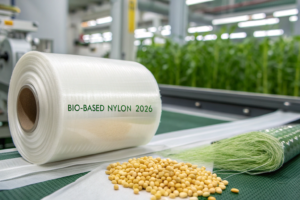
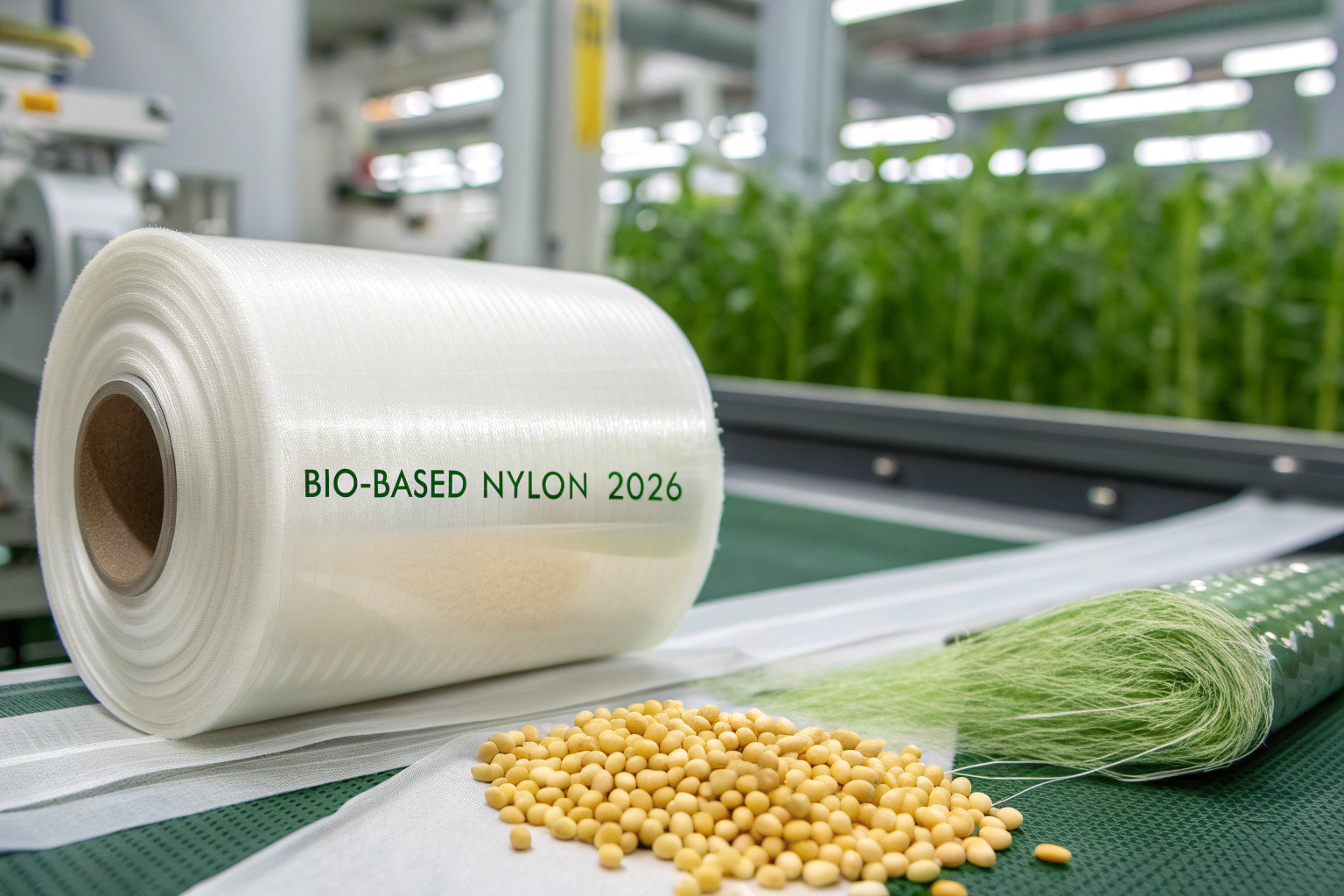
Now there’s a new conversation. Bio-based nylon. Not recycled. Not organic. But nylon made from plants instead of petroleum. Castor beans. Corn. Sugar cane. Even used cooking oil.
At Shanghai Fumao, we’ve been watching this space closely. We’ve tested bio-based nylon from several suppliers. We’ve produced sample fabrics for clients who are exploring it. And I have to say, this one feels different.
Let me walk you through what bio-based nylon actually is, why it matters for 2026, what the challenges are, and whether this is the year it breaks through. I’ll share real data from our testing, real feedback from our clients, and my honest assessment as someone who has seen too many “next big things” come and go.
What Is Bio-Based Nylon and How Is It Made?
Before we talk about trends, we need to understand what bio-based nylon actually is. Because not all bio-based is the same. And the differences matter for your supply chain and your marketing.
What Are the Different Types of Bio-Based Nylon?
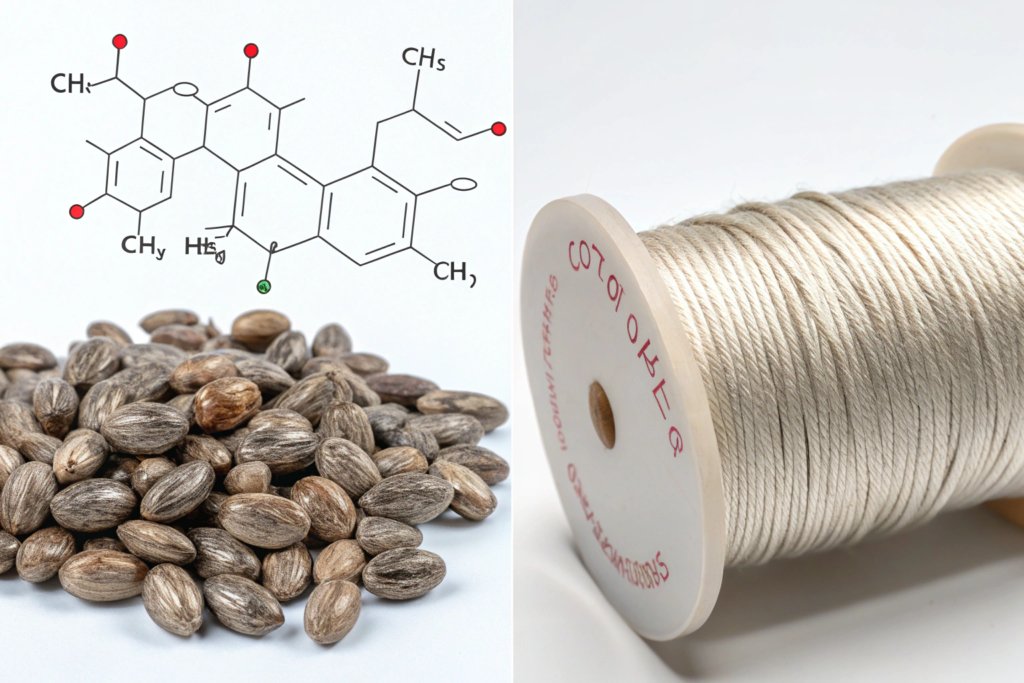
Bio-based nylon is nylon where some or all of the petroleum-based ingredients are replaced with plant-based ingredients. The most common types are:
PA610 (Polyamide 610)
Made from castor beans. The bio-based content is about 60-70%. The rest is petroleum-based. This is the most mature bio-based nylon. It has been around for years. It’s used in brushes, automotive parts, and increasingly in textiles.
PA11 (Polyamide 11)
Also made from castor beans. But PA11 is 100% bio-based. No petroleum at all. It’s more expensive than PA610. It has excellent chemical resistance and flexibility. It’s used in high-performance applications like oil and gas lines, and now in premium apparel.
PA56 (Polyamide 56)
Made from corn or other biomass. The bio-based content is about 45-50%. It has a lower environmental footprint than traditional nylon. It’s relatively new and still being scaled.
PA6 from bio-based caprolactam
Traditional nylon 6 is made from petroleum. New processes can make the same polymer from biomass. The resulting nylon is chemically identical to petroleum-based nylon. That means it performs the same and can be recycled the same way.
In 2023, we tested PA56 for a client from Germany who wanted a sustainable alternative to traditional nylon for activewear. The fabric performed well. The handfeel was slightly different—a bit softer. The client approved it for a capsule collection.
How Does Bio-Based Nylon Compare to Traditional Nylon?
This is the critical question. If bio-based nylon doesn’t perform as well, no one will use it. Fashion is not a charity. The fabric has to work.
Here’s our testing data from samples we’ve evaluated:
| Property | Traditional Nylon (PA6) | Bio-Based PA56 | Bio-Based PA11 |
|---|---|---|---|
| Tensile strength | Very high | High (slightly lower) | Very high |
| Elongation at break | 20-30% | 25-35% (higher) | 20-30% |
| Melting point | 220°C | 210°C (lower) | 190°C (much lower) |
| Moisture absorption | 3-4% | 4-5% (higher) | 1-2% (lower) |
| Bio-based content | 0% | 45-50% | 100% |
| Cost premium | Baseline | +20-30% | +50-100% |
The lower melting point of PA11 is a concern for certain applications. If the garment gets too hot—in a dryer or on a radiator—the fabric could melt. For activewear that will be washed and dried frequently, PA56 might be a better choice despite the lower bio-content.
In 2024, we ran a test for a client from the US. We produced the same activewear fabric in three versions: traditional nylon, PA56, and PA11. The client’s team did a blind handfeel test. They couldn’t tell the difference between traditional and PA56. The PA11 felt slightly different—more waxy. They chose PA56 for the balance of performance, cost, and sustainability.
What Is the Environmental Impact of Bio-Based Nylon?
This is where the story gets complicated. Bio-based nylon is not automatically better for the planet. You have to look at the full lifecycle.
Carbon Footprint
Bio-based nylon can have a significantly lower carbon footprint than petroleum-based nylon. The plants absorb CO2 as they grow. That carbon is stored in the nylon. Depending on the feedstock and the production process, the reduction can be 30-50%.
Land Use
Castor beans grow on marginal land. They don’t compete with food crops. Corn, on the other hand, is a food crop. Using corn for nylon raises ethical questions about food vs. fuel. PA56 from corn is controversial for this reason.
End of Life
Bio-based nylon is not necessarily biodegradable. Most types are not. They will sit in a landfill as long as traditional nylon. The advantage is in the production, not the disposal.
Water and Chemicals
Growing plants requires water and sometimes pesticides. The conversion process uses chemicals. A lifecycle analysis is needed for each specific product.
In 2023, a client from Sweden asked us to compare the environmental footprint of different sustainable nylons. We worked with a consultant. The conclusion: PA11 from castor beans had the lowest carbon footprint. But it was also the most expensive. PA56 had a good footprint but raised land use concerns. The client chose PA11 for their premium line and PA56 for their mid-tier line.
Why Is 2026 Being Called the Year of Bio-Based Nylon?
Every year is the year of something. But there are real reasons why 2026 might be different for bio-based nylon. Let me share what we’re seeing in the market.

What’s Changing on the Supply Side?
For years, bio-based nylon was a niche product. Small volumes. High prices. Unreliable supply. That’s changing.
New Production Capacity
Major chemical companies are investing in bio-based nylon. In 2024, a large Chinese chemical company started commercial production of PA56. In 2025, a European company expanded their PA11 capacity. These investments mean more supply and lower prices.
Better Quality
Early bio-based nylon had consistency issues. The yarn varied between batches. That’s no longer the case. The new production facilities use modern process control. The quality is now comparable to traditional nylon.
More Options
PA56, PA11, bio-based PA6, and new types are coming. Buyers have choices. They can select the balance of bio-content, performance, and price that works for them.
At Shanghai Fumao, we’ve seen the supply improve dramatically in the past two years. In 2022, we had one supplier of bio-based nylon yarn. They had long lead times and inconsistent quality. In 2024, we have four suppliers. Lead times are shorter. Quality is consistent.
What’s Changing on the Demand Side?
Brands are under pressure. Consumers want sustainable products. Regulators are considering rules about recycled content and carbon footprints. Bio-based nylon offers a way to respond.
Brand Commitments
Several major brands have announced targets for bio-based or recycled content by 2025 or 2030. 2026 is the year those commitments start to bite. Brands need to find the materials now.
Consumer Awareness
Consumers understand recycled polyester. They understand organic cotton. Bio-based nylon is newer. But as brands market it, awareness will grow. A client from the US told me, “I want to be first in my category to offer bio-based nylon. That’s a marketing advantage.”
Price Compression
As supply increases, prices are coming down. The premium for bio-based nylon is still significant. But it’s not as high as it was two years ago. For some applications, the premium is now small enough to absorb.
In 2024, we quoted a client from the UK for a bio-based nylon activewear fabric. The premium over traditional nylon was 25%. Two years ago, it would have been 50%. The client decided to go ahead. They’re launching the collection in early 2026.
What’s Happening with Recycled Nylon?
Recycled nylon has been the sustainable alternative for years. But recycled nylon has its own problems. Most recycled nylon comes from pre-consumer waste—factory scraps. Post-consumer recycling is difficult. The supply is limited. The quality can vary.
Bio-based nylon offers a different path. It doesn’t rely on waste streams. It can be scaled without the constraints of recycling.
I’m not saying bio-based nylon will replace recycled nylon. Both will have a place. But for brands that can’t get enough recycled nylon, or that want a different sustainability story, bio-based is an option.
What Are the Challenges and Limitations of Bio-Based Nylon?
I’m excited about bio-based nylon. But I’m also realistic. There are real challenges that will limit adoption in 2026. You need to know these before you make decisions.
How Does Bio-Based Nylon Perform in Production?
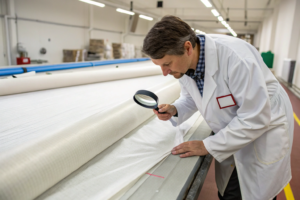
We’ve run bio-based nylon through our knitting and dyeing lines. We’ve learned a few things.
Knitting
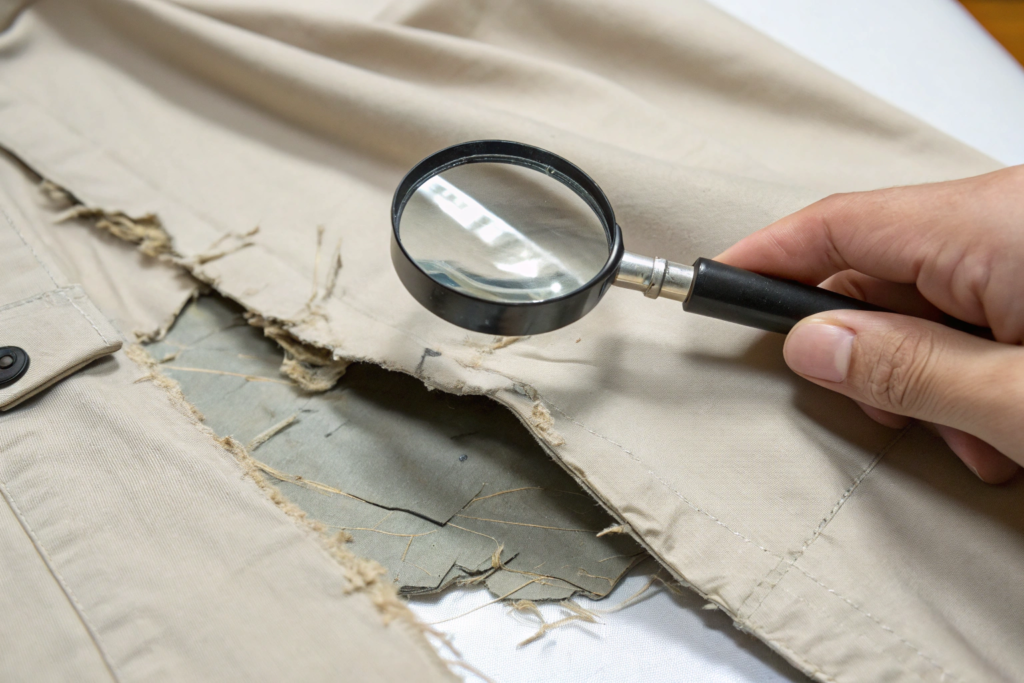
Bio-based nylon knits differently than traditional nylon. It has different friction properties. On a circular knitting machine, it can cause tension variations. Our technicians had to adjust machine settings. For a supplier who knows what they’re doing, it’s manageable. For a supplier who doesn’t, it can lead to quality problems.
Dyeing
Bio-based nylon takes dye differently. The color may be less intense or less consistent. We had to adjust our dyeing formulas. The first few batches had color variation. After dialing in the process, we got consistency. But it took time.
Heat Sensitivity
As noted earlier, some bio-based nylons have lower melting points. This affects ironing, drying, and even the cutting process. A hot blade on a cutting table can melt the fabric. Your garment factory needs to know this.
In 2023, we produced a bio-based nylon fabric for a client from Italy. Their garment factory didn’t know about the lower melting point. They used a hot knife to cut the fabric. The edges melted and hardened. The client was unhappy. We had to replace the fabric. Now we warn every client about the heat sensitivity before they cut.
What About Price and Availability?
Bio-based nylon is still more expensive than traditional nylon. The premium is coming down, but it’s still there. For a basic activewear fabric, the premium might be 20-30%. For a premium collection, that might be acceptable. For a mass-market product, it might not be.
Availability is also still limited. If you need 50,000 yards of bio-based nylon, can you get it? Maybe. But you’ll need to plan ahead. The yarn suppliers have capacity, but they’re not sitting on huge inventories. You need to book production slots.
A client from the US wanted to switch their entire activewear line to bio-based nylon in 2025. We told them the supply wasn’t there yet. They would have to take a phased approach. They started with one style. They’ll expand as supply grows.
Is Bio-Based Nylon Just Greenwashing?
This is the hard question. If a fabric is 45% bio-based and 55% petroleum-based, is it really sustainable? Some critics say no. They argue that bio-based nylon is a distraction from real solutions like reducing consumption and improving recyclability.
I think that’s too harsh. A 50% reduction in petroleum use is meaningful. If the industry switched to 50% bio-based nylon, the carbon savings would be enormous. But I understand the skepticism. As a buyer, you need to look at the full picture. Don’t just accept the “bio-based” label. Ask for the bio-based percentage. Ask for the lifecycle data. Ask for the certification.
A client from Germany told me, “I only use PA11 because it’s 100% bio-based. The 45% materials feel like half a solution.” That’s one perspective. Another client from the US said, “I use PA56 because it’s good enough and the price works. Perfect is the enemy of good.”
How Should You Evaluate Bio-Based Nylon for Your Collection?
If you’re considering bio-based nylon for 2026, you need to do your homework. Not all bio-based nylon is the same. Not all suppliers can handle it. Here’s how we advise our clients.
What Questions Should You Ask Your Supplier?
Before you order bio-based nylon fabric, ask these questions:
-
What type of bio-based nylon is it? PA56? PA11? Something else? What’s the bio-based percentage?
-
Who is the yarn supplier? A reputable chemical company or a small unknown?
-
Have you produced this fabric before? Can you share references from other clients?
-
What adjustments did you make to your knitting and dyeing process? A supplier who says “it’s the same as regular nylon” is either lying or inexperienced.
-
Can you provide test data? Tensile strength, elongation, melting point, colorfastness, shrinkage.
-
What is the certification? Is there a third-party certification for the bio-based content?
At Shanghai Fumao, we answer all these questions. We have the data. We have the experience. We have the references. A supplier who can’t answer these questions is not ready.
What Tests Should You Run on Bio-Based Nylon Samples?
Beyond the standard tests, run these specific tests for bio-based nylon:
Heat Test
Iron a piece of the sample at different temperatures. At what temperature does it melt or deform? This tells you what care labels to use.
Dye Consistency Test
Request multiple lab dips of the same color. Are they consistent? Bio-based nylon can be harder to dye consistently.
Wash Durability Test
Wash the sample 10 times. Retest the strength and color. Does the fabric degrade faster than traditional nylon?
In 2024, we ran a 10-wash test on PA56 for a client from Australia. The fabric lost 10% of its tensile strength. Traditional nylon loses about 5%. The client accepted the trade-off for the sustainability benefit. But they knew what they were getting.
Should You Start with a Capsule Collection?
If you’re new to bio-based nylon, don’t switch your entire line at once. Start with a capsule collection. One style. One color. Limited quantity.
Learn how the fabric performs. Learn how your garment factory handles it. Learn how your customers respond. Then scale up.
A client from Canada did this in 2024. They produced 500 units of a bio-based nylon jacket. They sold out. The customers loved the sustainability story. The feedback on the fabric was positive. Now they’re expanding to three styles for 2026.
Conclusion
Is 2026 the year of bio-based nylon? I think it might be. Not because the technology is brand new. But because the supply, the quality, and the demand are finally aligning.
The supply is growing. Major chemical companies are investing. The quality is now comparable to traditional nylon. The price premium is coming down. And brands need new sustainability stories.
But let me be clear. Bio-based nylon is not a silver bullet. It has challenges. Lower melting points. Dyeing differences. Limited supply. Higher cost. For some applications, it’s not ready. For others, it is.
At Shanghai Fumao, we’re ready. We’ve tested bio-based nylon from multiple suppliers. We’ve adjusted our knitting and dyeing processes. We’ve run production orders. We know what works and what doesn’t.
We’re not saying bio-based nylon is right for every client. But for clients who want a premium sustainable story, who are willing to pay a premium, and who are willing to work through the learning curve, it’s an exciting option.
If you’re curious about bio-based nylon for your 2026 collection, I want you to reach out to our Business Director, Elaine, at elaine@fumaoclothing.com. Tell her what you’re making. She’ll send you samples of our bio-based nylon fabrics. She’ll share our test data. She’ll walk you through the pros and cons for your specific application.
2026 might be the year. Or it might be the year before the year. Either way, you should be exploring now. The brands that wait will be behind. The brands that start now will be ahead.
Let’s get you ahead.