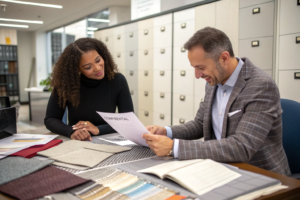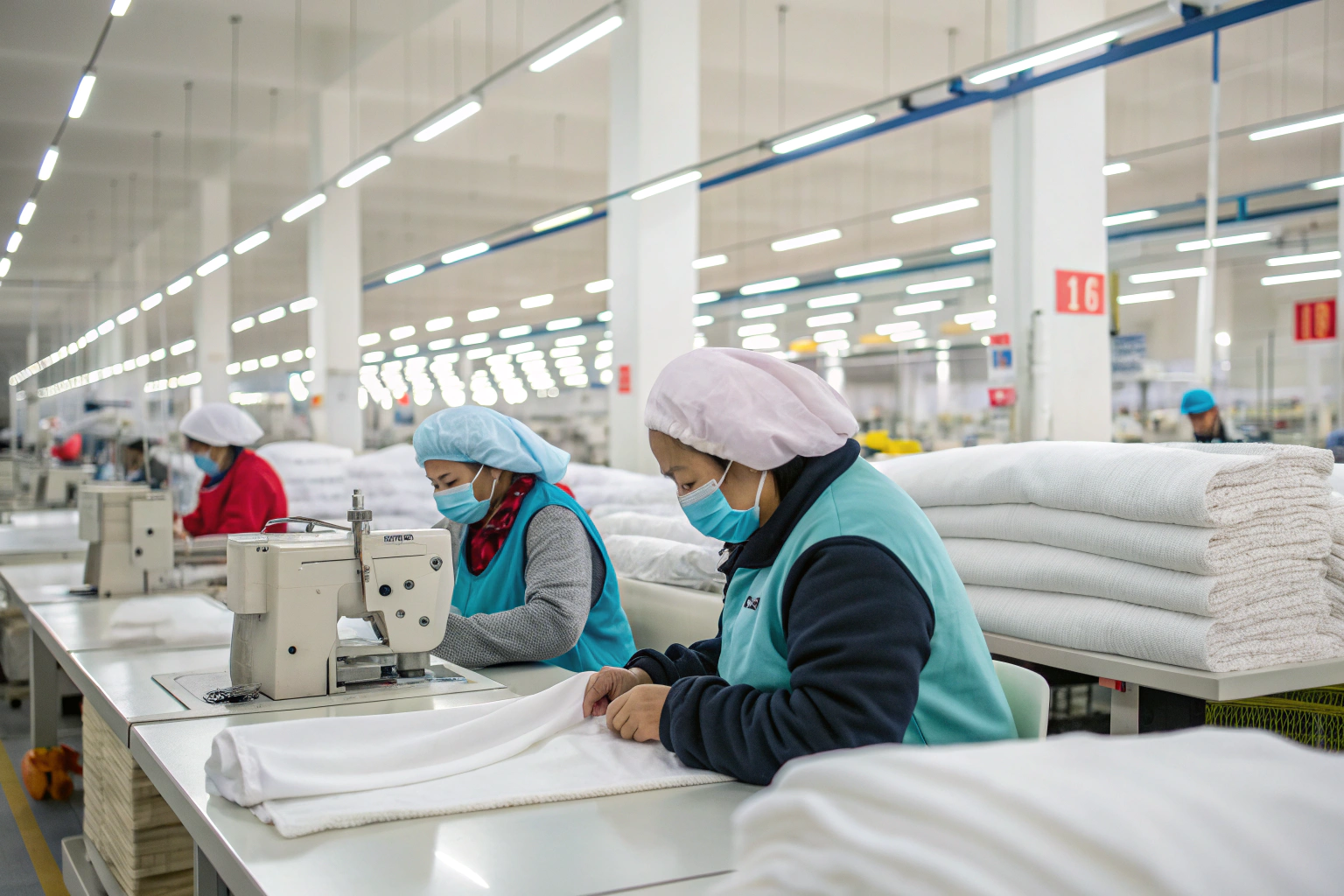
I still remember the phone call that changed how I talk to buyers about ethics. It was 2019, and a potential client from London asked me straight: "How do I know your workers aren't exploited?" I stumbled through an answer about Chinese labor laws, but I could hear the doubt in their silence. That night, I realized something crucial—trust isn't given anymore. It has to be proven, documented, and made visible. Today, that same client is one of our longest partners, but only after we opened every door for their auditor.
Verifying a fabric supplier's social compliance requires a systematic approach combining third-party audits, on-the-ground inspections, transparent documentation, and direct communication with factory management about worker welfare policies. You cannot rely on a single certificate or a smooth-talking salesperson. The truth lives in the details: payroll records, dormitory conditions, fire escape plans, and the unscheduled walkthrough.
Let me be blunt with you. The textile industry has a shadow side, and pretending otherwise helps no one. But here's what I've learned running operations in Keqiao for two decades—ethical manufacturing isn't just possible; it's profitable. Workers who feel respected produce better fabric. Factories that follow the rules attract better clients. And buyers who verify thoroughly sleep better at night. In the sections ahead, I'll walk you through exactly what to look for, what questions to ask, and how to spot the red flags that auditors sometimes miss.
Which social compliance certifications actually matter for Chinese fabric mills?
This is where most buyers start, and honestly, it's where most get confused. There's a whole industry built around selling certification stamps, and not all of them carry the same weight. I've seen factories plaster their walls with fancy plaques that mean absolutely nothing about how they actually treat their people. You need to know which ones signal real commitment versus which ones are just wall decoration.
The certifications that actually matter fall into three tiers. Tier one is internationally recognized social accountability standards like SA8000 and BSCI. SA8000 is the gold standard—it's based on UN declarations and ILO conventions, and getting it requires serious investment. We pursued SA8000 certification in 2021, and let me tell you, the audit was brutal. They interviewed workers privately, checked 24 months of payroll, inspected our dormitory bathrooms, and verified that every single employee had a signed contract in Chinese they could actually read. BSCI is more common and less intensive, but still meaningful when the audit report shows A or B grades.

What's the difference between BSCI and SA8000 for fabric suppliers?
Think of BSCI as the entry ticket and SA8000 as the VIP pass. BSCI (Business Social Compliance Initiative) is a broad platform used mostly by European retailers. It covers the basics: no child labor, reasonable working hours, fair wages on paper. But here's the thing—BSCI audits are often announced, and factories can prepare. I'm not saying they're useless, but I've seen factories clean up for a week, pass the audit, and go back to old habits.
SA8000 is different. The audits are more rigorous, unannounced visits are common, and certification requires continuous improvement. When we went through SA8000 preparation, we had to completely overhaul our overtime tracking system. We installed biometric time clocks, hired a dedicated HR manager with social compliance training, and started publishing monthly worker satisfaction surveys. The SA8000 certification requirements forced changes that BSCI never demanded. For buyers, if a supplier has SA8000, you're looking at a factory that's made real investment in ethics. If they only have a BSCI report, ask to see the actual audit document, not just the certificate, and check the grade. D or E grades mean serious problems.
Why do some legitimate Chinese mills skip international certifications entirely?
This surprises a lot of Western buyers, but hear me out. Some of the most ethical factories I know in Keqiao don't carry BSCI or SA8000. Why? Because their primary clients are domestic Chinese brands or Southeast Asian garment factories that don't require these specific stamps. Instead, they comply with Chinese labor law, which has gotten significantly stricter over the past decade, and they might hold ISO 9001 for quality management.
I learned this lesson in 2022 when a French brand insisted on BSCI for a mill we were partnering with. The mill owner, a friend of mine, shrugged and said, "My workers make above minimum wage, I provide free housing and meals, and I've never had a labor dispute in 15 years. If your client needs a piece of paper, I'll get it, but it won't change how I run my business." He was right. The audit came back with flying colors. The lesson? Don't dismiss a supplier just because they lack familiar certifications. Ask instead: how to verify supplier compliance without certificates "What local regulations do you follow? Can you show me your labor contracts? Can I talk to your workers?" Sometimes the answers reveal more than any certificate.
How can you conduct a meaningful factory visit without being misled?
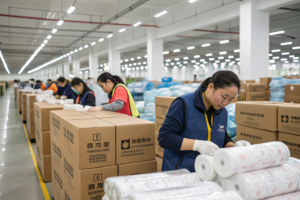
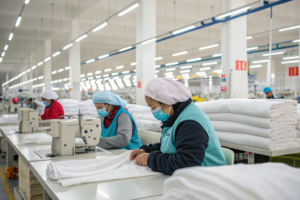
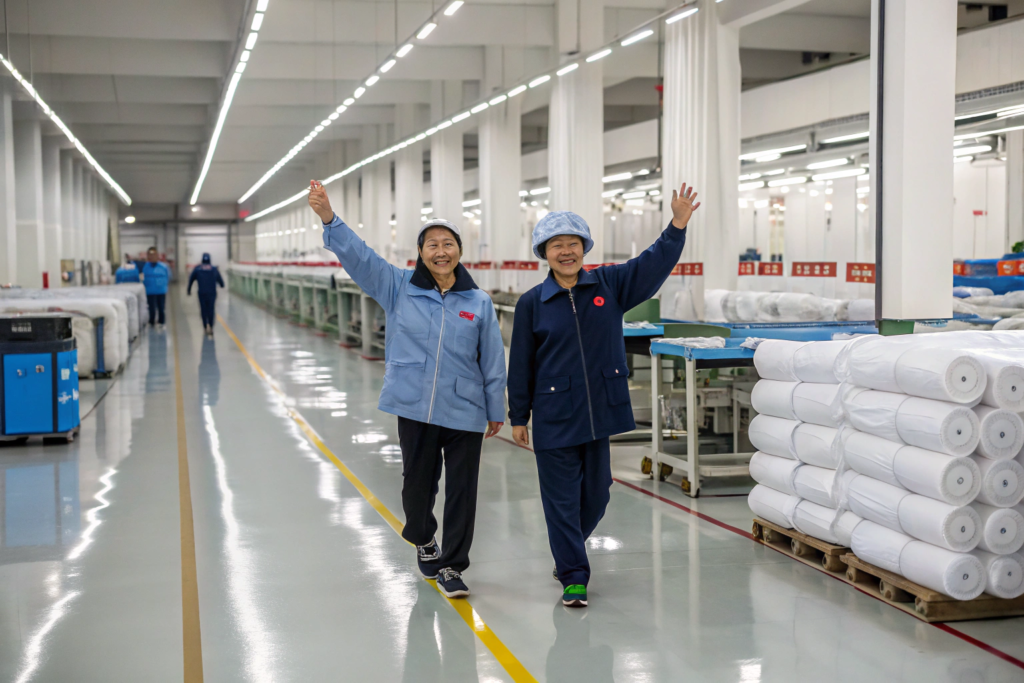
Factory visits are supposed to be the ultimate verification tool. But here's the uncomfortable truth—factories that want to hide things have gotten very good at it. I've hosted dozens of buyer visits over the years, and I've seen the "showroom factory" strategy up close. You walk in, see spotless floors, happy workers waving, and leave feeling great. But what you didn't see matters more than what you did.
A real verification visit requires two things: surprise and curiosity. The best visits are unannounced. I tell clients, "Don't tell us you're coming. Just show up on a Tuesday morning and ask to see everything." The factories that object to this are the ones hiding something. Legitimate mills, including Shanghai Fumao, welcome surprise visits because we have nothing to hide. We had a German client fly in, go straight from the airport to our facility unannounced, and spend four hours walking every corner. They found our fire extinguisher inspection logs out of date by three days. We fixed it immediately, and they respected us more for the transparency.
What specific areas should you inspect beyond the production floor?
The production floor is the stage, but the real story lives backstage. When you visit, ask to see four specific places: the worker dormitories, the canteen, the bathroom facilities, and the HR office with personnel files.
Worker housing tells you everything. In 2018, I accompanied a US buyer to inspect a potential printing factory. The production floor looked modern and clean. Then we asked to see the dormitory. Eight workers crammed into a small room, mold on the walls, no heating in winter. The buyer walked out and never placed an order. At our own facility, we house workers in apartments with air conditioning, private bathrooms, and common rooms with televisions. It costs more, but our worker turnover is under 5% annually while the industry average hovers around 15-20%.
Check the canteen during meal time. What are workers eating? Is there variety? Is it free or deducted from wages? Look at the bathrooms—are they clean? Do they have soap and toilet paper? These small details signal whether management views workers as assets or expenses. And spend time in the HR office reviewing factory inspection checklist for social compliance sample personnel files. Check ages, verify that overtime pay is calculated correctly, and look for signed contracts. In one visit, I watched a buyer spot that all contracts were printed on the same date, suggesting they were created just for the audit. That's a red flag.
How do you verify worker treatment when you don't speak the language?
Language barriers are real, and they're often used as shields. I've seen guides translate worker answers selectively, turning complaints into compliments. You need strategies to cut through this.
First, hire an independent translator, not one provided by the factory. We've had buyers bring their own Mandarin-speaking consultants, and while it's uncomfortable at first, it builds trust. Second, ask to speak with workers away from management. In our facility, we have a private room where auditors can interview workers confidentially. We step away completely. If a factory refuses this, walk away.
Third, observe body language and interactions. Watch how supervisors speak to workers. Is it respectful or demeaning? Do workers look tense or relaxed? In 2023, a buyer from Canada spent an hour just sitting in our canteen during lunch, watching how workers interacted. She told me later, "I can't understand a word, but I can see if people are laughing or scared." That simple observation told her more than any document. Use tools like worker interview questions for factory audits that focus on daily life: "When was your last day off? Can you refuse overtime? What happens if you get sick?" The answers, even through translation, reveal patterns.
What environmental compliance issues should US buyers prioritize?
Environmental compliance and social ethics increasingly overlap. A factory that poisons local rivers probably doesn't treat its workers well either. For US buyers, the pressure is mounting. Your customers read reports about textile waste and water pollution, and they're asking hard questions. Ignoring environmental compliance isn't just bad for the planet—it's bad for business.
The priority areas are wastewater treatment, chemical management, and energy use. In Keqiao, environmental enforcement has transformed over the past decade. I remember when small dye houses would dump untreated water at night. That doesn't happen anymore—not because factories grew morals, but because the government installed real-time monitoring systems. Every dyeing machine in our cooperative factory is connected to the local environmental bureau. If chemical oxygen demand levels spike, alarms go off and fines arrive within hours.
How can you verify a factory's wastewater treatment claims?
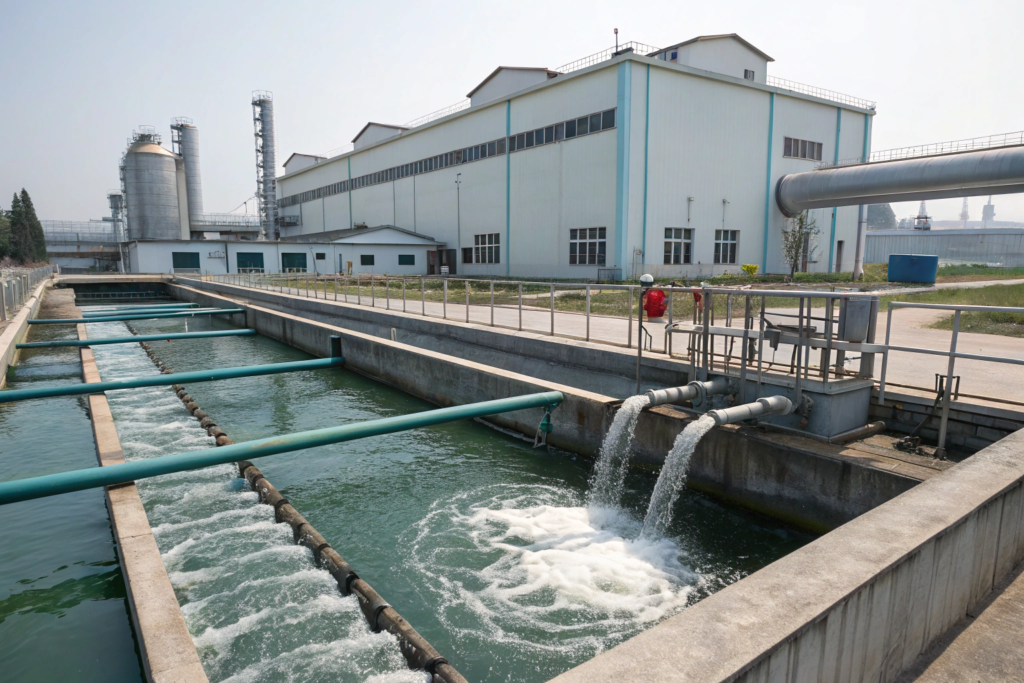
You can't just take their word for it. You need evidence. First, ask for discharge permits and recent test reports from government authorities. In China, these are public records that legitimate factories will share. We keep ours in a binder that any visitor can review.
Second, look for physical evidence. Walk to the back of the facility. Is there a treatment system? Is it running? I once visited a printing factory that claimed full treatment, but their "treatment plant" was just a concrete tank with pipes going nowhere. The real discharge pipe ran underground to a nearby creek. We found it because we walked around the perimeter, not just the showroom.
Third, ask about sludge disposal. Treatment creates solid waste—sludge. Where does it go? Licensed disposal facilities or illegal dumping? In 2021, we helped a client verify a potential supplier by requesting textile factory environmental compliance verification their sludge disposal contracts. The factory couldn't produce them. That told us everything. Now we require all serious partners to document their full waste stream, from water to solids to air emissions.
What chemical restrictions actually matter for fabric exported to the US?
This is where technical knowledge saves you from disaster. The US doesn't have a single unified chemical ban like Europe's REACH, but multiple regulations apply. The most important is CPSIA for children's products, which restricts lead and phthalates. Then there's California Proposition 65, which affects anything sold in California (and practically everything sold in the US ends up there eventually). And various PFAS restrictions are spreading state by state.
Here's what trips up buyers: many Chinese factories test for restricted substances, but they test using outdated methods or incomplete lists. We maintain a restricted substance list (RSL) that we update quarterly based on US and EU regulations. For a major order in 2023, we tested 100% of the fabrics for a US children's wear brand—not just samples. We used our CNAS-accredited lab to screen for 247 different substances. The test reports became part of their marketing. They could tell customers, "Every yard tested safe."
You need to ask suppliers: how to ensure fabric chemical compliance for US import "Do you test to the latest AAFA RSL? Can you provide batch-specific test reports, not just general certificates?" If they hesitate or offer only generic documents, that's a risk you shouldn't take.
How do you audit a supplier's subcontracting practices honestly?
This is the dirty secret of the fabric industry that few buyers uncover. Your "supplier" might weave the fabric, but who dyed it? Who did the printing? Who applied the coating? Subcontracting is everywhere, and it's where compliance disasters hide. I'm not saying subcontracting is bad—we use specialized partners for printing and embroidery ourselves because specialization creates quality. But you need to know who your real supply chain includes.
The honest approach starts with a simple question: "Show me every facility that touches your fabric." Then verify. In 2020, a UK brand discovered that their "compliant" supplier was sending all dyeing to an unlisted facility with known labor violations. The brand's reputation took a hit, and they had no idea because they never asked past the first supplier.
What questions force suppliers to reveal their subcontracting network?
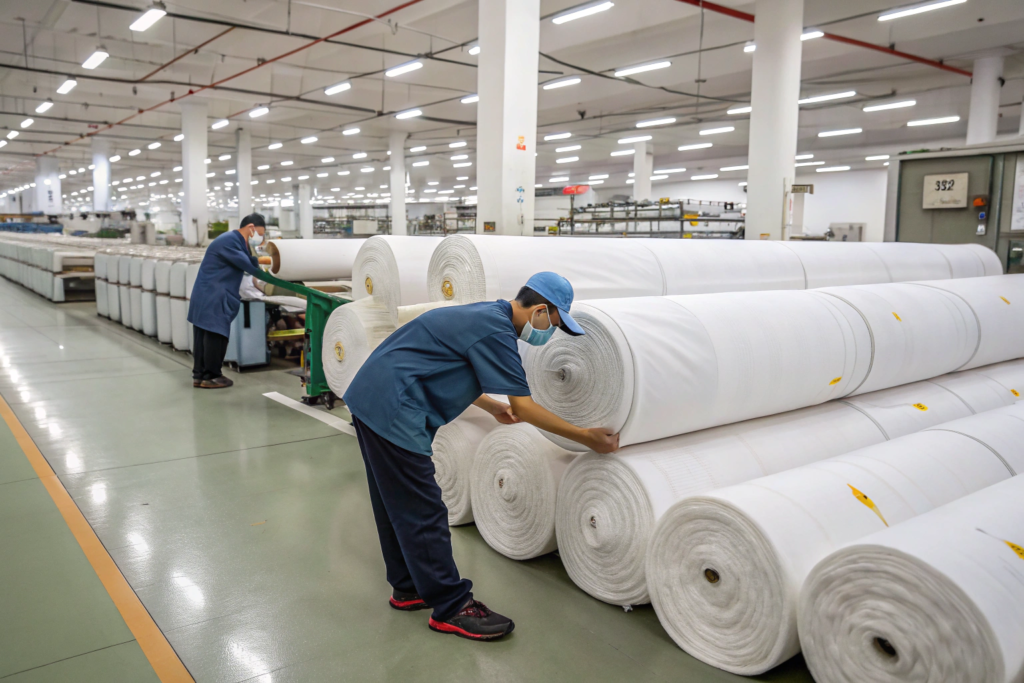
You have to be specific. "Do you use subcontractors?" often gets a "no" even when the answer should be yes. Instead, ask: "Walk me through your production process from yarn to finished fabric. At each step, whose equipment is used? Whose employees handle it? Where is that location?"
For each facility identified, ask for the same compliance documentation you required from the primary supplier. This includes audits, certifications, and proof of environmental permits. When we work with clients who demand full transparency, we provide a complete subcontractor list with contact information and invite them to visit any facility anytime. In 2022, a Japanese client took us up on this and visited three of our partner facilities in one week. They found minor issues at one—a missing fire extinguisher—but overall confirmed our network met their standards.
Another approach is to request supply chain transparency in textile manufacturing batch-level traceability. For each order, ask for dyeing and finishing batch records that show which facility processed which lots. If the supplier can't provide this, they either don't know their own supply chain or they're hiding something. Both are unacceptable.
How can purchase orders and contracts protect your ethical standards?
Paperwork matters. Your purchase orders and contracts should explicitly require compliance with your supplier code of conduct. But here's the key—they must also include the right to audit. We include language in every contract stating that we grant our clients and their designees unrestricted access to our facilities and those of our subcontractors, with or without notice.
Beyond access, include specific prohibitions. Ban child labor explicitly, define maximum working hours, and require payment of legal wages. Also include consequences. If a violation is found, what happens? Remediation plans? Contract termination? Financial penalties? When these terms are in writing from the start, there's no confusion later.
We had a situation in 2021 where a client's auditor found that one of our embroidery partners had failed to pay overtime correctly for three months. Because our contract required compliance and gave audit rights, we were able to work with the partner to repay all affected workers plus interest within two weeks. The client saw our response, not just the problem. Clear purchase order terms for ethical sourcing contract language turned a compliance failure into a trust-building moment.
Conclusion
Verifying a fabric supplier's social compliance and ethics isn't a one-time checkbox. It's an ongoing relationship built on transparency, documentation, and the willingness to look beyond the showroom. You need to combine third-party certifications with your own curiosity, ask uncomfortable questions about subcontractors, and verify environmental claims with physical evidence. The suppliers who welcome this scrutiny are the ones worth partnering with.
At Shanghai Fumao, we've learned that ethical operations aren't just about passing audits—they're about building a business that lasts. Our workers stay with us for years because we treat them fairly. Our environmental investments protect the community where we operate. And our transparency with clients, from SA8000 documentation to open subcontractor lists, turns transactions into partnerships. We don't hide our supply chain because we're proud of it.
If you're tired of wondering whether your fabric supplier matches your values, let's talk. I invite you to contact our Business Director, Elaine, to discuss how we can support your ethical sourcing requirements. Whether you need full supply chain disclosure, unannounced audit access, or specific certifications, we're ready to show you the real story behind our fabrics. Reach Elaine at [elaine@fumaoclothing.com]() to start a conversation about building a responsible supply chain together.