You've found a Chinese supplier with great prices and promising samples. But how can you be sure they're legitimate, financially stable, and capable of delivering your order without costly surprises? In today's complex sourcing landscape, verifying credentials isn't just due diligence—it's your primary defense against fraud, quality disasters, and supply chain breakdowns. Many buyers learn this lesson the hard way after losing deposits or receiving substandard goods. The truth is, a slick Alibaba profile and fast email responses are no guarantee of reliability. Let's cut through the noise and establish a verification framework that actually works.
Verifying a Chinese garment supplier requires a multi-layered approach that combines official documentation checks, digital verification tools, physical audits, and strategic due diligence into their operational and financial health. You must look beyond surface-level certificates and actively investigate their business license, export history, production capacity, quality control systems, and real-world reputation. A legitimate supplier will have transparent, verifiable information across all these areas and will willingly cooperate with your verification process.
Think of supplier verification as building a mosaic. Each piece of evidence—a valid business license, a factory audit video, a clean bank reference—adds to the complete picture of reliability. For a US or European brand, skipping any of these steps significantly increases your risk. The following guide breaks down this process into actionable steps, combining official checks with practical, on-the-ground verification tactics we see used by the most successful global buyers.
What Official Documents Must You Examine?
The foundation of any verification starts with legally binding documents issued by Chinese authorities. These are non-negotiable starting points that confirm the supplier's legal right to operate and export.
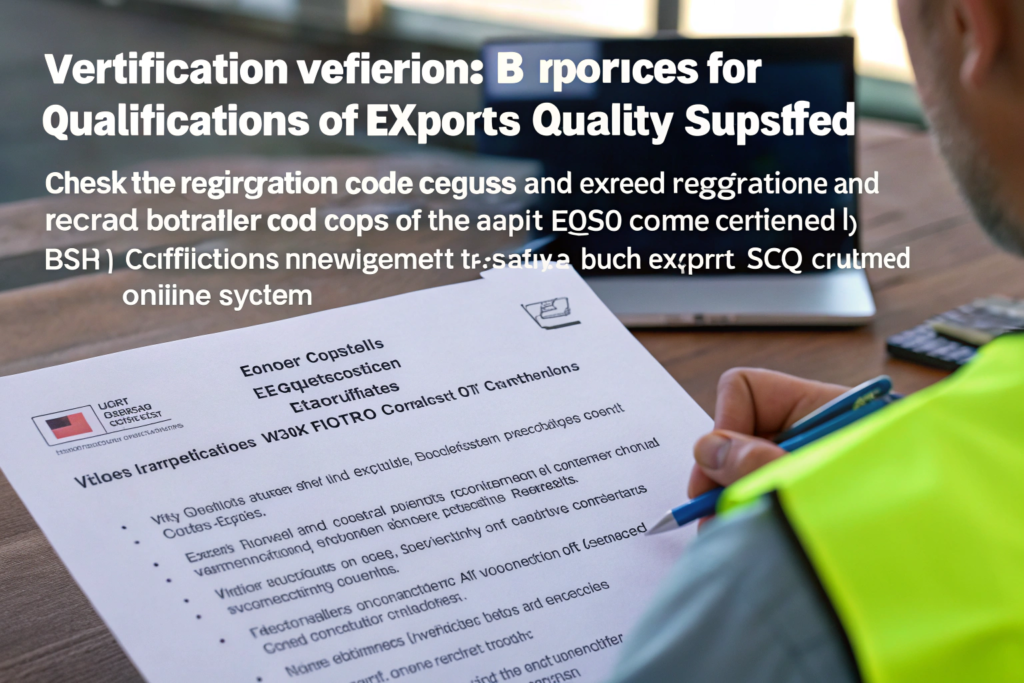
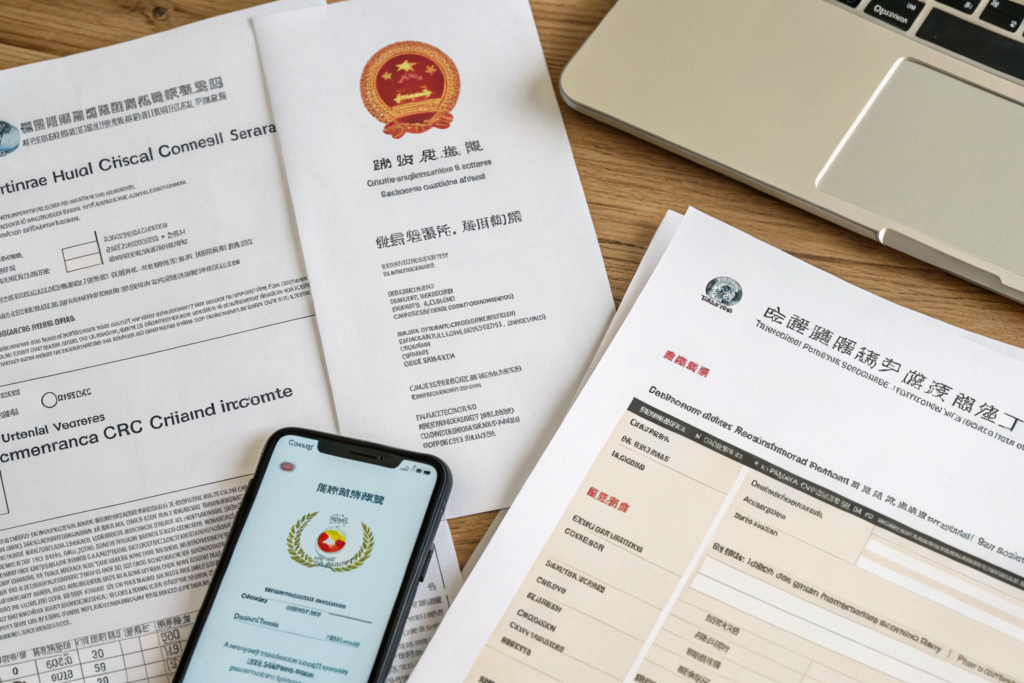
The single most important document is the Business License . A genuine license, verified through official channels, confirms the company's legal existence, registered capital, scope of business, and address. You must obtain a clear copy and cross-check its Unified Social Credit Code on China's official National Enterprise Credit Information Publicity System website. This check reveals if the company is in good standing, has any administrative penalties, or if its registered scope actually includes "garment production" or "textile export." I've seen cases where a trading company's license only permitted "textile wholesale," not manufacturing, which became a major issue when production problems arose.
Next, verify their Export Qualification. A legitimate exporter should have a record with China Customs. While you can't access their full history directly, you can request their Customs Registration Code and ask for redacted copies of past Customs Declarations for reference. This proves they have actual export experience. Additionally, check for certificates like the ISO 9001 Quality Management System certificate. However, don't just look at the certificate; verify its authenticity by checking the issuing body's accreditation and the certificate number online. For garment suppliers, certifications like BSCI (Business Social Compliance Initiative) or WRAP (Worldwide Responsible Accredited Production) are strong indicators of structured social and operational compliance, but they require verification with the auditing bodies.
How do you verify a factory's actual production capacity?
Official documents won't show this. You must request a Factory Audit Report from a recognized third party (e.g., SGS, BV, Intertek) conducted within the last 12-18 months. This report details production lines, worker count, machinery, and QC processes. If they don't have one, offer to commission one—a legitimate factory will agree, though they may ask to share the cost. For a mid-sized order in 2023, a client of ours was comparing two suppliers. One provided a recent SGS report showing 8 production lines and a dedicated QC team; the other offered excuses. The choice was clear, and the client avoided a bottleneck that would have delayed their launch by two months.
What does the Registered Capital on the Business License really tell you?
Registered capital indicates the company's declared investment, but since China's law reform, it's no longer a fully paid-up guarantee of financial strength. However, it still signals intent and scale. A company registered with 50,000 RMB is likely a very small operation or trader, while one with 10,000,000 RMB suggests more substantial infrastructure. The key is to cross-reference this with other evidence of scale, like factory size and machinery. It's one piece of the puzzle, not the final answer. For deeper insight into financial health indicators for Chinese manufacturers, combining this with bank references and supplier reports is essential.
How Can Digital Tools and On-Site Checks Uncover the Truth?
In the digital age, a supplier's online footprint and willingness to be scrutinized in real-time are powerful authenticity indicators. Combine digital sleuthing with virtual or physical on-site verification to move beyond paper.
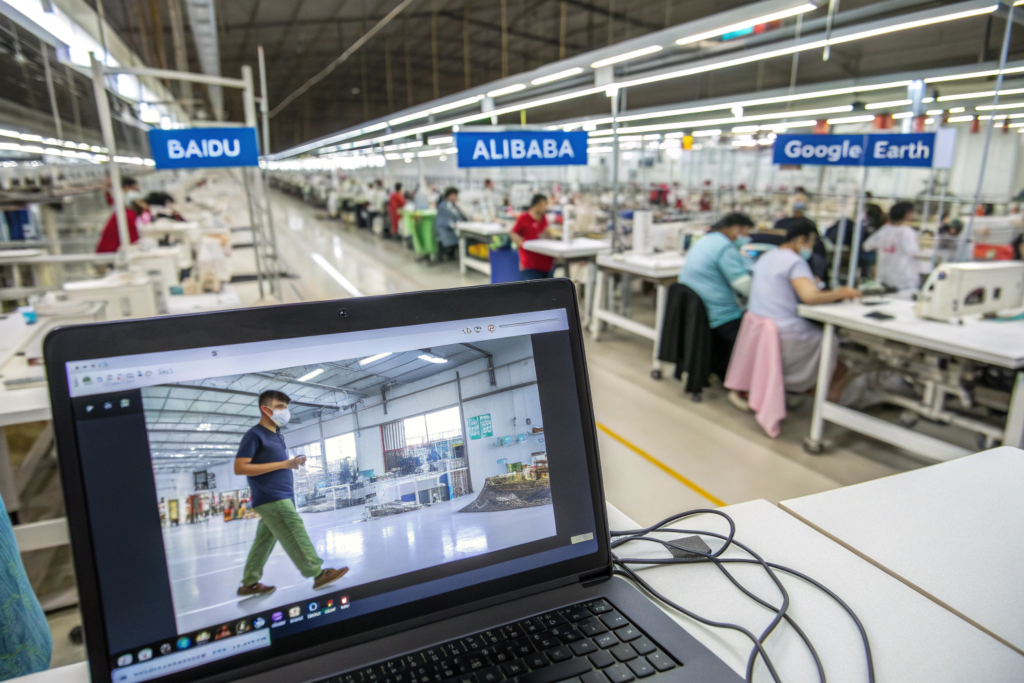
Start with a deep dive into their digital presence. Search their company name in English and Chinese (using the characters from their Business License) on Baidu (China's Google). Look for news, complaints, or forum discussions. Check their Alibaba, Made-in-China, or Global Sources storefronts. How long have they been a member? What's their transaction history and response rate? Be wary of suppliers with very few reviews or all reviews posted within a short, recent timeframe. Use Google Earth to view their registered factory address—does the building and surroundings match a manufacturing facility?
Then, insist on a live video audit. This is a game-changer. Don't accept pre-recorded videos. Schedule a video call and ask them to walk you through the factory floor, warehouse, cutting room, and QC area in real-time. Ask to see specific machinery relevant to your order (e.g., "Can you show me your four-needle coverstitch machines for activewear?"). Observe the workers: are they actively producing consistent goods, or does it look staged? A genuine factory like ours at Shanghai Fumao conducts these walks routinely. During one such walk for a potential client from Germany, we showed them our new low-tension fabric inspection machines, which directly addressed their concern about knitting defects, and secured the order on the spot.
What are the red flags during a virtual factory tour?
Major red flags include refusal to do a live tour, only showing empty workshops or a few idle machines, an inability to answer specific technical questions about processes, and workers who seem to be "acting" rather than working naturally. Also, if the exterior signage from the Google Earth street view doesn't match the company name, be extremely cautious. Another tactic is to ask them to show you date-specific items during the tour, like a current newspaper or a computer screen with the day's date, to confirm the footage is live. This level of verification is crucial before discussing secure payment terms for first-time orders with Chinese suppliers.
How do you verify their claimed client portfolio and past work?
Ask for specific, verifiable evidence. Request contact information (with prior approval) for two existing international clients. A credible supplier will have clients willing to provide references. Alternatively, ask for detailed case studies: photos of production runs, copies of commercial invoices (with amounts blurred), or shipping documents for past orders similar to yours. We provide clients with anonymized packing lists and container loading photos from past shipments for brands of similar tier. This demonstrates not just capability, but also experience in handling the logistics of garment shipping from China to the UK or EU, which is a complex part of the process.
Why Is Financial and Operational Due Diligence Critical?
A supplier can have a great factory but fail due to cash flow problems, poor management, or overextension. Verifying operational and financial stability protects you from delays and default after you've placed your deposit.
Begin by analyzing their production and supply chain resilience. Ask detailed questions: "Where do you source your fabrics and trims? Are they from long-term partners?" A factory that controls its fabric supply, like we do at Shanghai Fumao, has a significant advantage in quality consistency and timeline management. Ask about their average order capacity and lead times. If they promise everything and anything unrealistically fast, it's a warning sign. Inquire about their policy during peak seasons (Mar-May, Aug-Oct) and the Chinese New Year shutdown. A professional supplier will have a clear plan, like we do, which includes advising clients to complete pre-production 6 weeks before CNY to ensure a smooth restart.
Request a Supplier's Bank Reference Letter. This is a formal letter from their bank, on bank letterhead, confirming the length of their banking relationship and their general creditworthiness. While not a detailed financial statement, it's a strong signal of stability. For larger orders, you can also purchase a company credit report from agencies like Dun & Bradstreet or Sinotrust. These reports provide insights into legal disputes, ownership, and financial risk ratings.
How can you assess their quality control system operationally?
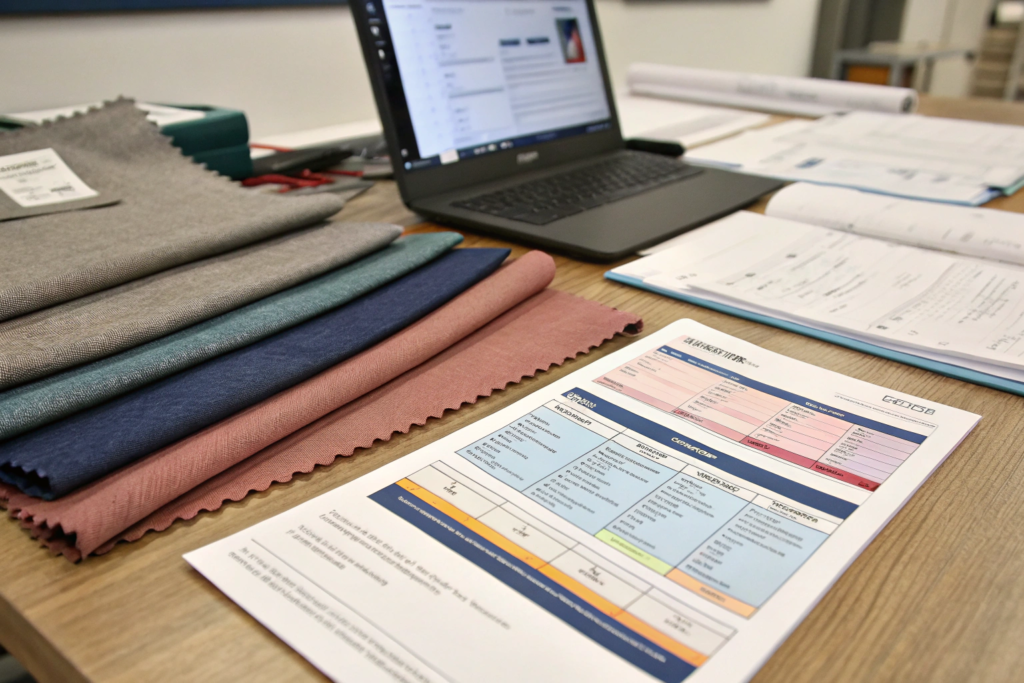
Ask for their QC protocol documentation. A serious supplier will have written procedures for incoming material inspection (IFAI), in-process inspection (IPI), and final random inspection (FRI). Ask about their AQL (Acceptable Quality Level) standard and who conducts the inspections. Do they have in-house QC staff? Can you hire a third-party inspector for preshipment? Their answers should be immediate and detailed. For example, we share a flowchart of our 7-point inspection system with clients, showing them exactly where checks happen from yarn to carton. This operational transparency was key to winning a contract with a Danish brand that had previously suffered from inconsistent quality.
What questions reveal management professionalism and communication style?
Gauge this through your interactions. Do they answer questions directly and technically, or vaguely and with sales fluff? When discussing problems, do they propose solutions? A telling question is: "Can you walk me through how you handled a major production delay or quality issue in the past?" Their answer will reveal problem-solving capacity, honesty, and commitment to client relationships. A supplier's ability to communicate clearly about challenges is often more valuable than a promise of a perfect, problem-free process. Understanding effective communication strategies with Chinese manufacturing partners turns due diligence into relationship building.
What Are the Final Verification Steps Before Contract Signing?
Before you sign a contract or wire a deposit, a few final, concrete steps can solidify your confidence and set clear expectations for the partnership.
First, conduct a small trial order (if feasible). This is the ultimate test of their capability, communication, and quality. The order should be large enough to require full production planning but small enough to limit your risk. Use this order to test every part of the process: sampling, communication, production timeline adherence, quality of the final product, and export documentation accuracy. The real cost and value of a comprehensive fabric testing service for importers becomes apparent at this stage.
Second, draft a detailed, legally-binding Proforma Invoice (PI) or Contract. This document itself acts as a verification tool. A professional supplier will meticulously review and negotiate terms related to specifications, payment, Incoterms, liability, and quality disputes. Their willingness to engage seriously in this legal process is a positive sign. Ensure the company name and details on the contract exactly match those on their verified Business License.
Finally, verify the individuals you are dealing with. Use LinkedIn to check the profiles of your sales and management contacts. In China, professional platforms like WeChat are also telling—a well-established professional will often have a WeChat Moments history that reflects industry activity. A sudden change in your primary contact after negotiation but before payment can be a red flag.
How do you use a trial order to vet logistics and documentation?
Deliberately choose a slightly complex logistic requirement for your trial order, such as shipping via a specific port or requiring a detailed packing list. Assess how smoothly they handle the booking, commercial invoice, packing list, and certificate of origin. Errors or delays here can foreshadow bigger problems with larger shipments. A reliable partner will have experienced shipping department, often visible in their organization chart for a Chinese garment factory, which shows dedicated logistics and documentation roles.
What should the final contract include to protect you?
Beyond standard terms, include clauses that mandate transparency: the right for you or a third-party to conduct unannounced audits (with reasonable notice), clear definitions of quality based on approved samples and tech packs, and a detailed protocol for handling defective goods. Specify the governing law and dispute resolution mechanism (e.g., arbitration in a neutral location). A supplier confident in their operations will not balk at these terms. Our standard contract at Shanghai Fumao includes these protections because we operate with nothing to hide, establishing a foundation for a long-term, transparent partnership.
Conclusion
Verifying a Chinese garment supplier's credentials is a systematic process that moves from checking official documents to assessing digital footprints, conducting operational due diligence, and finalizing with trial orders and strong contracts. There is no single "silver bullet," but rather a cumulative building of evidence that separates legitimate, capable partners from risky ones. This investment of time and resources upfront is your most effective insurance against the far greater costs of production failure, financial loss, and brand damage.
The most reliable suppliers welcome this scrutiny because they have nothing to hide and everything to gain from a transparent, trusting relationship. They understand that your success is their success. At Shanghai Fumao, our doors—both physical and digital—are open to this level of verification because our two decades of operation are built on this foundation of proven credibility and performance.
Ready to partner with a supplier whose credentials are built for verification and whose operations are designed for transparency? Let us demonstrate our commitment to reliability from the first document check to the final shipment. Contact our Business Director, Elaine, to begin a thorough and open verification process. She can provide all necessary documentation and arrange a live virtual tour of our facilities. Start your next project with confidence: elaine@fumaoclothing.com.