You find a supplier on Alibaba. Their profile looks good. Nice photos. Good reviews. You send an inquiry. They respond quickly. The price seems fair. But something feels off. You can’t put your finger on it.
I’ve been there. I’ve been the supplier on the other end of those inquiries. And I’ve also been the buyer, sourcing raw materials for our own production. I know the feeling of uncertainty. Is this company real? Do they have the experience they claim? Will they deliver on time?
Over the past 20 years at Shanghai Fumao, I’ve learned that Alibaba is just the starting point. The real vetting happens elsewhere. And one of the most underrated tools for vetting suppliers is LinkedIn.
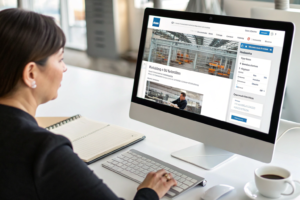
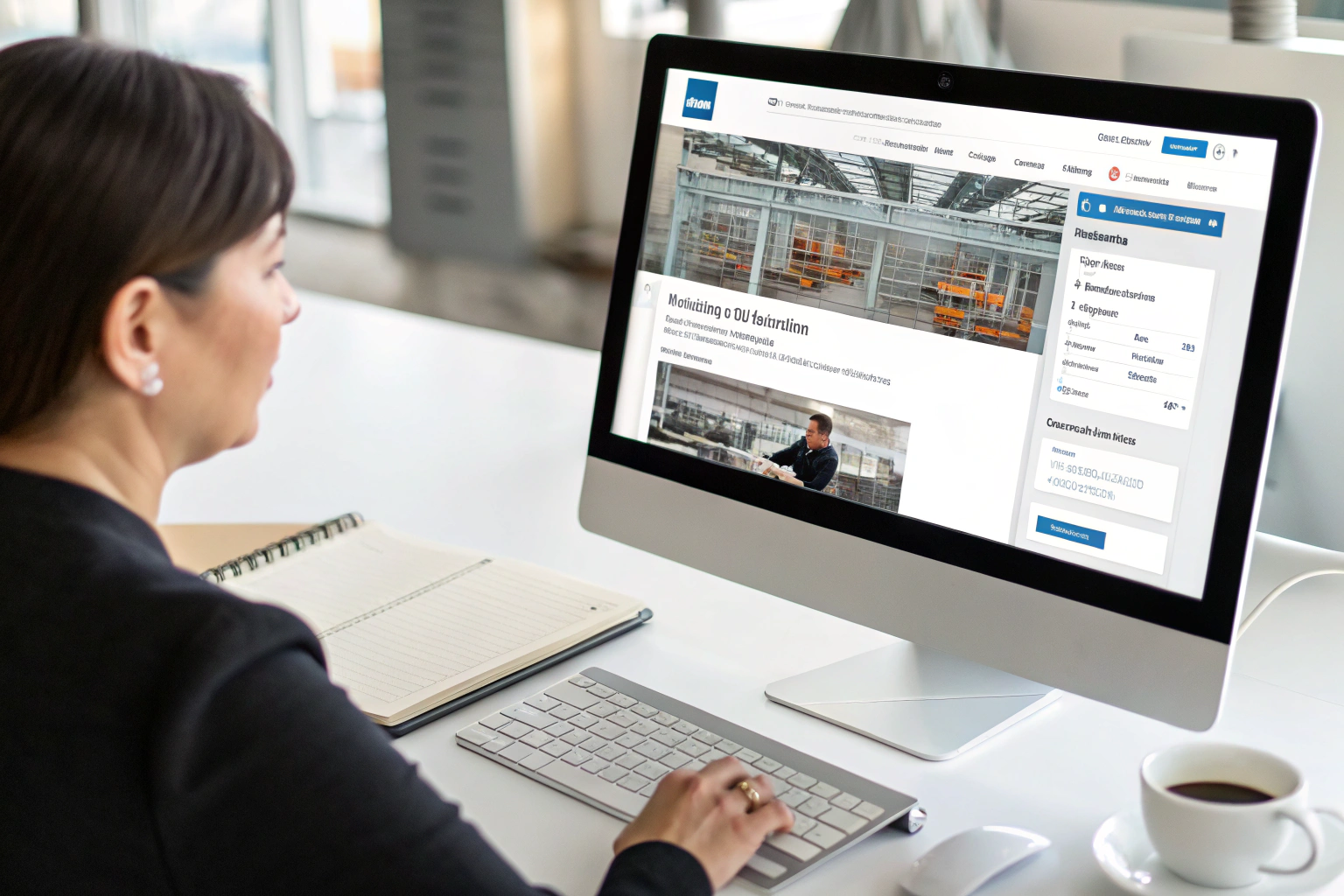
Most buyers don’t think of LinkedIn when sourcing fabric from China. They think of trade shows and B2B platforms. But LinkedIn gives you something those platforms don’t: transparency. You can see the people behind the company. You can see their career history. You can see who they’re connected to. You can see what their employees say about them.
Let me walk you through exactly how to use LinkedIn to vet potential fabric suppliers effectively. I’ll share the red flags to look for, the green flags to confirm, and the specific steps you can take to separate the real suppliers from the middlemen.
What Should You Look for on a Supplier’s Company LinkedIn Page?
The company page is your first stop. It tells you how the supplier presents themselves to the professional world. A real factory will have a different presence than a trading company.
How Old Is the Company Page and How Active Is It?
Look at when the company page was created. LinkedIn has been around for years. A real, established supplier should have a page that’s at least a few years old. A page created last week is a red flag.
Also look at activity. Does the company post updates? Do they share photos of their factory, their team, their projects? A real company uses LinkedIn to recruit, to market, to share news. A fake company or a shell company often has an empty page.
In 2023, a client from the UK was vetting a potential supplier from China. The supplier had an Alibaba page with good photos. But when my client looked at their LinkedIn company page, it was created two months ago. No posts. No employees listed. No activity. My client asked for a factory visit. The supplier made excuses. My client walked away. Later, they found out the supplier was a trading company with no factory of their own.
At Shanghai Fumao, our LinkedIn company page has been active since 2015. We post regularly about our production lines, our certifications, our team. You can see our factory. You can see our people. You can see that we’re real.
How Many Employees Are Listed and What Are Their Roles?
LinkedIn shows you how many employees from the company have LinkedIn profiles. More importantly, it shows you their roles.
A real fabric manufacturer should have employees in production roles. Production managers. Quality control specialists. Logistics coordinators. Not just salespeople.
If a company claims to have a factory but every employee on LinkedIn is in sales, that’s a red flag. Where are the production people? Where are the technicians? Where are the quality managers?
In 2022, a client from Canada was vetting a supplier who claimed to own a large weaving factory. The LinkedIn company page showed 15 employees. All of them were sales or marketing. None were production. My client asked for a video call with the factory manager. The supplier couldn’t produce one. My client found another supplier.
When you look at our Shanghai Fumao LinkedIn page, you’ll see our team. You’ll see our Business Director Elaine. You’ll see our production supervisors. You’ll see our quality control leads. You’ll see real people with real textile experience.
What Do the Company’s Posts and Articles Reveal?
Look at what the company posts. Do they share technical content? Articles about fabric construction? Updates about new machinery? Certifications they’ve achieved?
A real supplier with real expertise shares real content. They’re not just posting “We are the best fabric supplier.” They’re posting about specific challenges, specific solutions, specific industry topics.
A client from Australia told me in 2023, “I found a supplier on Alibaba. Their LinkedIn page was full of generic motivational quotes and reposted industry news. Nothing original. Nothing specific to their factory. I got a bad feeling. I kept looking.”
On our LinkedIn page, we share our own content. We write about production planning. We share photos from our factory floor. We post about our lab testing. We’re not hiding. We’re showing.
How Do You Vet Individual Employees on LinkedIn?
The company page gives you the overview. The individual employee profiles give you the details. This is where you can verify that the people you’re talking to actually have the experience they claim.
What Should the Salesperson’s Profile Look Like?
The person you’re emailing with—the sales manager or account executive—should have a LinkedIn profile that matches their story.
Look at their work history. Have they been in the textile industry for a while? Have they worked at this company for more than a year? High turnover in sales is a red flag. It suggests the company has problems retaining good people.
Look at their connections. Are they connected to other people in the textile industry? Other suppliers? Logistics providers? Industry groups? A real textile professional has a real textile network.
Look at their recommendations. Do former colleagues or clients recommend them? Real recommendations are specific. “John helped us navigate a complex jacquard order and delivered on time despite a tight deadline.” Generic recommendations like “John is a nice person” don’t mean much.
In 2023, a client from the US was talking to a salesperson who claimed 10 years of textile experience. The client looked at the salesperson’s LinkedIn. The profile showed 2 years at a trading company, then 1 year at an e-commerce company, then 6 months at the current supplier. No textile education. No textile certifications. The client asked more questions. The salesperson couldn’t answer technical questions about yarn counts or fabric finishing. The client found another supplier.
At Shanghai Fumao, our sales team has deep textile backgrounds. You can see their work history on LinkedIn. You can see their connections to other industry professionals. You can see that they know what they’re talking about.
What About the Production and Quality Managers?
If you’re placing a large or complex order, you should know who’s managing production and quality. Ask for the names of the production manager and quality control manager. Then look them up on LinkedIn.
A real production manager at a fabric factory should have a profile that shows years of experience in textile production. They should have connections to other production professionals. They might have certifications in lean manufacturing or quality management.
In 2022, a client from Germany asked to speak directly with our quality control manager before placing a large order. We introduced him to our QC lead via video call. He then looked up our QC lead on LinkedIn and saw 15 years of experience in textile testing. That gave him confidence. He placed the order. It shipped on time. He’s now a regular client.
If a supplier won’t tell you the names of their production or quality people, or if those people don’t exist on LinkedIn, that’s a red flag.
How Can You Use Mutual Connections for Vetting?
LinkedIn’s most powerful feature for vetting is mutual connections. If you have connections in the textile industry—other suppliers, consultants, logistics providers—you can see if they’re connected to your potential supplier.
Then you can ask your mutual connection. “Hey, do you know this company? What’s your experience with them?” A quick message to a mutual connection can save you months of headache.
In 2023, a client from the UK was considering a new supplier. He noticed that his freight forwarder was connected to the supplier’s sales director on LinkedIn. He asked his freight forwarder. The forwarder said, “I’ve shipped for them. They pay their bills on time. Their shipments are usually on schedule. But I’ve heard they’re slow on samples.” That information helped my client set realistic expectations. He still used the supplier, but he built in extra time for sampling.
What Are the Red Flags to Watch For on LinkedIn?
Not every red flag is a dealbreaker. But multiple red flags together should make you pause and investigate further.
Inconsistent or Vague Job Histories
Look at the job histories of the key people you’re dealing with. Do the dates make sense? Are there unexplained gaps? Do the job titles match the claimed experience?
A salesperson who claims 10 years in textiles but whose LinkedIn shows only 4 years is a problem. A production manager who claims to have run a dyeing factory but whose previous job was in real estate is a problem.
In 2021, a client from the US was talking to a supplier who claimed to have been in business for 15 years. The client looked up the owner on LinkedIn. The owner’s profile showed 5 years in textiles and 10 years in an unrelated industry. The client asked about the discrepancy. The owner admitted that the company had changed hands. The client decided to look elsewhere.
No Employee Profiles or Very Few
A company with 100 employees but only 2 on LinkedIn is suspicious. Either their employees don’t use LinkedIn—possible but unlikely for a professional textile company—or the company is hiding something.
A real company encourages its employees to have professional profiles. It’s good for recruiting. It’s good for branding. It’s good for networking.
At Shanghai Fumao, we have over 40 employees. You can find many of us on LinkedIn. Sales. Production. Quality. Logistics. We’re there.
Generic or Stock Photos
Look at the profile photos. Are they real photos or stock images? A salesperson with a perfectly lit, studio-quality photo that looks like a stock image might not be real. A production manager with no photo at all might not exist.
In 2022, a client from Canada reverse-image-searched a supplier’s LinkedIn profile photo. It was a stock photo. The client asked for a video call. The person on the call looked nothing like the photo. The client canceled the relationship.
We use real photos of our real team. You can see our faces. You can see our factory in the background of our photos. We’re not hiding.

No Engagement with the Textile Community
A real textile professional engages with the textile community on LinkedIn. They comment on industry posts. They share articles. They congratulate colleagues on new jobs. They participate in groups.
A profile with no activity—no likes, no comments, no posts—is a profile that might be fake or abandoned.
What Are the Green Flags That Confirm a Supplier Is Legit?
Green flags don’t guarantee a supplier is perfect. But they give you confidence that the supplier is real and professional.
Detailed, Consistent Work Histories
Look for profiles where the work history makes sense. People who have spent years in the textile industry. People who have progressed in their careers—from technician to supervisor to manager. People who have been at the same company for multiple years.
A production manager who has been at the same factory for 8 years is a good sign. It means the factory retains good people. It means the manager knows the equipment, the processes, and the team.
Recommendations from Real Clients or Partners
Look for recommendations from people who seem real. A logistics provider recommending a supplier for on-time shipments. A yarn supplier recommending a weaver for technical expertise. A client recommending a supplier for quality.
Real recommendations are specific. They mention challenges overcome. They mention timelines. They mention results.
In 2023, a client from Australia found a supplier on Alibaba. She then looked up the supplier’s sales director on LinkedIn. The sales director had a recommendation from a client in the UK: “Helped us navigate a complex custom jacquard and delivered in 6 weeks when other suppliers quoted 10.” That specific recommendation gave my client confidence. She placed a trial order. It went well. She’s now a regular client.
Active Engagement with Industry Content
Look for people who engage with textile content. They share articles about new fibers. They comment on posts about sustainability. They congratulate colleagues on certifications.
Active engagement shows that the person is invested in the industry. They’re not just collecting a paycheck. They’re staying current. They’re building a network.
Connection to Other Verifiable Entities
Look for connections that you can verify independently. Is the supplier connected to a well-known yarn supplier? A respected logistics provider? An industry association?
These connections act as a form of social proof. If a supplier is connected to people you trust, that’s a good sign.
How Do You Combine LinkedIn with Other Vetting Methods?
LinkedIn is powerful, but it’s not enough on its own. You need to combine it with other vetting methods to get the full picture.

LinkedIn + Factory Visit (Virtual or In-Person)
LinkedIn tells you about the people. A factory visit tells you about the operations. If you can’t visit in person, ask for a virtual tour via video call.
During the tour, ask to see the people you found on LinkedIn. “Can I say hello to your production manager? I saw his profile on LinkedIn.” A real supplier will be happy to introduce you. A fake supplier will make excuses.
In 2023, a client from the US did a virtual tour of our factory. He asked to see our quality control lead. We walked over to the inspection line and introduced him. He saw the person he had found on LinkedIn. That moment built more trust than any email or document.
LinkedIn + Trade Reference
Use LinkedIn to find mutual connections who can serve as references. Ask your potential supplier for client references. Then check if those references are connected to the supplier on LinkedIn. If they are, you can reach out directly.
“Hi, I see you’ve worked with [Supplier Name]. I’m considering them for a project. Would you be willing to share your experience?”
Most people will answer a polite message from a mutual connection.
LinkedIn + Import Records
Combine LinkedIn data with import records from platforms like ImportGenius or Panjiva. Do the import records match the supplier’s claims? Are they shipping the volumes they claim? To the countries they claim?
A supplier who claims to export to the US but has no US import records is suspicious. A supplier who claims to ship 20 containers per month but has records showing 5 is exaggerating.
Conclusion
Vetting a fabric supplier is one of the most important things you can do to protect your supply chain. A bad supplier costs you time, money, and reputation. A good supplier helps you grow.
LinkedIn won’t give you all the answers. But it will give you clues. It will help you separate the real suppliers from the middlemen. It will help you verify the people behind the company. It will help you find red flags before they become problems.
At Shanghai Fumao, we welcome this kind of scrutiny. Our LinkedIn presence is real because our company is real. Our employees have profiles because they have real careers in textiles. We post about our factory because we’re proud of what we do. We engage with the industry because we’re part of it.
When you vet us on LinkedIn, you’ll find what you’re looking for. A company with history. A team with experience. A network of real connections. And a commitment to transparency.
If you’re ready to start a conversation with a supplier who passes the LinkedIn test, I want you to reach out to our Business Director, Elaine, at elaine@fumaoclothing.com. Connect with her on LinkedIn first. Look at her profile. Look at our company page. Then send her a message.
She’ll answer your questions. She’ll introduce you to our team. She’ll show you our factory. And she’ll help you source the fabric you need.
Don’t trust a supplier just because they have a nice Alibaba page. Dig deeper. Use LinkedIn. And then reach out to us. We’ll be here.