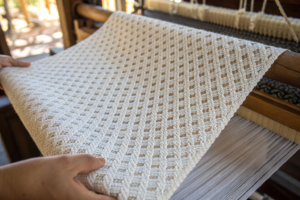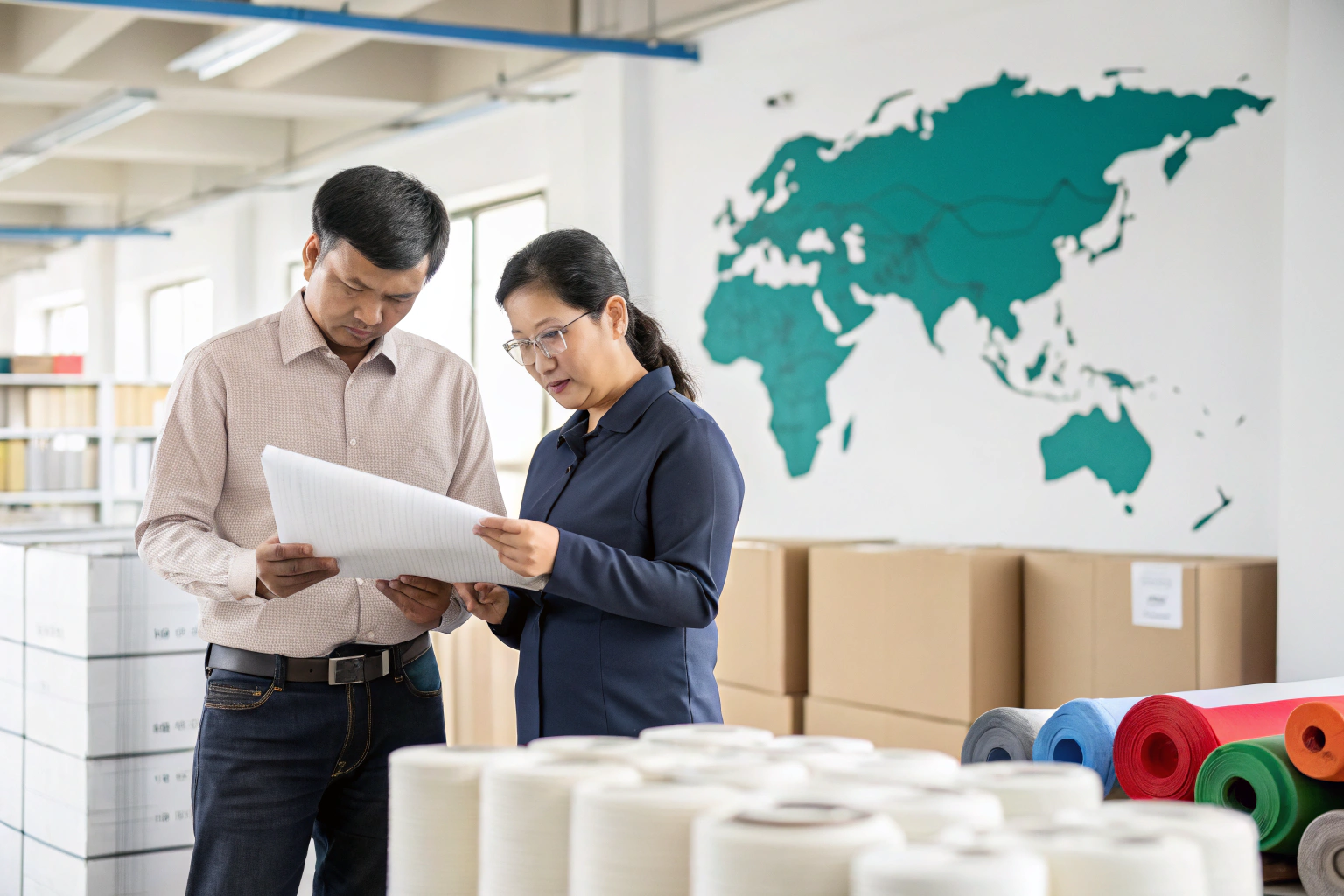
I got a call from a client in London in early 2024. He had been sourcing cotton shirting from India for seven years. His supplier had just informed him that they couldn’t fulfill his next order because of raw material shortages and export restrictions. He had 10,000 meters of fabric to deliver in 12 weeks, and no one to make it. His voice had that edge I’ve heard before—the one that comes when you realize your supply chain just cracked.
I told him to send me his specs. We ran his numbers through our looms. We matched his colors. We delivered the fabric in 10 weeks. He’s been ordering from us ever since.
That story is playing out across the industry. Trade disruptions, raw material volatility, and shifting government policies are pushing buyers to reconsider their sourcing maps. India has been a reliable partner for many brands, but the landscape is changing. China offers stability, scale, and infrastructure that few countries can match. But moving your supply chain from one country to another isn’t just about finding a new supplier. It’s about managing the transition without disrupting your production.
I’ve helped dozens of clients make this shift over the past three years. Some came because their Indian suppliers couldn’t deliver. Others came because they wanted to diversify risk. All of them had the same question: how do I do this without missing my shipping deadlines? Let me walk you through what I’ve learned.
Why Are Brands Moving from India to China Right Now?
When I talk to clients about this shift, the reasons vary. But three themes come up again and again. Understanding these helps you make the right decision for your own supply chain.
What Supply Chain Challenges Are Driving the Shift?
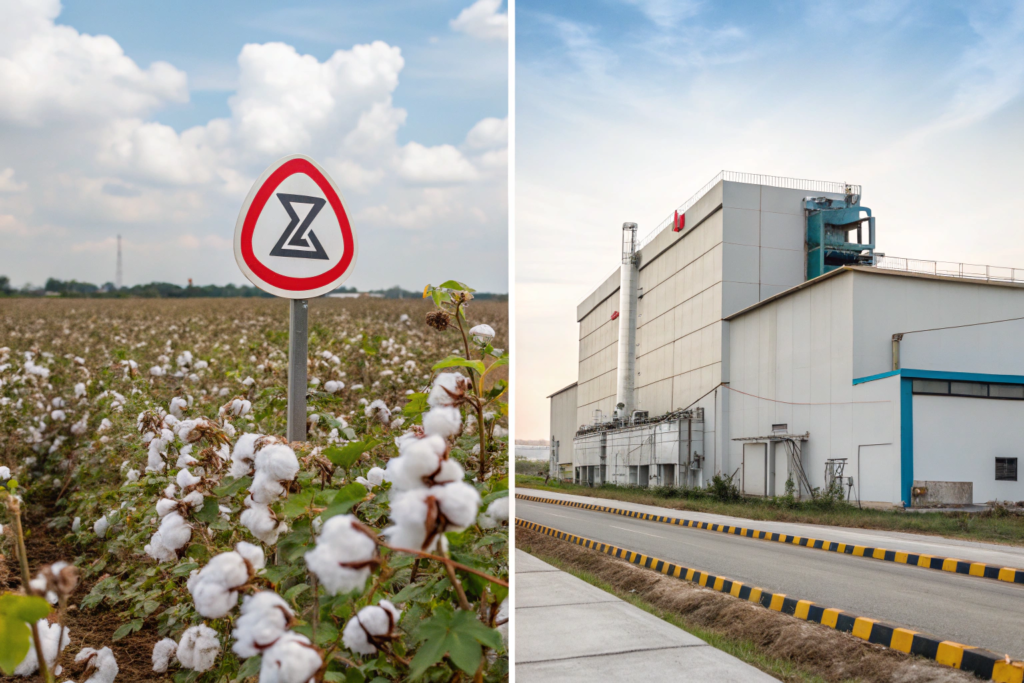
India has been a major textile producer for decades. But recent challenges have made sourcing there unpredictable. I’ve heard the same stories from multiple clients.
Raw material availability is the biggest issue. India’s cotton export restrictions in 2024 and 2025 created shortages for mills that rely on Indian cotton. If your Indian supplier uses Indian cotton, they may not be able to secure enough to fill your order.
Energy instability affects production. Some Indian states have faced power shortages that disrupt mill operations. A client from Germany told me his Indian supplier had to shut down for three weeks in 2025 because of coal shortages. His order was delayed by two months.
Labor availability has become inconsistent. After the pandemic, many textile workers in India returned to their home villages and didn’t come back. Factories are operating with reduced capacity.
In contrast, China’s textile infrastructure is more stable. We have raw material reserves, reliable energy, and a workforce that stays in the industrial centers. When a client needs fabric, we can deliver.
For current analysis of India’s textile export situation, there’s a resource on India’s cotton export policy and its impact on global supply chains . It explains the regulatory landscape.
How Does China’s Infrastructure Compare to India’s?
This is where China has a clear advantage. The textile ecosystem here is unmatched. In Keqiao, where we’re based, you have everything in one place: yarn spinners, weavers, dyers, printers, finishers, and logistics providers all within a few kilometers.
When I work with a client moving from India, the biggest difference they notice is speed. In India, if you need a specific yarn, it might come from a different state. The lead time is longer. Here, we have yarn suppliers in the same industrial park. We can get yarn in days, not weeks.
Port infrastructure is another factor. China’s ports are highly efficient. Shipping from Shanghai to Los Angeles or Rotterdam is routine. The vessels run on schedule. The customs clearance is predictable.
A client from Canada told me after his first shipment from us, “I didn’t realize how much time I was spending chasing logistics until I didn’t have to.” His Indian shipments were constantly delayed at port. Our shipments leave on the booked vessel, every time.
For a comparison of textile infrastructure between China and India, there’s a detailed analysis on how China’s industrial clusters create supply chain advantages . It’s worth reading if you’re evaluating both countries.
How Do You Find the Right Chinese Supplier for Your Transition?
Finding a supplier is the first step. Finding the right supplier is the difference between a smooth transition and a stressful one. I’ve watched clients make mistakes here. Let me help you avoid them.
What Should You Look for in a Chinese Supplier?
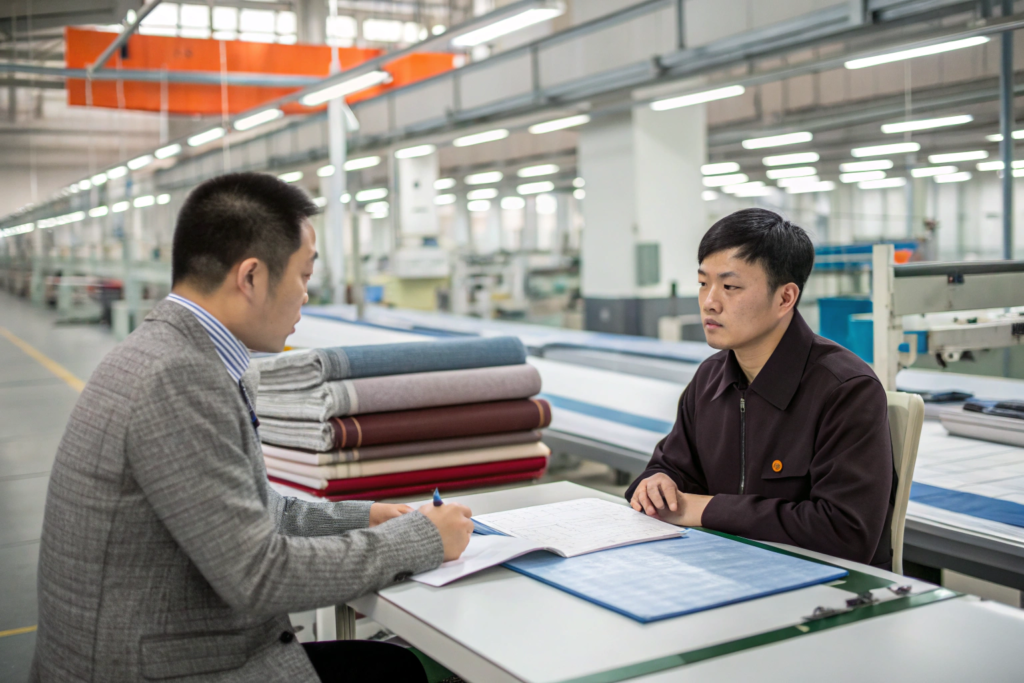
When I talk to clients who are new to sourcing in China, I give them three criteria.
First, vertical integration. A supplier who controls their own weaving, dyeing, and finishing will give you consistent quality. If they outsource any of these steps, you’re adding risk. In 2023, a client from the UK chose a trading company because their price was lower. The trading company outsourced the weaving to one factory and the dyeing to another. The color didn’t match across the order. The client lost 15% of the fabric. We replaced it, but the delay cost him.
Second, English-speaking communication. You don’t need fluent English, but you need a contact who can answer your questions clearly. I’ve seen clients struggle with suppliers where the communication went through three layers of translation. Every email took two days. Every question was misunderstood.
Third, transparency. A good supplier will show you their factory, their test reports, their batch records. If they hesitate to share information, that’s a red flag.
In 2024, a client from the US found us through an online platform. Before placing his first order, he asked to see our dyehouse, our testing lab, and our inspection records. I sent him photos and videos. He called me and said, “You’re the first supplier who actually sent what I asked for.” He placed a $100,000 order on that call.
For a guide to vetting Chinese suppliers, there’s a resource on how to evaluate textile factories in China before placing an order . It includes questions to ask and red flags to watch for.
How Do You Manage the Transition Without Disrupting Production?
This is the hardest part. You can’t just switch suppliers overnight. Your production line needs fabric on a schedule. Here’s how I help clients manage the transition.
Overlap your inventory. For the first 3-6 months, I recommend ordering from both your Indian supplier and your new Chinese supplier. Keep your Indian supplier for the volume you need to maintain production. Use the Chinese supplier to build inventory for the future. When the Chinese supplier has proven reliability, you can phase out the Indian one.
Start with a small test order. Don’t move your entire volume at once. Place a small order—10-20% of your normal volume—with the Chinese supplier. Use that fabric in production. See how it performs. Make sure the quality meets your standards before you commit more.
Build buffer time into your first orders. Assume the first order will take longer than quoted. We’re usually accurate, but new relationships take time to settle. Give yourself an extra 2-3 weeks on the first few orders.
In 2024, a client from Australia followed this approach. She placed a 500-meter test order with us while continuing her regular orders from India. The test order arrived on time and passed her quality inspection. She placed a 2,000-meter order for her next production run. By the third order, she had fully transitioned. She told me the overlap cost her a bit in inventory holding, but it saved her from any production gaps.
What Are the Key Differences in Quality and Compliance?
When you move supply chains, you’re not just moving production. You’re moving into a different regulatory and quality environment. Understanding these differences helps you set the right expectations.
How Do Quality Standards Compare?
India and China both produce high-quality textiles. But the standards are applied differently.
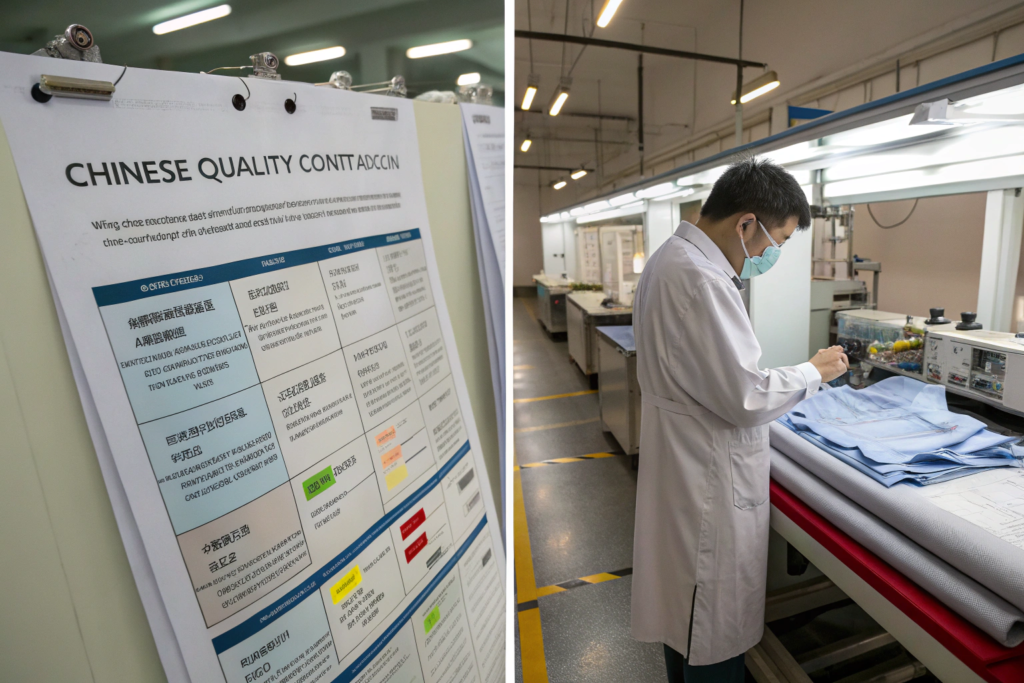
In China, the textile industry is heavily consolidated in industrial clusters. That means mills are used to producing for export. They know the AATCC standards, the ISO standards, the EN standards. Our lab tests to these standards daily.
In India, quality can vary more widely. Some mills are world-class. Others produce for domestic markets where standards are different. A client from Sweden told me his Indian supplier sent fabric that passed his visual inspection but failed his shrinkage test. The mill wasn’t used to testing for export standards.
When you transition to a Chinese supplier, ask for test reports upfront. A good supplier will provide reports for the specific standards you need. At our factory, we test every batch for the standards our clients require. If you need AATCC 61 for colorfastness, we run it. If you need ISO 13934 for tensile strength, we run it.
What Compliance Documentation Should You Expect?
This is where China has a clear advantage. The compliance documentation is standardized and reliable.
For organic fabrics, Chinese mills are accustomed to providing GOTS transaction certificates. The system is established. The documentation is traceable. For recycled fabrics, the GRS certification system is widely adopted.
For US imports, Chinese mills know the CPSC requirements, the FTC labeling rules, and California Proposition 65. We’ve been shipping to the US for decades. The documentation is routine.
When a client from the US transitioned to us in 2023, he asked about Proposition 65 compliance. I sent him our test reports showing that all our fabrics met the requirements. He told me his Indian supplier had never heard of Proposition 65. He had to explain it to them, and they couldn’t provide the testing.
For a guide to compliance documentation from Chinese suppliers, there’s a resource on what certificates you should request from Chinese textile mills . It covers GOTS, OEKO-TEX, GRS, and other common certifications.
How Do You Navigate Logistics and Payment for the First Orders?
The practical details of logistics and payment are where many transitions stumble. Different countries have different banking systems, different freight routes, different customs procedures. Let me walk you through what to expect.
What Shipping Routes Should You Use?
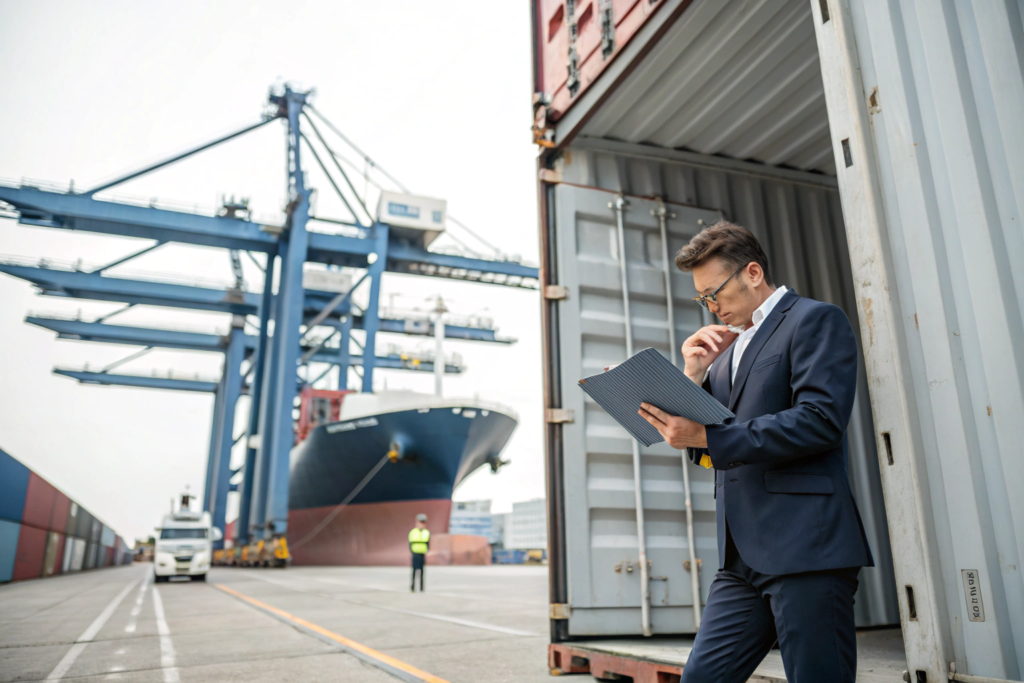
Shipping from China to most markets is well-established. The main routes are:
- Shanghai to Los Angeles/Long Beach: 14-18 days transit
- Shanghai to Rotterdam/Hamburg: 25-30 days transit
- Shanghai to Sydney/Melbourne: 18-22 days transit
In 2024, a client from the UK who had been shipping from India was surprised by the shorter transit times from China. His Indian shipments typically took 30-35 days. Our shipments from Shanghai to Rotterdam took 26 days. He was able to reduce his inventory holding by two weeks.
If you need faster delivery, air freight from Shanghai is reliable. The airport handles a massive volume of textile exports daily. We can ship small batches by air in 3-5 days.
For current shipping schedules, there’s a resource on container shipping routes from China to major global ports . It’s updated regularly with transit times.
How Should You Handle Payment for Initial Orders?
This is where new relationships can be sensitive. Chinese suppliers typically expect payment terms that reflect the relationship. For a new client, we usually ask for a 30-50% deposit and the balance before shipment. For established clients, we offer terms like 30% deposit, 70% against copy of bill of lading.
When you’re transitioning from India, be prepared for different payment expectations. Indian suppliers might offer longer terms. Chinese suppliers typically want payment faster for new relationships. That’s normal.
In 2023, a client from Canada was concerned about paying a deposit to a new Chinese supplier. I suggested we start with a small order where the deposit was manageable. He paid the deposit, we delivered the fabric, he paid the balance. After three successful orders, we moved to more favorable terms. He told me later, “I was nervous at first, but now I realize you’re as invested in the relationship as I am.”
If you’re concerned about payment security, consider using a letter of credit for the first few orders. It adds cost, but it protects both sides. After the relationship is established, you can switch to wire transfers.
For a guide to payment terms with Chinese suppliers, there’s a resource on how to structure payment terms for textile imports from China . It covers common practices and negotiation strategies.
Conclusion
Transitioning your supply chain from India to China is a significant decision. It’s not something you do lightly. But for many brands, it’s becoming the right move. The stability, the infrastructure, the quality consistency—these are the reasons clients come to us and stay with us.
At Shanghai Fumao , we’ve helped dozens of clients make this transition. We understand that you’re not just changing suppliers. You’re changing your entire supply chain rhythm. That’s why we start with small orders, build inventory overlap, and provide the documentation you need to maintain compliance. We don’t expect you to trust us overnight. We earn that trust, order by order.
If you’re considering moving your fabric sourcing from India to China, or if you’re already in the middle of the transition and hitting bumps, let’s talk. My business director, Elaine, has guided many clients through this process. She knows the questions to ask, the pitfalls to avoid, and the timeline to expect. She can help you map out a transition plan that keeps your production running while you build a new, more stable supply chain.
Contact Elaine directly: elaine@fumaoclothing.com
Tell her about your current sourcing situation. Let her show you how a transition to China can be smoother than you think.