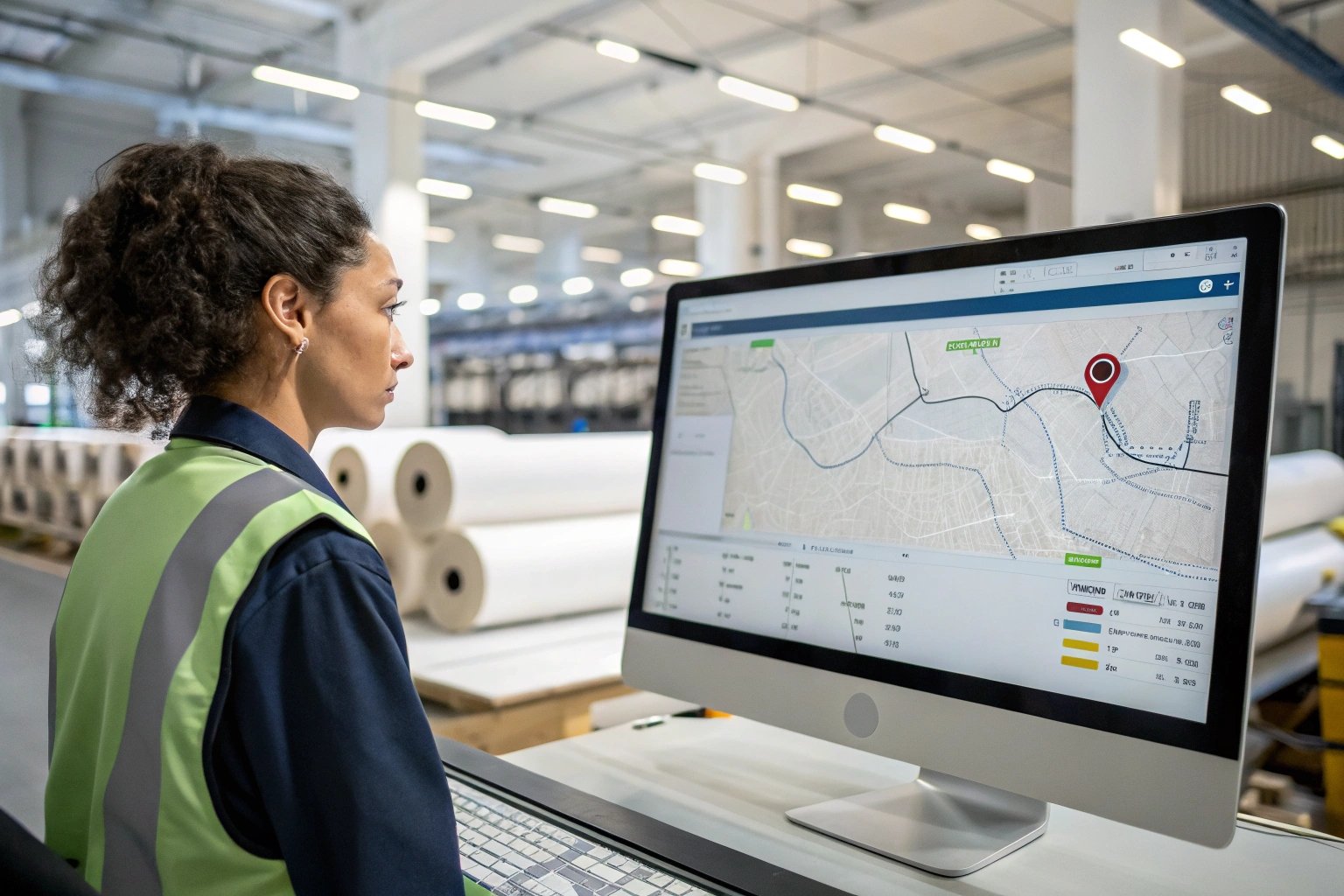
Waiting weeks without updates on your fabric shipment? That’s a nightmare for any fashion brand. Without real-time tracking, delays and miscommunication can easily disrupt your production.
To track fabric shipments in real time from China, buyers can use online logistics platforms, supplier-integrated tracking systems, and global apps like 17TRACK, Cainiao, or Freightos. These tools offer GPS location, carrier updates, and estimated arrival times.
As a fabric manufacturer and exporter, I’ve helped hundreds of overseas clients stay informed using these tools. Real-time updates aren’t just convenient—they’re a game changer.
Best Tools for Real-Time Shipment Tracking from China
Tracking a shipment shouldn’t feel like a guessing game. But without the right tools, it often does.
The best tracking tools include global platforms like 17TRACK and Cainiao, freight-forwarding dashboards like Freightos and Flexport, and direct API integrations offered by major couriers like DHL, UPS, and SF Express.
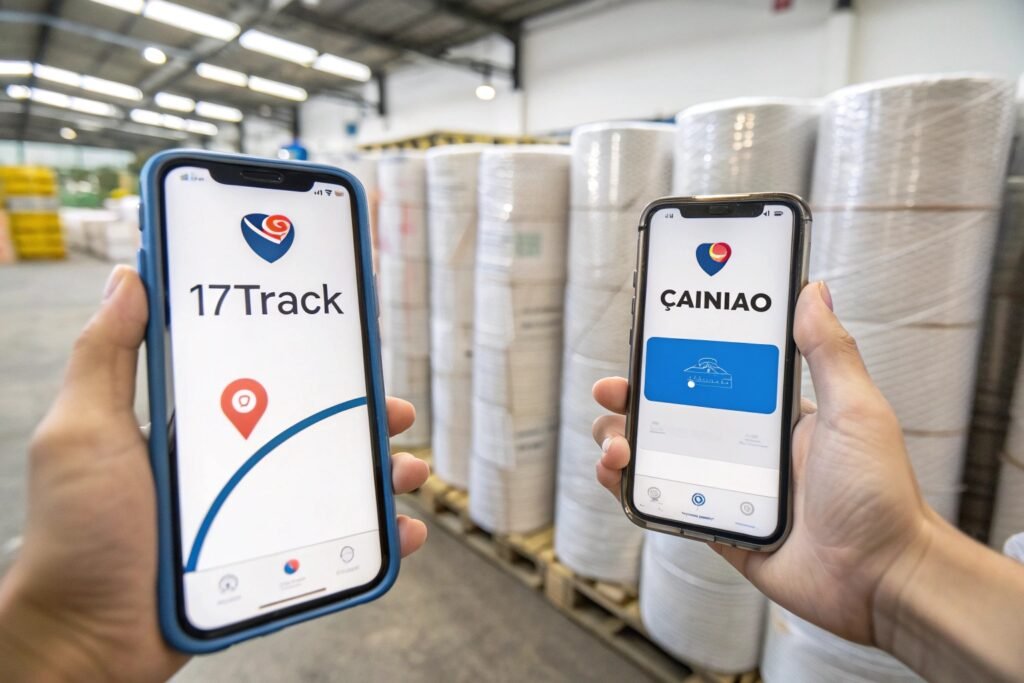
What tracking tools work best for fabric exports?
The choice depends on how your goods are shipped:
| Shipping Mode | Recommended Tracking Tools |
|---|---|
| Courier (DHL, UPS) | DHL Tracking, AfterShip, 17TRACK |
| Air Freight | CargoTracking, Freightos, Flexport |
| Sea Freight | SeaRates, MarineTraffic, MyContainerApp |
| Rail (to EU) | China Railway Express Portal, Shipup |
We usually use 17TRACK for sample orders shipped via EMS or SF Express. It aggregates updates across 800+ couriers, giving instant visibility.
For bulk sea shipments, we recommend MarineTraffic, which uses AIS satellite data to locate containers by vessel name or container ID.
Should I rely on supplier tracking?
You can, but always cross-check with a third-party platform. We’ve seen cases where suppliers provided outdated or wrong tracking numbers. Apps like AfterShip or Flexport let you paste the tracking number and verify real-time movement independently.
How Do Chinese Suppliers Provide Shipment Updates?
Ever heard, “It’s on the way,” but no proof follows? That’s where problems begin.
Professional Chinese suppliers provide shipment updates via tracking numbers, online portals, or integrated supply chain systems. They may use logistics dashboards, WeChat updates, Excel tracking sheets, or ERP platforms.
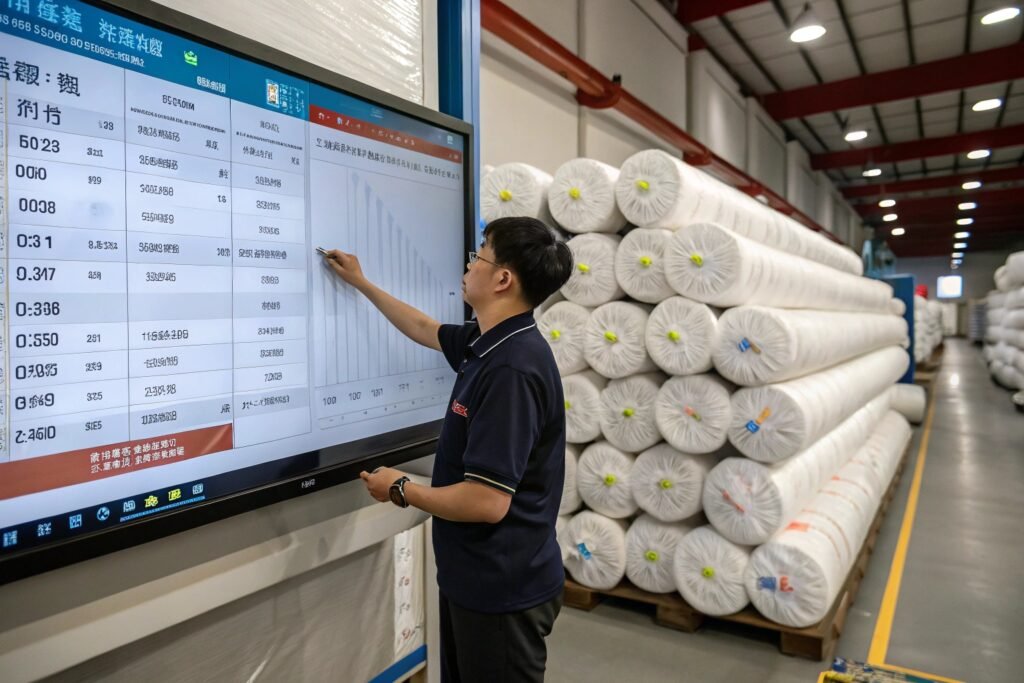
What shipment update methods are most common?
At Fumao, we offer three options depending on client preference:
- Tracking Number with Courier Link: For sample or rush orders
- Google Sheet Dashboard: For multiple SKUs and repeat clients
- ERP-integrated Web Portal: For long-term OEM partners
Most mid-sized Chinese suppliers will email a tracking number along with the invoice and packing list. If you’re sourcing custom fabric rolls or bulk printing, we typically provide updates like:
- Fabric finished and packed
- Passed QC and awaiting booking
- Booking confirmed and container loaded
- Tracking number or B/L number released
- Customs clearance confirmed
- Estimated arrival date
How frequent should updates be?
| Order Type | Update Frequency |
|---|---|
| Sample (<50kg) | Every 2–3 days |
| Bulk Air Freight | At key milestones |
| Bulk Sea Freight | Weekly |
Don’t hesitate to ask your supplier for these details in advance. A reliable exporter will include shipment updates as part of their standard service—not as a favor.
Apps to Track Your Fabric Orders Live?
We’re all glued to our phones. Why not track your textiles there too?
Apps like 17TRACK, Cainiao, Flexport, and SeaRates allow you to track fabric shipments in real time directly from your smartphone. These platforms provide carrier status, port location, and estimated arrival.
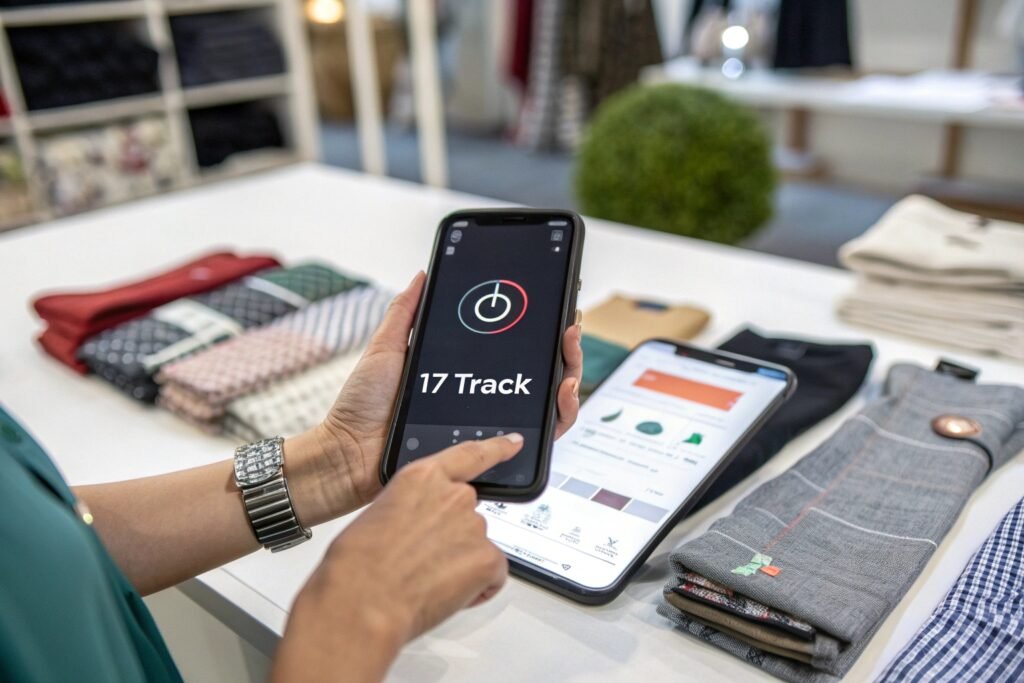
Which apps do I recommend?
| App Name | Best For | Why Use It |
|---|---|---|
| 17TRACK | Small parcel tracking | Multi-carrier, fast updates |
| Cainiao | Alibaba orders | Integrated with AliExpress logistics |
| Flexport | Air & ocean freight | Visual dashboard + status alerts |
| MarineTraffic | Sea freight | Live map of vessel location |
| Shipup | EU rail shipments | Predictive delivery estimates |
One U.S. brand importing modal-cotton fleece used Flexport to view real-time ETAs and port bottlenecks. Their warehouse team got push notifications when customs clearance was delayed in Long Beach.
Are these apps free?
Most offer a free tier, especially for individual tracking. For bulk shipments, paid features include:
- Multi-order dashboards
- Excel export of delivery status
- API integration with your Shopify or ERP
We always recommend our clients add at least one of these tools, even if your freight forwarder offers updates.
Why Real-Time Shipment Tracking Reduces Import Risks?
Importing fabric is already full of uncertainties—why add more?
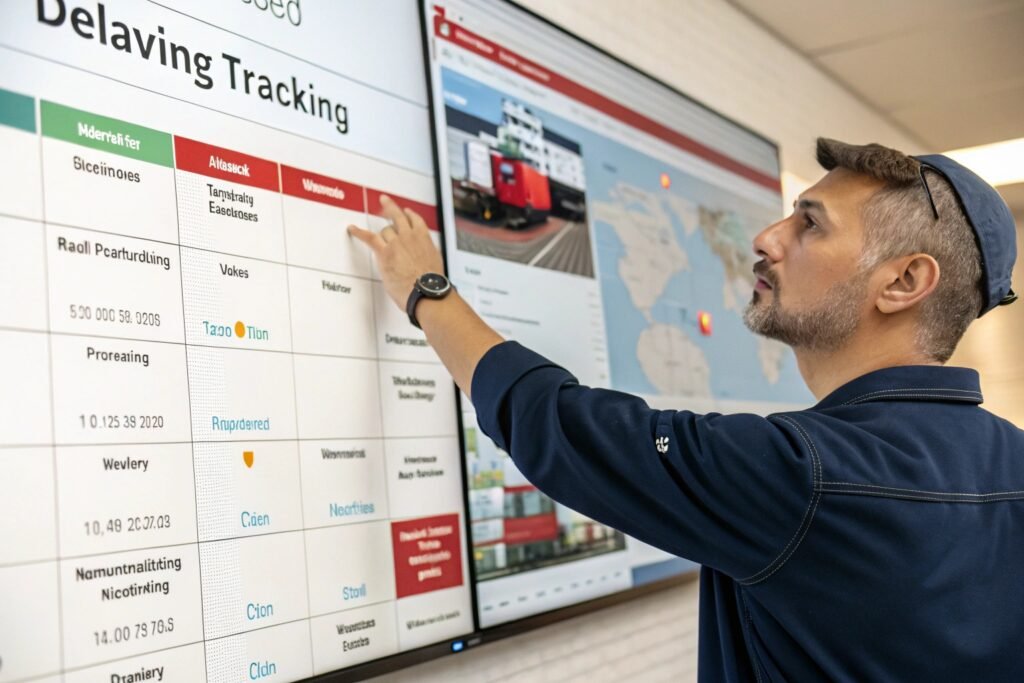
Real-time tracking reduces import risks by identifying delays early, preventing delivery mismatches, improving warehouse planning, and offering documented proof for customs or insurance claims.
What risks can tracking help prevent?
Let’s say your order is delayed by 6 days at a transshipment hub in Singapore. If you rely only on email updates, you might not know until it’s too late. With tracking tools:
- You get alerts the moment delays occur
- You can inform your factory to adjust sewing schedules
- You can pre-book customs brokers to avoid port penalties
- You gain leverage in insurance claims by showing exact delay data
Real case:
One of our clients, a U.S.-based workwear brand, had $38,000 worth of flame-retardant cotton stuck at Shanghai port due to new export declaration rules. With real-time tracking and regular screenshots, they filed an insurance claim and recovered port demurrage costs in full.
| Risk Factor | Real-Time Tracking Benefit |
|---|---|
| Port Congestion | Adjust your delivery plan early |
| Carrier Change | Receive updated route immediately |
| Customs Inspections | Prepare documents in advance |
| Weather Disruptions | Get new ETAs without guessing |
Why it matters?
In today’s world of tight production timelines and limited warehouse space, knowing where your shipment is—down to the hour—can make or break your season. For brands launching capsule collections or seasonal items, delays equal deadstock. Real-time tracking helps prevent that.
Conclusion
If you import fabric from China, don’t wait for surprises. Equip yourself with real-time tracking tools, communicate clearly with your supplier, and choose apps that give visibility at every step. At Fumao, we integrate these solutions into every shipment to keep our clients informed—and in control.