Every season, more brands ask me: "We want real organic cotton from China, but how do we know it's truly certified?" The market is flooded with claims, but genuine, certified organic cotton sourcing requires a strategic approach. It's not just about finding a supplier; it's about building a transparent, verifiable chain from farm to fabric.
Sourcing certified organic cotton fabric from China successfully hinges on three pillars: verifying authentic GOTS (Global Organic Textile Standard) or OCS (Organic Content Standard) certification, partnering with integrated suppliers who control the supply chain, and conducting thorough due diligence including third-party audits. As a manufacturer with over 20 years in Keqiao, we at Shanghai Fumao have seen brands save months of frustration by getting this process right from the start.
The stakes are high. Using uncertified "greenwashed" material can lead to legal challenges, damaged brand reputation, and lost consumer trust. Meanwhile, navigating China's vast textile industry to find truly compliant partners can feel overwhelming. This guide will walk you through the practical steps, insider checks, and critical timelines to secure premium, certified organic cotton fabric for your collection.
Why is GOTS Certification the Gold Standard for Organic Cotton?
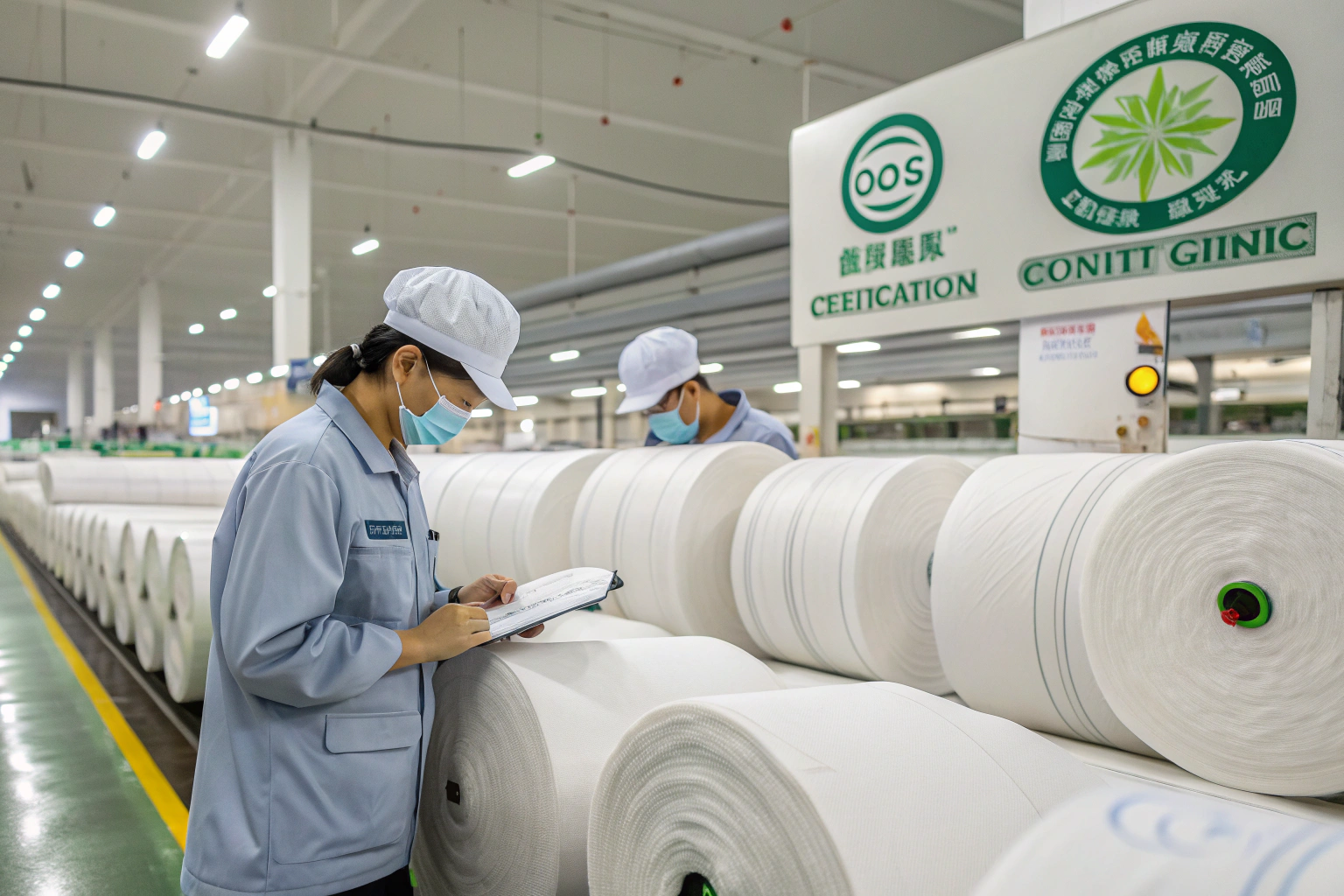
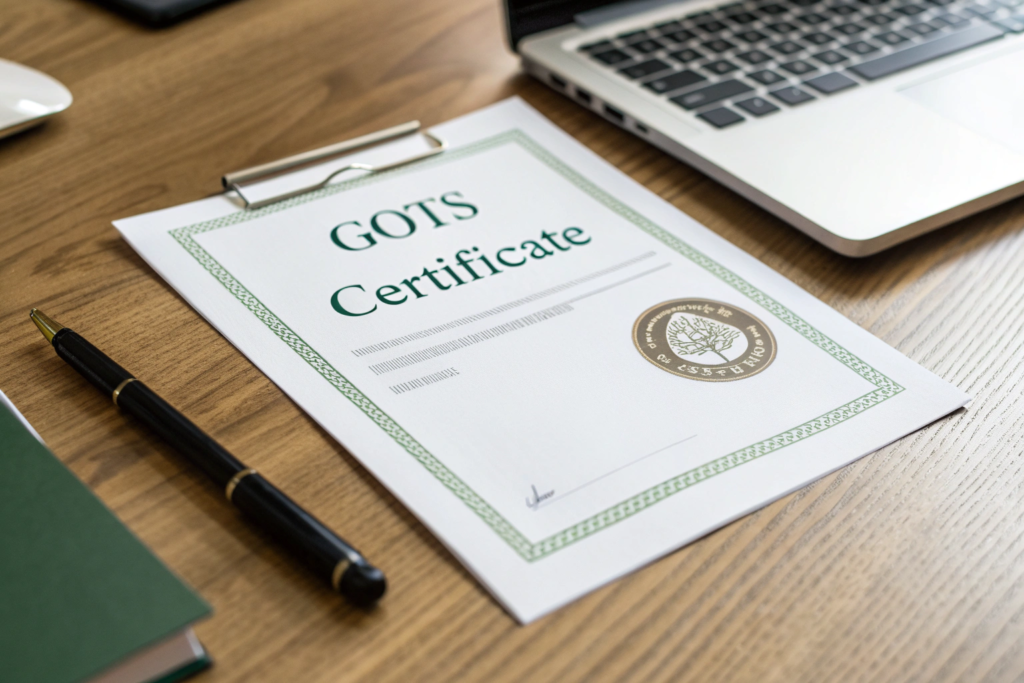
When you say "organic cotton," the first document you must ask for is the GOTS certificate. GOTS isn't just a farm standard; it’s a holistic certification that tracks the organic integrity from harvesting through environmentally and socially responsible manufacturing all the way to labeling. For you, the brand, this is your strongest shield against false claims. It means every processor in the chain—the spinner, weaver, dyer, and finisher—has been independently audited.
Many suppliers will show you a certificate, but the key is verification. A valid GOTS certificate has a unique license number that can be checked on the public GOTS Public Database. I once had a client who almost partnered with a factory that presented a beautiful certificate. We ran the number and found it had expired six months prior. That simple check saved them from a costly mistake. The database shows the company's name, scope (e.g., "spinning," "weaving," "trading"), and validity period.
What’s the Difference Between GOTS and OCS, and Which Do You Need?
Understanding the certification landscape is crucial. GOTS (Global Organic Textile Standard) and OCS (Organic Content Standard) are the two main players, but they serve different purposes.
- GOTS is comprehensive and rigorous. It mandates that at least 95% of the fibers are certified organic (for the "organic" label). More importantly, it sets strict environmental and social criteria for the entire production process. This includes banning toxic bleaches, dyes, and heavy metals, ensuring fair labor practices, and managing wastewater. If your brand's promise is holistic sustainability and ethics, GOTS is non-negotiable.
- OCS is a content claim standard. It simply verifies the presence and amount of organic material in a final product. It tracks the flow of organic material but does not set environmental or social criteria for processing. OCS 100 requires at least 95% organic content; OCS Blended requires at least 5%. It's often used for products where only the fiber content claim is needed, not the full processing standards.
| Feature | GOTS | OCS (100/Blended) |
|---|---|---|
| Primary Focus | Organic integrity + Environmental & Social Processing Criteria | Organic Content Verification only |
| Chemical Inputs | Strict Positive List of approved, safe chemicals | No restrictions |
| Social Criteria | Mandatory (based on ILO key conventions) | None |
| Best For | Brands marketing a fully sustainable, ethical product | Brands needing to verify organic fiber content only |
How Do You Verify a Supplier's GOTS Certification Authentically?
Never take a PDF at face value. Here is your verification checklist:
- Ask for the Scope Certificate: Request the supplier's official GOTS scope certificate. Ensure your company name (the eventual certificate holder) can be included in their transaction certificate later.
- Check the Database: Go to the GOTS Public Database and input the supplier's license number or name. Confirm the listed activities (e.g., "weaving," "knitting," "dyeing") match what they are doing for you.
- Verify the Chain of Custody: Ask how they manage and document the flow of certified organic material. Reputable suppliers, like us at Shanghai Fumao, maintain detailed records linking their GOTS-certified yarn purchases to specific fabric batches.
- Request Sample Transaction Certificates (TCs): The TC is the birth certificate for your specific order. Ask to see a redacted sample TC from a previous order. It should list the supplier, the final buyer, product description, and quantities. This proves they know how to execute the paperwork correctly.
For ongoing education on certification nuances, platforms like The Sustainable Apparel Coalition's Knowledge Hub offer valuable resources for brands at all stages of their sustainable sourcing journey.
What Are the Key Steps in the Organic Cotton Fabric Sourcing Process?
Sourcing organic cotton is a marathon, not a sprint. Rushing this process is the number one cause of delays and compromises. A structured, step-by-step approach protects your investment. The process differs markedly from conventional cotton sourcing, primarily due to the need for traceability and certified chain-of-custody documentation at every stage.
From our experience servicing EU brands, the total lead time from initial inquiry to fabric ready for shipment is typically 25-35% longer than for conventional cotton. This accounts for the time needed to source certified yarn, run certified production slots, and generate the official paperwork. Planning for this from the outset is critical.

How to Find and Vet Qualified Organic Cotton Suppliers in China?
Your search should go beyond Alibaba keywords. Here’s a practical method:
- Start with Certified Directories: The GOTS and OCS websites have official directories of certified entities. This is your most reliable starting point.
- Look for Vertical Integration or Strong Alliances: The most reliable partners either control multiple stages (e.g., weaving and dyeing under one certified roof) or have long-standing, audited partnerships with certified spinning and dyeing mills. Ask directly: "Can you show me the GOTS certificates for your spinning and dyeing partners?" A transparent supplier will provide these.
- The Sample Test: Always order a development sample first. This tests their responsiveness and technical skill. When you receive it, ask for the lab test report for key parameters like shrinkage, colorfastness, and—crucially—residual chemical testing (to check for banned substances). A true GOTS supplier will be accustomed to this request.
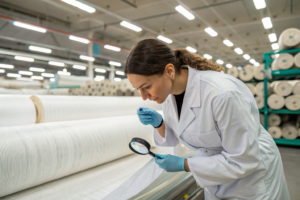
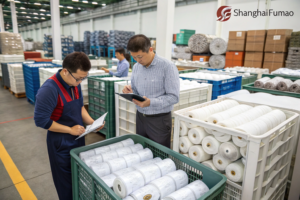
- Factory Audit (Virtual or In-Person): If order volume justifies it, conduct an audit. Focus on their document control room. How do they store and manage GOTS TCs, yarn purchase records, and production logs? A messy system here is a major red flag.
In 2023, we helped a UK children's wear brand source a GOTS-certified organic cotton interlock. Their previous supplier failed to provide TCs consistently. We took them on a virtual tour of our system, showing how each batch of yarn is logged and linked to the final fabric roll and its unique TC. This transparency secured the partnership.
What Critical Questions Should You Ask Potential Suppliers?
Cut through the sales talk with these specific questions:
- "Can you provide your valid GOTS/OCS scope certificate and the certificates for your spinning and dyeing mills?" (Tests transparency and supply chain control).
- "What is your process for issuing Transaction Certificates (TCs)? What is the cost and timeline for the TC after shipment?" (Tests operational knowledge. TCs are mandatory and often have a fee).
- "For dyeing, do you use GOTS-approved dyes and auxiliaries? Can you provide the mill's chemical inventory list for review?" (Tests deep compliance. Many fail at the dyeing stage).
- "What is your standard lead time for a GOTS organic cotton poplin, from yarn sourcing to finished fabric, and how does Chinese New Year affect this?" (Tests realism and planning expertise. The holiday can disrupt certified yarn availability).
Forums like Fashion Revolution's Community Platform often feature discussions on practical challenges of maintaining certification in complex supply chains, offering real-world insights from other brands.
How to Navigate Production and Quality Assurance?
Once you've selected a partner, the real work begins. Managing production of certified organic fabric requires active involvement. You cannot just place an order and wait. The quality assurance protocol is more stringent because the standards are higher, and the cost of failure is significant.
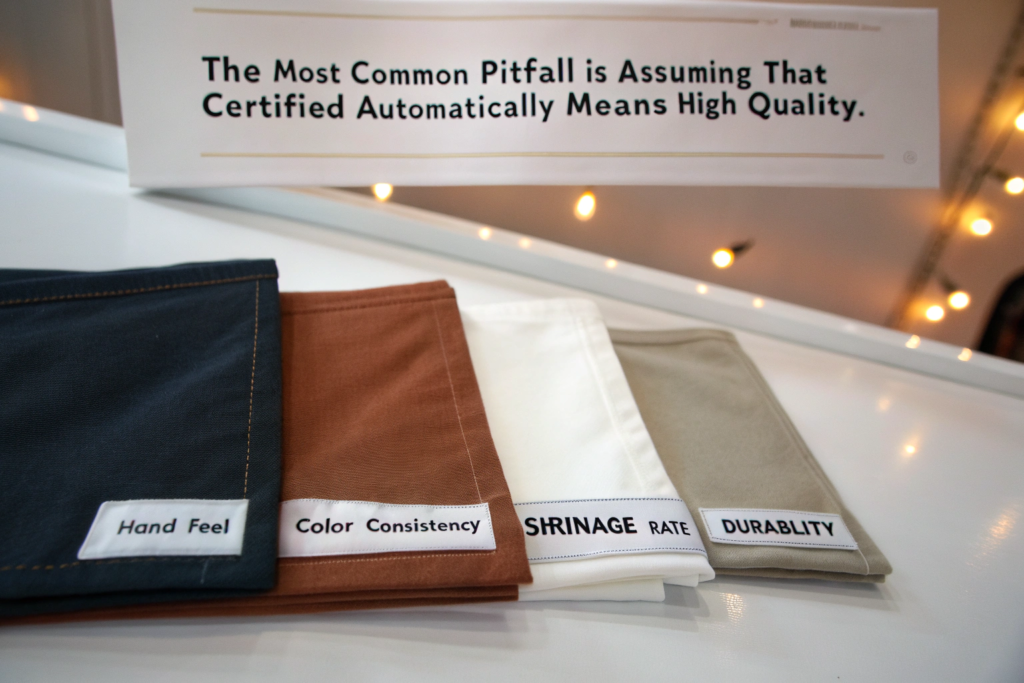
The most common pitfall is assuming that "certified" automatically means "high quality." Certification ensures responsible production, but it does not guarantee that the fabric's hand feel, color consistency, shrinkage rate, or durability meet your specific design needs. These must be specified and controlled separately.
What Are the Must-Check Quality Parameters Beyond Certification?
Your technical pack for organic cotton must be exceptionally detailed. Alongside the GOTS requirement, insist on testing against the following:
- Shrinkage: GOTS allows certain tolerances, but you may need it tighter. Specify your required maximum shrinkage (e.g., less than 5% after 3 home washes).
- Colorfastness: To washing, rubbing (dry/wet), and light. For GOTS, dyes must meet certain fastness levels, but you can set higher benchmarks.
- PH Value: GOTS requires a pH of 4.0-7.5 (for skin contact). This is critical for skin safety and comfort.
- Residual Chemicals: Specifically test for banned substances like formaldehyde, heavy metals (lead, cadmium), and pentachlorophenol (PCP). Your supplier's in-house lab should do this, but always get a report from an accredited third-party lab like SGS, ITS, or BV for your bulk order.
- Physical Properties: Tear strength, pilling resistance, and GSM (weight) tolerance.
We operate a CNAS-certified lab, and for every organic cotton shipment, we provide a dual-report package: one confirming GOTS-specific parameters and another comprehensive report matching conventional fabric quality standards. This gives our clients, like a prominent Australian activewear brand we served in 2024, complete confidence for both marketing and durability claims.
How to Manage Lead Times and the Certification Paperwork Flow?
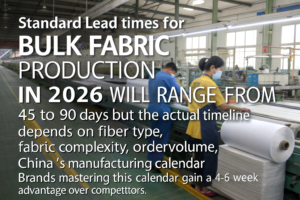
Planning is everything. Here’s a typical timeline for a bulk order of GOTS-certified fabric:
- Yarn Sourcing & Sampling (3-4 weeks): Your supplier sources GOTS yarn. Concurrently, you approve lab dips and quality samples. Do not proceed without signed physical samples.
- Bulk Production (4-5 weeks): Weaving, dyeing, and finishing in GOTS-certified facilities. This stage is most vulnerable to delays during China's peak seasons (Mar-May, Aug-Oct). A good partner will factor this in.
- Testing & Documentation (1-2 weeks): Fabric is tested internally and by a third party. Simultaneously, the supplier prepares the Transaction Certificate (TC) draft. You must provide your exact legal entity name as it should appear on the TC.
- Final Audit & Shipment: The final TC is issued by the certification body, often after reviewing production records. Never ship without the final TC in hand. It is as important as the Bill of Lading.
Crucial Tip: Align your order with the mill's certification audit cycle. If a mill's annual GOTS audit is due, they may be extra cautious, causing slight delays. Your supplier should be aware of these cycles. For insights into managing such complex logistics, reading case studies on global textile trade logistics best practices can be helpful, with some detailed analyses available on industry-specific logistics websites.
What Are the Common Pitfalls and How to Avoid Them?
Even with the best intentions, brands new to sourcing organic cotton from China can stumble. These pitfalls are costly but entirely avoidable with forewarning. The most common issues aren't usually about the fabric itself, but about communication, documentation, and planning misalignments.
I recall a startup from California that designed a beautiful organic cotton dress line. They sourced a GOTS fabric at a good price but didn't clarify the TC process. After shipment, the supplier demanded an extra $500 for the TC and took 8 weeks to produce it, delaying the brand's entire launch. The contract had been silent on this. The lesson: Every detail must be in the purchase contract.
How to Avoid "Greenwashing" and Fraudulent Certificates?
The threat of fraud is real. Protect yourself:
- Database is King: The public certification database is your first line of defense. No legitimate supplier will object to you checking their number.
- Beware of "Too Good to Be True" Prices: Organic cotton yarn carries a premium (often 20-50% over conventional), and certified processing is more costly. If a quote is only slightly higher than conventional, be deeply suspicious.
- Ask for Supply Chain Transparency: Demand to know the origin of the cotton fiber (e.g., Xinjiang, India, Turkey). While controversial, due diligence laws (like the UFLPA in the U.S.) require this knowledge. A certified, ethical supplier will trace this.
- Insist on Third-Party Testing: Never rely solely on the supplier's in-house test report. Budget for testing at an international lab for your first few orders. It's cheap insurance.
Why Are Payment Terms and Contracts Especially Important?
Your contract must be specific to certified organic sourcing. Key clauses should include:
- Certification Warranty: The supplier warrants that all materials and processes comply with GOTS/OCS standards.
- Documentation Delivery: Specify that full payment of the balance is contingent upon receipt of the valid Transaction Certificate and passing third-party lab reports.
- Liability for Failure: Outline remedies if the goods fail certification tests or are detained by customs due to certification issues. This typically includes full refund, replacement, or compensation.
- Approved Subcontractors: List the certified spinning, dyeing, and finishing mills by name and license number. Any change must require your written consent.
Managing these legal and financial aspects is part of our service at Shanghai Fumao. We build these terms into our proforma invoices to ensure clarity and protection for our clients from day one.
Conclusion
Sourcing genuine, certified organic cotton fabric from China is a detailed but entirely achievable mission. It transforms from a daunting task into a streamlined process when you focus on verification over claims, partnership over transaction, and transparency over assumption. The gold standard GOTS certification provides a robust framework, but your due diligence—checking databases, auditing processes, and clarifying contracts—is what ultimately guarantees integrity.
Remember, the goal is not just to buy a sustainable fabric but to build a sustainable and reliable supply chain. This requires investing time in the front-end search and setup, which pays dividends in consistent quality, secure branding, and consumer trust for years to come.
Ready to build a transparent, certified organic cotton supply chain for your brand? Let's connect. At Shanghai Fumao, we guide our clients through every step—from verifying certified yarn sources and managing GOTS-compliant production to ensuring flawless documentation and logistics. We make sourcing authentic, high-quality organic cotton fabric straightforward and reliable. To discuss your specific needs and start the process with confidence, contact our Head of Sustainable Sourcing, Elaine, at elaine@fumaoclothing.com.