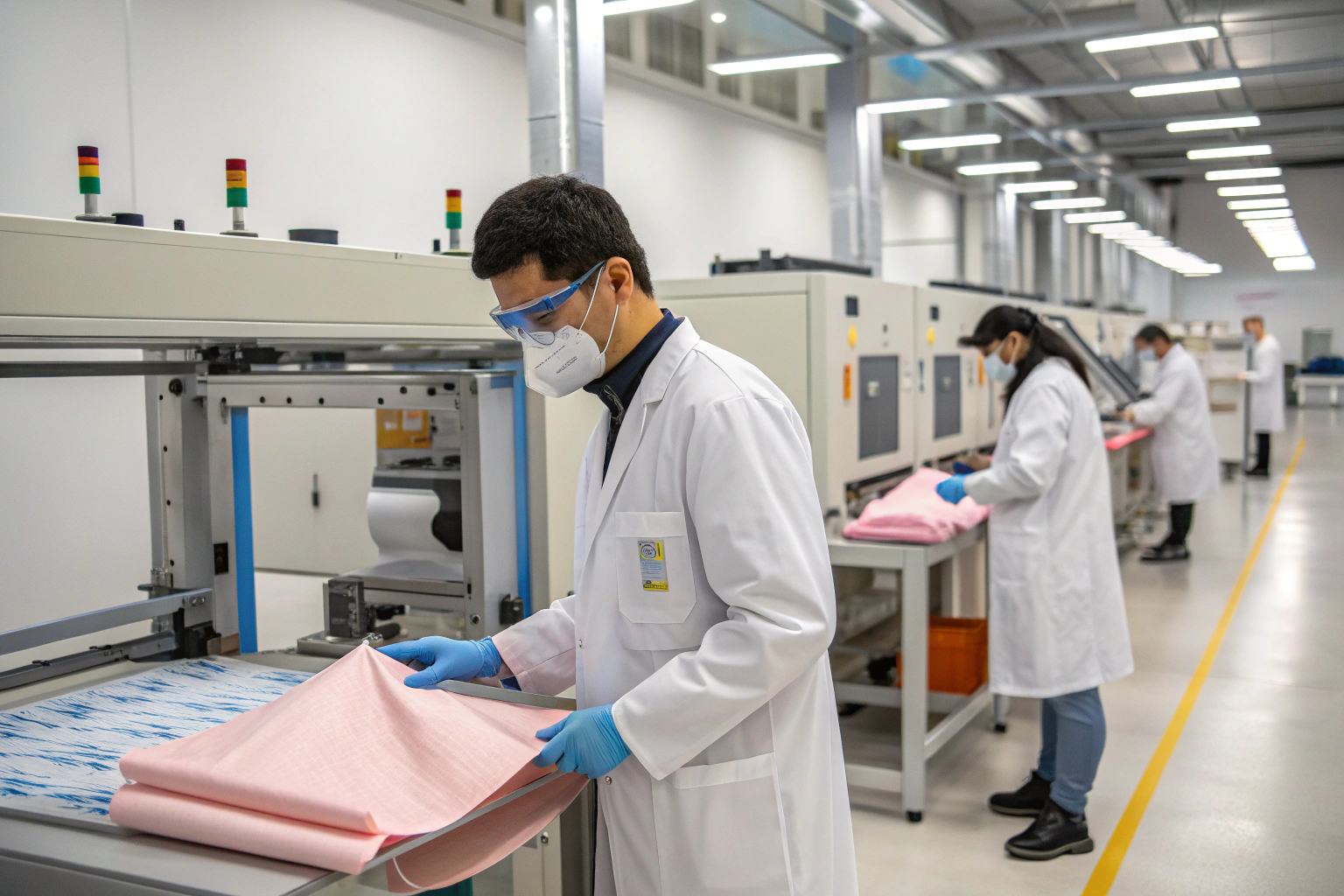
When buyers search for fabrics with advanced protective features, they often face overwhelming technical standards and confusing supplier claims. Many procurement teams encounter unreliable test reports or inconsistent product quality, making compliance with international safety regulations a challenge.
ISO 22611-tested fabrics ensure that protective clothing materials are certified for resistance to penetration by biologically contaminated fluids under pressure. This gives buyers confidence, reduces risks, and guarantees performance in medical and industrial environments.
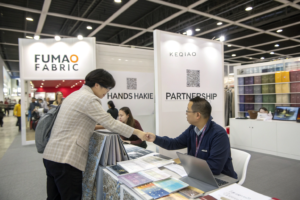
As a supplier rooted in Keqiao with a CNAS-certified testing center, I have worked with global buyers to source protective fabrics that meet this requirement. Understanding the certification process, asking the right questions, and verifying supplier capacity are key to successful sourcing.
What Does ISO 22611 Certification Guarantee?
Buyers often confuse ISO 22611 with chemical resistance standards. In fact, ISO 22611 specifically measures resistance to biologically contaminated fluids under hydrostatic pressure.
ISO 22611 certification confirms that textiles or protective clothing have been tested by accredited labs and meet strict performance requirements. This makes it essential for industries such as healthcare, laboratories, and protective apparel.

Why Is ISO 22611 Different From Other Standards?
Other standards like ISO 16603 and ASTM F1671 measure different protective qualities. ISO 22611 focuses on penetration by fluids that may carry pathogens, simulating real-life exposure risks for workers.
How Can Buyers Verify Claims?
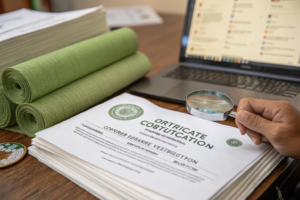
To confirm compliance, buyers should request third-party reports from accredited labs such as CNAS, SGS, or Intertek. Reports must clearly state "ISO 22611:2003" with sample details. Internal or non-accredited test data should not be considered reliable.
Where Can You Find ISO 22611 Tested Fabrics?
Locating suppliers with valid certifications can be difficult, especially when facing aggressive offers from uncertified vendors. The most reliable approach is to filter suppliers by certification transparency and production capacity.
ISO 22611-tested fabrics are available from certified manufacturers in China’s textile hubs, particularly Keqiao, as well as from specialized producers in Europe and the United States.

Should Buyers Source Directly from China?
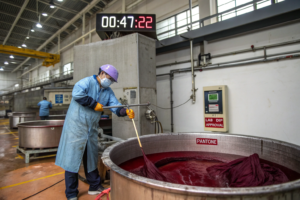
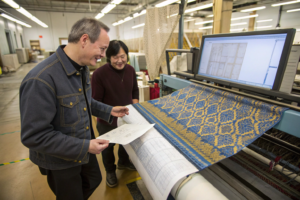
China’s textile ecosystem integrates weaving, dyeing, coating, and testing, reducing cost and lead time. Many brands rely on Chinese suppliers because of their scale and compliance with SGS China standards and EU/US requirements.
Are There Risks in Sourcing Locally in the US or EU?
Yes, while sourcing locally provides shorter logistics, costs are often two to three times higher. European and American producers tend to operate in niche segments with smaller volumes. By contrast, Chinese suppliers combine speed with affordability.
What Should You Ask Suppliers Before Purchasing?
Many sourcing issues arise because buyers fail to ask the right questions. Clear communication ensures compliance and cost efficiency.
Before placing orders, buyers should confirm certification validity, production capacity, and compliance with related safety standards.

What Certifications Should Be Checked?
Besides ISO 22611, check for ISO 16604 and EN 14126 compliance. Suppliers who provide reports from labs such as TÜV SÜD demonstrate broader credibility.
How to Evaluate a Supplier’s Capacity?
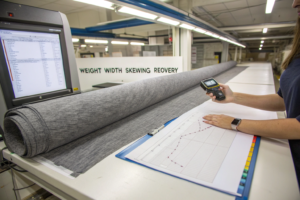
Evaluate turnaround times and order quantities. Reliable suppliers can produce samples within 48 hours and deliver bulk orders quickly. QR code–based tracking for each batch ensures transparent quality management.
How Do Logistics and Costs Affect ISO 22611 Fabric Sourcing?
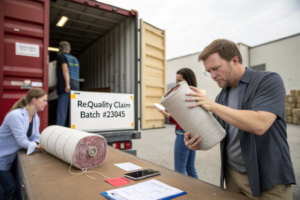
Even certified fabrics can create challenges if logistics are weak or costs are hidden. Buyers must consider shipping, tariffs, and payment security.
The best sourcing strategy is to balance certified product quality with efficient logistics and secure financial arrangements.

What Are the Main Logistics Challenges?
Shipping delays and tariffs remain common issues. Bonded warehouses in Europe and Southeast Asia reduce risks. Initiatives such as the Belt and Road Initiative help simplify customs clearance.
How to Ensure Financial Security?
Secure transactions with international banks through letters of credit or T/T payments protect buyers from financial risks. Reputable exporters avoid demanding 100% prepayment without financial guarantees.
Conclusion
Sourcing ISO 22611-tested fabrics ensures compliance, safety, and trust. By focusing on certified suppliers, transparent testing, and secure logistics, buyers can avoid costly mistakes and guarantee reliable performance.
At Shanghai Fumao, we specialize in ISO 22611, EN 14126, and other certified protective fabrics. Our CNAS-accredited testing center, rapid development capacity, and global logistics network allow us to deliver both compliance and efficiency. To start developing your own protective fabric line, contact our Business Director Elaine at elaine@fumaoclothing.com.