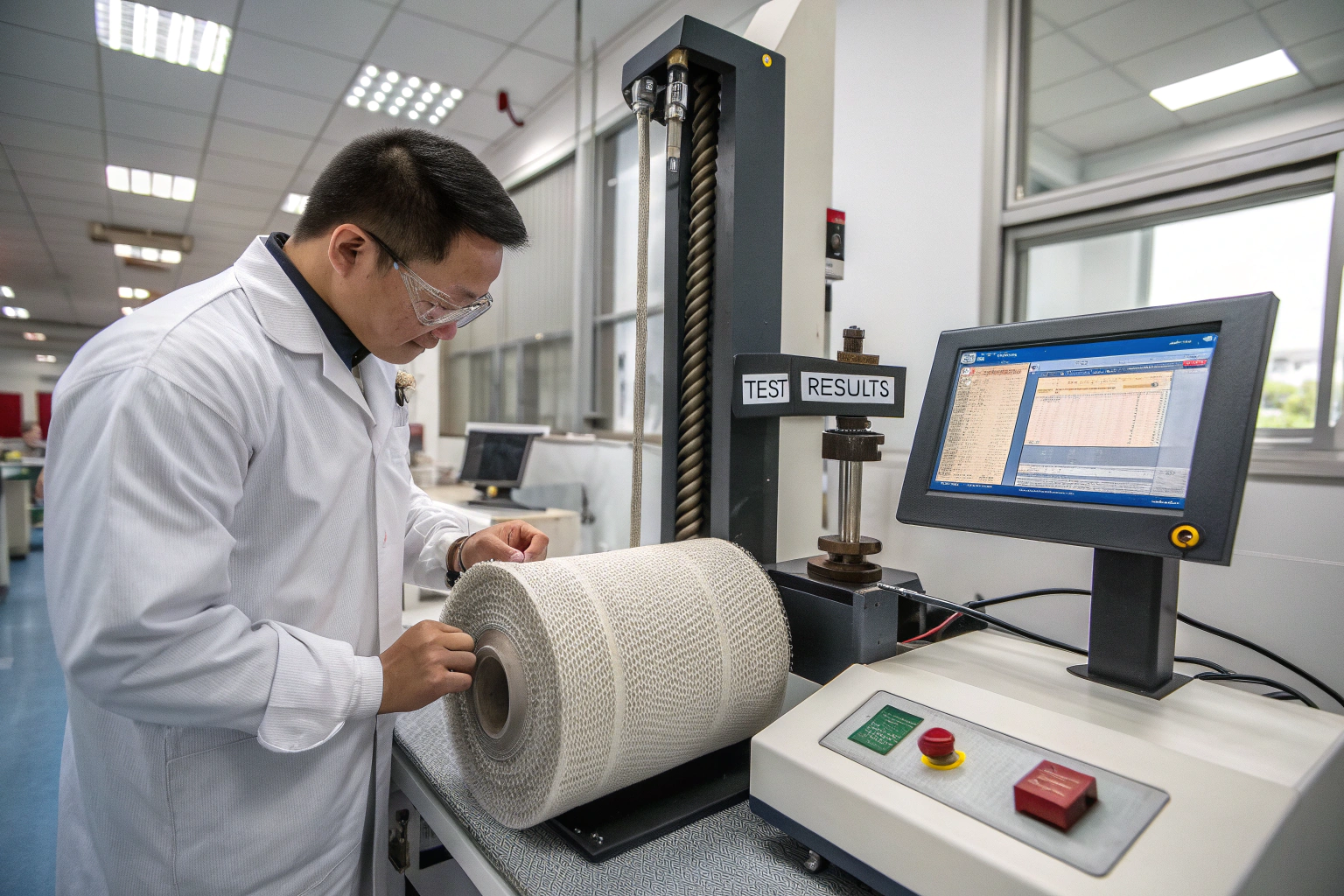
I was on the phone with a client in Chicago six months ago. He had just received a letter from a major retailer. His entire shipment of knitted hoodies had failed the quality inspection. The fabric pilled after three washes. The color bled. The shrinkage was over 8%. The retailer was canceling the order and demanding a refund. He had lost $50,000. He asked me, “How did this happen? The supplier said they met US standards.”
I asked to see the test reports. He sent me a one-page document with no accreditation mark, no test method listed, and no batch number. The supplier had printed a piece of paper and called it a test report. The client had trusted it without verifying.
That call changed how I think about quality. US standards are not optional. If you’re selling knitted fabric—or garments made from it—in the US, you need to meet specific requirements. And you need proof that you met them. I’ve been producing knitted fabrics for the US market for over 15 years. I’ve learned exactly what the standards are, how to test for them, and how to find suppliers who take them seriously.
Let me walk you through how to source knitted fabric that will pass US quality standards. This is what I tell every client who asks me, “How do I know this fabric is good enough for my customers?”
What US Quality Standards Apply to Knitted Fabric?
The US market has specific standards for textile quality. They’re not optional. I’ve seen shipments rejected because a supplier didn’t understand them. Let me break down what you need to know.
What Physical Testing Standards Matter for Knits?
Physical testing covers how the fabric behaves. For knitted fabrics, four tests are critical.
Fabric weight. This is measured in grams per square meter (GSM). US retailers typically expect a tolerance of +/- 5%. If you specify 200 GSM, the fabric should be between 190 and 210. I’ve seen suppliers ship fabric that was 180 GSM on a 200 GSM spec. The garment feels lighter. The customer notices.
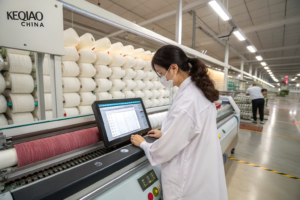
Shrinkage. This is the number one complaint I hear from US buyers. The standard test is AATCC 135. For knitted fabrics, US retailers typically expect shrinkage under 5% in length and under 3% in width. For premium brands, the expectation is under 3% in length. We test every batch. If the shrinkage is high, we run the fabric through a compactor to stabilize it.
Pilling resistance. This is critical for knits. The test is ASTM D3512 (random tumble) or ASTM D4970 (Martindale). US retailers typically expect a rating of 3.5 or higher on a scale of 1 to 5. A 3.5 means the fabric shows some surface fuzzing but no pills. We run the Martindale test to 3,000 cycles. If the fabric pills before that, we adjust the yarn or the finishing.
Tensile strength. Knitted fabrics need to be strong enough to hold seams. The test is ASTM D5034. We test both the length and width. For a typical 200 GSM jersey, we expect strength over 50 pounds. If it’s lower, the fabric may rip at the seams during wear.
In 2023, a client from Texas ordered a run of cotton-spandex jersey. We tested the fabric. The shrinkage was 6%—above the 3% spec. We ran it through the compactor twice. The final shrinkage was 2.5%. The client told me his previous supplier had shipped fabric with 7% shrinkage. His customers returned 15% of the garments. With our fabric, returns dropped to under 2%.
If you’re sourcing knits, ask for test reports with the specific methods. AATCC 135 for shrinkage. ASTM D4970 for pilling. ASTM D5034 for strength. If the supplier doesn’t know these methods, they’re not ready for the US market.
For a full list of US textile testing standards, there’s a resource on AATCC and ASTM test methods for knit fabrics . It’s the official source.
What Chemical and Safety Standards Apply?
Chemical testing is where many suppliers fail. US regulations on restricted substances are strict.
Colorfastness. The key tests are AATCC 61 for washing and AATCC 16 for light. A rating of 4 out of 5 is standard for US retail. Lower than that, the fabric will bleed or fade.
Formaldehyde. This is a common finishing agent. The limit for apparel in the US is 75 parts per million (ppm). For children’s wear, the limit is 20 ppm. We test every batch. If we find formaldehyde, we switch to a mechanical finish.
Lead and heavy metals. The CPSC limits lead in textiles to 100 ppm for substrate and 90 ppm for paint or coating. We test for lead, cadmium, and other heavy metals. For children’s products, the limits are even stricter.
Phthalates. These plasticizers are restricted in children’s products. The limit is 0.1% for each of eight specified phthalates. We use phthalate-free inks for all prints on children’s fabric.
Flammability. For general apparel, the standard is 16 CFR Part 1610. For children’s sleepwear, it’s 16 CFR Part 1615 and 1616. These are different tests with different requirements. If you’re making sleepwear, you need to know which applies.
In 2024, a client from New York sent me a sample from another supplier. The fabric was labeled “OEKO-TEX certified.” I tested it. The formaldehyde was 120 ppm—well over the US limit. The supplier had a certificate, but it didn’t cover that batch. The client canceled the order and came to us.
If you’re sourcing for the US market, ask for OEKO-TEX Class 1 certification for children’s wear or Class 2 for adult wear. It covers all the restricted substances in one test.
For the full list of US chemical restrictions, there’s a resource on CPSC requirements for textiles . It covers flammability, lead, phthalates, and other regulated substances.
How Do You Verify That a Supplier’s Testing Is Legitimate?
A test report is only as good as the lab that produced it. I’ve seen fake reports, expired reports, and reports that don’t match the batch. Here’s how to verify.

What Should a Legitimate Test Report Include?
When I review a test report for a client, I look for five things.
Accreditation mark. The lab should be accredited by CNAS, AATCC, ISO, or a similar body. The mark should be on the report. If it’s not there, the report is not from an accredited lab.
Test method. The report should list the exact test method used. “AATCC 135-2021” is specific. “Shrinkage test” is not.
Batch number. The report should be tied to a specific batch of fabric. If the batch number doesn’t match your order, the report is for different fabric.
Date. The report should be recent. A report from three years ago doesn’t tell you about today’s production.
Signature or stamp. The report should have a signature or lab stamp. If it’s just a printout, it could be from anywhere.
In 2023, a client from Boston sent me a test report from his supplier. The report had a CNAS logo, but the spacing was off. I looked up the lab in the CNAS database. The lab existed, but the certificate number on the report didn’t match. The report was fake. The client canceled the order.
If you receive a test report, take 5 minutes to verify it. Go to the accreditation body’s website and search for the lab. If it’s not listed, the report is not legitimate.
Should You Require Third-Party Testing?
Supplier reports are useful for ongoing quality control. But for critical orders, I recommend independent third-party testing.
In 2024, a client from Seattle ordered 10,000 meters of cotton-polyester fleece for a large retail chain. The retailer required testing from a specific US lab. We sent samples directly from production to that lab. The lab tested for all required standards. Everything passed. The client got the purchase order.
Third-party testing costs money—usually $200 to $500 per test. But compared to the cost of a rejected shipment, it’s cheap insurance.
If you’re sourcing for a major retailer, ask your supplier if they’ll work with a third-party lab. A good supplier will say yes.
For a directory of accredited labs, there’s a resource on A2LA’s accredited laboratory directory . A2LA is a major accreditation body in the US.
What Knit Constructions Perform Best for US Standards?
Not all knits are created equal. Some constructions inherently perform better on US tests. I’ve learned which ones work and which ones fail.
Why Is Interlock More Reliable Than Single Jersey?
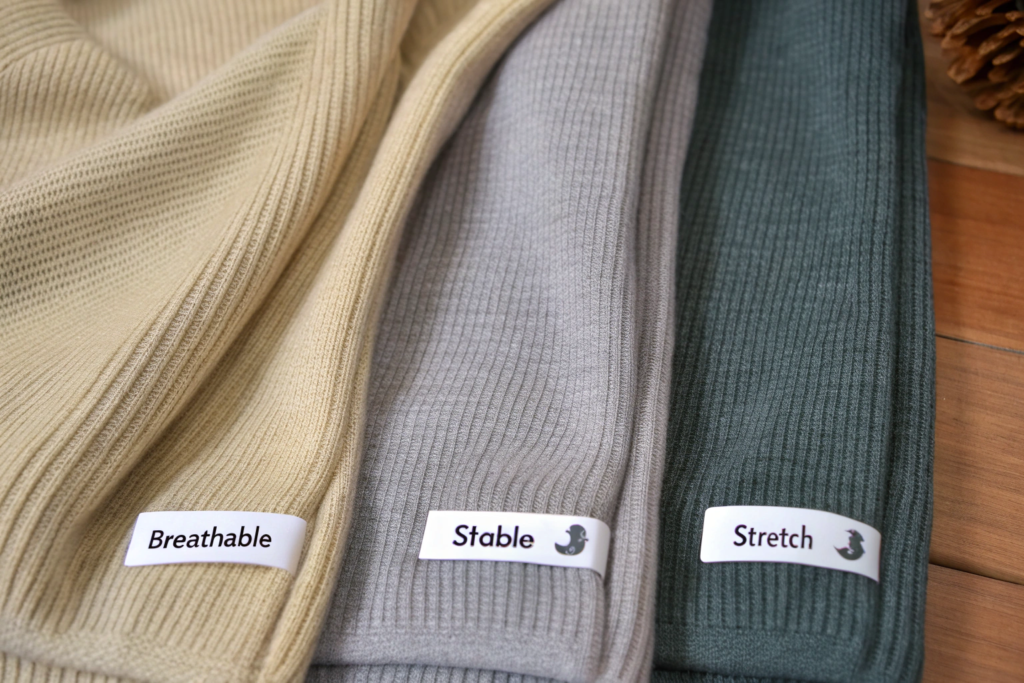
Single jersey is the most common knit. It’s soft, breathable, and comfortable. But it has limitations. It curls at the edges. It’s less stable. It can shrink more.
Interlock is essentially two jersey fabrics knitted together. It’s heavier, more stable, and doesn’t curl. For US standards, interlock often performs better on shrinkage and dimensional stability.
In 2023, we produced a run of interlock for a US baby brand. The client wanted a fabric that would hold its shape through multiple washes. Single jersey would have worked, but interlock gave better stability. The shrinkage tested at 2.5%—well under the 5% spec. The client was happy.
If you’re making garments that need to hold shape—polo shirts, dresses, structured tops—consider interlock. It costs more than single jersey, but the performance is worth it.
How Does Spandex Content Affect Test Results?
Spandex is common in knits for stretch and recovery. But it affects test results.
Shrinkage. Spandex knits often have higher shrinkage. The spandex contracts when heated. We compensate by running the fabric through a compactor. A good supplier knows how to stabilize spandex knits.
Strength. Spandex knits are often weaker than 100% cotton knits. The spandex fibers are fine and can break under tension. We test tensile strength on every spandex knit. If it’s low, we adjust the yarn or the knit structure.
Recovery. This is not a standard US test, but it matters. A spandex knit that doesn’t recover will bag out. We test recovery by stretching the fabric and measuring how much it returns.
In 2024, a client from Denver ordered cotton-spandex jersey for leggings. We tested the recovery. The fabric returned to 95% of its original dimensions. That’s good. If it had been below 90%, we would have added more spandex or changed the knit structure.
If you’re using spandex knits, ask about spandex content and recovery. For leggings, 10-15% spandex is common. For tops, 5-8%. The supplier should be able to tell you the exact percentage.
What Documentation Should You Require Before Shipping?
Before your fabric leaves the factory, you need documentation that proves it meets US standards. I’ve seen shipments held at customs because the documentation was missing or incomplete.
What Test Reports Should Accompany the Shipment?
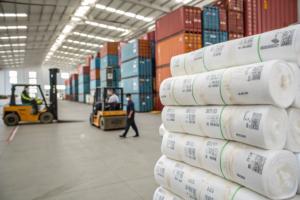
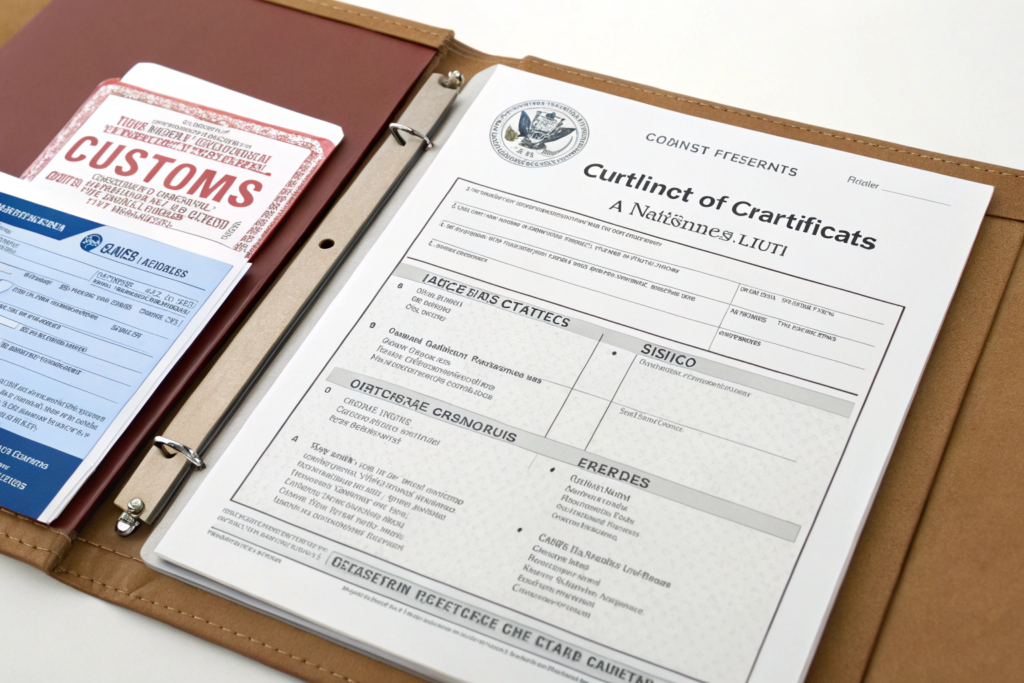
Every shipment should include test reports for the specific batch. Not a generic report. Not a report from a different batch. The actual report for the fabric in the container.
The reports should include:
- Fiber composition. FTC compliant. “100% cotton,” not “cotton.”
- Shrinkage. AATCC 135. Results under 5%.
- Colorfastness. AATCC 61. Results grade 4 or higher.
- Pilling. ASTM D4970. Results 3.5 or higher.
- If required: flammability, lead, phthalates.
In 2023, a client from Atlanta received a shipment with test reports that didn’t match the batch numbers. The supplier had sent reports from a different production run. The client rejected the shipment. The supplier had to provide correct reports. It delayed the order by 3 weeks.
If you’re receiving a shipment, check the batch numbers on the test reports against the batch numbers on the fabric rolls. If they don’t match, ask why.
What Customs Documentation Do You Need?
For US imports, you need specific documentation to clear customs.
Commercial invoice. This should show the fiber composition, the country of origin, and the Harmonized Tariff Schedule (HTS) code. The HTS code determines the duty rate. For knitted fabrics, the code is based on fiber content and construction.
Packing list. This should show the number of rolls, the weight, and the dimensions.
Certificate of origin. For some trade agreements, this is required. For general imports, it’s not always needed, but it’s good to have.
For certified fabrics: GOTS, OEKO-TEX, or GRS certificates. If you’re claiming sustainability, you need the certificates to prove it.
In 2024, a client from Portland had a shipment held at customs because the HTS code was wrong. The supplier had used the code for woven fabric, not knit. The duty rate was higher. The client overpaid by $1,500. It took 3 months to get a refund.
If you’re not sure about HTS codes, ask your supplier or your customs broker. We use a customs broker for all US shipments. They ensure the codes are correct.
Conclusion
Sourcing knitted fabric that passes US quality standards is not complicated. But it requires attention to detail. You need to know the standards: AATCC for shrinkage and colorfastness, ASTM for pilling and strength, CPSC for flammability and restricted substances. You need to verify that your supplier’s testing is legitimate—accredited lab, correct test methods, batch-specific reports. You need to choose constructions that perform: interlock for stability, properly stabilized spandex for stretch. And you need the documentation to prove it all.
At Shanghai Fumao , we’ve been producing knitted fabrics for the US market for over 15 years. We test every batch to AATCC and ASTM standards. We maintain OEKO-TEX certification for all our baby fabrics. We keep the test reports, batch numbers, and customs documentation organized for every shipment. When a US client asks for proof of quality, we have it ready.
I’ve watched US brands succeed because they built their supply chain around quality. I’ve watched others fail because they trusted a supplier who didn’t understand the standards. The difference is verification. You don’t have to accept what a supplier tells you. You can ask for the test reports, verify the accreditation, and require third-party testing when it matters.
If you’re sourcing knitted fabric for the US market, or if you’re having quality issues with your current supplier, let’s talk. My business director, Elaine, handles all our US client inquiries. She knows the standards, the test methods, and the documentation requirements. She can walk you through our process and show you what a quality-focused supplier looks like.
Contact Elaine directly: elaine@fumaoclothing.com
Tell her you need fabric that passes US standards. Let her show you how it’s done.