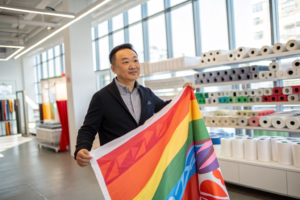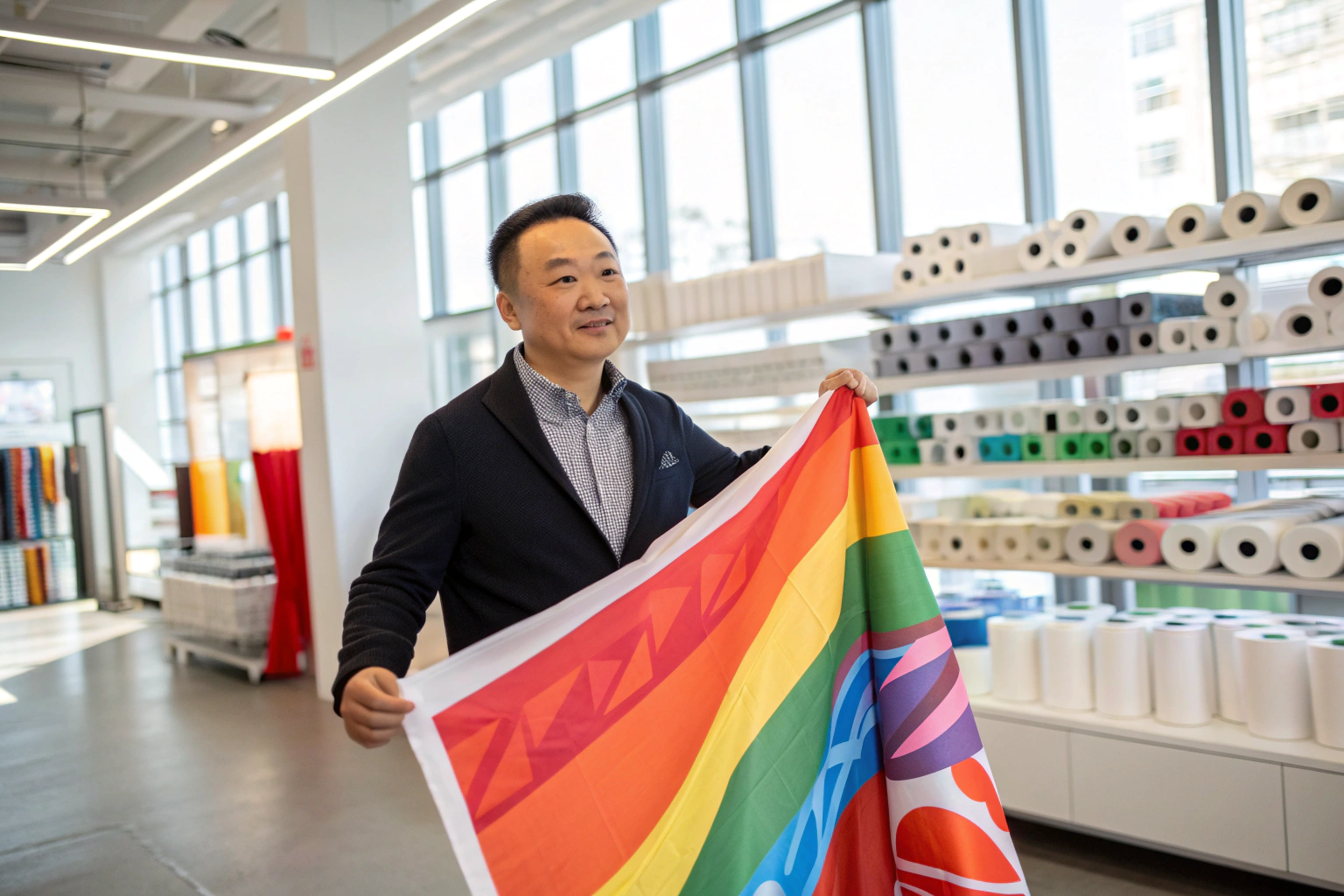
You've got a big trade show coming up in Chicago. Or maybe your retail chain needs 5,000 grand opening flags for stores across Europe. The design is locked, the artwork is perfect. Now comes the scary part: finding a fabric that won't fade after two days in the sun, that prints crisp, and that actually arrives in time for your event. I've seen too many great marketing campaigns fail because someone skimped on the fabric sourcing. It's frustrating, and it's expensive.
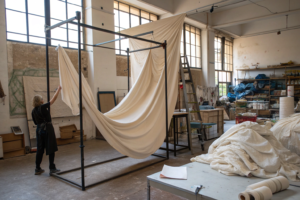
So, how do you source fabric for promotional banner and flag printing the right way? You start by understanding that not all polyester is created equal. You look for specific fabric constructions—like knitted polyester for soft flags or woven satin for high-end banners—and you partner with a supplier who understands the entire ecosystem: from yarn quality to dye sublimation printing compatibility, and most importantly, logistics timing. For us at Shanghai Fumao, sourcing banner fabric isn't just about picking a white fabric off a shelf. It's about engineering a material that will fly, wave, or hang perfectly for your client, whether it's for a one-day event or a year-long outdoor campaign.
This process can feel overwhelming, especially if you're a designer or a procurement specialist new to textiles. There are hundreds of suppliers on Alibaba claiming they have the best flag fabric. But how do you separate the reliable ones from the traders who are just passing along someone else's goods? Over our 20+ years in Keqiao, we've supplied fabric for everything from political campaign banners in Southeast Asia to massive building wraps in Dubai. Let me break down exactly how we approach a sourcing request, and what you should be looking for.
What fabric types work best for banners and flags?
The very first question we ask every client is: "Where will this be used?" It sounds simple, but the answer dictates everything—the fiber, the weave, the weight, and even the finish. If you're making a hand-held flag for a rally, you need something lightweight that drapes nicely. If you're making a massive building banner that needs to withstand typhoon-level winds, you need something engineered for tensile strength and UV resistance. Choosing the wrong fabric here is like putting bicycle tires on a truck. It just won't hold up.
What is knitted polyester and why is it popular for flags?
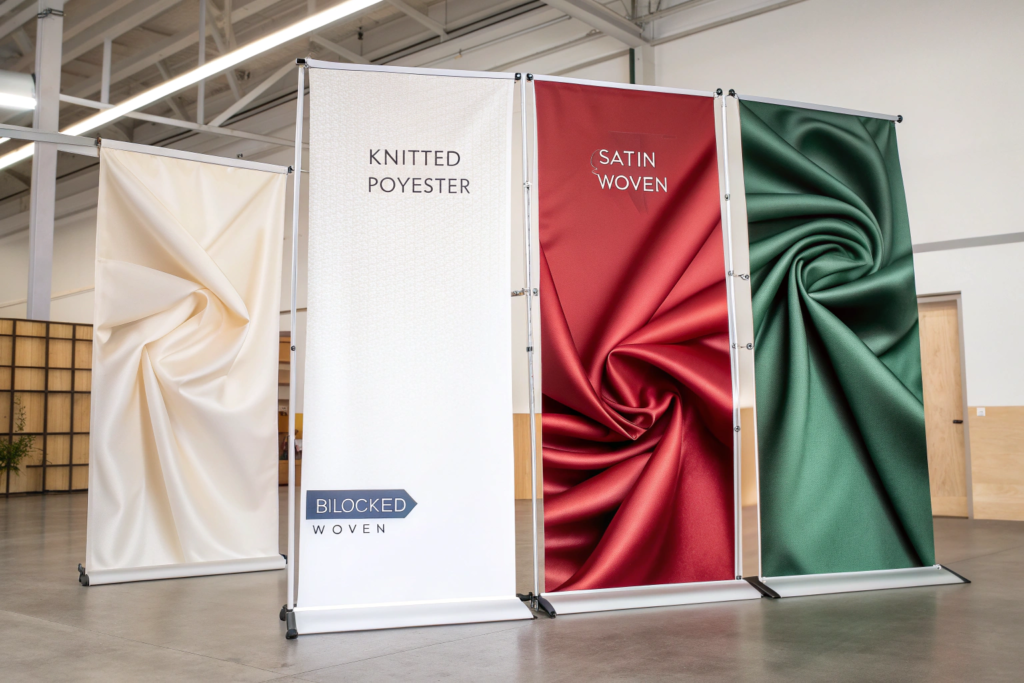
Knitted polyester is our go-to for most standard flags and table throws. It has a slight stretch and a soft, matte finish that takes dye sublimation printing beautifully. The "knit" construction means it's made from interlocking loops of yarn, which gives it that soft, fabric-like feel. It's lightweight, usually around 100-115 GSM (grams per square meter), which means it flies easily in a light breeze. For a US political campaign a few years back, we supplied over 200,000 yards of knitted polyester for their yard signs-turned-flags. The key requirement? It had to fly dramatically but not fray when cut. We used a specialized heat-cutting process during finishing that seals the edges, preventing fraying without needing a hem. That's the kind of detail that matters. If you're curious about why knitted polyester is the industry standard for dye-sublimation flags, it's because the knit structure holds the ink at the surface for vibrant color while allowing the back to remain relatively white.
When should you choose woven satin for premium banners?
For indoor events, retail displays, or any application where you want that "luxury" look, woven satin is your best friend. Unlike the matte finish of knitted polyester, satin has a high lustre and a smooth, silky surface. It's a woven fabric, typically with a satin weave construction, which means the warp yarns "float" over the weft yarns, creating that signature sheen. The color saturation on satin is incredible—it looks deep and rich. We worked with a French luxury brand for their Paris Fashion Week after-party. They needed banners that looked less like "banners" and more like elegant fabric panels. We supplied a heavyweight woven satin (around 210 GSM) with a special wrinkle-resistant finish. It hung perfectly, with no creases, and the printed logo looked embossed. The weight was important; too light and it would have looked cheap, too heavy and it wouldn't drape. We nailed the balance. This is a great example of how to source high-quality satin fabric for luxury promotional events.
What about heavy-duty fabrics for outdoor billboards?
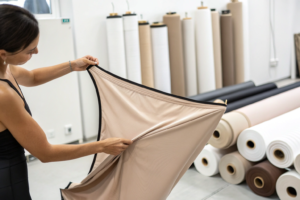
This is a different beast entirely. For large-format outdoor banners that need to last for months, we move to woven polyester, often in a plain weave or a specific "blockout" construction. These fabrics are heavier, typically 200-300 GSM or more. The key feature here is often a "blockout" layer—a dark or opaque layer in the middle of the fabric that prevents light from shining through. This makes the colors on the front pop, and it prevents the back from showing a ghost image. We also treat these fabrics with UV inhibitors and anti-fungal finishes. I remember a project for a resort development in Miami. They wanted massive construction site wraps that looked good for at least six months in intense sun and humidity. We supplied a 280 GSM blockout polyester with a PVC-free coating for eco-compliance. The banners lasted over a year without significant fading. It's all about selecting the right GSM and UV protection for long-term outdoor banners. You can't skip this step.
How does fabric preparation affect print quality?
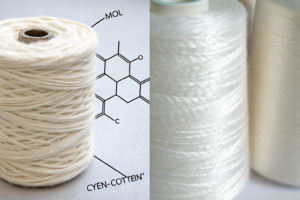
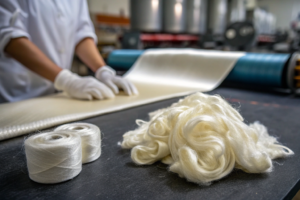
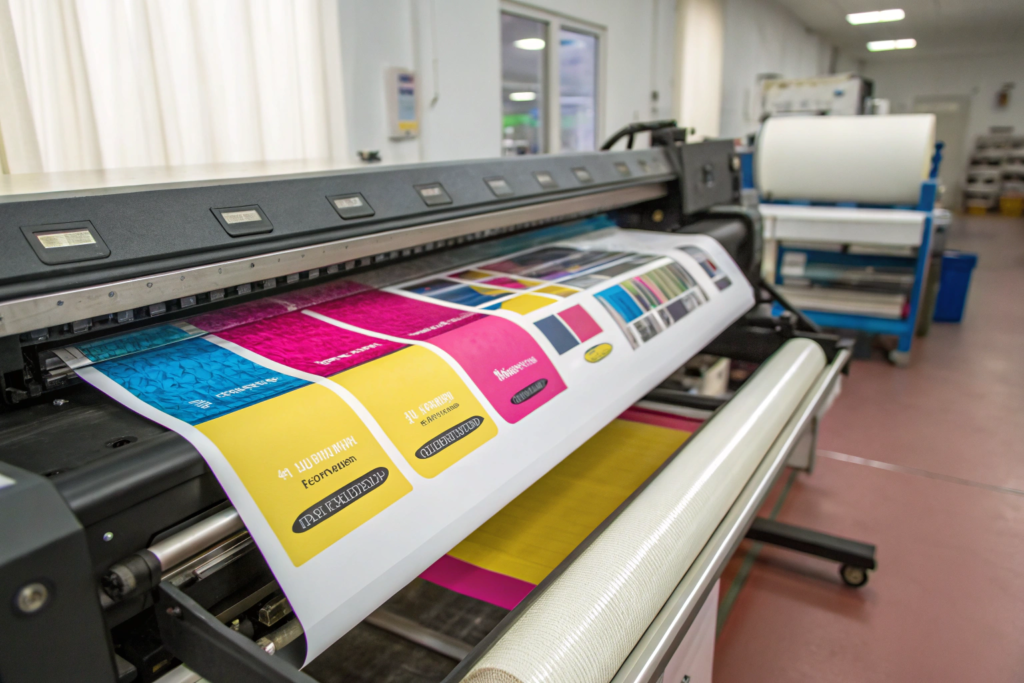
You can have the best printer in the world, but if your fabric isn't prepared correctly, your final product will look like a cheap knock-off. This is where the "hidden" work happens. Fabric preparation for printing, especially for dye sublimation, is a science. It involves ensuring the fabric is perfectly clean, has the right moisture content, and is heat-set to prevent shrinkage during the printing process. We have a dedicated pre-treatment line just for our banner fabrics. We're not just selling greige (unfinished) goods; we're selling a substrate that's ready for your printer.
Why is heat-setting critical for polyester banner fabric?
Polyester is a thermoplastic, meaning it reacts to heat. If you take a standard piece of polyester fabric and run it through a hot dye-sublimation calendar (the machine that transfers the print), it can shrink, warp, or distort. This ruins your print registration. Your perfectly straight lines become wavy. Heat-setting is the process of running the fabric through a hot oven (a stenter frame) at high temperatures, usually around 180-200°C, under controlled tension. This relaxes the fibers and locks the fabric's dimensions. When we heat-set our banner fabrics, we're guaranteeing a maximum shrinkage of less than 1-2%. For a client running a high-speed printing operation, this consistency is gold. They don't have to stop and adjust their machines for every new roll. This is a critical factor in why heat-setting is non-negotiable for sublimation-ready polyester. (I'll add here: we always provide our shrinkage data on the QC certificate. Don't be afraid to ask your supplier for it.)
How does fabric whiteness and brightness influence color vibrancy?
Think of your white fabric as a blank white canvas. If the canvas is dull, grey, or yellowish, your printed colors will be muddy. For dye sublimation, we use fabrics with optical brightening agents (OBAs). These are chemicals that absorb UV light and re-emit it as visible blue light, making the fabric look "whiter than white." The result? When your cyan, magenta, and yellow inks hit that brilliant white base, they appear incredibly vibrant. For a Japanese client who printed incredibly detailed photographic flags, we sourced a special "extra bright" knitted polyester with a high level of OBA. The detail and color separation in their final product was stunning. It's a detail most buyers overlook, but it's one of our secrets to a premium result. We always advise our partners on how to choose the right fabric whiteness for high-definition printing. It makes a world of difference.
How can you manage logistics for time-sensitive event materials?
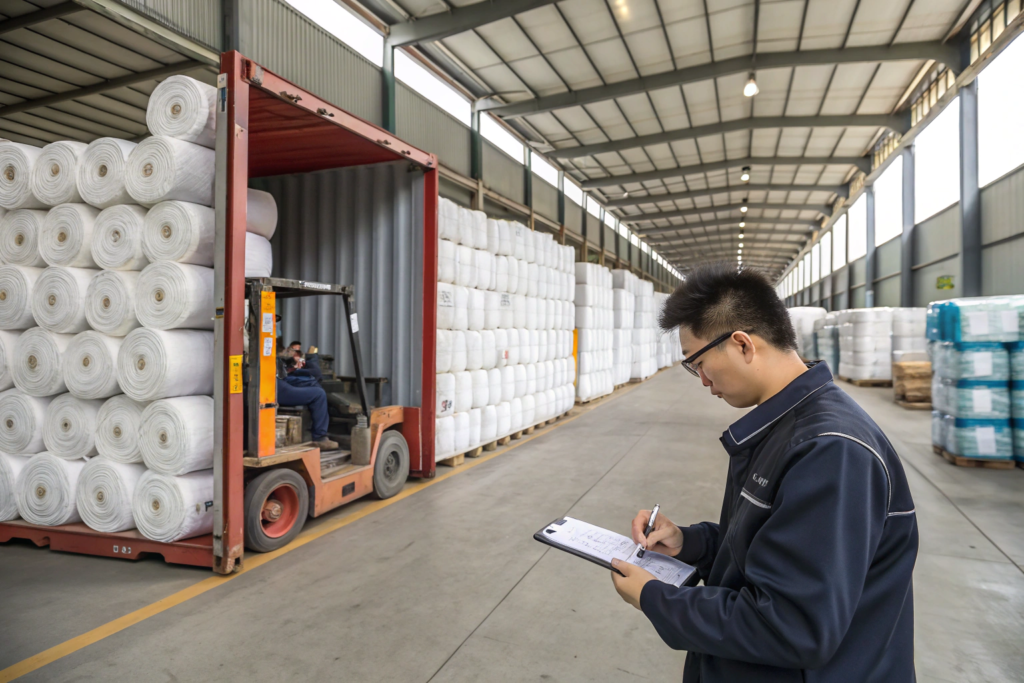
Events don't wait. If your fabric is stuck on a dock or delayed in customs, your client's trade show booth looks empty, and someone's reputation takes a hit. We know this. Our entire logistics operation is built around speed and predictability. For promotional goods, we live and die by the sailing schedule. We're not just a factory; we're your logistics partner. We help you navigate the chaos of international shipping, especially the challenges of US tariffs and customs clearance.
What is the typical production timeline for custom banner fabric?
This is the million-dollar question. For a standard order of white, ready-for-print banner fabric, we can often ship within 7-10 days after the contract is signed. It's already made and in our warehouse. But if you need a custom color, a specific width, or a special finish, you're looking at a custom production run. For that, you need to factor in 4-6 weeks from order confirmation to shipment. This includes greige goods sourcing (if needed), dyeing, finishing, heat-setting, and final QC. We had a client from Australia who needed 50,000 meters of a specific teal-colored flag fabric for a national sports league rebrand. They came to us 8 weeks before their deadline. We mapped out the entire production schedule, allocated greige yarn from our partners, and ran the dye lot in 3 days to ensure color consistency. The fabric arrived in Melbourne with 2 weeks to spare before their printing deadline. Planning is everything. You can learn more about how to calculate realistic production timelines for custom fabric orders from China by talking to our team early in your process.
How do we navigate US tariffs and customs for fabric shipments?
This is a pain point for every American buyer right now. Tariffs on Chinese goods are complex and change frequently. The worst thing you can do is ignore them and hope for the best. We take a proactive approach. First, we classify every single product with the correct Harmonized Tariff Schedule (HTS) code. No guessing. We provide this code to you and your freight forwarder in advance. Second, we work with logistics partners who specialize in US customs clearance. For one US-based event company, we started shipping on DDP (Delivered Duty Paid) terms. That means we handle everything—shipping, insurance, and paying the US import duties. It costs a little more upfront, but it gives them 100% certainty. They know the total landed cost before the fabric even leaves our warehouse, and they never get a surprise bill from customs months later. It's about how to manage US import tariffs and DDP shipping from China to protect your margins. We're here to have that conversation.
What are the hidden costs in promotional fabric sourcing?
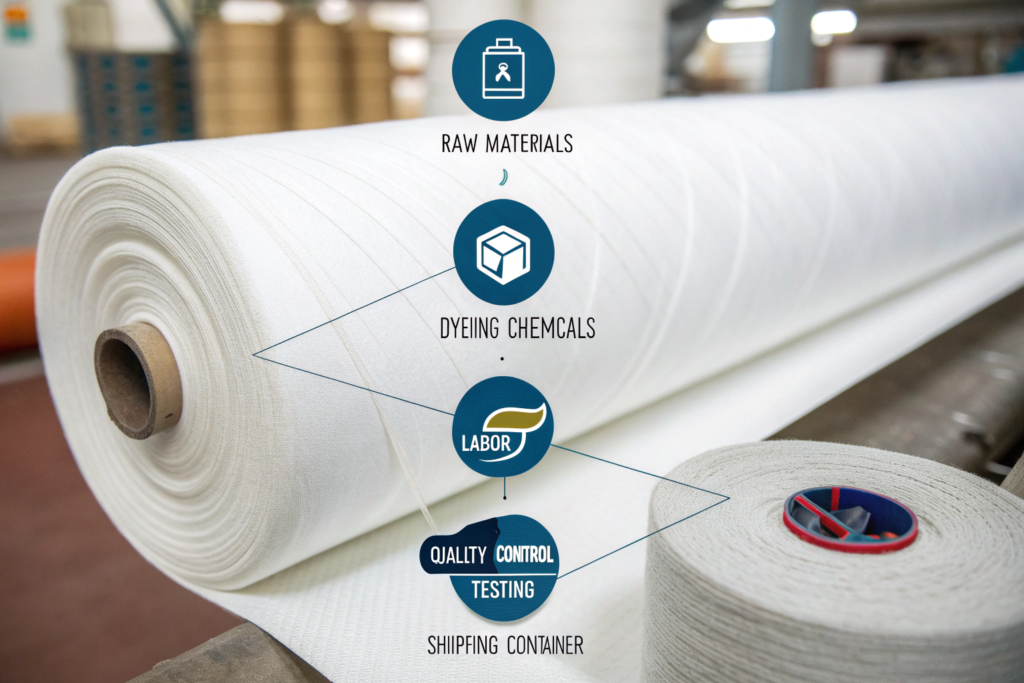
The price per yard on a quote is just the starting point. If you only focus on that number, you will almost certainly overpay in the long run. The real cost of sourcing fabric includes quality, reliability, and hidden fees. We've had clients come to us after their "cheaper" supplier shipped fabric that was off-shade, or that fell apart during printing, causing them to miss their event and lose their client. That's the real cost of cheap fabric. We aim to be transparent about every part of the cost equation.
How do minimum order quantities (MOQs) affect your budget?
MOQs can kill a project for a small brand or a startup. A typical mill might have an MOQ of 3,000 yards per color. If you only need 500 yards, you're stuck. This is where our business model shines. Because we work with hundreds of clients and stock thousands of rolls of basic fabrics, our MOQs are much more flexible. For our standard white banner fabrics, there is often no MOQ—you can order a sample roll or a full container. For custom colors, we have a low MOQ of just 1,000 yards per color. We can do this because we consolidate production with other orders. For a group of Etsy shop owners who started a small flag business, this flexibility was a lifesaver. They could order small batches of multiple colors to test the market without sinking their entire budget into one massive roll. Understanding how to negotiate MOQs with Chinese textile suppliers is a skill, and we try to make it easy.
Conclusion
When you get your fabric, don't just look at it—inspect it. The most common failures we see from low-cost suppliers are "barre" (streaks or bands across the fabric caused by inconsistent tension during knitting), dye migration (where the color bleeds or changes, especially after storage), and poor selvages (edges) that cause tearing during printing. At Shanghai Fumao, our QC team checks for all of this. We use a light table to inspect for barre. We run migration tests on every new dye lot. We ensure the edges are clean and strong. A European flag manufacturer once told us they'd switched to us because they were losing 15% of their incoming rolls to selvage defects. After we started supplying them, that waste dropped to under 1%. That's real savings. We've documented the most common fabric defects in promotional banners and how to spot them to help our clients do their own incoming inspections with confidence.
At the end of the day, sourcing fabric for banners and flags is about partnership. It's about finding a supplier who understands that your timeline is fixed, your quality expectations are high, and your budget is real. We've been doing this for over two decades, and we've learned that success comes from clear communication, rigorous process control, and a genuine commitment to our clients' success. We don't just want to sell you fabric; we want to help you look good at your next event.
So, whether you're planning for a major political convention, a global sports event, or just a local store opening, let's talk. Bring us your challenges, your timelines, and your ideas. Contact our Business Director, Elaine, directly at elaine@fumaoclothing.com. Tell her about your project, and let's see how we can make it happen together.