I remember the call from a Texas oilfield services company in 2022 that still makes me shake my head. They'd ordered 500 heavy-duty work shirts for their field technicians—nice shirts, good fabric, comfortable fit. Then they sent them to the embroiderer for logo application. The embroidery machine punched right through the fabric, leaving holes around every stitch. The shirts were ruined. The embroiderer blamed the fabric; the fabric supplier blamed the embroiderer. The client was stuck with 500 unusable shirts and a $15,000 loss. They came to us for replacement fabric, and their first question was simple: "What did we do wrong?" The answer: they hadn't specified fabric suitable for the decoration method.
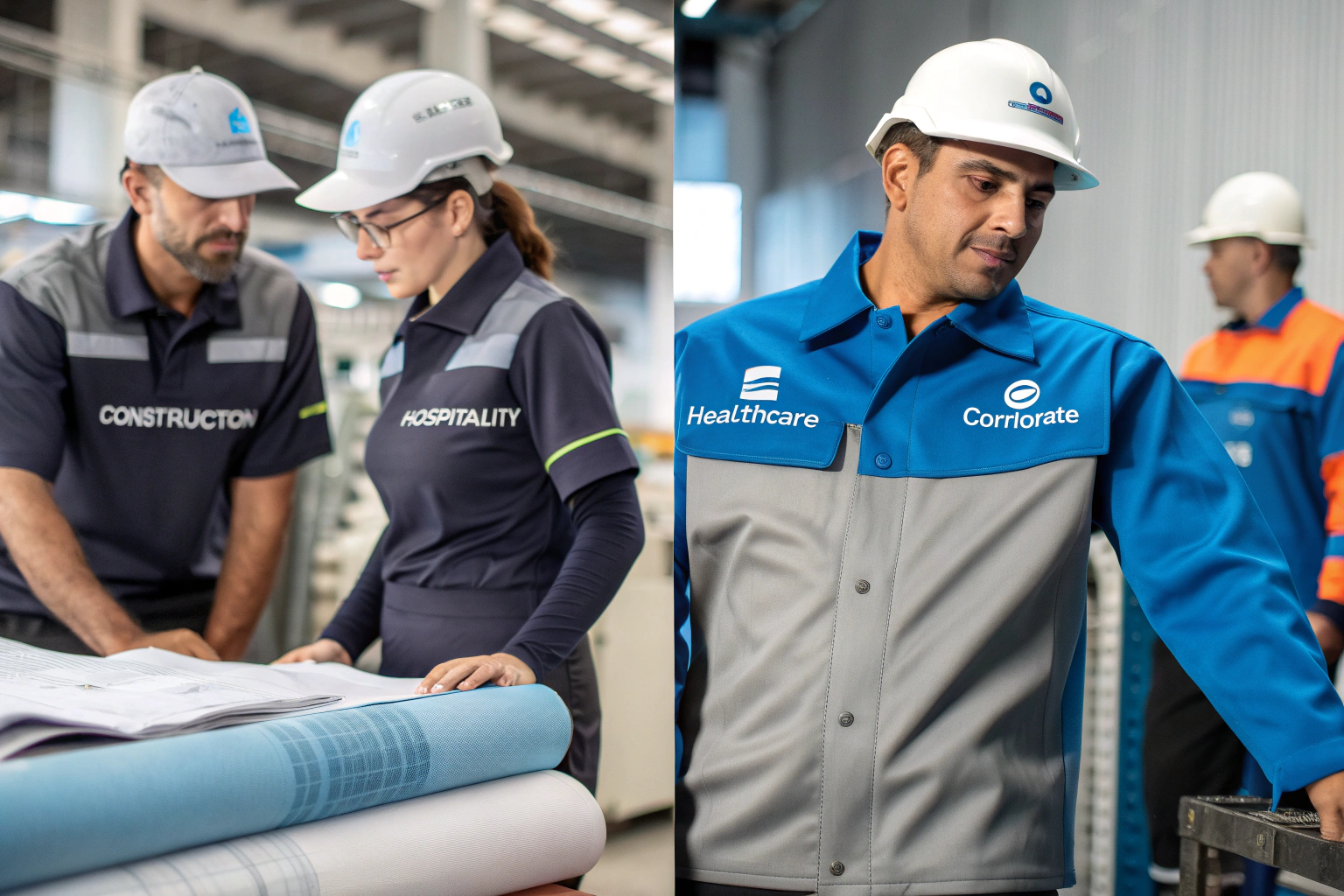
Workwear with company logos isn't just clothing—it's mobile brand advertising. Every employee wearing your logo represents your company to customers, clients, and the public. The fabric you choose affects not only comfort and durability but also how well that logo looks and how long it lasts.
At Shanghai Fumao, we've supplied workwear fabrics to clients across every industry—construction, hospitality, healthcare, corporate, industrial, and more. The requirements vary enormously, but one thing is constant: the fabric must work with the decoration method. Let me walk you through how to source fabric that displays your logo beautifully and lasts through years of wear and washing.
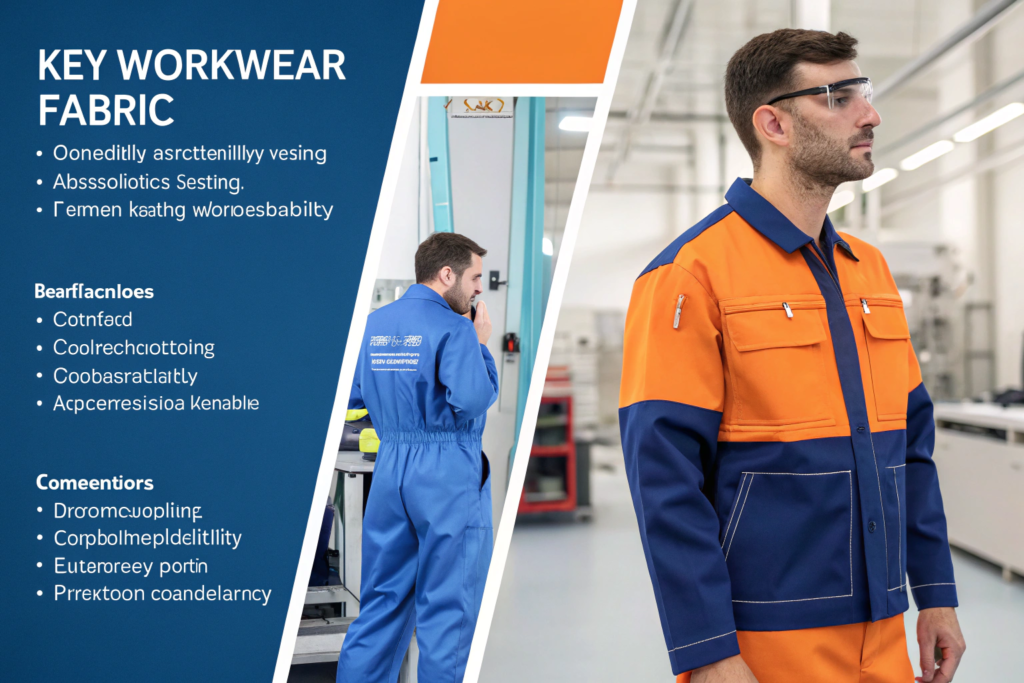
What Fabric Properties Matter for Decorated Workwear?
Workwear fabric must balance multiple requirements: durability for the job, comfort for the worker, appearance for the brand, and compatibility with logo application. Understanding these trade-offs helps you make informed choices.
Why does fabric weight affect logo application?
Fabric weight (GSM or oz/yd²) significantly impacts how well logos apply and last:
Lightweight fabrics (under 200 GSM / 6 oz) :
- Risk of "grinning through" (embroidery stitches visible on back)
- Can pucker around embroidery
- May not support dense logo stitching
- Heat transfers can show backing
- Better for screen printing than embroidery
Medium-weight fabrics (200-270 GSM / 6-8 oz) :
- Sweet spot for most workwear
- Support embroidery without excessive puckering
- Accept screen printing well
- Good balance of durability and comfort
Heavyweight fabrics (over 270 GSM / 8 oz+) :
- Excellent for embroidery (sturdy base)
- May require heavier needles, slowing production
- Can be too thick for some screen printing
- Heat transfers may not penetrate properly
For a California construction company ordering 1,000 work shirts, we specified 240 GSM cotton-polyester twill. Heavy enough for clean embroidery of their complex logo, light enough for comfort in warm weather. Weight selection balances competing needs.
How does fabric weave affect decoration?
Fabric construction (weave) affects how logos look and last:
Twill weaves: The standard for workwear. Diagonal texture provides good embroidery foundation, hides stitch penetration, and wears well. Twill is forgiving—slight embroidery tension variations are less visible.
Plain weaves: Can show embroidery distortion more easily. Requires careful tension control. Better for screen printing than embroidery.
Oxford weaves: Textured surface can compete with embroidery detail. Best for larger, simpler logos.
Ripstop: The grid structure can interfere with embroidery placement. Requires careful design positioning to avoid grid lines.
Knits: Stretchy, can pucker around embroidery unless stabilized. Require cut-away stabilizer (not tear-away). Better for screen printing than embroidery.
For a German logistics company with a highly detailed logo, we recommended twill weave specifically. The twill's diagonal texture hides stitch penetration and provides excellent dimensional stability for complex designs. Weave choice affects logo quality.
What fiber blends work best for decorated workwear?
Fiber content affects both durability and decoration:
Cotton-polyester blends (65/35 or 50/50) : The workhorse of workwear. Polyester adds durability and wrinkle resistance; cotton adds comfort and breathability. Blends accept both embroidery and screen printing well. Polyester content requires careful heat control for transfers.
100% cotton: Excellent for screen printing (absorbs ink well). Can shrink more than blends. Requires consideration for embroidery (natural fibers accept stitches well but can fray).
100% polyester: Common for performance workwear. Requires specialized inks for screen printing (dye-sublimation or polyester inks). Embroidery requires careful needle selection to avoid "needle cutting" (perforating fabric).
Cotton-nylon blends: Extremely durable, common for industrial workwear. Nylon can be challenging for screen printing (requires specialized inks). Embroidery works well but may need sharper needles.
For a Swedish healthcare client (frequent washing, need for professional appearance), we specified 65/35 polyester-cotton twill. The blend holds color through industrial laundering, accepts embroidery beautifully, and resists wrinkling between wears. Blend selection should match end use.
What Decoration Methods Work Best with Different Fabrics?
The method you use to apply your logo affects fabric selection. Different methods have different requirements, and choosing the wrong combination leads to the kind of disaster my Texas client experienced.
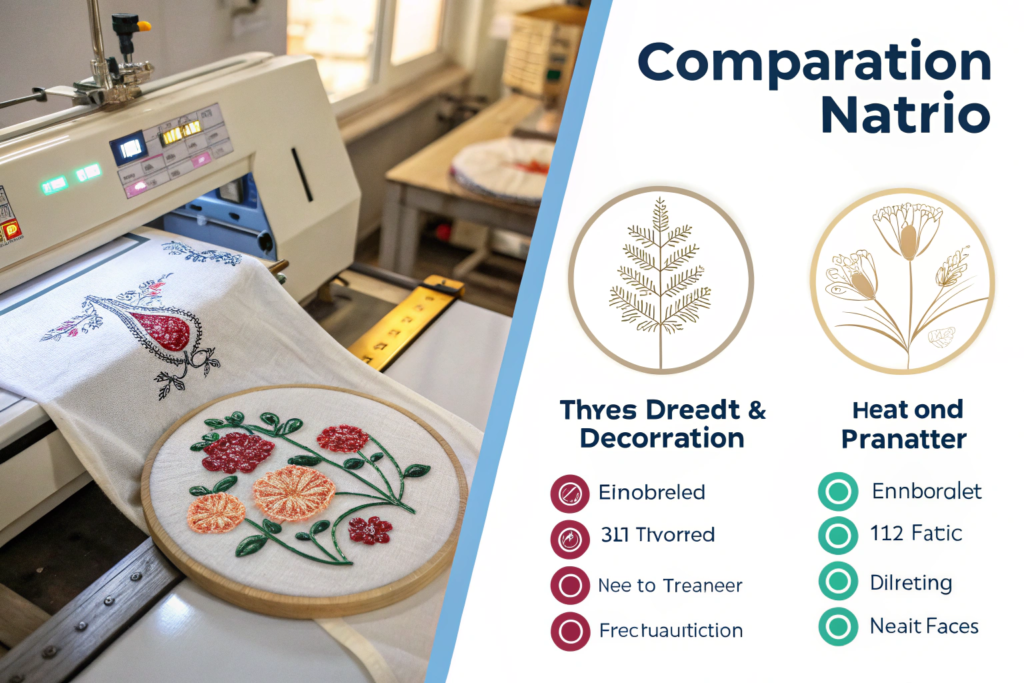
How does embroidery affect fabric selection?
Embroidery is the most durable decoration method, but it's also the most demanding on fabric:
Fabric stability: Fabric must be stable enough to resist distortion from thousands of needle penetrations. Twill weaves and medium-heavy weights perform best.
Stitch count: High-density logos (10,000+ stitches) require heavier fabrics (240 GSM+) to prevent puckering. Lower-density logos work on lighter fabrics.
Backing requirements: All embroidery requires stabilizer. Cut-away stabilizer (permanent) works for all fabrics. Tear-away stabilizer works only for stable wovens, not knits.
Needle selection: Sharp needles for tightly woven fabrics; ball-point for knits (prevents yarn damage). Wrong needle selection destroys fabric.
Hopping tension: Must be adjusted for fabric thickness. Too tight causes puckering; too loose causes sloppy stitches.
For a UK transportation authority with complex logos (text plus symbol, high stitch count), we specified 260 GSM cotton-polyester twill with specific embroidery instructions: cut-away stabilizer, sharp needles, reduced hopping tension. The first samples looked perfect; bulk production maintained quality. Embroidery success requires fabric-spec collaboration.
What about screen printing requirements?
Screen printing applies ink through a mesh screen onto fabric. Requirements:
Fabric smoothness: Smooth surfaces print more cleanly than textured. Jersey knits and fine twills work best. Heavy textures can cause incomplete ink coverage.
Fiber content: Cotton accepts most inks readily. Polyester requires specialized inks (dye-sublimation or polyester-specific) and careful heat control to prevent "dye migration" (ink discoloration from polyester dyes bleeding).
Color considerations: Dark fabrics require underbase (white layer) for bright colors, adding thickness and cost. Light fabrics print more easily.
Curing: Inks must be heat-cured to bond with fabric. Temperature and time vary by fabric—too hot damages synthetics, too cool causes washout.
For a Canadian brewery chain (simple logo, multiple colors, 5,000 shirts), we specified 100% cotton jersey. Cotton accepts screen printing beautifully, colors stay bright, and the fabric cost was within budget. Match method to fabric and quantity.
When is heat transfer appropriate?
Heat transfer (vinyl or sublimation) offers advantages for certain applications:
Heat transfer vinyl (HTV) :
- Works on most fabrics
- Best for simple designs (few colors, no fine details)
- Durable if properly applied
- Can feel stiff or heavy on lightweight fabrics
- Not breathable (covers fabric pores)
Dye-sublimation:
- Only works on polyester (or high-polyester blends)
- Dye becomes part of fabric—no hand feel, fully breathable
- Full-color, photographic capability
- Requires white or light-colored fabric (dye is transparent)
- Excellent durability (won't crack or peel)
For a US hotel chain (uniforms with employee names plus logo, frequent updates as staff changes), we recommend dye-sublimation on polyester-blend uniforms. Name changes require new garments anyway, and the full-color logo looks professional without adding thickness. Heat transfer has specific applications.
What Quality Standards Matter for Decorated Workwear?
Workwear faces tougher demands than regular apparel. Industrial laundering, harsh chemicals, abrasion, and long wear hours all test fabric and decoration. Quality standards must match the use environment.
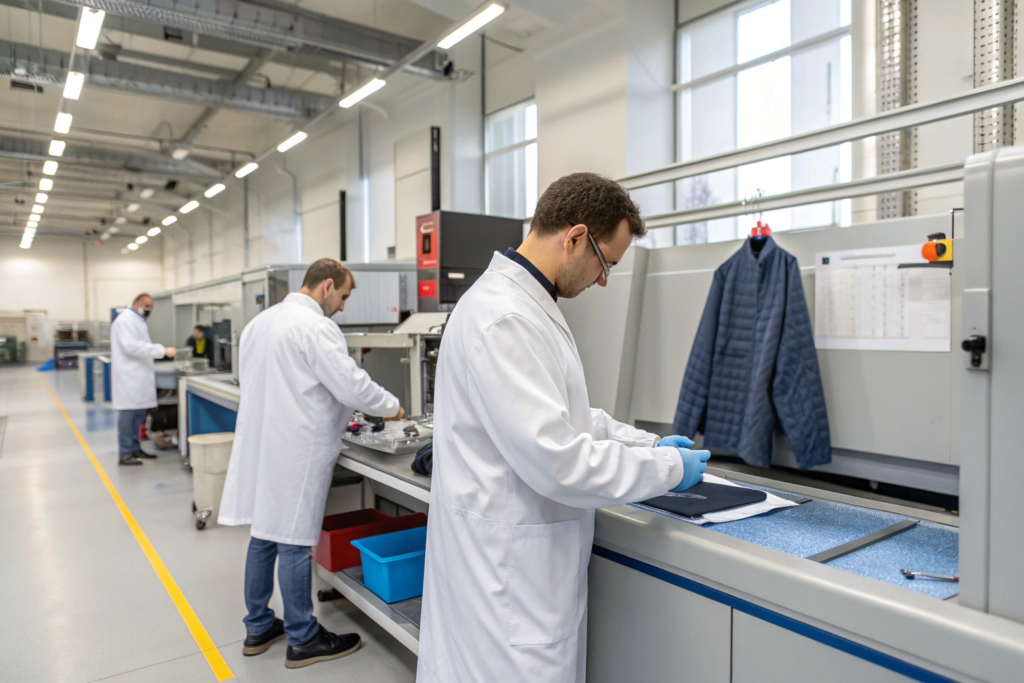
How do you test logo durability through industrial laundering?
Workwear is often washed industrially—hot water, harsh chemicals, high agitation. Logo durability testing should match these conditions:
Wash testing per AATCC 135 or ISO 6330: Standard home laundering doesn't simulate industrial conditions. Specify industrial wash cycles (hotter, longer, more aggressive).
Decoration retention: After specified number of washes (20, 30, 50), logo should show minimal fading, cracking, peeling, or fraying.
Colorfastness: To bleach, to other garments (crocking), to light.
Dimensional stability: Fabric shrinkage can distort logos. Specify maximum shrinkage (typically 3%) and ensure decoration method can accommodate.
For a Las Vegas casino client (uniforms laundered industrially daily, 300+ employees), we test every fabric batch to 50 industrial wash cycles. Logos must remain legible, colors must stay true, fabric must hold shape. Industrial laundering demands industrial testing.
What about colorfastness to specific workplace hazards?
Different industries expose uniforms to different threats:
Healthcare: Bleach, disinfectants, bloodborne pathogens. Test colorfastness to bleach and peroxide.
Food service: Grease, oil, food acids. Test colorfastness to staining agents.
Industrial: Oils, solvents, chemicals. Specify resistance to specific chemicals present.
Outdoor work: Sun exposure. Test lightfastness (fading resistance).
Welding/sparks: Some workwear requires flame resistance; decoration must not compromise it.
For an oil refinery client, we developed flame-resistant workwear with FR-rated threads and FR-compatible embroidery. Standard embroidery would have created weak points that could ignite. Hazard-specific requirements may override normal choices.
How do you ensure color consistency across production runs?
Workwear programs often run for years, with new employees joining and needing uniforms that match existing ones. Color consistency matters:
Dye lot control: Specify maximum ΔE (color difference) between production runs. 1.0 or less for critical programs.
Physical standards: Retain physical color standards (fabric swatches) from first production. Digital standards helpful but physical essential.
Reordering protocol: When reordering, request strike-offs against original standards before bulk production.
Tolerance communication: Ensure all parties (mill, cutter, embroiderer) understand acceptable variation.
For a German airline client (5,000+ uniforms, multi-year program), we maintain archived physical standards from 2019 and match every new production to those standards within ΔE 0.8. New hires today match employees hired five years ago. Color control maintains brand consistency.
What Practical Considerations Affect Workwear Sourcing?
Beyond fabric properties, practical factors—quantities, timelines, care instructions—affect program success. Planning ahead prevents problems.
What are realistic minimums for custom workwear fabric?
Workwear fabric minimums vary by customization level:
Stock fabric with custom decoration: No fabric minimum—buy from stock, decorate to order. Fastest, most flexible, but limited fabric options.
Custom color from stock fabric: Minimum 1,000-2,000 meters per color. Weaving is standard; dyeing to custom color requires minimum.
Custom fabric development (weave, weight, blend): Minimum 3,000-5,000 meters per style. Requires new greige production.
Custom with special finishes (FR, antimicrobial, stain-resistant): Add 1,000-2,000 meters to above minimums (finishing lines have batch sizes).
For a US restaurant chain with 50 locations, we developed custom-colored fabric from our stock program: 1,500 meters per color (three colors), 4,500 meters total. This gave them exclusive colors without full fabric development costs. Custom doesn't have to mean "from scratch".
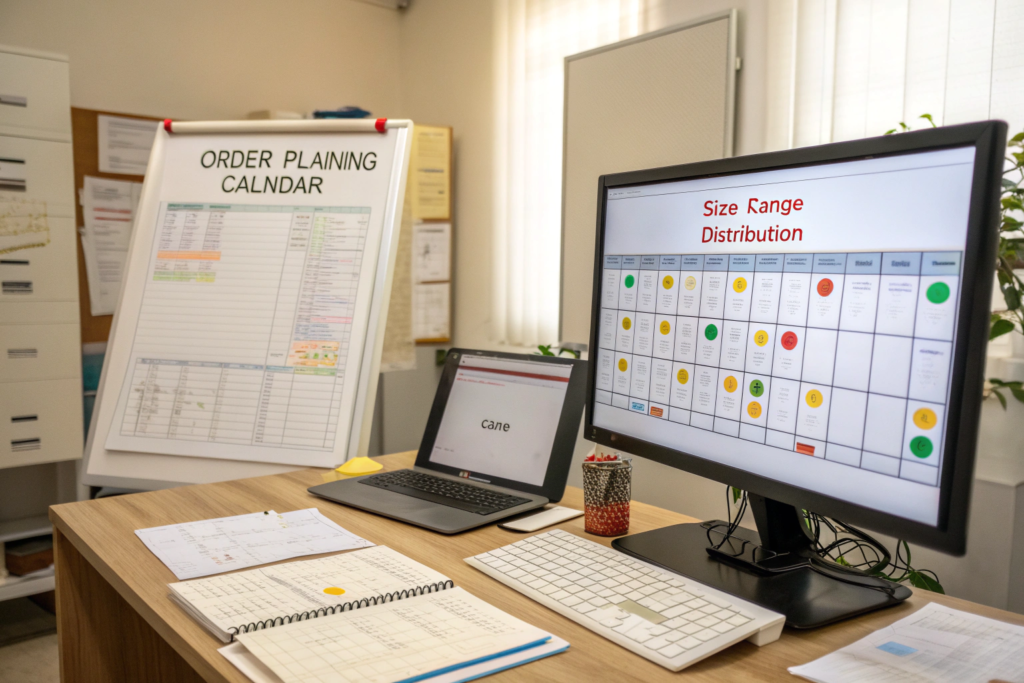
How do you plan for sizing and inventory?
Workwear sizing is more complex than fashion because fit matters for function:
Size range: Typically XS-5XL or broader. Each size may require different fabric quantities.
Growth patterns: Order initial inventory based on employee count plus 15-20% for new hires and replacements.
Seasonal variations: Some industries add staff seasonally (tourism, construction). Plan accordingly.
Turnover rates: High-turnover industries need faster replenishment capability.
For a UK hotel group (1,200 employees, 30% annual turnover), we hold greige fabric in inventory and finish to color as needed. This allows 4-week replenishment instead of 12-week, preventing stockouts during peak hiring seasons. Inventory strategy should match business reality.
What care instructions affect fabric choice?
Care labeling isn't just regulatory—it affects fabric performance:
Industrial vs. home laundering: Industrial laundering (hotter, harsher) requires more durable fabric and decoration.
Dry cleaning only: Limits fabric options (some fabrics can't be dry-cleaned). More expensive for end user.
Bleach use: Healthcare and food service often require bleach. Fabric must be bleach-safe (colorfast, fiber-safe).
Ironing requirements: Some fabrics require ironing for professional appearance; others are wrinkle-resistant.
For a Australian mining client (remote sites, limited laundry facilities), we specified fabric that performs well with minimal care—wrinkle-resistant, quick-drying, colorfast to industrial washing. Care labels simplified to "machine wash warm, tumble dry low." Care instructions should match actual use conditions.
Sourcing fabric for customized workwear is a balancing act. Fabric must be durable enough for the work, comfortable enough for the worker, compatible with the decoration method, consistent across production runs, and available when needed. Getting it right requires understanding all these factors and working with suppliers who understand them too.
Conclusion
Sourcing fabric for customized workwear with company logos requires considering fabric properties (weight, weave, fiber content) in relation to decoration method (embroidery, screen printing, heat transfer). Fabric weight affects logo application: lightweight fabrics risk grinning-through and puckering; medium weights (200-270 GSM) offer the best balance for most applications. Weave affects logo appearance: twill provides excellent embroidery foundation; plain weaves may show distortion; knits require stabilization. Fiber blends impact both durability and decoration compatibility: cotton-polyester blends are workhorse options; 100% cotton accepts screen printing well; 100% polyester requires specialized techniques.
Decoration method choice should align with fabric: embroidery requires stable, medium-weight fabrics with appropriate stabilizer; screen printing works best on smooth fabrics with compatible fiber content; heat transfer has specific requirements (HTV works on most fabrics, dye-sub requires polyester). Quality testing should match use conditions: industrial laundering requires industrial wash testing; workplace hazards (chemicals, sun, abrasion) may require specialized testing. Practical considerations—minimums, sizing, inventory, care instructions—affect program success.
The brands that succeed with customized workwear don't treat it as an afterthought. They plan the fabric selection, decoration method, and quality testing together, ensuring that every employee wearing their logo represents them well, shift after shift, wash after wash.
If you're developing a workwear program and want to ensure your logos look great and last, I invite you to reach out to us at Shanghai Fumao. We've supplied workwear fabrics to clients across every industry, with every decoration method, for programs of every size. We understand the fabric requirements, the decoration compatibility, the quality standards, and the logistics. Contact our Business Director, Elaine, directly at elaine@fumaoclothing.com. Tell her about your industry, your employees, your logo, and your program requirements. She'll connect you with our workwear specialists, and we'll help you develop uniforms that represent your brand proudly.
Because your employees are your best brand ambassadors. The fabric they wear should help them look the part.