I've been in this industry long enough to remember when "eco-friendly fabric" was a niche concept that only a handful of premium brands cared about. Now, every buyer who walks into our showroom asks about sustainability. And the question I hear most often is the same one: "Can I get eco-friendly fabrics without doubling my material costs?"
Let me give you the honest answer from someone who's been weaving, dyeing, and finishing fabric in Keqiao for 20 years. The gap between conventional and sustainable woven fabrics is closing fast. With smart sourcing strategies—choosing the right fibers, optimizing production runs, and working with vertically integrated suppliers—you can often get eco-friendly fabrics for just 5-15% more than conventional options, sometimes less. In some cases, we've helped clients switch to sustainable alternatives at the same cost.
At Shanghai Fumao, we've invested over ¥550 million in green production over the past decade. We've learned what works, what's worth the investment, and where the real savings hide. This guide comes from our experience helping clients in the US, Europe, and beyond make the sustainability transition without destroying their margins. I'll show you exactly how to do it.
What Makes a Woven Fabric Truly Eco-Friendly?
Before we talk about costs, we need to talk about what "eco-friendly" actually means. The term gets thrown around a lot, and not every "green" fabric is created equal. Understanding the different categories helps you make smart choices that match your budget.
What Are the Different Categories of Sustainable Woven Fabrics?
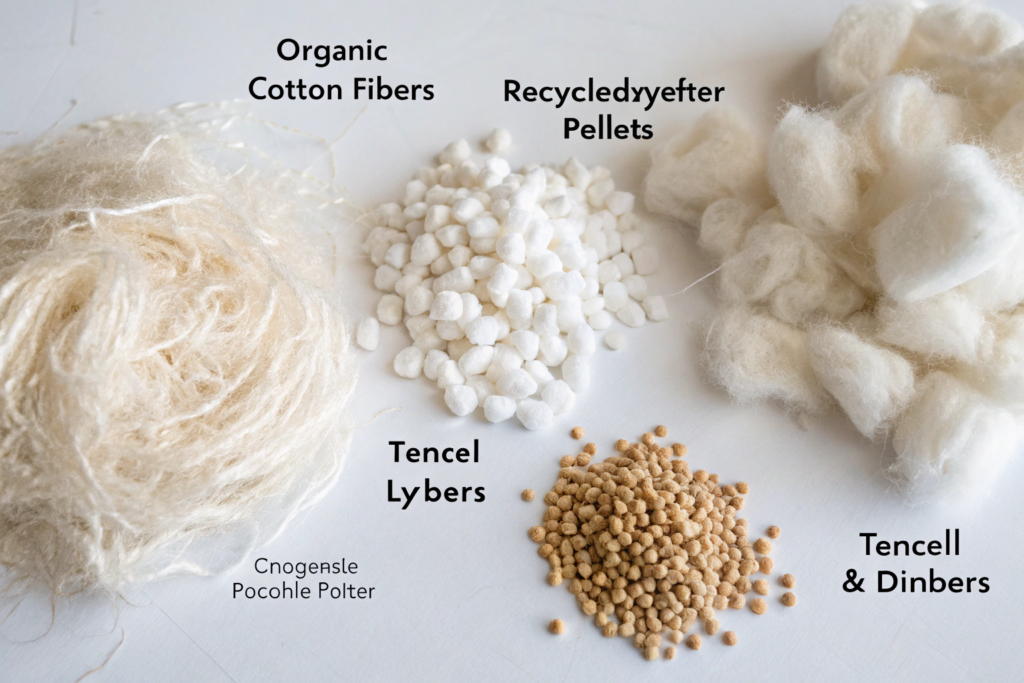
Sustainable fabrics generally fall into three categories. Each has different cost implications.
Natural fibers grown with lower environmental impact. This is your organic cotton, linen, hemp, and wool from regenerative farms. The premium here is mainly in the raw material. Organic cotton costs more than conventional because yields are lower and certification is expensive. But the processing—weaving, dyeing, finishing—is similar to conventional fabrics.
A US activewear client came to us in 2023 wanting to switch to organic cotton for their woven shorts. The organic cotton yarn cost about 25% more than conventional. But we worked with them to adjust the fabric construction slightly, reducing the weight from 220 GSM to 200 GSM while maintaining durability. The lighter weight used less yarn per meter, offsetting about half of the cost increase. Their final landed cost went up 12% instead of 25%. Their customers loved the sustainability story, and sales increased enough to absorb the margin difference.
Man-made fibers from recycled sources. This is recycled polyester (rPET), recycled nylon, and similar materials. The cost premium here varies with the oil price. When oil is expensive, virgin polyester is expensive, and recycled can be competitive. When oil is cheap, recycled has a premium. But the premium is usually in the 5-15% range, much smaller than organic cotton.
We have a European client who switched their entire woven outerwear line from virgin polyester to recycled polyester. The cost increase was only 8%. They absorbed it in their margins for the first season, then raised prices slightly for the second season, explaining the switch to their customers. Their customers responded positively, and they actually saw an increase in average order value.
Semi-synthetic fibers from sustainably managed sources. This is Tencel (lyocell), modal, and other cellulosic fibers made from wood pulp. These fibers are produced in closed-loop systems that recycle water and solvents. The cost structure is different because the manufacturing process is more capital-intensive. Tencel typically costs more than cotton but less than organic cotton, depending on the application.
A Canadian home textiles client was using conventional cotton for their woven bedding. They wanted to switch to Tencel for its sustainability story and its superior softness. The fabric cost was 15% higher, but they found they could reduce the thread count while maintaining the same hand feel, actually saving on yarn usage. Their final cost increase was 8%, which they passed on to customers as a premium product line. It became their bestselling collection.
How Do Certifications Impact Cost and Credibility?
Certifications are important, but they add cost. Every certification requires audits, testing, and ongoing fees. Those costs get passed on to you.
The key is matching certifications to your market. If you're selling in Europe, GOTS (Global Organic Textile Standard) is important. If you're selling in the US, OEKO-TEX and recycled content certifications might be enough for some customers. If you're targeting a premium sustainability-focused customer, you might need multiple certifications.
Here's a breakdown of typical certification costs as a percentage of fabric cost:
- OEKO-TEX Standard 100: 1-2%
- GOTS: 3-5%
- Recycled Content Certification (GRS): 2-3%
- BCI (Better Cotton Initiative): 1-2%
A UK children's wear client asked us to provide GOTS-certified organic cotton for their woven shirts. The certification added about 4% to their fabric cost. We discussed whether they needed full GOTS or if OEKO-TEX Class I (for baby products) would be sufficient. They decided to go with OEKO-TEX for their basic line and GOTS for their premium line, saving about 2% on 70% of their volume.
(Here's something I tell all my clients: don't over-certify. Understand what your customers actually require. A certification you don't need is just a cost with no return.)
What About Water Usage and Chemical Inputs?
Sometimes the most eco-friendly choice isn't about the fiber at all. It's about how the fabric is processed. Conventional cotton grown with heavy irrigation but processed in a water-efficient mill might have a lower total environmental impact than organic cotton processed in a mill with poor water management.
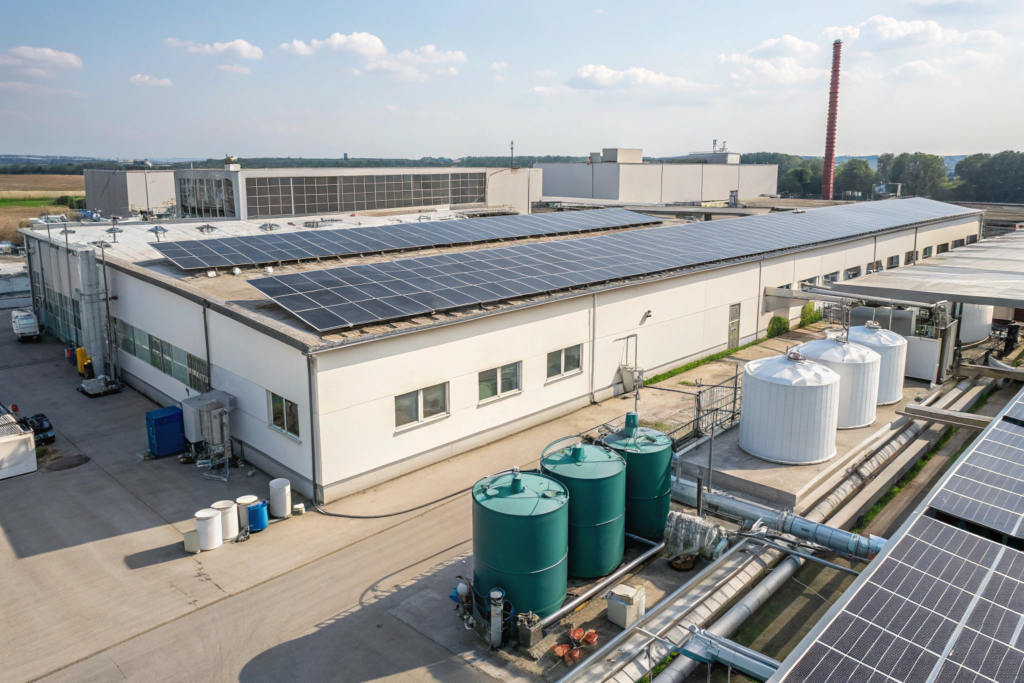
We've invested heavily in our dyeing and finishing operations to reduce water usage and chemical inputs. Our dyeing factory uses closed-loop water recycling that cuts water consumption by 40% compared to conventional dyeing. We use certified low-impact dyes that meet EU standards.
For clients who want to reduce their environmental footprint without paying the organic cotton premium, we sometimes recommend conventional cotton processed in our green-certified facility. The cost is much closer to conventional, but the environmental impact is significantly reduced.
A Swedish outdoor brand approached us looking for sustainable options for their woven hiking pants. They couldn't afford organic cotton at their price point. We worked with them on a conventional cotton fabric dyed with our low-impact process and finished with a PFC-free water repellent. The total cost was only 6% above their baseline, and they were able to market the fabric as having 40% lower water impact than industry standard. That's a win-win.
Where Can You Find Cost-Effective Sustainable Woven Suppliers?
Finding sustainable suppliers doesn't mean you have to pay a premium for everything. The key is knowing where to look and how to evaluate what you find.
How Do You Identify Suppliers with Genuine Sustainable Capabilities?
This is where your Google search skills come in. Instead of searching for "sustainable fabric supplier," try more specific terms:
- "GOTS certified weaving mill China"
- "Recycled polyester fabric factory Keqiao"
- "OEKO-TEX dyed woven cotton manufacturer"
- "Low impact dyeing facility Zhejiang"
- "Tencel licensed weaver China"
These specific searches filter out the companies that are just marketing "eco-friendly" without the actual infrastructure.
Also look for suppliers who have been investing in sustainability for years, not months. At Shanghai Fumao, we started our green investment program in 2015. That's over a decade of experience. We have the certifications, the equipment, and the track record. A supplier who just added "sustainable" to their website last month probably doesn't have the same depth.
A buyer from a US lifestyle brand found us through a search for "GOTS certified woven shirting manufacturer." She told me she had called ten other suppliers before us. Most claimed to offer GOTS but couldn't provide current certificates or explain their audit history. We sent her our GOTS certificate, our last audit report, and photos of our organic cotton storage area. That transparency closed the deal.
What Role Do Textile Clusters Play in Sustainable Sourcing?
Keqiao, where we're based, is the world's largest textile cluster. This concentration of suppliers creates advantages for sustainable sourcing that you won't find elsewhere.
Because we're all located in the same area, we have shared infrastructure for things like water treatment and waste management. Our dyeing factory sends wastewater to a centralized treatment facility that serves the entire industrial park. That shared infrastructure makes environmental compliance more efficient and less expensive than if every factory had to build their own treatment system.
The concentration also means we have specialized suppliers for every step. If you need organic cotton yarn, there are yarn suppliers in Keqiao who specialize in organic. If you need GOTS-certified dyeing, there are dye houses with that certification. If you need recycled polyester, there are fiber producers nearby.
For a client who needs a fully sustainable supply chain, being in Keqiao means we can source every component—from yarn to dye to finishing chemicals—from certified sustainable sources, all within a 50-kilometer radius. That reduces transportation emissions and simplifies verification.
How Do You Verify a Supplier's Green Credentials?
Don't take their word for it. Ask for evidence.
Ask for their certification numbers and verify them online. GOTS and OEKO-TEX both have public databases where you can check if a supplier's certification is current.
Ask for their water usage data. A supplier who is genuinely investing in sustainability will track their water consumption and be able to tell you how many liters per kilogram of fabric they use.
Ask for their energy sources. Are they using solar? Do they have energy-efficient equipment?
Ask for their waste management practices. What happens to the byproducts of their dyeing and finishing processes?
A Japanese denim brand came to our facility and asked to see our water recycling system. We took them to the dyeing factory and showed them the closed-loop system. We showed them our water bills from before and after the installation. The 40% reduction in water usage was documented and verifiable. That level of transparency was enough for them. They've been a client for four years now.
What Strategies Keep Sustainable Fabric Costs Under Control?
Switching to sustainable fabrics doesn't have to mean blowing your budget. There are strategies we use with our clients to make the transition affordable.

How Can Fabric Optimization Reduce Costs?
This is my favorite strategy. Sometimes you can switch to a sustainable fiber and actually save money by optimizing the fabric construction.
Let me give you a concrete example. A US client was using a 220 GSM conventional cotton twill for their workwear pants. They wanted to switch to organic cotton. Organic cotton yarn was 25% more expensive. But we suggested reducing the fabric weight to 200 GSM while maintaining durability through a tighter weave structure. The lighter weight used 9% less yarn per meter. We also suggested switching from a 20/1 yarn count to a 24/1 count, which is slightly finer but actually less expensive because it's a more common count in the organic cotton market.
The result? Their final fabric cost was only 11% higher than conventional, not 25%. And the pants were actually lighter and more comfortable, which their customers loved. Sales increased, and the margin impact was minimal.
(Here's what I've learned: fabric optimization is a science. The right yarn count, the right weave structure, the right finishing process can dramatically impact cost. A good supplier will work with you on these optimizations, not just quote you a price on your existing spec.)
What Volume Commitments Give You Negotiating Power?
Sustainable yarns and fibers are often purchased in larger minimum quantities than conventional. If you're committing to volume, you can negotiate better prices.
When we have a client who commits to a full season of organic cotton orders, we can buy organic yarn in bulk and secure better pricing. That saving gets passed on.
We had a European client who was testing sustainable fabrics with small sample orders. Each order was small, and the premium was high. We suggested they consolidate their sustainable fabric purchases for the year into one order. We bought the organic cotton yarn in bulk, produced the fabric in larger runs, and stored it in our warehouse. Their cost dropped by 15% compared to their previous small-batch approach.
If you're serious about sustainability, commit to volume. Work with your supplier to plan your needs for the year. Buy in larger quantities. The savings will be significant.
How Do Blends and Alternatives Offer Better Value?
Sometimes the most cost-effective sustainable option isn't 100% organic cotton or 100% recycled polyester. Blends can offer a balance of sustainability and cost.
For example, a 50% organic cotton / 50% conventional cotton blend might cost only 8-10% more than conventional cotton, not 20-25% more. The organic content is still significant, and you can market the blend as containing organic fibers.
Similarly, recycled polyester is often less expensive than virgin polyester when oil prices are high. But even when it's more expensive, the premium is usually lower than for organic cotton.
A Canadian outdoor client wanted a sustainable option for their woven hiking shirts. They couldn't justify the cost of 100% organic cotton. We developed a 60% Tencel / 40% recycled polyester blend. The Tencel provided softness and sustainability. The recycled polyester added durability and reduced cost. The final fabric was 12% more than their conventional poly-cotton blend, but significantly less than a 100% organic cotton or 100% Tencel fabric. They launched it as their premium sustainable collection, and it sold out in the first season.
How Do You Balance Sustainability Goals with Quality Standards?
The sustainable fabric can't just be eco-friendly. It also has to perform. Your customers won't accept a garment that falls apart or fades just because it's sustainable.
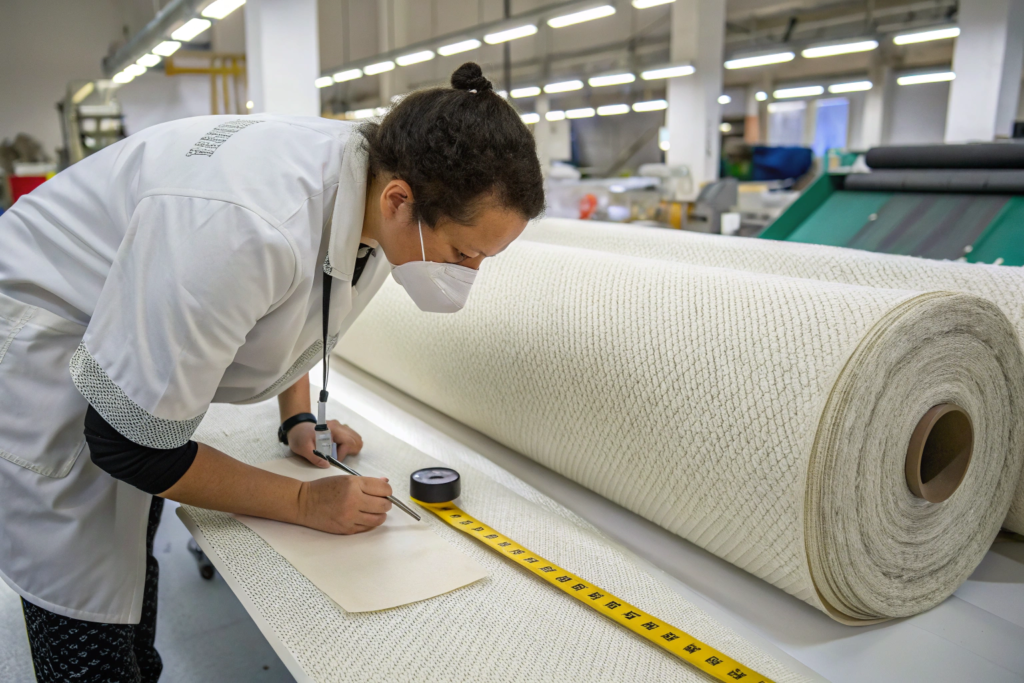
What Testing Is Critical for Sustainable Fabrics?
Some sustainable fibers have different performance characteristics than conventional ones. You need to test for these differences.
Organic cotton, for example, can sometimes have lower strength than conventional cotton if not grown and processed properly. We test every batch of organic cotton fabric in our CNAS-accredited lab for tensile strength, tear strength, and abrasion resistance.
Recycled polyester can sometimes have inconsistent dye uptake if the recycled content varies. We test every batch for color consistency and shade matching.
Tencel and other cellulosic fibers can have higher wet strength loss than cotton. We test for wash durability and shrinkage.
A US client was concerned about switching from conventional cotton to Tencel for their woven shirts. They worried about durability. We ran a side-by-side test in our lab. The Tencel fabric actually showed better abrasion resistance than the cotton, though it had slightly lower tear strength. We adjusted the fabric construction to compensate, adding a few percentage points of polyester for durability. The final fabric passed their quality standards with flying colors.
How Do You Maintain Color Consistency with Sustainable Dyes?
Sustainable dyeing processes can sometimes produce different color results than conventional processes. You need to manage this carefully.
We use low-impact dyes that meet EU standards. These dyes are often more expensive than conventional dyes, but they produce consistent results when properly managed. Our dyeing factory maintains strict controls on temperature, pH, and dye concentration to ensure shade consistency.
For clients who need precise color matching, we recommend doing a full lab dip approval before production. We can produce lab dips in 48 hours. We match to your standards under multiple light sources. When you approve the lab dip, that's the color you'll get in production.
A European luxury brand was switching their woven suiting to GOTS-certified organic wool. They were concerned about color consistency because organic wool can sometimes dye differently than conventional wool. We did three rounds of lab dips, adjusting the dye formula each time, until we achieved a perfect match to their standard. The production run was consistent across all 5,000 meters. They've been using our organic wool for three years now with no color complaints.
What's the Long-Term Cost of Not Making the Switch?
I'll end with this thought. The cost of not switching to sustainable fabrics is increasing. Regulations are tightening. Consumer expectations are rising. Brands that ignore sustainability are losing market share.
In Europe, new regulations on textile waste and microplastics are coming. In the US, states like California are considering similar rules. The brands that have already transitioned to sustainable materials will be ahead of the curve. Those who haven't will be scrambling to catch up.
We had a client in the UK who put off switching to sustainable fabrics for years because of cost concerns. When a major retailer demanded sustainable sourcing for all their suppliers, this client had to make the switch in six months. They paid rush premiums, expedited fees, and had to accept higher costs because they had no time to optimize. The total cost of the rushed transition was much higher than if they had planned it gradually.
My advice? Start now. Start with one collection or one fabric. Optimize as you go. Build your sustainable sourcing muscle gradually. It's better to take small steps than to wait until you're forced to run.
Conclusion
Sourcing eco-friendly woven fabrics without breaking the bank is absolutely possible. It requires understanding the different categories of sustainable materials, finding suppliers with genuine capabilities, and using smart strategies to control costs. The premium for sustainable fabrics is coming down. In many cases, it's now 5-15% above conventional—a difference that can often be absorbed or offset through optimization.
The key is working with a supplier who understands both sustainability and cost control. At Shanghai Fumao, we've been at this for over 20 years. We've invested over ¥550 million in green production. We have GOTS, OEKO-TEX, and recycled content certifications. We operate a CNAS-accredited testing center. We can help you navigate the transition without destroying your margins.
We don't just sell sustainable fabric. We help you build a sustainable sourcing strategy that works for your business. Whether you're starting with one eco-friendly collection or transitioning your entire line, we can guide you through the options, the costs, and the trade-offs.
The market is moving toward sustainability. The brands that move now will have the advantage. Let's talk about how we can help you get there.
Contact our Business Director, Elaine, to discuss sustainable woven fabric options for your brand.
Email: elaine@fumaoclothing.com