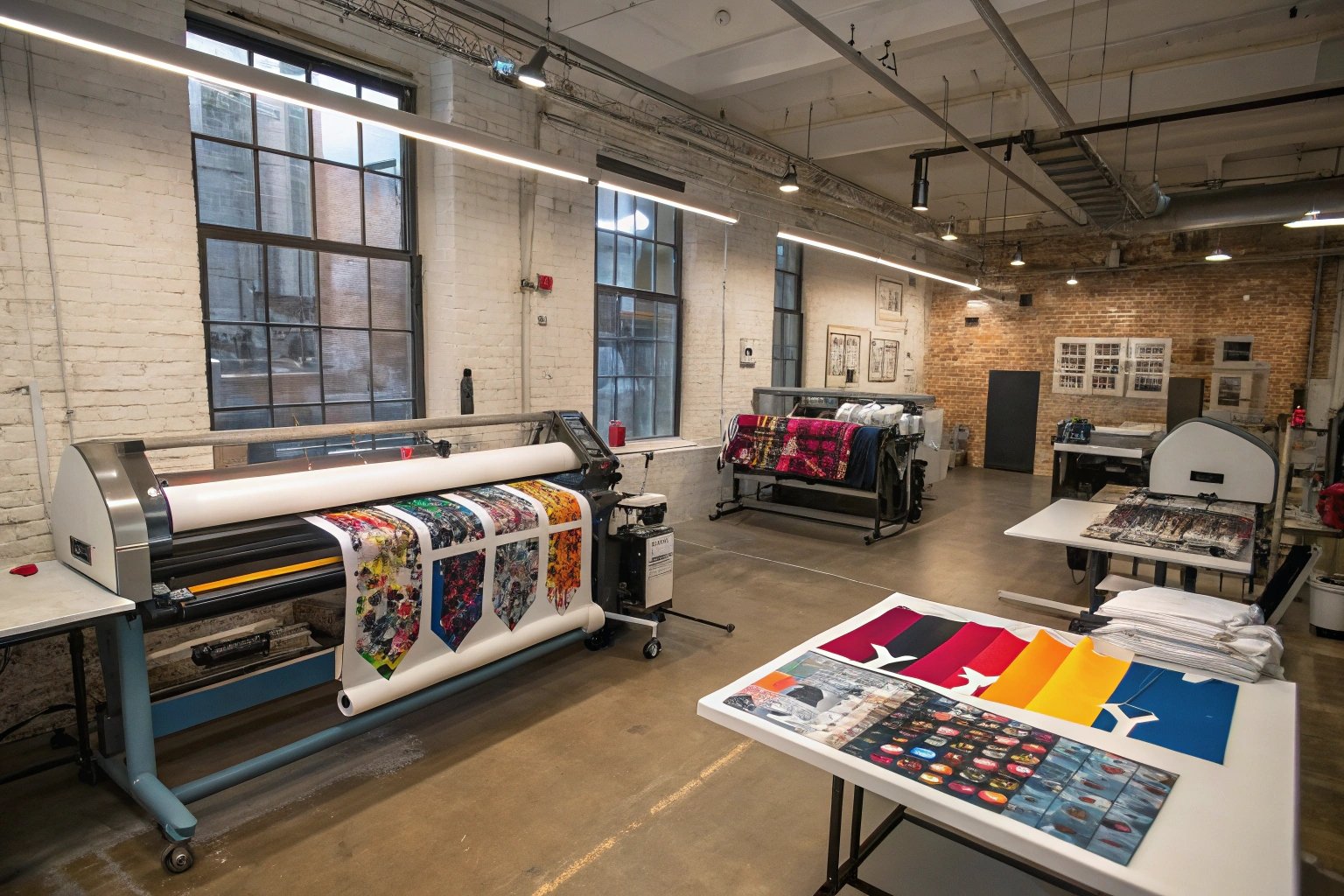
In the dynamic world of streetwear, originality is everything. Whether you’re a startup fashion brand or a niche designer label, sourcing custom printed jersey fabric in small production runs can help you launch bold collections without overcommitting inventory.
This article walks you through how to source premium jersey fabric tailored to your aesthetic, brand identity, and quantity needs—without sacrificing quality or printing precision.
Understanding Jersey Fabric Types and Print Compatibility
Custom streetwear printing demands deep knowledge of the jersey fabric base, as it directly impacts print clarity, color vibrancy, and garment stretch.
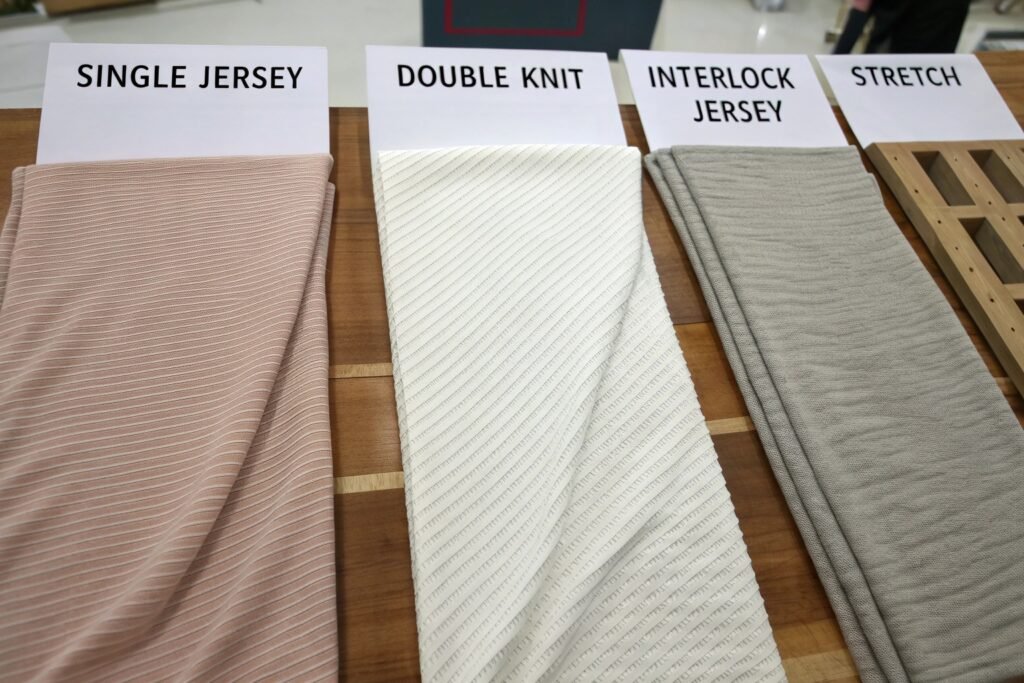
What Are the Most Suitable Jersey Types for Printing?
-
Single Jersey (100% cotton or CVC):
- Smooth surface, lightweight
- Ideal for screen printing and DTG (direct-to-garment)
-
Polyester Spandex Jersey:
- Retains color well in sublimation printing
- Excellent for active and street-style wear
-
Interlock Jersey:
- Thicker, double-faced knit
- Good for deeper color saturation, heavier feel
Find specs and fabric swatches via KnitFabric.com and wholesale options on Alibaba Jersey Printing Suppliers.
What Print Methods Work Best on Jersey Fabric?
- Screen Printing: Best for bold graphics, 1-3 colors
- DTG (Direct-to-Garment): For full-color detail on cotton
- Sublimation Printing: Only works on polyester blends
- Heat Transfer Vinyl (HTV): For small logos or text overlays
For technical printing guides, visit Printful’s Jersey Fabric Guide or Contrado’s fabric printing tech breakdown.
Finding Small MOQ Fabric Printers That Support Customization
In small batch production, sourcing a supplier with a low minimum order quantity (MOQ) is crucial for cost control and flexibility.
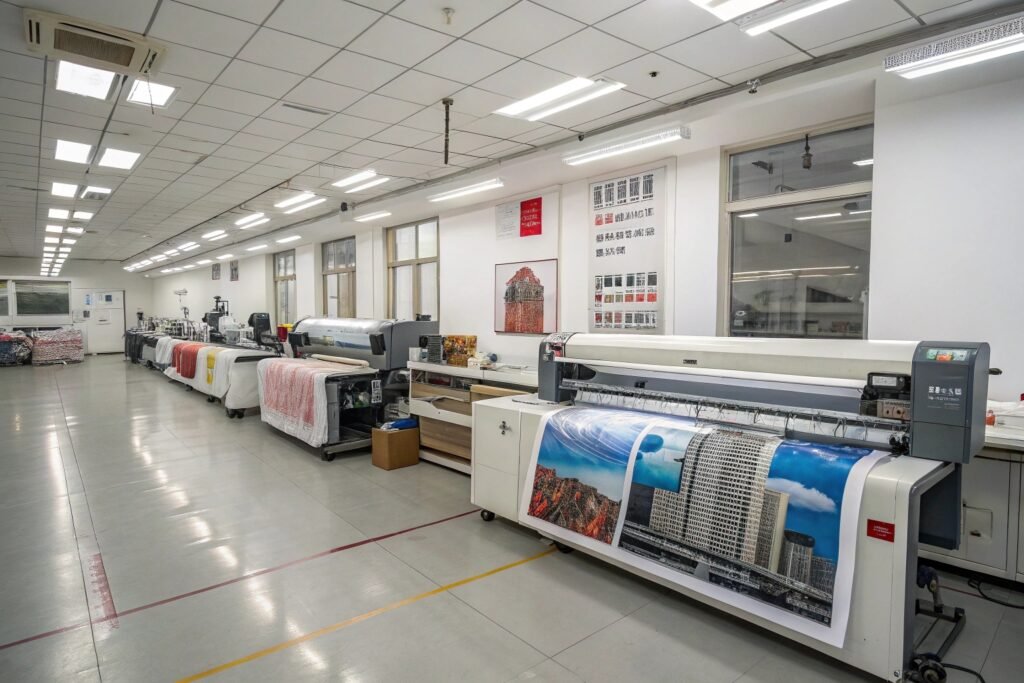
Where Can You Order Custom Printed Jersey with Low MOQ?
Look for vendors offering:
- MOQ of 10–50 meters for sampling
- Digital textile printing (DTP) setups
- Custom color matching (Pantone support)
Reliable platforms include Art Fabrics (Canada) and Fabrics Yard (Korea).
How to Identify Print Shops That Understand Streetwear Needs?
Search for those who:
- Show past urban, graffiti, pop art designs
- Have knowledge in colorfastness, stretch retention
- Offer sample cuts and mockup visuals
Check suppliers like WOVNS (USA) for custom jacquard jersey or Spoonflower Pro for artist-ready DTP support.
Tips for File Preparation, Color Matching, and Repeats
Before placing your order, you need to make sure your print files and color data are optimized for fabric output.
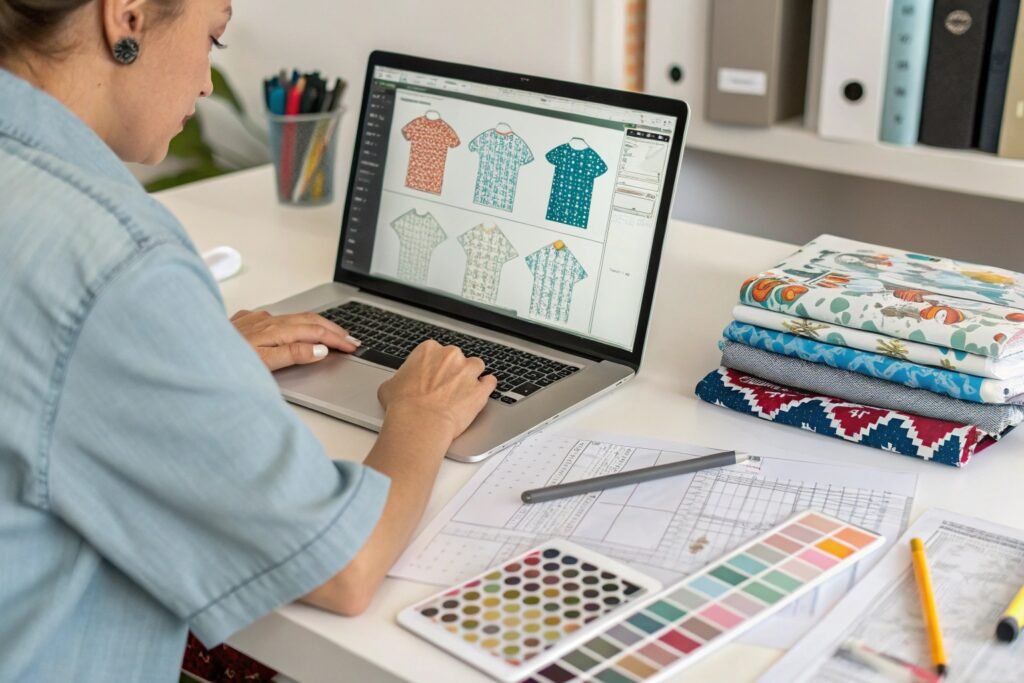
How to Prepare Print Files for Jersey Textile Output?
- Use CMYK or Pantone color format
- Create repeatable pattern tiles (300 DPI minimum)
- Provide layered AI/PSD files with bleed and trim info
- Label stretch direction and print grainline
Learn file setup tips on Contrado’s designer resource center or Design Pool’s print formatting guides.
How to Avoid Color Discrepancies in Printed Jersey?
- Always request a strike-off sample
- Avoid excessive black overlays (can bleed on cotton)
- Adjust for fabric absorbency and weave
Many print studios offer ICC color profiles—more on that via Colourlab (UK) and InkFX Printing.
Global Sourcing Platforms and Ethical Production Hubs
Small streetwear brands often hesitate to order internationally, but there are low-MOQ, ethical jersey print houses in multiple regions.
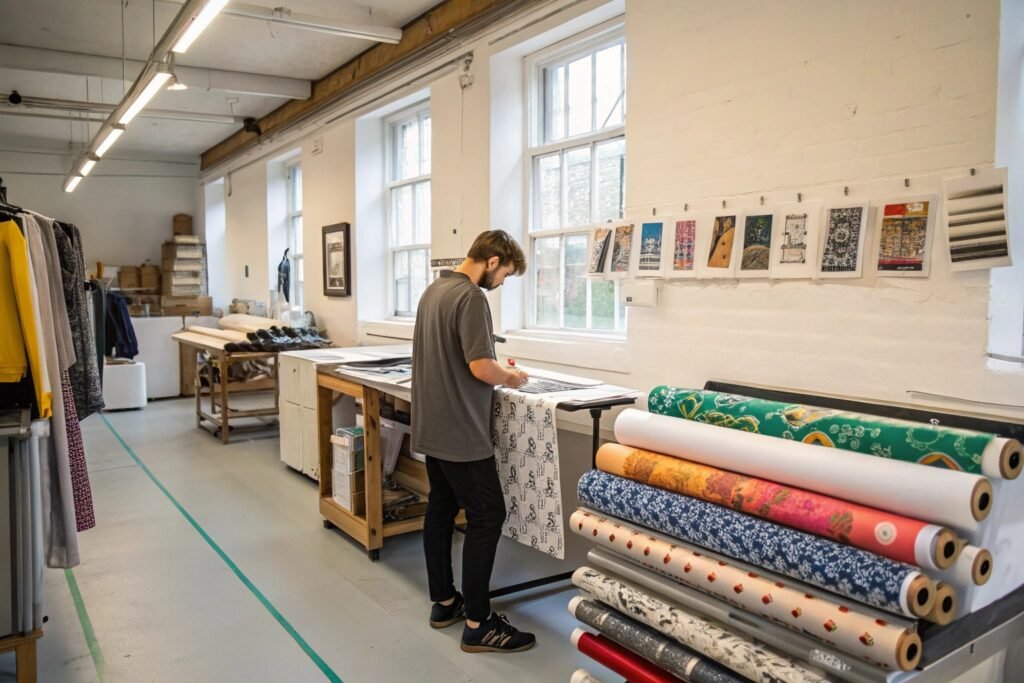
Which Countries Offer Custom Printed Jersey for Small Runs?
- Portugal: Known for quality, EU-compliant factories
- India: GOTS-certified cotton jersey print units
- China: Largest selection, fast digital sublimation
- Turkey: Mid-range cost with OEKO-TEX compliance
- USA: Higher cost but fast lead times and support
Check out vendors like Ryder Wear Fabric Sourcing and Printful’s Local US Fulfillment.
How to Ensure Ethical and Sustainable Fabric Sourcing?
- Request GRS, OEKO-TEX, or GOTS certificates
- Avoid vendors with no compliance documentation
- Ask for factory audit reports and water-based ink use
Explore responsible producers on Foursource or view impact reports on Textile Exchange.
Conclusion
Custom printed jersey fabric can transform your streetwear designs into statement pieces. But sourcing the right fabric for small runs requires strategic choices—starting from selecting the proper knit base, identifying the best print method, and finding a low-MOQ, compliant supplier.
For small brands, quality and flexibility outweigh price per meter. Work with printers who understand urban design, offer sample cuts, and provide visual mockups. Don’t overlook international suppliers just because of geography—many now offer DDP shipping and virtual sampling.
The key is preparation. A well-prepped print file, a trusted mill, and strong fabric testing can help you scale your creative ideas into wearable collections that resonate on the street.