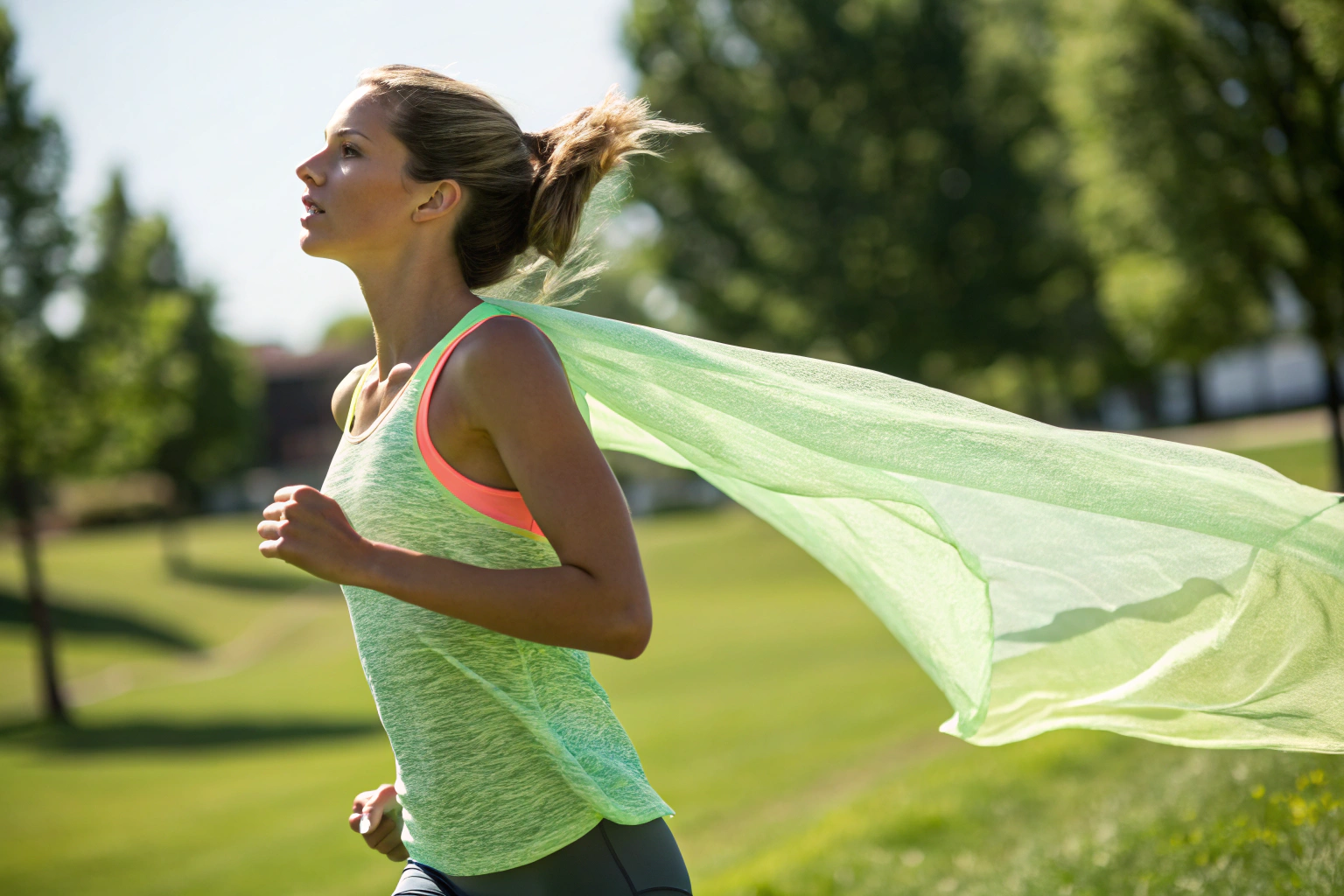
I remember a conversation with a client from a sportswear brand in Florida about six years ago. He was frustrated. His summer activewear line was selling well, but the returns were piling up. Customers loved the designs, but they complained the fabric was too hot. They said it felt like wearing a plastic bag in the Florida humidity. The client had sourced a cheap polyester knit that looked good on the model but performed terribly in real life. He lost money on that season, and he learned a hard lesson: for summer activewear, cooling isn't a luxury. It's a requirement.
That lesson has stuck with me. Over the years, I've worked with clients from Miami to Singapore to Sydney, all of them looking for fabrics that can handle heat and sweat. I've learned that cooling knitted fabrics are not all the same. The fiber choice matters. The knit structure matters. The finish matters. And the way you test them matters.
At Shanghai Fumao, we've developed and supplied cooling knits for everything from running shirts to yoga tops to cycling jerseys. We've learned what works and what doesn't. In this article, I'm going to share what I've learned about sourcing cooling knitted fabrics for summer activewear—the technologies, the testing, and the common pitfalls to avoid.
What Makes a Knitted Fabric Cooling?
A cooling fabric doesn't cool you like an air conditioner. It doesn't actively lower your body temperature. Instead, it helps your body's natural cooling mechanisms work more effectively. It wicks sweat away from your skin. It dries quickly. It allows air to flow through. It feels cool against the skin.
How Does Moisture Wicking Work?
Moisture wicking is the most important property for cooling activewear. When you sweat, your body is trying to cool itself by evaporating moisture from your skin. If that moisture stays on your skin or gets trapped in the fabric, you feel hot and sticky. If the fabric pulls the moisture away from your skin and spreads it across a larger surface area, it evaporates faster and you feel cooler.
Moisture wicking is not a property of the fiber itself. It's a property of how the fiber is structured and how the fabric is constructed. Polyester is naturally hydrophobic—it repels water. But when polyester fibers are engineered with special cross-sections—like channels or grooves—they can pull moisture along their surface through capillary action. That's wicking.
Cotton is the opposite. Cotton is hydrophilic—it absorbs water. But it holds onto that water. It doesn't spread it. It doesn't dry quickly. That's why a cotton t-shirt feels heavy and wet when you sweat. It's not good for activewear.
I had a client from a running brand in Texas who was using a cotton-polyester blend for their summer shirts. The shirts were cheap to produce, but runners hated them. The cotton held sweat, and the shirts became heavy and uncomfortable after a few miles. We switched them to a 100% polyester knit with a channeled fiber cross-section. The difference was night and day. The runners reported feeling much cooler. The client's sales increased by 25% the next summer. For a technical explanation of moisture wicking, this textile science resource offers a guide to capillary action in fibers.
What Role Does Breathability Play?
Breathability is how easily air passes through the fabric. More air flow means more evaporation, which means more cooling. Breathability is determined by the knit structure, the yarn thickness, and the fabric weight.
An open knit structure—like a mesh or a pique—allows more air flow than a tight jersey knit. But there's a trade-off. More open structures are less durable and can be less opaque. For activewear, you need to balance breathability with coverage and durability.
The weight of the fabric also matters. Lighter fabrics are generally more breathable than heavier fabrics. For summer activewear, I typically recommend weights between 120 and 180 GSM. Anything heavier feels too thick and traps heat. Anything lighter can be too sheer and may not hold up to washing.
I remember a client from a cycling brand in Australia who wanted a jersey for summer racing. The cyclists were riding in 35-degree heat. They needed maximum airflow. We developed a mesh knit with a very open structure—about 140 GSM. The fabric was almost transparent when held up to the light, but when worn, the stretch and the dark color provided enough coverage. The cyclists loved it. They said they could feel the wind through the fabric. For a guide to breathability in knits, this textile engineering resource offers an explanation of air permeability testing.
What Fibers Are Best for Cooling Knits?
The fiber is the foundation of a cooling fabric. Different fibers have different properties. Some are naturally cooling. Others need to be engineered. And some—like cotton—should be avoided entirely for high-intensity summer activewear.
Why Is Polyester the Most Common Cooling Fiber?
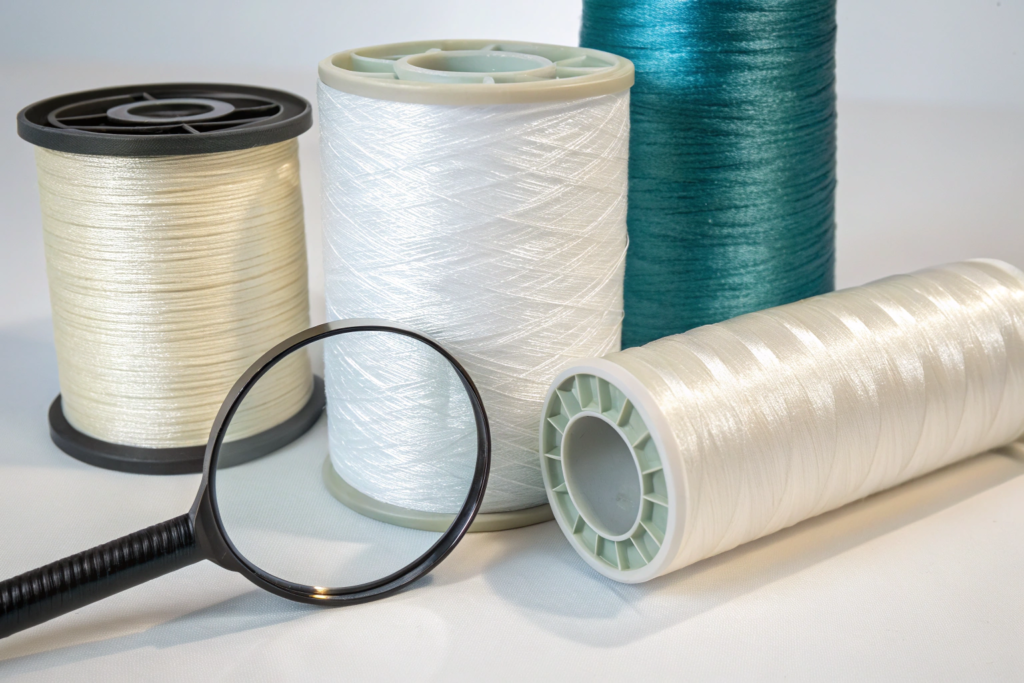
Polyester dominates the activewear market for good reason. It's durable, it's affordable, and it can be engineered to wick moisture effectively. The key is the fiber cross-section. Standard round polyester fibers don't wick well. But fibers with channels, grooves, or star-shaped cross-sections create capillary action that pulls moisture away from the skin.
Brands like Coolmax, Cocona, and Polartec have developed proprietary polyester fibers with enhanced wicking properties. These fibers are more expensive than standard polyester, but they perform significantly better. For premium activewear, they're worth the investment.
I had a client from a golf brand in California who wanted a polo shirt that would keep golfers cool in the summer sun. We used a Coolmax polyester knit with a pique structure. The fabric wicked sweat, dried quickly, and had a soft hand feel. The client told us that golfers loved the shirts. They said the shirts stayed dry even on the hottest days. The brand sold out of the line in six weeks.
For a guide to performance polyester fibers, this textile technology resource offers a comparison of wicking polyester brands.
What About Nylon and Polypropylene?
Nylon is another good option for cooling knits. It's stronger than polyester and has a softer hand feel. But nylon absorbs more water than polyester, so it doesn't dry as quickly. For activities where you sweat heavily—like running or cycling—polyester is usually better. For lower-intensity activities like yoga or casual wear, nylon can be a good choice.
Polypropylene is the lightest of the synthetic fibers and is naturally hydrophobic. It wicks moisture very effectively and dries almost instantly. But polypropylene has a lower melting point than polyester, which makes it harder to dye. It's also more expensive. You typically find polypropylene in high-end base layers for skiing or cold-weather activities, not summer activewear.
I had a client from a triathlon brand in the UK who wanted a top that would dry instantly after a swim. We developed a fabric with a polypropylene inner layer for wicking and a polyester outer layer for durability. The fabric was expensive—about 30% more than a standard polyester knit—but the performance was exceptional. Triathletes loved it. The client built their entire summer collection around that fabric.
For a comparison of synthetic fibers for activewear, this sportswear resource offers a guide to choosing performance fibers.
What Knit Structures Work Best for Cooling?
The knit structure is as important as the fiber. A poorly constructed knit can trap heat even with the best fibers. The right knit structure enhances breathability, wicking, and comfort.
Why Is Single Jersey the Most Common?
Single jersey is the simplest knit structure. It's a basic weft knit with a smooth surface on one side and a slightly rougher surface on the other. It's stretchy, comfortable, and affordable. For many activewear applications, a lightweight single jersey in a wicking polyester is perfectly adequate.
The limitation of single jersey is that it's not as breathable as more open structures. The fabric sits flat against the skin, which can trap moisture if the wicking isn't efficient. For low-intensity activities or for casual summer wear, it's fine. For high-intensity activities, you might want something more engineered.
I had a client from a yoga brand in Los Angeles who wanted a simple, comfortable top for hot yoga. We used a 160 GSM single jersey in a wicking polyester. The fabric was soft, stretchy, and dried quickly. The client sold thousands of units. For hot yoga, the single jersey was perfect—it was comfortable against the skin and didn't hold sweat.
For a guide to single jersey knits, this textile education resource offers an overview of weft knit structures.
When Should You Use Mesh or Pique?
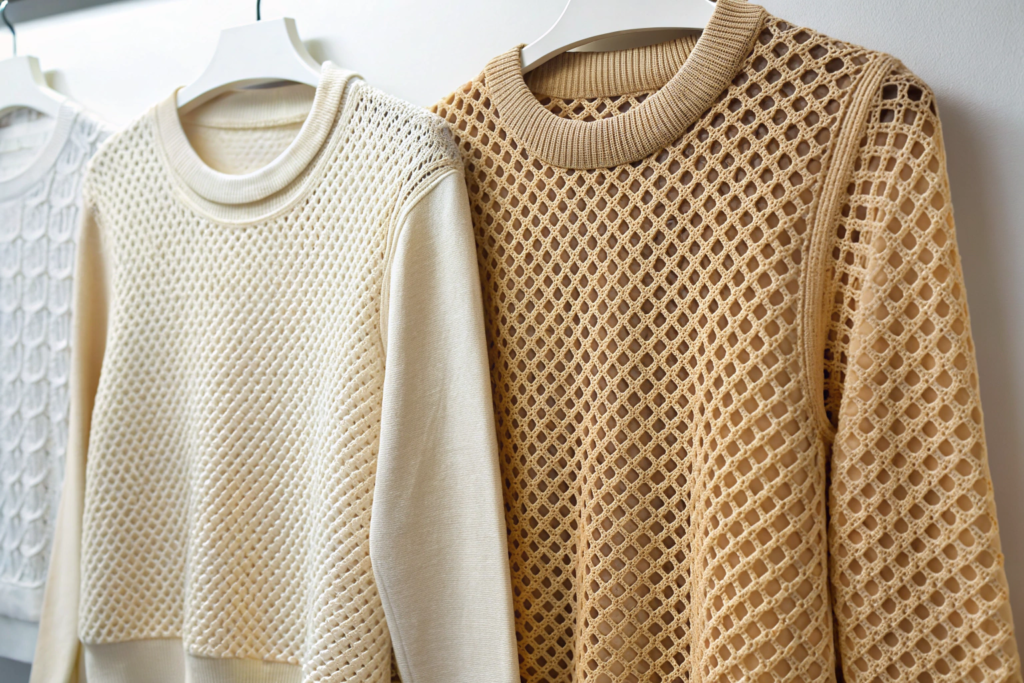
Mesh knits have an open structure with visible holes. They're the most breathable option. Mesh is often used in racing jerseys, cycling tops, and other high-intensity activewear where maximum airflow is the priority. The downside is that mesh can be less durable and can snag more easily.
Pique knits have a textured, honeycomb-like surface that creates air pockets between the fabric and the skin. This improves airflow and reduces the surface area in contact with the skin. Pique is commonly used in polo shirts and other activewear where you want a more structured look. It's less breathable than mesh but more breathable than single jersey.
I had a client from a tennis brand in Spain who wanted a polo shirt for summer tournaments. They needed something that looked structured but performed in the heat. We developed a pique knit in a lightweight, wicking polyester. The textured surface kept the fabric off the skin, allowing air to circulate. The tennis players loved them. The brand told us that the polos were their best-selling summer item.
For a guide to mesh and pique knits, this textile technology resource offers a comparison of breathable knit structures.
What Finishes Enhance Cooling Performance?
Fiber and structure are the foundation. But finishes can take cooling performance to the next level. Permanent finishes applied during dyeing or finishing can enhance wicking, add cooling sensations, or provide odor control.
What Is a Permanent Moisture Wicking Finish?
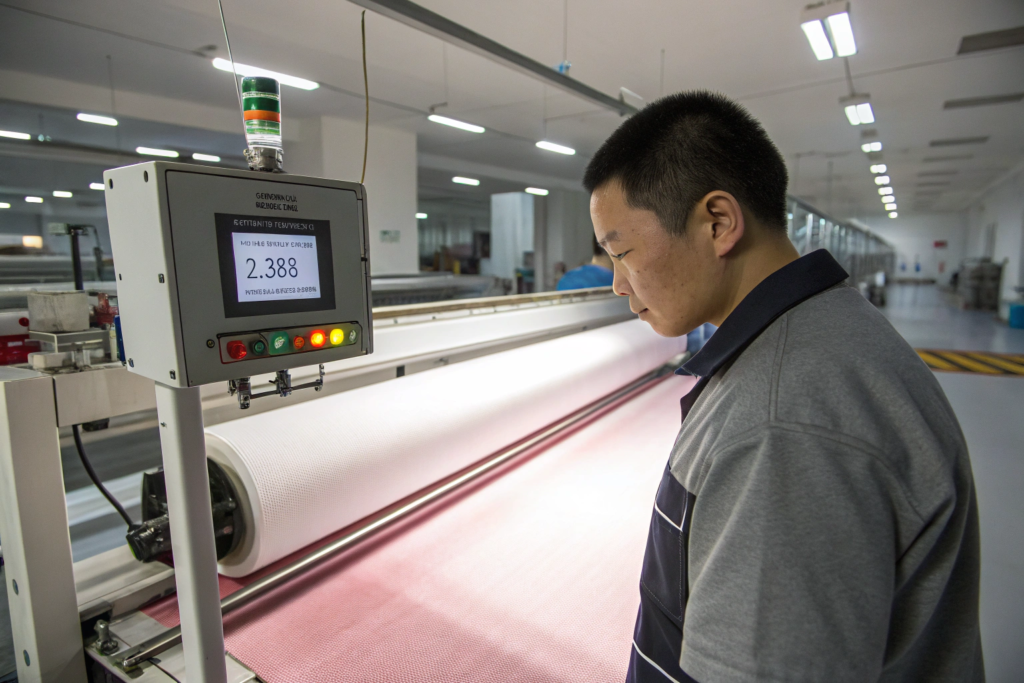
A moisture wicking finish is a chemical treatment applied to the fabric that enhances its ability to pull moisture away from the skin and spread it across the surface. The finish is usually a hydrophilic (water-attracting) polymer that bonds to the surface of the fibers.
The finish is applied during the finishing process. The fabric passes through a bath of the finish, then is dried and cured. A good finish will last for the life of the garment—through dozens of washes. A poor finish will wash out after a few cycles.
I had a client from a running brand in the UK who was using a fabric with a cheap wicking finish. The finish washed out after 10 washes. Runners complained that the shirts lost their cooling properties. We switched them to a fabric with a premium permanent finish that lasted 50 washes. The client's return rate dropped by 80%.
For a guide to moisture wicking finishes, this textile chemistry resource offers an explanation of hydrophilic treatments.
What Is a Cooling Finish?
Some finishes go beyond wicking. They actually create a cooling sensation when the fabric touches the skin. These finishes use materials like xylitol or menthol derivatives that have a cooling effect on contact. When you sweat, the cooling effect is amplified.
These finishes are not permanent. They last for a certain number of washes—usually 20 to 30—and then fade. But for consumers who want that instant cool feeling, they can be a powerful selling point.
I had a client from a luxury activewear brand in the US who wanted a fabric that felt cool the moment you put it on. We developed a nylon-spandex blend with a cooling finish. The fabric had a silky hand feel and a noticeable cool-to-the-touch sensation. The client priced the leggings at $120. They sold out in a week. Customers raved about the cooling feel.
For a guide to cooling finishes, this textile technology resource offers an overview of cooling technologies for fabrics.
How Do You Test Cooling Fabrics?
Testing is critical. A fabric that feels cool in your hand might perform poorly on a sweaty runner. You need objective data, not just subjective impressions.
What Is the Sweating Hot Plate Test?
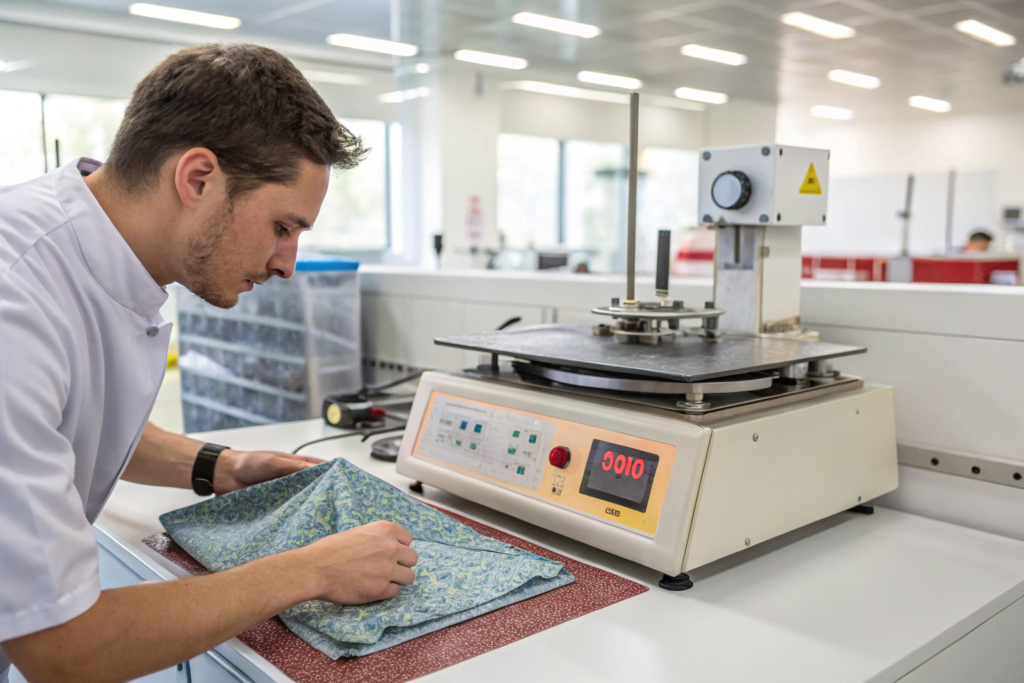
The sweating hot plate test—also called the thermal manikin test—is the industry standard for measuring a fabric's cooling performance. The test uses a heated plate that simulates human skin. The plate is heated to skin temperature. Water is supplied to simulate sweating. The fabric is placed over the plate. The test measures how much heat is transferred through the fabric and how quickly moisture evaporates.
The results are given in terms of thermal resistance and evaporative resistance. Lower numbers mean better cooling. This test is expensive—it requires specialized equipment—but it's the most reliable way to compare cooling fabrics.
I had a client from a major sportswear brand who used this test to select fabrics for their summer line. They tested ten different fabrics. The top performer was a mesh knit with a specialized wicking finish. The worst performer was a standard polyester jersey. The client used the test data to justify the higher cost of the premium fabric.
For a guide to sweating hot plate testing, this textile testing resource offers an explanation of thermal manikin tests.
What Simple Tests Can You Do Yourself?
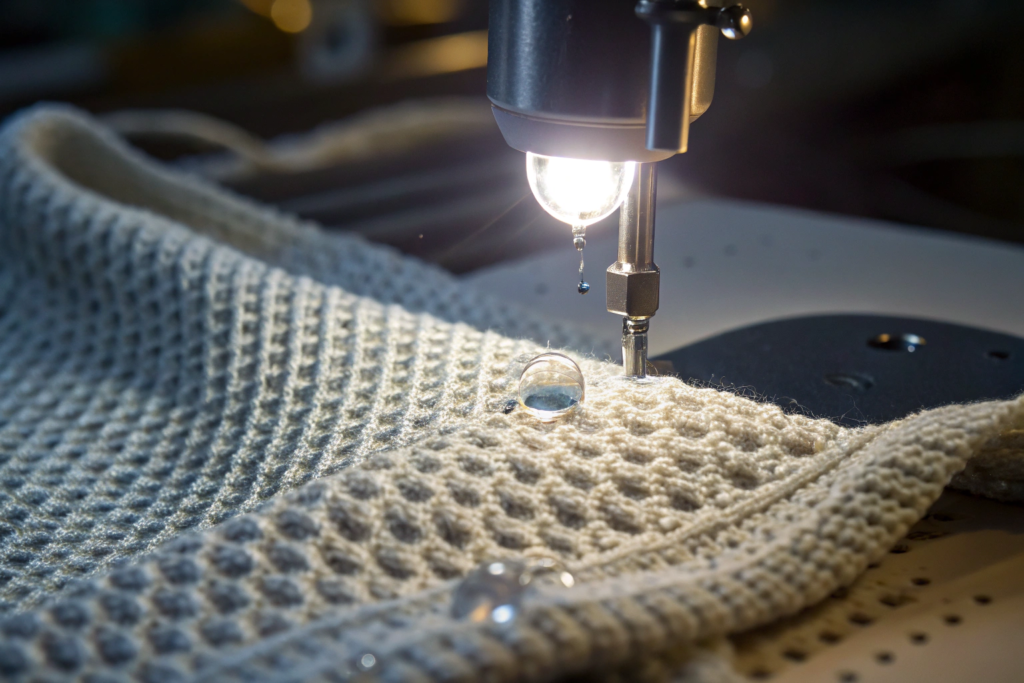
Not everyone has access to a thermal manikin. But there are simple tests you can do to evaluate cooling fabrics. The first is the water drop test. Place a drop of water on the fabric. Watch how quickly it spreads and how fast it evaporates. A good cooling fabric will spread the drop rapidly and dry within seconds.
The second is the touch test. Place the fabric against your forearm. Does it feel cool? Now wet the fabric slightly. Does it feel cooler? A fabric with a good wicking finish will feel noticeably cooler when wet.
The third is the wear test. There's no substitute for wearing the fabric in real conditions. If you're sourcing for running shirts, put one on and go for a run. See how it feels. Does it stay dry? Does it feel sticky? Does it hold odor? A good cooling fabric will perform well in the real world.
I always tell my clients to do the wear test before committing to a large order. We'll send them enough fabric to make a sample garment. They'll test it. They'll give us feedback. Then we'll refine if needed. It adds time, but it saves money in the long run.
For a guide to simple fabric tests, this quality control resource offers a checklist of field tests for activewear fabrics.
What Are the Common Pitfalls When Sourcing Cooling Knits?
Even with good intentions, things can go wrong. I've seen buyers make the same mistakes over and over. Here are the pitfalls to watch out for.
How Do You Avoid Fabrics That Trap Heat?
The biggest pitfall is choosing a fabric that looks cooling but performs poorly. Some cheap polyester knits have a shiny, smooth surface that feels cool to the touch but traps heat against the skin. The problem is the lack of texture. Without texture, the fabric sits flat against the skin, and there's nowhere for moisture to go.
I had a client who ordered a large quantity of a shiny polyester knit. The fabric looked great in the sample. But when his customers wore it, they complained it felt like a plastic bag. The fabric had no wicking properties. The client lost money on the order. Now, he always tests for wicking before ordering.
The solution is to look for texture. A fabric with a brushed or textured surface will perform better than a smooth, shiny fabric. Also, look for specialized wicking fibers or finishes. Don't assume that all polyester is the same.
For a guide to identifying poor-quality cooling fabrics, this sourcing resource offers a list of red flags for activewear fabrics.
How Do You Balance Cooling with Durability?
Cooling features sometimes come at the expense of durability. Mesh knits are breathable, but they snag easily. Lightweight fabrics are cool, but they may not hold up to repeated washing. You need to balance performance with durability based on your intended use.
For a running shirt that will be washed weekly, durability matters. For a race jersey that will be worn a few times, you can prioritize breathability over durability.
I had a client from a triathlon brand who wanted a mesh top for racing. The top was lightweight and extremely breathable. But after a few washes, the mesh started to pill. The client switched to a slightly heavier mesh with a tighter structure. It was a little less breathable, but it lasted three times as long. The trade-off was worth it.
For a guide to durability testing for activewear, this quality control resource offers an overview of abrasion and pilling tests.
Conclusion
Sourcing cooling knitted fabrics for summer activewear is about understanding the science behind the fabric. It's not enough to pick a fabric that looks good. You need a fabric that wicks moisture, breathes well, and feels comfortable against the skin. That means choosing the right fiber—usually polyester with a specialized cross-section. It means choosing the right knit structure—single jersey for comfort, mesh for maximum breathability, pique for a balance of structure and airflow. And it means considering finishes that enhance wicking or add a cooling sensation.
Testing is critical. A fabric that feels cool in your hand might perform poorly on a sweaty runner. Use the water drop test. Do the touch test. And if you can, do a wear test. Nothing beats real-world experience.
At Shanghai Fumao, we've been developing cooling knits for years. We work with fiber suppliers to source the best wicking fibers. We have the knitting machines to produce everything from lightweight single jerseys to open mesh structures. We have the finishing lines to apply permanent wicking finishes. And we have the testing equipment to verify performance.
If you're sourcing cooling knitted fabrics for summer activewear, let's talk. Tell us what you're making. Tell us what performance you need. We'll help you find the right fabric for your application. And we'll test it to make sure it performs.
Contact our Business Director, Elaine, to discuss your cooling fabric needs.
Email: elaine@fumaoclothing.com
Let's keep your customers cool this summer.