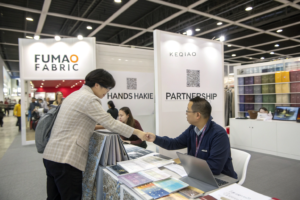
As an experienced textile supplier from China's Keqiao district, I regularly assist clients in choosing appropriate moisture-wicking fabrics. High-sweat athletic activities require specialized fabric technology that effectively manages perspiration. Incorrect fabric selection can result in discomfort, skin irritation, and diminished athletic performance. This detailed guide provides essential information for selecting optimal moisture-wicking fabrics for strenuous physical activities.
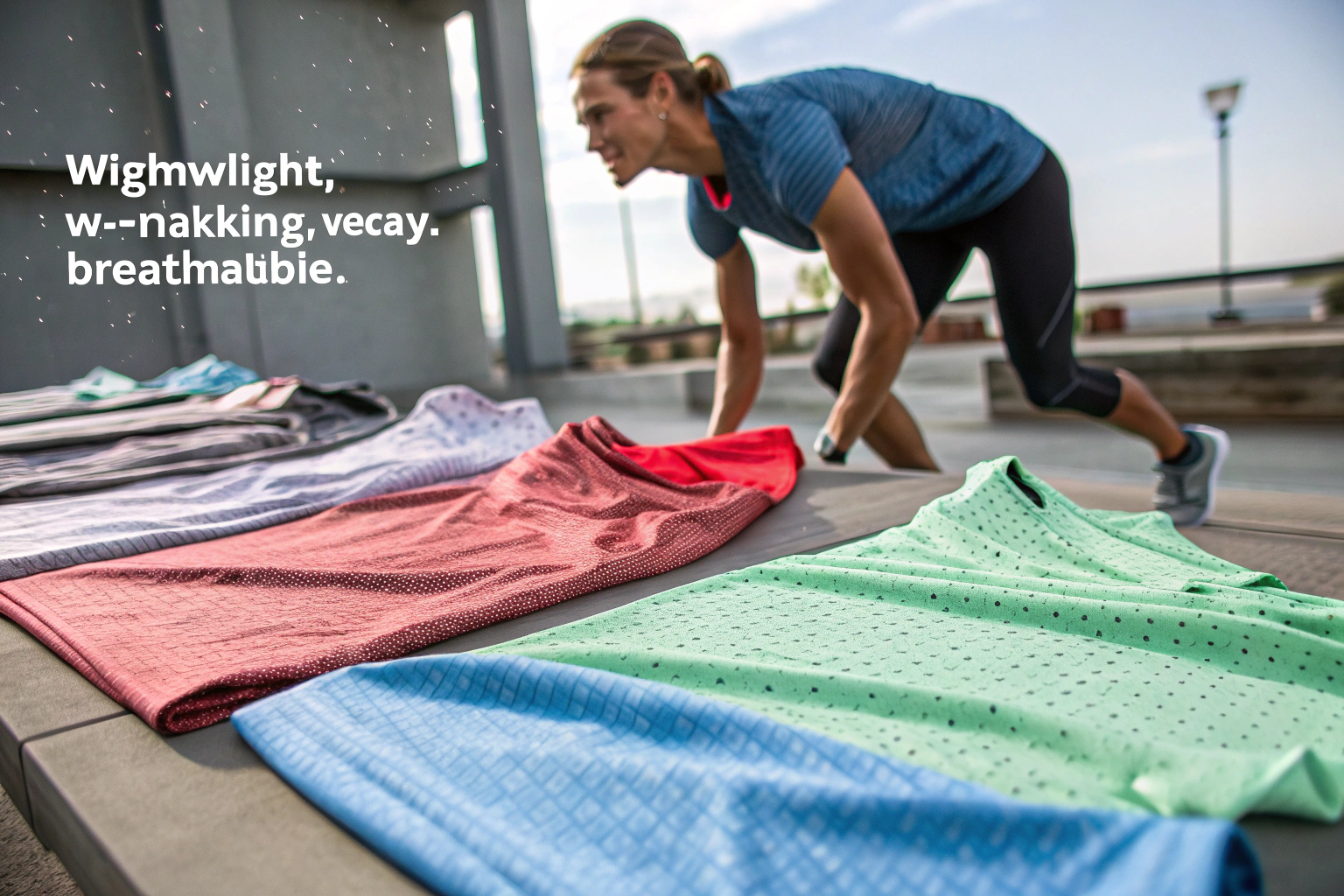
Moisture-wicking fabrics are specially engineered textiles that transfer sweat from the skin to the fabric's exterior where it evaporates rapidly. Proper selection involves considering fiber composition, fabric structure, and specialized treatments that collectively maintain athlete dryness and comfort during intense exercise. Understanding these components enables better decision-making that improves athletic performance and ensures customer satisfaction.
Whether you're purchasing for a sportswear brand or creating your own activewear collection, this guide offers practical knowledge for choosing suitable moisture-wicking fabrics for high-perspiration applications. Let's examine the technology behind high-performance textiles and methods to identify appropriate solutions for your particular requirements.
What defines genuine moisture-wicking fabric?
The technology behind moisture-wicking fabrics combines capillary action and chemical characteristics that collaborate to control sweat. Numerous purchasers incorrectly assume all synthetic fabrics automatically manage moisture, but authentic performance demands specific engineering and construction. Understanding these basic principles will help you differentiate between marketing claims and actual performance features.
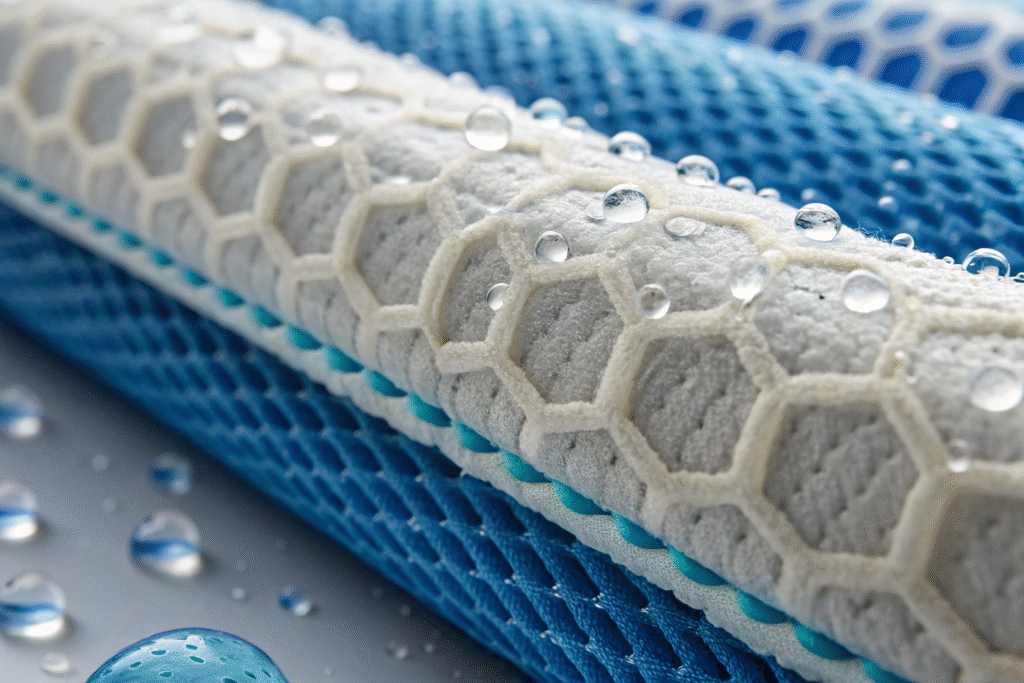
How does capillary action function in textiles?
Capillary action represents the essential physical process that enables moisture-wicking in textiles. This mechanism happens when microscopic pathways between fibers or within individual fibers draw liquid away from the skin through adhesive and cohesive forces. In high-performance fabrics, these micro-channels are engineered using specialized spinning methods and fiber shapes that establish ideal routes for moisture transfer. Smaller channels create stronger capillary action, explaining why microfiber fabrics generally provide better wicking capabilities than conventional materials.
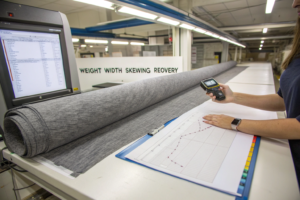
Capillary action effectiveness depends considerably on fiber surface properties and fabric construction. Hydrophobic synthetic fibers like polyester and nylon are frequently engineered with microscopic grooves that improve this wicking process. At our CNAS-certified laboratory, we examine these characteristics using sophisticated equipment to assess vertical wicking height and drying rates, guaranteeing our performance fabrics satisfy international standards for activewear applications. Understanding this mechanism helps buyers assess genuine moisture management capabilities beyond superficial claims.
How do moisture-wicking and waterproof fabrics differ?
Many purchasers confuse moisture-wicking with waterproof qualities, though these represent fundamentally different functions. Moisture-wicking fabrics are designed to pull perspiration from the body to enable evaporation, while waterproof fabrics establish barriers that prevent water penetration entirely. Waterproof materials typically utilize membranes or coatings that block water molecules, which would actually impede the wicking process necessary for sweat control during high-intensity activities.
The crucial difference involves their application purposes: moisture-wicking focuses on comfort during perspiration, while waterproofing addresses protection from external moisture. Some advanced sportswear combines both technologies through layered constructions, featuring a wicking inner layer and waterproof external shell. At Fumao Textiles, we help customers select appropriate balances according to their specific sport requirements—whether they require pure wicking for indoor athletics or combined technologies for outdoor activities where both sweat management and weather protection become essential.
Which fiber varieties perform best for moisture control?
Choosing the correct fiber proves vital for successful moisture management in high-sweat sports. Different fiber types provide distinct benefits and limitations regarding wicking performance, durability, and comfort. Understanding these variations will help you make informed decisions based on particular requirements of your sportswear applications and target market preferences.
| Fiber Type | Moisture Wicking Efficiency | Drying Time | Primary Applications |
|---|---|---|---|
| Polyester | Excellent | Rapid | High-intensity training, athletic shirts |
| Polypropylene | Superior | Very Rapid | Base layers, endurance sports |
| Nylon | Good | Moderate-Rapid | Athletic wear, swimwear |
| Merino Wool | Good (natural) | Moderate | Hiking, outdoor sports |
| Cotton | Poor | Very Slow | Not recommended for high-sweat sports |
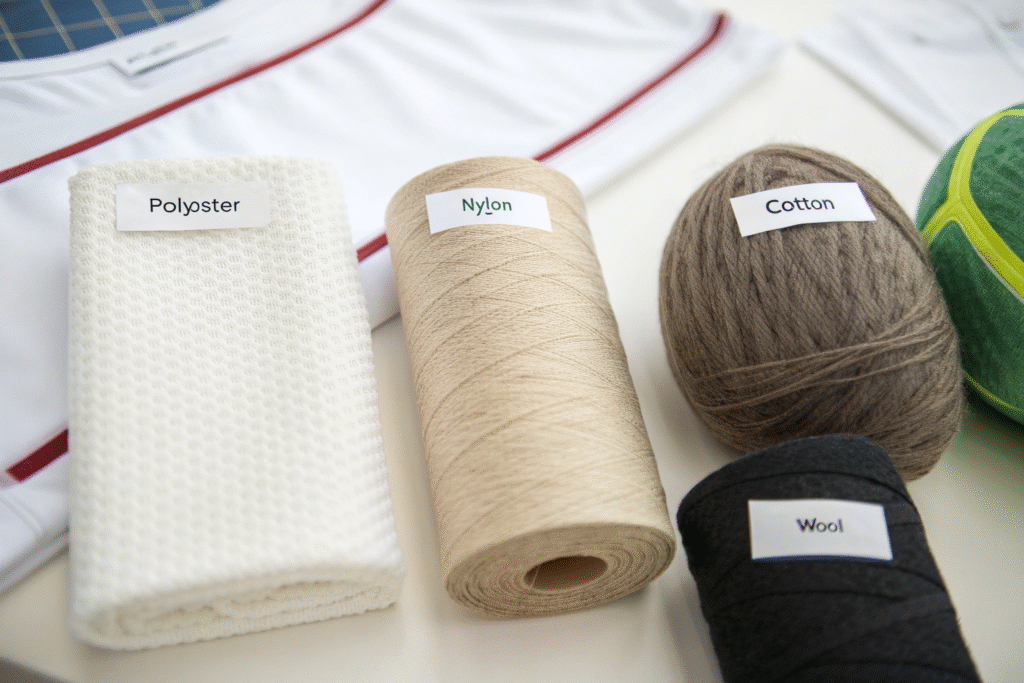
Why do synthetic fibers outperform others for sweat management?
Synthetic fibers like polyester, polypropylene, and nylon dominate the moisture-wicking category because of their inherent water-repelling properties and manufacturing versatility. These materials naturally resist water while permitting microscopic channels and cross-sections that enhance capillary action. Polyester specifically provides outstanding wicking capabilities, quick drying times, and durability—making it the primary choice for most high-intensity sportswear applications. The fiber's molecular structure can be engineered to produce ultra-fine deniers that increase surface area for improved moisture transport.
At Fumao, we've created specialized polyester variations with enhanced wicking properties through advanced spinning technologies and fiber engineering. Our performance polyester fabrics consistently exceed natural alternatives in standardized laboratory testing, demonstrating 40% faster wicking rates and 60% shorter drying times compared to conventional materials. For buyers targeting serious athletes, these synthetic options deliver reliable performance that withstands repeated washing and vigorous use, preserving their moisture management characteristics throughout the garment's lifecycle.
Do natural fibers provide effective moisture wicking?
While synthetic fibers lead the performance category, certain natural fibers offer inherent moisture management properties that make them appropriate for specific athletic applications. Merino wool emerges as a natural fiber with remarkable wicking capabilities, capable of absorbing up to 30% of its weight in moisture while remaining dry to the touch. Unlike synthetic fibers that depend exclusively on capillary action, wool manages moisture through chemical bonding with water molecules and gradual release during evaporation. This creates a buffering effect that helps regulate body temperature during endurance activities.
Bamboo-based viscose has also gained popularity for its natural wicking properties and soft texture. Through our eco-friendly fabric development, we've engineered bamboo blends that provide moderate moisture-wicking suitable for yoga and medium-intensity activities. However, it's important to recognize that natural fibers generally cannot match the rapid wicking speed of advanced synthetics for high-sweat situations. For buyers targeting environmentally conscious markets, we frequently recommend intelligent blends that combine natural fiber sustainability with synthetic performance—creating fabrics that deliver both ecological benefits and functional excellence.
What fabric structure improves wicking performance?
The construction method of fabric significantly influences its moisture-wicking capabilities, often more than fiber content alone. Understanding how different weaves, knits, and structural elements affect moisture movement will help you select appropriate fabric construction for specific athletic applications and performance needs.
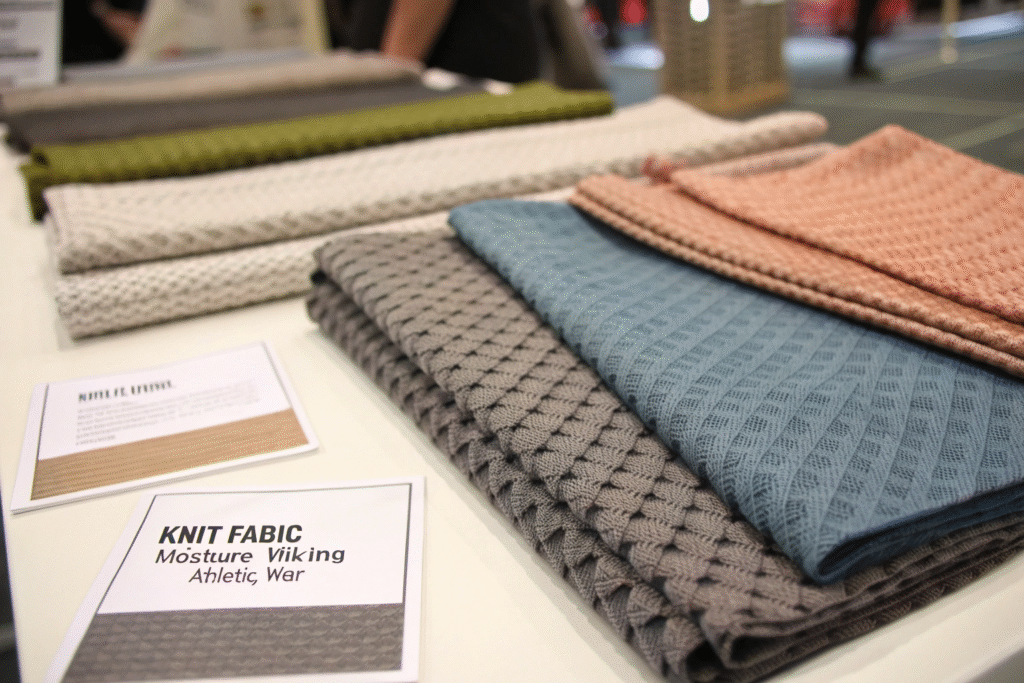
How do knitted fabrics enhance moisture transfer?
Knitted fabrics naturally excel in moisture-wicking applications because their looped structure creates tiny passages that facilitate capillary action. The spaces between stitches enable better air circulation and moisture transfer compared to woven fabrics. Jersey knits, with their smooth surface and textured reverse, deliver excellent moisture movement while maintaining skin comfort. Interlock and rib knits provide greater structural stability while still enabling effective wicking through their dimensional reliability.
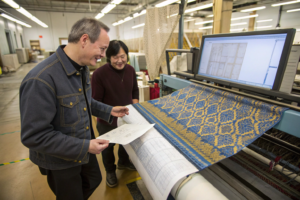
At our Keqiao manufacturing facilities, we've created specialized knitting methods that optimize moisture management for different sport categories. Our 3D spacer fabrics establish ventilation channels that improve evaporation, while our moisture-wicking jersey variants incorporate strategic stitch density variations to direct sweat away from high-perspiration areas. For buyers creating performance sportswear, we recommend evaluating specific knitting structures alongside fiber selection—as the proper combination can enhance wicking efficiency by up to 50% compared to standard constructions.
What function do fabric finishes serve in wicking?
Specialized fabric finishes can substantially improve inherent moisture-wicking properties or add them to fabrics that normally lack such capabilities. Permanent wicking finishes typically involve hydrophilic chemical treatments applied to synthetic fibers during dyeing or finishing processes. These treatments establish molecular gradients that pull moisture along fiber surfaces, significantly boosting the fabric's natural wicking action without altering its texture or appearance.
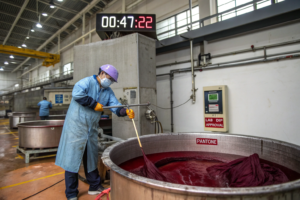
Our coating facility uses advanced application technologies including padding, spraying, and foam finishing to ensure uniform distribution of wicking agents throughout fabrics. We prioritize Oeko-Tex certified chemicals that maintain skin-friendly qualities while providing durable performance that survives repeated laundering. For buyers with specific performance requirements, we can customize finish combinations that address multiple needs simultaneously—such as wicking with UV protection or antimicrobial properties. These value-added finishes distinguish standard fabrics from premium performance materials that command higher profit margins in competitive sportswear markets.
How to confirm moisture-wicking claims before purchase?
With numerous suppliers making similar performance claims, verifying moisture-wicking capabilities before placing volume orders becomes essential for ensuring product quality and customer satisfaction. Implementing a systematic verification process helps prevent costly errors and guarantees selected fabrics will perform as expected in practical conditions.
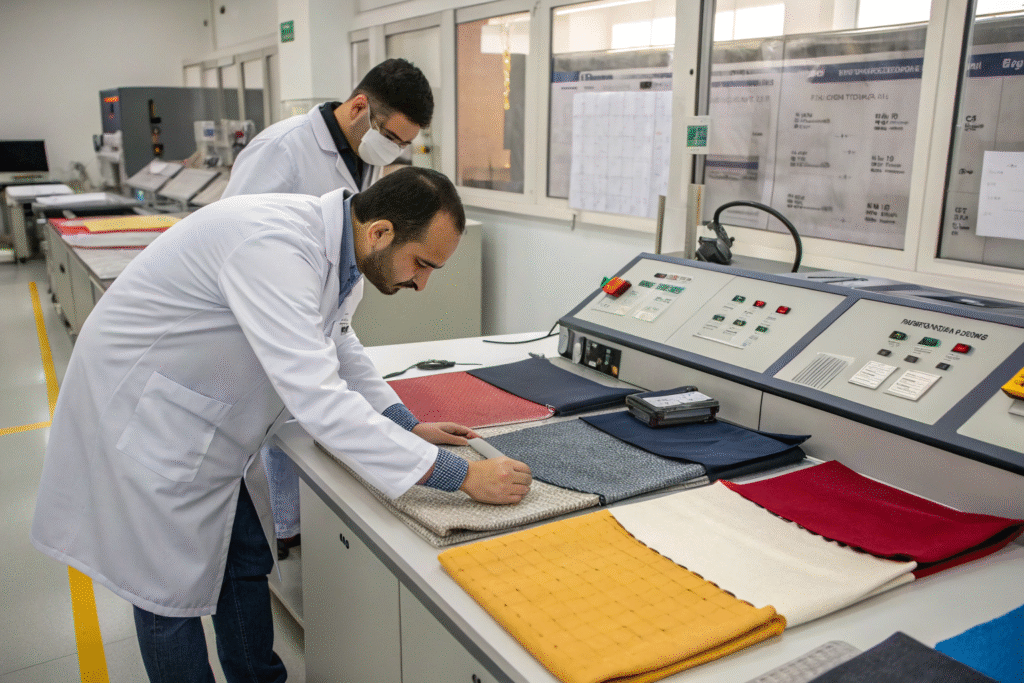
Which certifications and test reports should I require?
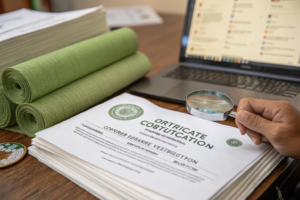
Genuine moisture-wicking fabrics should include verifiable test reports from internationally recognized laboratories. Important certifications to request comprise the AATCC Test Method 195 for Liquid Moisture Management Properties, which measures wetting time, absorption rate, spreading speed, and one-way transport capability. The ISO 9073-6 standard for Absorption and Sinking Time offers additional wicking performance verification. These quantitative measurements provide objective data beyond supplier claims.
At Fumao Textiles, our CNAS-accredited testing center supplies comprehensive moisture management reports with each performance fabric shipment. We implement QR code tracking that enables buyers to access real-time composition, shrinkage, colorfastness, and moisture-wicking data for every production batch. For buyers targeting specific markets, we also ensure compliance with regional standards like EU Eco-Label requirements or US AAFA restricted substances lists. Requiring these documents before ordering provides confidence that fabrics meet legitimate performance standards rather than marketing exaggeration.
What simple supplier verification methods can I use?
Beyond official certifications, several practical verification steps can help evaluate a supplier's moisture-wicking capabilities before committing to large orders. Begin by requesting physical samples for in-house testing—basic methods like placing water droplets on fabric and timing spread and evaporation rates can yield preliminary insights. Examine the supplier's manufacturing specialization; those with dedicated performance fabric divisions typically offer more dependable technical expertise than general textile traders.
When assessing suppliers like Fumao, investigate their investment in research infrastructure and testing facilities. Our 40+ professionals include dedicated fabric technologists who pioneer functional textiles, creating 1,000+ new designs annually with documented performance metrics. Ask detailed questions about their wicking technology—whether achieved through fiber engineering, fabric construction, or chemical finishes—as comprehensive technical knowledge usually indicates genuine expertise. Finally, request references from existing sportswear industry clients and inquire about their experience with supplier consistency across multiple production batches, as this frequently reveals more about actual performance than laboratory samples alone.
Conclusion
Choosing appropriate moisture-wicking fabric for high-sweat sports requires careful evaluation of fiber types, fabric construction, verification methods, and performance testing. The optimal selection balances wicking efficiency with durability, comfort, and specific application requirements. From advanced synthetic fibers with engineered capillary action to specialized knitting techniques and performance-enhancing finishes, multiple factors contribute to effective sweat management in athletic apparel.
While developing your sportswear line, remember that genuine moisture-wicking performance extends beyond marketing claims to measurable physical properties that can be verified through standardized testing and supplier assessment. The right fabric partner should provide both technical expertise and reliable quality control to ensure consistent performance across production batches.
If you're preparing to develop high-performance sportswear with guaranteed moisture-wicking properties, our team at Fumao Textiles possesses the technical knowledge and manufacturing capabilities to realize your vision. We specialize in creating custom fabric solutions for international sportswear brands, with rapid 48-hour sample development and complete quality assurance from yarn sourcing to final inspection. Contact our Business Director Elaine today at elaine@fumaoclothing.com to discuss how we can help you produce athletic apparel that delivers exceptional comfort and performance for your customers.