I got a call from a client in London two years ago. She was in tears. She had spent six months developing a custom jacquard pattern for her luxury scarf collection. She paid a mill in another province for the sample development. The samples were beautiful. She placed a large order. Six months later, she found her exact pattern being sold on a competitor’s website. The mill had taken her design and sold it to another buyer.
She had no contract. She had no protection. She had a beautiful design that was no longer hers alone.
That call changed how I advise clients about design protection. I’ve been weaving custom fabrics for over 20 years. I’ve worked with designers who protect their work brilliantly, and I’ve watched others lose their unique patterns because they didn’t take the right steps. The reality is, when you order custom woven fabric, you’re giving your design to someone else to make. That requires trust. But trust without structure is just hope.
Let me walk you through exactly how to protect your designs when ordering custom woven fabric. This is what I’ve learned from years on both sides of this relationship.
What Legal Protections Should You Have in Place?
The first line of defense is legal. I know contracts feel uncomfortable. But they’re the foundation of design protection. I’ve seen designers lose everything because they trusted a handshake.

Why Is a Non-Disclosure Agreement Essential Before Sampling?
Before you share your design with any supplier, you need an NDA. This is non-negotiable. I’ve had clients who sent their design files to mills before signing anything. That’s like giving someone your house key before asking if they’re honest.
An NDA should cover:
- The design itself. The pattern, the weave structure, the specifications.
- The sampling process. The supplier cannot share your design with other parties during sampling.
- Confidentiality. The supplier cannot discuss your project with other potential clients.
In 2023, a client from the US sent me her design files before we had signed anything. I paused. I told her, “I’m honored you trust us. But let’s sign the NDA first. It protects both of us.” She later told me that other mills had taken her designs and never signed anything. She was shocked when I insisted on protecting her.
If a supplier refuses to sign an NDA, walk away. A legitimate supplier will understand why you need it. We sign NDAs with almost every new client. It’s standard practice.
For a template NDA tailored to textile design, there’s a resource on how to draft a non-disclosure agreement for fabric development . It covers what to include and what to watch for.
What Should Your Manufacturing Contract Include?
The NDA protects your design during sampling. The manufacturing contract protects your design during production and beyond. I’ve seen contracts that were one page long and missing critical clauses. Don’t let that be you.
Your contract should include:
Ownership clause. This states clearly that the design is your intellectual property. The supplier is producing it for you, not creating it for themselves. The wording should be unambiguous: “All designs, patterns, and specifications provided by Buyer remain the sole property of Buyer.”
Non-compete clause. This prevents the supplier from producing the same design for other clients. For a specific period—typically 1 to 3 years—the supplier cannot sell your design to anyone else.
Exclusivity clause. This ensures that the supplier does not use your design for their own inventory or for other clients, even after the exclusivity period ends, without your permission.
Confidentiality clause. This extends beyond the NDA. It covers all aspects of the relationship, including pricing, production volumes, and future designs.
In 2024, a client from Canada sent me her contract for review. It was two pages. I pointed out that it had no non-compete clause. She added it. Two months later, she told me a different mill had tried to sell her competitor a design that looked suspiciously similar. She had her contract. She had proof. She stopped it.
If you’re not sure how to structure a contract, ask for help. There are resources on how to structure a textile manufacturing agreement for design protection . It covers the specific considerations for manufacturing in China.
How Do You Control Your Design Throughout the Development Process?
Legal protection is the foundation. But you also need operational control. I’ve seen designs leak during the sampling process because suppliers shared them carelessly. You can prevent that.

How Should You Share Design Files Securely?
This seems basic, but I’m shocked at how many designers email their design files without protection. Once a file is in someone’s email, it can be forwarded anywhere.
I recommend:
- Use a secure file transfer service. We use a dedicated client portal. Each client has a password-protected folder.
- Watermark your designs. Even a simple watermark with your name and date can deter unauthorized use.
- Share only what’s necessary. Don’t send your full design library. Send only the files for the current project.
- Keep a record. Document every file you send, when you sent it, and who received it.
In 2022, a client from Australia sent her weave diagram to a supplier via a public file-sharing link. The link was open for anyone who had it. I don’t know if it was shared, but she never used that supplier again. Now she uses our secure portal. She tells me it gives her peace of mind.
If your supplier doesn’t have a secure file transfer system, ask about it. A legitimate supplier will take security seriously.
What Physical Controls Should You Expect at the Factory?
Legal and digital controls are important. But physical controls at the factory matter too. I’ve visited factories where custom designs were stacked in open bins where any worker could see them. That’s a risk.
When I produce custom designs for clients, we have specific controls:
- Separate storage. Custom designs are stored in a locked area, not in open racks.
- Labeling. Rolls are labeled with client codes, not design names.
- Limited access. Only the production manager and QC team have access to custom designs.
- Destruction of samples. Unused sample materials are destroyed, not sold or given away.
In 2023, a client from the UK visited our factory. I showed her our custom design storage. She saw the locked area, the client codes, the access log. She told me, “I’ve been to five mills. You’re the only one who showed me how you protect designs.” She placed her order with us.
If you’re visiting a factory, ask to see where custom designs are stored. If they hesitate, that’s a red flag. If they show you an open bin, that’s a problem.
What Are the Red Flags That Your Design Might Not Be Protected?
Not all suppliers are equal. Some will protect your designs carefully. Others will sell them to the highest bidder. I’ve learned to spot the red flags. Let me share them.
How Do You Spot a Supplier Who Might Copy Your Design?
This is the hardest red flag to spot early. But there are signs.
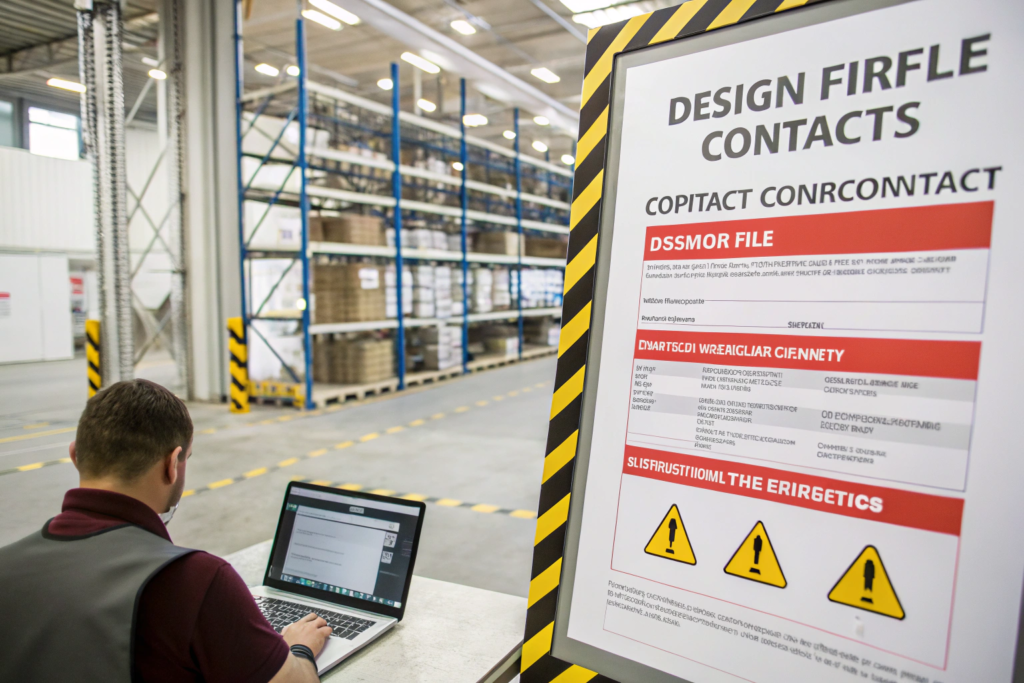
They don’t ask for an NDA. If a supplier doesn’t initiate or even discuss design protection, they might not take it seriously.
They show you other clients’ work. If they’re proud to show you designs they made for other clients, they’ll show yours to others. A good supplier keeps client work confidential.
They offer to “help” with design. This is subtle. If a supplier says, “We have some similar patterns we can show you,” they might be offering other clients’ work. Or they might be positioning to use your design for others.
They don’t have a secure storage system. If you visit and see custom designs in open areas, that’s a clear sign.
In 2022, a client from the US told me about a supplier who showed her a “portfolio” of designs they had made for other brands. She was impressed. Then she realized: if they were showing her those designs, they would show hers to someone else. She walked away.
If a supplier shows you other clients’ work, ask if those clients know their designs are being shown. A legitimate supplier will have permission. Most won’t.
What Should You Do If Your Design Is Copied?
This is the nightmare scenario. If it happens, act quickly.
Document everything. Save emails, contracts, NDAs. Take screenshots of the competitor’s website.
Contact the supplier. Sometimes it’s a misunderstanding. A worker might have shared the design without authorization. Give them a chance to correct it.
Send a cease and desist. If the supplier doesn’t stop, send a formal letter. If you have a contract, this is your leverage.
Contact the competitor. Sometimes they don’t know the design was stolen. A polite email with proof of your ownership can resolve it.
Legal action. This is the last resort. In China, IP protection has improved significantly. But it’s costly and time-consuming.
In 2023, a client from Germany found her design on a competitor’s site. She had a contract. She sent a cease and desist to the supplier. The supplier immediately stopped selling the fabric and paid a settlement. She told me, “If I hadn’t had that contract, I would have had no recourse.”
For a guide to IP enforcement in China, there’s a resource on how to protect textile designs in China’s legal system . It covers the steps for enforcement.
How Do You Build a Relationship with a Trusted Supplier?
The best protection is a relationship built on trust. I’ve worked with some clients for over a decade. They don’t worry about their designs because they know how we work. Building that trust takes time.

What Questions Should You Ask Before Committing?
Before you commit to a supplier for custom weaving, ask these questions. Their answers will tell you how seriously they take design protection.
“Do you have a standard NDA?” A supplier who regularly works with custom designs will have a template. If they don’t, ask why.
“How do you store custom designs?” They should have a clear answer. Separate storage, limited access, client codes.
“What happens to unused sample materials?” They should destroy them or return them to you. They should not sell them.
“Can you provide references from other custom clients?” A supplier who protects designs will have clients who can confirm that.
In 2024, a client from France asked me these questions before she placed her first custom order. I answered each one. I sent her photos of our storage. I connected her with a client in Italy who had been with us for five years. She placed her order. She told me, “You answered everything before I had to ask. That told me everything.”
How Do You Maintain Protection Over Time?
Protection isn’t a one-time event. It’s ongoing. Even with a trusted supplier, you need to stay engaged.
Audit periodically. Ask for photos of your stored materials. Confirm they’re still in the locked area.
Renew contracts. If you have a multi-year relationship, renew your NDA and contract periodically. It keeps protection current.
Visit when you can. There’s no substitute for being there. Walk the floor. See where your designs are stored.
Communicate clearly. If you have new designs, remind the supplier of your confidentiality expectations.
I’ve had clients who placed one order and never followed up. Years later, they came back for a new design. The old materials were still stored securely. That’s the level of protection you should expect.
Conclusion
Protecting your designs when ordering custom woven fabric isn’t complicated. But it requires intention. You need a contract that clearly states ownership. You need an NDA before you share anything. You need to control your files and expect physical security at the factory. You need to spot red flags early and walk away when you see them. And you need to build a relationship with a supplier who treats your designs as seriously as you do.
At Shanghai Fumao , we’ve been weaving custom fabrics for over 20 years. We’ve worked with designers from around the world. We know that your design is your livelihood. That’s why we sign NDAs before we see your files. That’s why we store custom designs in a locked area with client codes. That’s why we destroy unused sample materials. That’s why we have clients who have trusted us for a decade.
I’ve watched designers light up when they see their custom weave come off the loom for the first time. I’ve felt the pride of helping them bring their vision to life. And I’ve protected their work as if it were my own.
If you’re developing a custom woven fabric and you want a supplier who will protect your design, let’s talk. My business director, Elaine, handles all our custom development. She’ll walk you through our protection process, answer your questions, and help you build a relationship you can trust.
Contact Elaine directly: elaine@fumaoclothing.com
Tell her about your design. Let her show you how protection should work.