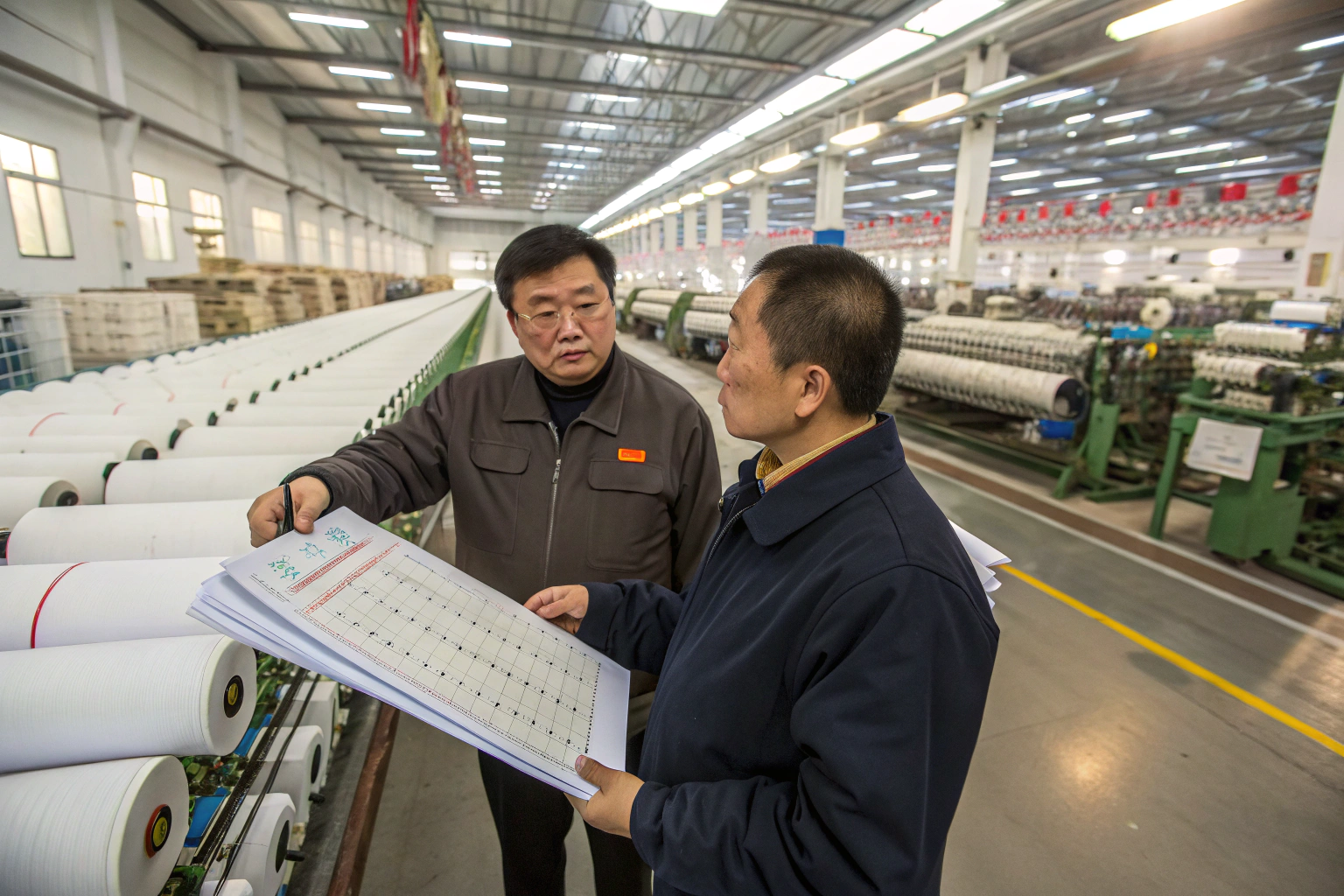
Let me tell you about a phone call I received in late January last year. It was from a buyer in London. He was panicked. He had placed a large order for jersey fabric with another supplier in early January, expecting delivery in six weeks. He had a production slot booked with his factory in Portugal for mid-March. He was counting on that fabric. But the supplier had gone silent. No emails. No calls. Nothing. I had to break the news to him: it was Chinese New Year. His supplier had shut down for three weeks, and his fabric wouldn't even start production until late February. He missed his production window. He had to air freight the fabric at triple the cost, and his margins for that collection were wiped out.
I've seen this story play out so many times over my twenty years in this industry. Buyers from Europe, America, Australia—they all know about Chinese New Year, but they never quite plan for it properly. They think they have enough time. They think their supplier will work through the holiday. They don't realize that the entire country shuts down. Not just the factories. The logistics companies. The banks. The testing labs. Everyone.
At Shanghai Fumao, we've learned to treat the Chinese holiday calendar as the most important planning tool we have. We help our clients navigate these shutdowns so they never have to make that panicked phone call. In this article, I'm going to walk you through exactly how to plan your fabric orders around Chinese holidays, what to expect during each shutdown period, and how to use the slower periods to your advantage.
What Are the Major Chinese Holidays That Affect Production?
If you're sourcing fabric from China, there are two holidays that you absolutely need to have marked on your calendar. The first is Chinese New Year, which is the biggest. The second is Golden Week in October. There are other holidays, but these two are the ones that bring the entire textile industry to a halt.

How Long Does the Chinese New Year Shutdown Actually Last?
This is the question I get most often. The answer is never simple because the shutdown isn't just the official holiday. It's a whole season of disruption that starts weeks before and ends weeks after.
The official public holiday for Chinese New Year is seven days. But in the textile industry, the real shutdown is much longer. Most factories close for at least two weeks. Many close for three weeks. Some smaller mills close for four weeks. Why? Because the workers go home. Most of our factory workers come from rural provinces. They travel back to their villages for the holiday. And the travel itself takes days. The trains are packed. The roads are jammed. Workers start leaving about a week before the official holiday, and they don't return until about a week after.
But the disruption doesn't end when the workers return. When they come back, there's a period of ramping up. Machines need to be restarted and recalibrated. New workers need to be trained because not everyone returns. Production doesn't hit full capacity again until about two weeks after the official holiday ends.
So if you do the math, the real disruption period is about four to five weeks. From about two weeks before the holiday to about two weeks after, your supply chain is operating at reduced capacity or not at all. I had a client in Germany who learned this the hard way. He placed an order in early January, thinking the seven-day holiday was no big deal. His fabric didn't ship until late March. Now, he plans all his orders to be completed and shipped at least three weeks before the holiday starts. For a detailed breakdown of how different industries are affected by the Chinese New Year shutdown, this supply chain blog offers a comprehensive guide to planning around CNY.
What About Golden Week and Other Holidays?
Golden Week is the week of October 1st. It's China's National Day holiday. The official holiday is seven days, from October 1st to October 7th. The disruption is similar to Chinese New Year, but shorter. Most factories close for the full seven days. Workers travel. Production stops. But because this isn't the major family reunion holiday that CNY is, the pre- and post-holiday disruption is usually about one week on each side, not two.
So total disruption for Golden Week is about three weeks. From about a week before the holiday to about a week after, you'll see slower production, reduced capacity, and slower responses.
There are other smaller holidays too. Labor Day in early May is a three-day holiday. The Dragon Boat Festival in June is another three-day holiday. These don't cause full shutdowns, but they do cause slowdowns. Factories might close for a day or two. Workers take time off. You should expect some delays around these periods.
A client from a fast-fashion brand in Spain taught me something valuable a few years ago. He maps out all the Chinese holidays at the beginning of each year. He marks the disruption periods on his production calendar. Then he works backward from his retail deadlines to set his fabric order dates. He never gets caught off guard. He told me that this simple habit has reduced his supply chain emergencies by about 80%. For a current calendar of Chinese holidays and their impact on manufacturing, this sourcing platform maintains an updated schedule of Chinese factory closures.
How Far in Advance Should You Place Your Orders?
This is the million-dollar question. The answer depends on when your order falls relative to the holidays. But there are some general rules that I've developed over the years that work for most of our clients.

What Is the "Six-Week Rule" for Chinese New Year?
We've developed what we call the "six-week rule" for Chinese New Year. If you want your fabric to ship before the holiday, you need to have your order finalized and all pre-production work completed six weeks before the holiday starts. That means your lab dips are approved, your technical specifications are locked, and your yarn is sourced. Then we can schedule production to be completed and shipped before the workers leave.
If you miss that six-week window, your order will ship after the holiday. And "after the holiday" usually means about four to five weeks after the official holiday ends. So if you place an order in January, you're looking at a late March or early April shipment.
I remember a client from a children's wear brand in New York. She learned this rule and applied it perfectly. In November, she finalized all her spring collection orders with us. We had the lab dips approved, the yarn sourced, everything ready. In early December, we ran production. Her fabric shipped in mid-January, two weeks before the holiday. She had her fabric in her US warehouse in early February. Her production team in Vietnam had the fabric ready to cut when they returned from their own Tet holiday. Her spring collection launched on time. She told me that was the smoothest season she had ever had. For a detailed timeline on how to plan orders around CNY, this sourcing consultant's blog has a step-by-step guide to pre-holiday planning.
How Do You Plan for Golden Week and Year-End?
Golden Week in October is easier to manage because it's shorter and the disruption is less severe. The key is to place your orders for any fabric you need in September or October by mid-August at the latest. This gives us time to complete production before the holiday starts. If your order is for a standard fabric from our stock, we can sometimes ship right up to the holiday. But for custom orders—special weaves, specific dyes, custom finishes—you need that buffer.
The end of the year is another tricky period. November and December are generally good for production. The factories are running at full capacity after the Golden Week ramp-up. But you need to be careful about ordering too close to the end of the year. Chinese New Year often falls in late January or early February. If you place a custom order in December, it might get caught in the CNY shutdown. You're better off placing those orders in October or November to get them shipped before the holiday.
A client from an Australian outdoor brand has a clever strategy. He places all his custom orders for the following year in October. That gives us two full months to produce and ship before the CNY shutdown. His fabric arrives in Australia in January. His factory starts cutting in February. He's never once been delayed by Chinese New Year. For a guide to year-end production planning, this textile industry article discusses how to manage supply chains during the holiday season.
What Are the Slower Periods and How Can You Use Them?
Here's something that most buyers don't realize: Chinese factories have slower periods too. And if you can plan your orders during these times, you can get faster production, more attention from the supplier, and sometimes even better pricing. The two main slow periods are June-July and November-December.
Why Are June and July Good for Production?
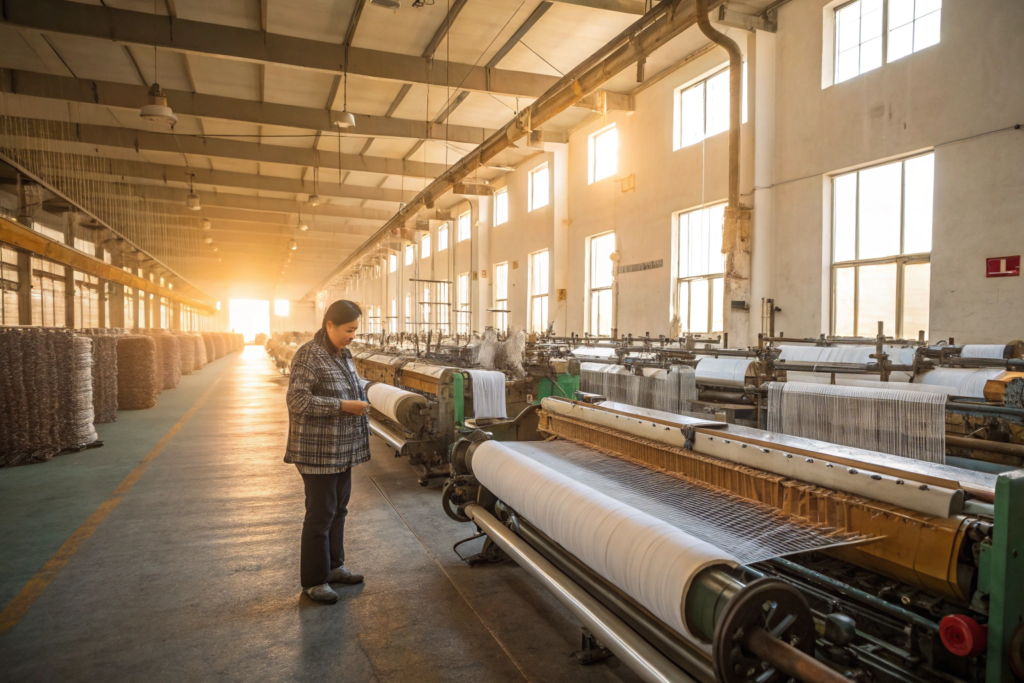
June and July are between seasons in the Chinese textile industry. The spring orders have shipped. The fall orders haven't started yet. It's a natural lull. Factories have capacity. Mills have open looms. Dye houses have available baths. This is the perfect time to place orders for standard fabrics or to do sample development for new collections.
We have a client from a sportswear brand in Canada who uses June for all his sampling. He sends us his new designs in late May. We produce samples in June. He approves them in July. Then he places his bulk orders in August for September production. His fabric ships in October, well before the November-December rush. He gets his products to market in January, right when his customers are looking for new gear. He told me that using the June lull for sampling cut his development lead time by about three weeks.
The other advantage of June-July is that you get more attention from your supplier. We're not juggling twenty urgent orders at once. Our production managers have time to focus on the details. Our QC team can do extra checks. If you have a complex project, this is the time to do it. For a perspective on how other buyers use the summer lull, this sourcing forum thread discusses the benefits of off-season production planning.
How Can You Take Advantage of November-December?
November and December are another interesting period. After Golden Week in October, factories ramp up to handle fall orders. But by November, some of that rush has died down. December is often quieter because factories are preparing for the Chinese New Year shutdown.
The key here is to place orders that can be completed and shipped before the Chinese New Year shutdown. If you place an order in early November for a standard fabric, we can usually produce and ship it in four to six weeks. That puts your shipment arriving in late December or early January. You avoid the CNY disruption entirely.
We have a client from a uniform company in the UK who uses this strategy for all her replenishment orders. She places her standard uniform fabric orders in November. The fabric ships in December. It arrives in the UK in January. Her factory cuts and sews in February. The uniforms are ready for distribution in March. She never gets caught in the CNY backlog. She told me that this simple planning shift saved her about 15% in logistics costs because she avoids the post-CNY shipping surge when everyone is trying to move containers at once.
The November-December period is also good for small-batch custom orders. Because the factories aren't as busy, they're more willing to take on smaller MOQs and more complex projects. If you're a startup or a small brand, this is your window. For a discussion of how small brands can leverage production lulls, this small business sourcing blog has an article on strategic timing for small batch manufacturing.
What Should You Do If You Miss the Planning Window?
Sometimes, despite your best planning, things slip. A design change comes late. A lab dip takes three rounds instead of one. A client approval takes too long. And suddenly you're looking at an order that needs to ship right when the factories are about to close. What do you do? You have options, but they come with trade-offs.

What Are Your Options for Late Orders?
The first option is to see if the factory can work through the holiday. This is difficult. Most factories won't do it. The workers want to go home. But some larger factories with stable, local workforces might be able to keep a small team working. If you're a large client with a long history, we sometimes make exceptions. But you'll pay for it. Overtime rates are higher. Shipping logistics are harder. And the quality might suffer because the normal QC processes are disrupted.
The second option is to split your order. You can take a small portion of the fabric—enough to start your production—and have that shipped before the holiday. The remainder ships after. This allows you to keep your production line running while you wait for the rest. It costs more because you're paying for two shipments, but it's better than shutting down your factory.
The third option is to use air freight. This is the most expensive option, but sometimes it's necessary. If your retail window is tight, air freight can get your fabric to your factory in days instead of weeks. I had a client from a bridal wear brand in Italy who missed her window by three weeks. Her fabric was supposed to ship before CNY, but the approval process took too long. She had a wedding season to hit. We air freighted the fabric directly from our factory to her atelier in Milan. It cost her about 30% more than sea freight, but she made her production deadline and saved her season. For a detailed comparison of shipping options and costs during holiday periods, this logistics guide explains the pros and cons of sea vs. air freight during peak seasons.
How Do You Build Relationships That Help in Emergencies?
Here's the secret that most sourcing guides won't tell you: when things go wrong, your relationship with your supplier matters more than anything else. If you're a client who pays on time, communicates clearly, and treats the supplier as a partner, we will move mountains for you. If you're a client who haggles over every penny, delays payments, and sends angry emails, you'll be at the back of the line.
I'll give you an example. We have a client from a denim brand in Sweden. He's been with us for eight years. He pays his invoices within 30 days, every single time. He communicates clearly. When there's a problem, he works with us to solve it, not against us. Last year, he had a crisis. A new collection was selling faster than expected. He needed an additional 5,000 meters of a specialty denim immediately. It was December 15th. Our factory was already winding down for the year. But for him, we kept a small team on. We produced his fabric in ten days. We air freighted it to Sweden. He got his denim. He made his sales. He told me later that the extra 5,000 meters generated over 200,000 Euros in revenue. He knew he could count on us because he had invested in the relationship.
If you want to be the client that suppliers go the extra mile for, here's what you do. Pay on time. Be clear in your communications. Don't change specifications after production starts. Visit the factory if you can. Build a personal connection. And when things go wrong—and they will—be part of the solution, not just the person pointing fingers. For advice on building strong supplier relationships, this industry blog offers practical tips for becoming a preferred client.
Conclusion
Planning around Chinese holidays isn't complicated, but it does require discipline. You need to know the calendar. You need to understand that Chinese New Year isn't a one-week event; it's a four-to-five-week disruption. You need to respect Golden Week and the other smaller holidays. And you need to use the slower periods—June-July and November-December—to your advantage.
The six-week rule for Chinese New Year is your best friend. Finalize your pre-production work six weeks before the holiday starts. Get your lab dips approved. Lock in your specifications. Source your yarn. Then let us run production while the factories are still at full capacity. Your fabric ships before the shutdown. Your supply chain stays on track.
If you're planning for Golden Week, aim to have your orders placed by mid-August. If you're using the slower periods, place your custom orders in June-July and your replenishment orders in November-December. And if you miss your window, remember that you have options—working through the holiday, splitting your order, or using air freight. But the best option is always to plan ahead.
At Shanghai Fumao, we've been helping clients navigate these cycles for over twenty years. We know when to push and when to pause. We know which mills will be open and which will be closed. We know how to time our yarn sourcing, our production scheduling, and our shipping to keep your supply chain moving. More importantly, we treat our clients as partners. When you're in a crisis, we're there to help. That's what a real partnership looks like.
If you're ready to take control of your production schedule and stop being surprised by holiday shutdowns, let's talk. We can work together to map out your orders for the year, identify the critical planning windows, and make sure your fabric arrives exactly when you need it.
Contact our Business Director, Elaine, to start planning your production calendar.
Email: elaine@fumaoclothing.com
Let's make sure your next collection arrives on time, every time.