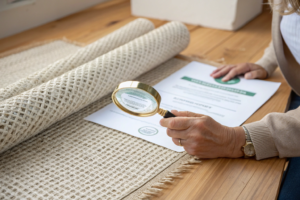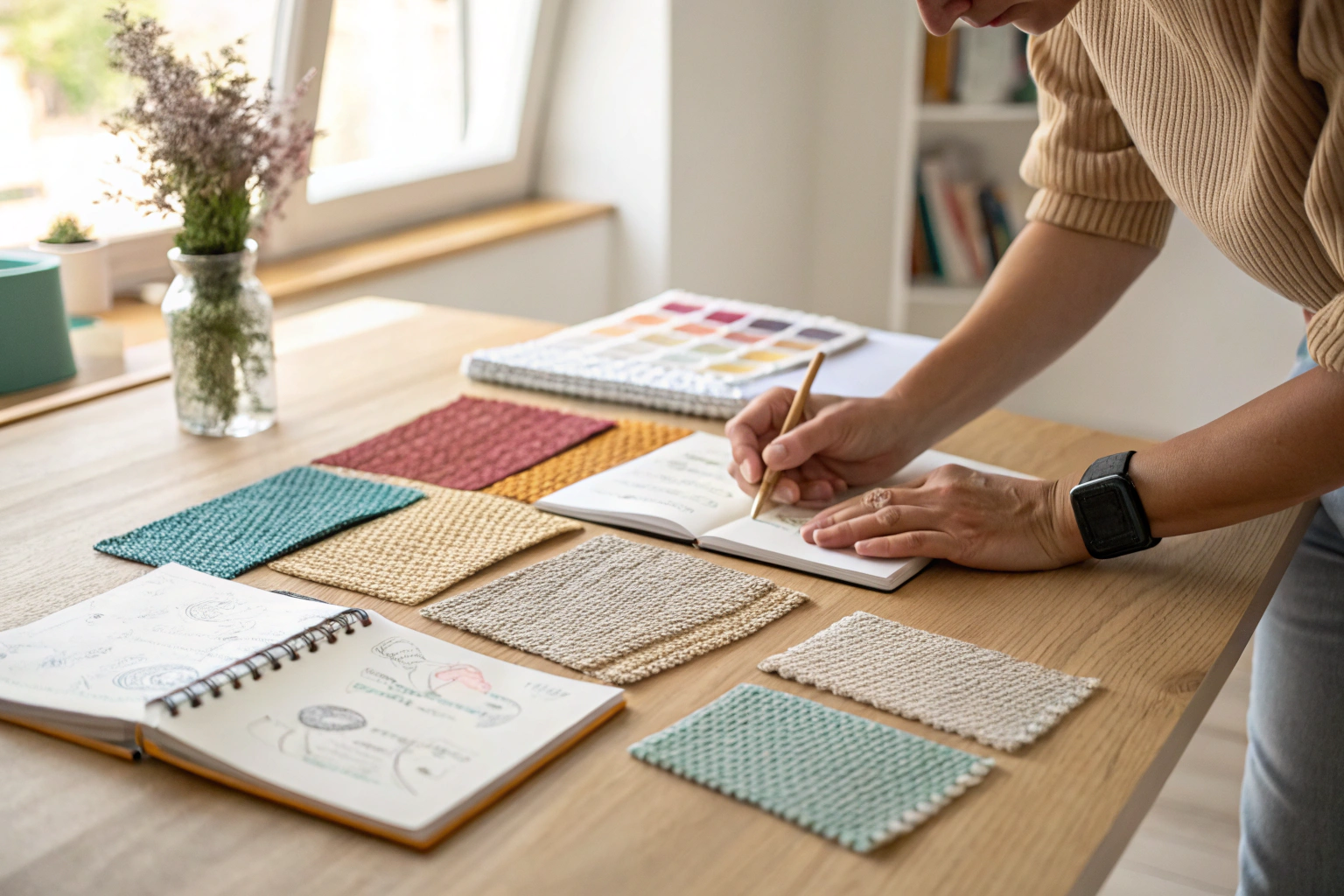
I still remember the call from a young designer in Brooklyn back in 2022. She had a brilliant concept for a collection—hand-drawn patterns, unique weaves, a distinct point of view. But every mill she contacted wanted a minimum order of 5,000 meters. Her entire runway collection needed maybe 500 meters total. She was ready to give up on her vision. I told her to send me her sketches.
That collection launched six months later. She sold out in two weeks. And today, she's one of our regular clients.
The textile industry has a dirty secret: most mills don't want small orders. They’re set up for volume. The machines take hours to set up, and running 100 meters isn't profitable for them. But here in Keqiao, we've built our business around flexibility. We have the machines, the relationships, and the process to handle small-batch custom weaving without losing our minds—or charging you like we've lost our minds.
Let me walk you through how to navigate small-batch sampling. I've done this hundreds of times for startups, designers, and even established brands testing new concepts. It's possible. You just need to know the right questions to ask and the right process to follow.
What Defines a Small Batch in Custom Woven Fabric?
Before you start calling suppliers, you need to understand what "small batch" actually means in the weaving world. I've had clients ask for 50 meters and call it a small batch. I've had others ask for 2,000 meters and call it sampling. Let me give you the real numbers.
What Minimums Can You Realistically Expect?
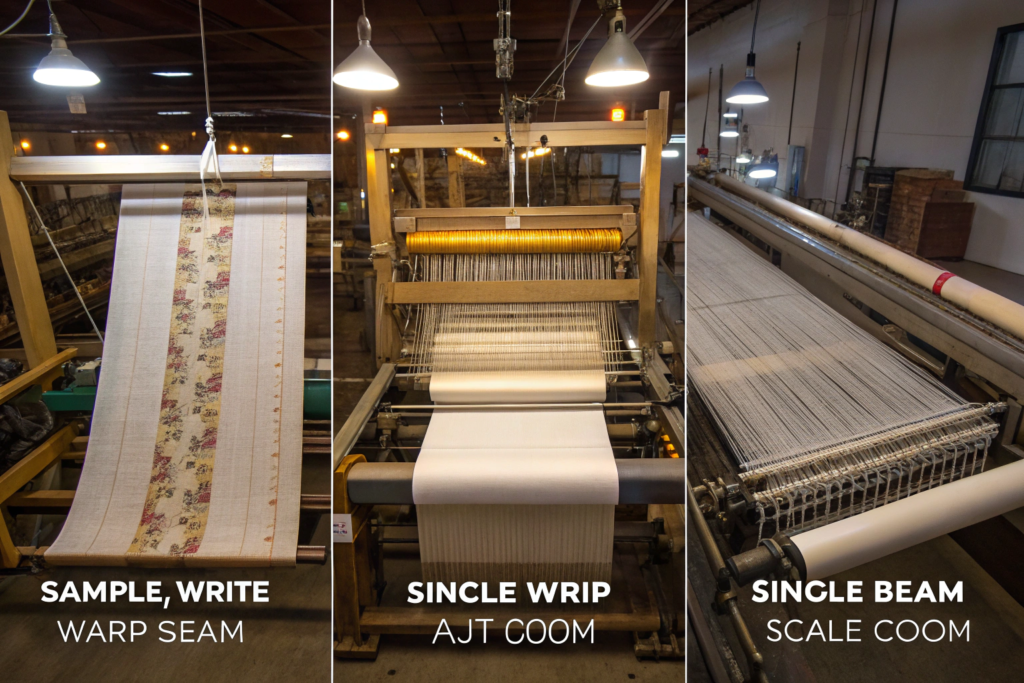
In my experience, true small-batch custom weaving falls into three tiers. For true sampling—test runs, color trials, strike-offs—you're looking at 10 to 50 meters. This is enough to make a few garments, test the hand feel, and see how the fabric behaves in production. For pre-production or capsule collection runs, you're looking at 100 to 500 meters. This is enough for a small collection, a limited drop, or a market test. For initial production for a new brand, 500 to 1,500 meters is the sweet spot where you start getting better pricing but still don't have to commit to container loads.
In 2023, we worked with a UK-based startup that needed 200 meters of custom-woven cotton twill for their debut jacket collection. They had a specific weave structure, a custom color, and a branded label woven into the selvage. We ran it on our sample looms, then transferred the pattern to a production loom for the full run. Total weaving time was five days. They launched their collection, sold 80% in the first month, and came back for 1,500 meters for their second season.
If a supplier tells you their minimum is 5,000 meters, they're not set up for small batches. Keep looking. There are mills—like ours—that have dedicated sample looms and flexible scheduling for small runs.
For a guide to minimum order quantities in the textile industry, there's a useful discussion on how to find mills that accept low MOQs for custom fabrics . It includes tips from designers who've navigated this successfully.
Does Small Batch Mean Compromised Quality?
This is the fear I hear most often. "If I order a small batch, will I get the same quality as a big order?" The answer depends entirely on the supplier.
At our factory, quality is consistent regardless of batch size. We use the same yarns, the same looms, and the same inspection process for 50 meters as we do for 50,000 meters. The only difference is that small batches often get more attention—our senior weavers tend to run them because the setups are more complex.
In 2024, we produced a 30-meter run of custom jacquard for a European fashion student's graduate collection. The pattern was intricate—over 2,000 threads in the repeat. We ran it on our electronic jacquard loom. Every meter was inspected on our lightbox. The student told me later that her professors couldn't believe she had found a mill willing to do such a small run at such high quality.
The key is finding a supplier who treats small batches as a core part of their business, not as a nuisance. We've built our reputation on flexibility. That means we don't cut corners just because the run is small.
If you're worried about quality, ask for photos of the looms and inspection process. A good supplier will show you how they work, regardless of your order size.
How Do You Prepare Your Specifications for Small-Batch Weaving?
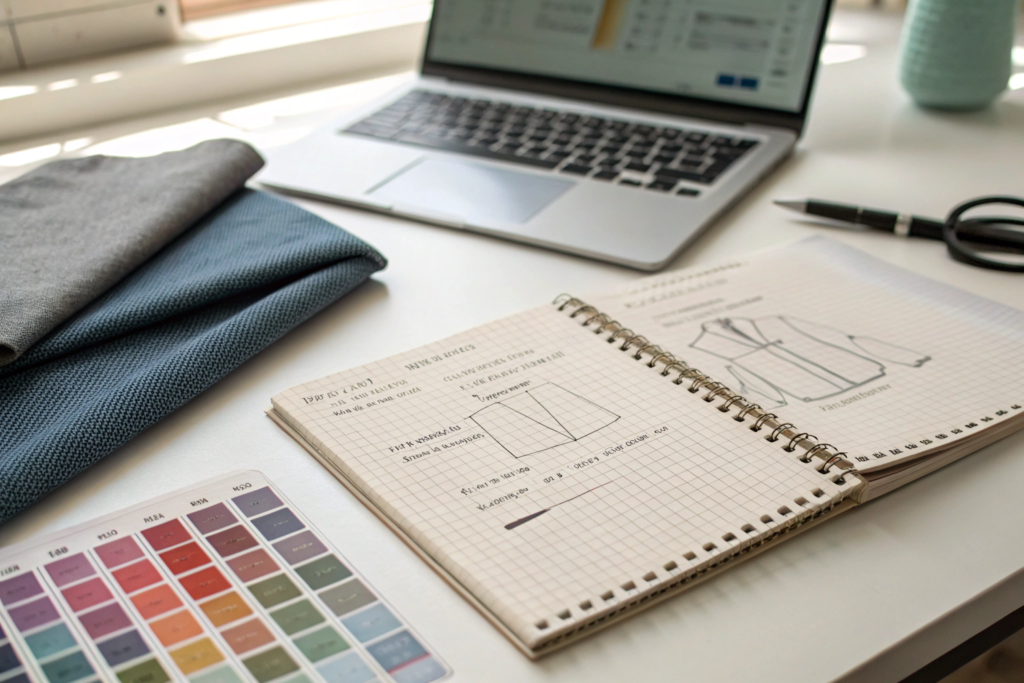
The biggest mistake I see from designers ordering small batches is vague specifications. They send a mood board and expect the mill to figure it out. That leads to delays, miscommunication, and fabric that doesn't match the vision. Let me give you the exact information you need to prepare.
What Information Must You Provide to Get an Accurate Quote?
I've developed a checklist that I send to every client before we start. Here's what you need to have ready.
First, fiber composition. Be specific. Don't say "cotton." Say "100% combed cotton" or "80% cotton, 20% recycled polyester." If you don't know, we can help you choose. But the more specific you are, the faster we can quote.
Second, weave structure. Is it a plain weave? Twill? Satin? Herringbone? If you have a reference fabric, send it. If you have a weave diagram, even better. We can replicate almost any structure, but we need to know what you're aiming for.
Third, yarn count. This is the thickness of the yarns. If you're not sure, we can recommend based on the weight and hand feel you want. But if you have a specific yarn in mind, tell us. In 2023, a client from Canada wanted a specific 50/2 organic cotton yarn for her shirting line. She had the yarn supplier information ready. That saved two weeks of back-and-forth.
Fourth, color specifications. Pantone numbers are ideal. If you're matching a physical swatch, send it. Color is the hardest thing to get right without a reference.
Fifth, finished width and weight. How wide do you need the fabric? Most apparel fabrics are 140-150 cm finished width. What weight do you want? For shirting, 120-150 GSM. For bottom weights, 200-300 GSM. If you're not sure, tell us what garment you're making and we'll recommend.
If you're new to this, there's a helpful guide on how to create a technical specification sheet for custom fabric . It walks you through each element with examples.
How Do You Communicate Your Vision Without a Tech Pack?
Not every designer has a formal tech pack. That's fine. I've worked with clients who showed up with a mood board, a handful of swatches, and a sketch on a napkin. What matters is that you communicate clearly.
In 2022, a client from Los Angeles came to us with a concept for a "silk-like cotton with a subtle stripe." She had no tech pack, no yarn specs, no weave diagram. She showed me a photo from a vintage garment and described the hand feel she wanted. We spent an hour pulling yarn cones and showing her weave structures. She pointed to a 2x2 twill and said "like this, but softer."
We produced a 50-meter sample run. The fabric had the drape of silk with the breathability of cotton. The subtle stripe was woven in using a different yarn count, not printed. The client used that fabric for her debut collection, and it became her signature material.
The lesson is: if you don't have the technical details, find a supplier who can translate your vision into specs. That's what we do every day. But be prepared to spend time in conversation. Good fabric doesn't come from email chains. It comes from collaboration.
What's the Step-by-Step Process for Small-Batch Custom Weaving?
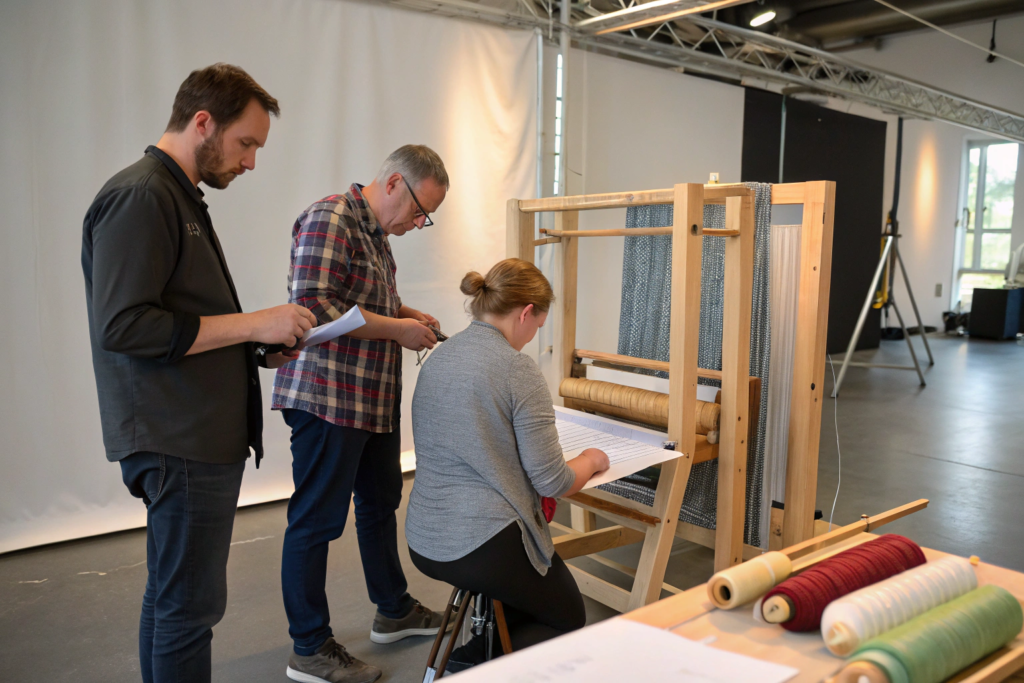
I've refined our process over 20 years. It's designed to catch problems early and deliver exactly what the client wants. Let me walk you through each step so you know what to expect.
How Does the Sample Development Phase Work?
This is the most critical phase. Skipping steps here leads to problems in production.
Step 1: Yarn sourcing. We start by sourcing the yarns you need. If you specified a specific yarn, we order it. If you didn't, we select from our inventory or recommend options. In 2023, we had a client who wanted a custom yarn—a blend of recycled polyester and Tencel that wasn't commercially available. We worked with our spinning partner to produce a small batch specifically for her sample. That added two weeks and a small premium, but she got exactly what she wanted.
Step 2: Warping. The warp is the set of yarns that run lengthwise on the loom. For a custom sample, we set up a small warp on our sample loom. This takes 1-2 days depending on the complexity.
Step 3: Weaving. We run the sample on the loom. For a standard plain weave, we can produce 10-20 meters in a day. For complex jacquard, it might take 2-3 days. We monitor the tension and density constantly to ensure consistency.
Step 4: Finishing. The greige fabric (unfinished) goes to finishing. This might include scouring (washing), dyeing, and mechanical finishing like calendering or sanforization. For a small batch, we run it through our sample finishing line.
Step 5: Inspection. Every meter is inspected on our lightbox. We check for defects, measure the weight and width, and test for shrinkage and colorfastness.
In 2024, we did a sample run for a Japanese denim brand. They wanted a custom slub yarn with a specific indigo shade. We went through four rounds of sample development—adjusting the yarn, tweaking the weave, refining the dye—before they approved the final sample. Each round took about 10 days. By the end, they had exactly the fabric they wanted, and they placed a 10,000-meter order.
If you're ordering custom fabric, expect the sample phase to take 2 to 4 weeks depending on complexity. Plan for it. Don't try to rush the process.
What's the Timeline from Sample Approval to Delivery?
Once you approve the sample, the timeline depends on whether we're using the same setup for production.
For a small batch that matches the sample exactly, we can usually deliver in 3 to 4 weeks. That includes yarn procurement (if needed), production weaving, finishing, inspection, and packing.
For a batch that requires changes—different color, different weight, different finish—add another 1 to 2 weeks for adjustments.
In 2023, we produced a 300-meter run of custom organic cotton poplin for a US brand. They approved the sample on March 15th. We had the yarn in stock. We wove the fabric in 10 days, finished it in 5 days, inspected and packed in 3 days. The fabric shipped on April 12th. Total time from approval to shipment was 28 days.
If you need faster delivery, ask about air freight. We can ship small batches by air in 3-5 days. It costs more, but for a capsule collection with a fixed launch date, it's worth it.
How Do You Manage Costs for Small-Batch Custom Fabric?
Small batches cost more per meter than large runs. That's just math. But there are ways to manage the costs so they don't blow your budget. Let me break down what you're actually paying for.
What Are the Main Cost Drivers for Small Batches?
When I quote a small batch, the cost per meter includes several components. Understanding them helps you see where you can save.
First, yarn cost. This is the same regardless of batch size. Yarn suppliers charge by the kilogram, and we pay the same rate whether we buy 50 kg or 5,000 kg. For small batches, this is often the biggest component.
Second, loom setup. This is the fixed cost that hurts small batches. Setting up a loom takes 2-4 hours for a simple weave, 8-16 hours for a complex jacquard. That setup cost is the same whether you're weaving 50 meters or 5,000 meters. That's why per-meter costs drop dramatically as volume increases.
Third, finishing. Small batches require manual handling. We can't run 50 meters through a continuous finishing range designed for 5,000 meters. We use our sample finishing equipment, which takes more labor per meter.
Fourth, inspection and packing. Every meter is inspected. For small batches, the labor per meter is higher because we're handling smaller rolls.
In 2024, we quoted a client for 200 meters of custom twill. The per-meter price was $12.50. The same fabric at 2,000 meters would have been $8.20. The difference was mostly in the loom setup cost amortized over fewer meters.
If you're working with a tight budget, ask about using standard yarns instead of custom colors. Standard yarns from our inventory are cheaper than custom-dyed yarns. You can dye the fabric after weaving, which gives you the same result with lower yarn costs.
How Can You Reduce Costs Without Sacrificing Quality?
I've helped many clients optimize their small-batch costs. Here's what works.
First, consolidate orders. If you need multiple colors of the same fabric, order them together. The loom setup is the same for all colors. We can weave the greige fabric and then dye different batches. This saves you paying multiple setup fees.
Second, use stock yarns. We maintain a large inventory of standard yarns—cotton, polyester, nylon, spandex. If one of our stock yarns works for your fabric, you avoid the premium for custom yarn ordering.
Third, simplify the weave. A plain weave costs less to set up than a complex jacquard. If your design can work in a twill or a dobby, you'll save money. In 2023, a client wanted a complex jacquard for her debut collection. We showed her a dobby weave that achieved a similar look with 60% lower setup costs. She went with the dobby and saved $2,000.
Fourth, plan your sampling to reduce rounds. The more rounds of sampling, the higher the development cost. Be thorough in your first round of feedback. If you're not sure about a color, ask for multiple strike-offs in one round instead of one at a time.
For a detailed discussion of small-batch costing, there's a useful resource on how to negotiate pricing for custom fabric sampling . It includes strategies from buyers who've successfully managed sampling budgets.
Conclusion
Ordering small batches of custom woven fabric for sampling doesn't have to be painful. You need a supplier who understands the process, has the right equipment, and treats your small order with the same care as a large one. At Shanghai Fumao , we've built our entire operation around flexibility. We have sample looms dedicated to small runs. We stock a wide range of yarns so you don't have to wait for custom orders. And we have a team of weavers who actually enjoy the challenge of complex small-batch work.
I've helped designers launch their first collections with 100 meters of custom fabric. I've helped established brands test new concepts with 50-meter sample runs. Every project starts with a conversation. Tell me what you're making. Show me your inspiration. Let me help you figure out the weave, the yarn, the weight, the finish. We'll make a sample. If it's not right, we'll adjust. When it's right, we'll make your batch.
My business director, Elaine, handles all our custom weaving inquiries. She's helped designers from New York to Tokyo navigate the sampling process. She can look at your mood board or your tech pack and tell you exactly what we need to get started. She'll walk you through the timeline, the costs, and the process step by step.
Contact Elaine directly: elaine@fumaoclothing.com
Tell her about your project. Let her help you turn your vision into fabric.