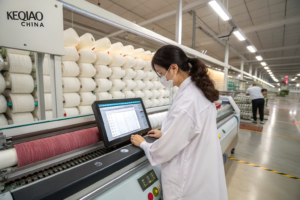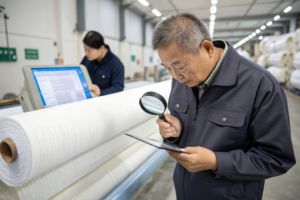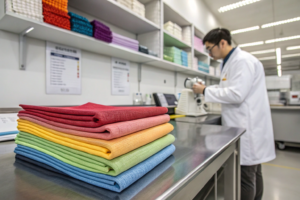
I hear this anxiety daily from buyers like Ron in the U.S. You’re committing tens of thousands of dollars to fabric orders halfway across the world. The plane ticket to Shanghai or Keqiao is a real cost, and you can’t be on a factory floor every week. The old-school way was to fly over, do a quick walk-through, and hope for the best. That model is dead. The fear of getting a container full of unusable fabric is what keeps sourcing managers up at night.
The truth is, you can achieve inspection rigor that’s often better than sporadic personal visits. It’s done by building a system of remote trust, powered by technology, structured processes, and the right local partners. You replace physical presence with digital eyes, documented procedures, and aligned incentives. At Shanghai Fumao Fabric, we’ve turned this challenge into our standard operating procedure for all our international clients. Quality control isn’t a mystery—it’s a managed, transparent process you can direct from your desk.
This shift wasn’t optional; it was necessary. Post-pandemic, even clients who used to visit quarterly now rely on remote management. We’ve refined a system that doesn’t just mimic an on-site check—it creates a continuous, data-driven quality stream. Let me walk you through the exact strategies that protect your orders and your peace of mind.
What Digital Tools Enable Effective Remote Fabric Inspection?
The cornerstone of remote QC is moving from subjective descriptions (“looks good”) to objective, shareable data. This requires a toolkit that captures visual, dimensional, and performance evidence. Relying solely on emailed photos from a supplier’s phone is a recipe for disaster. You need systems that provide context, scale, and uneditable timestamps.
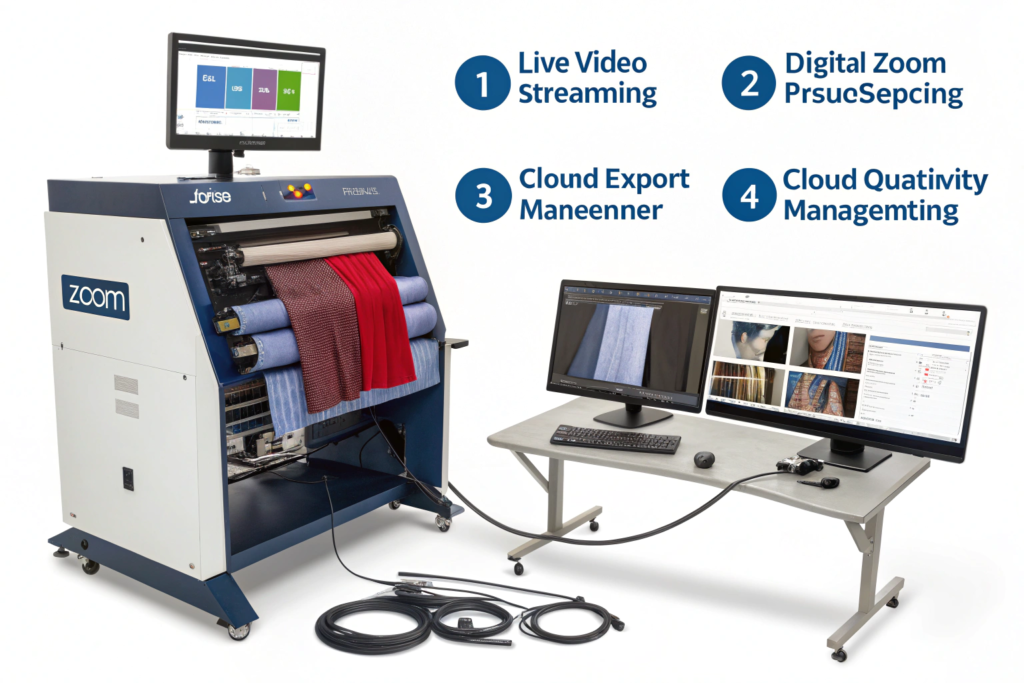
The essential digital toolkit includes: 1) Live Video Streaming Platforms (like Zoom, Teams, or dedicated industrial apps), 2) Digital Fabric Inspection Machines with Data Export, 3) Cloud-Based Quality Management Software (QMS), and 4) High-Resolution Standardized Photography Setups. The goal is to create a “digital twin” of your production batch that you can examine in detail. For our comprehensive fabric solutions, we’ve integrated these tools directly into our client portal, so the data flow is automatic, not requested.
How does live video inspection actually work in practice?
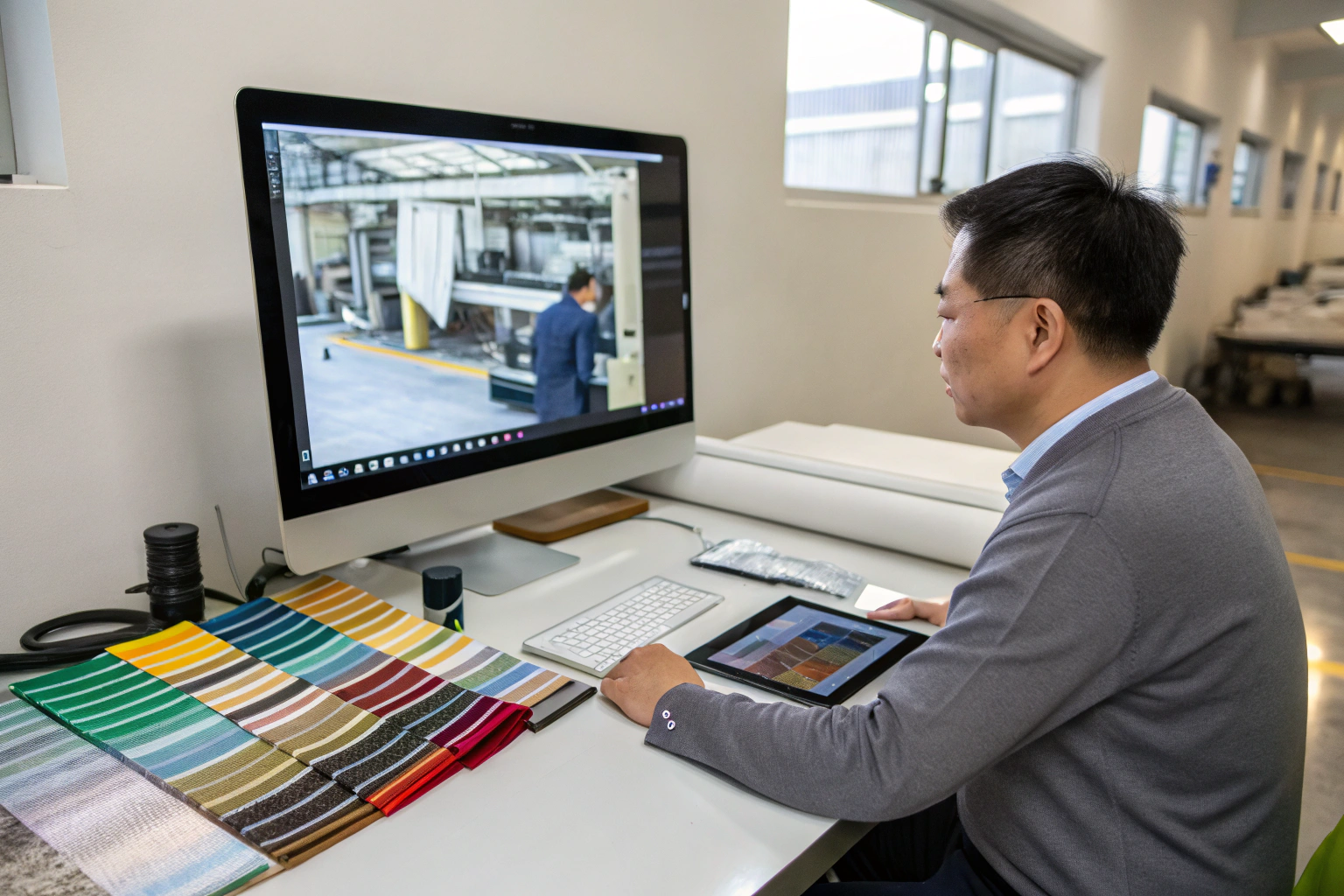
It’s a scheduled, structured event, not a casual call. Here’s our protocol: Before bulk production, we conduct a pre-production meeting over video to review approved standards. During production, for key milestones like first-piece inspection after dyeing, we schedule a 30-60 minute live session. Our QC manager uses a hands-free device to walk the camera through the factory floor. You see the fabric on the inspection machine under proper lighting. You can ask to zoom in on a specific section, measure the GSM with a scale in frame, or check the color against the physical lab dip we shipped you earlier. In March 2024, for a client in Texas ordering 5,000 meters of printed twill, we caught a minor registration error live on video. They approved a correction on the spot, avoiding a much costlier rejection after shipment. This process is demystified in guides on platforms like QualityInspection.org which detail setting up a remote quality audit for hard goods.
What should a remote quality report include?
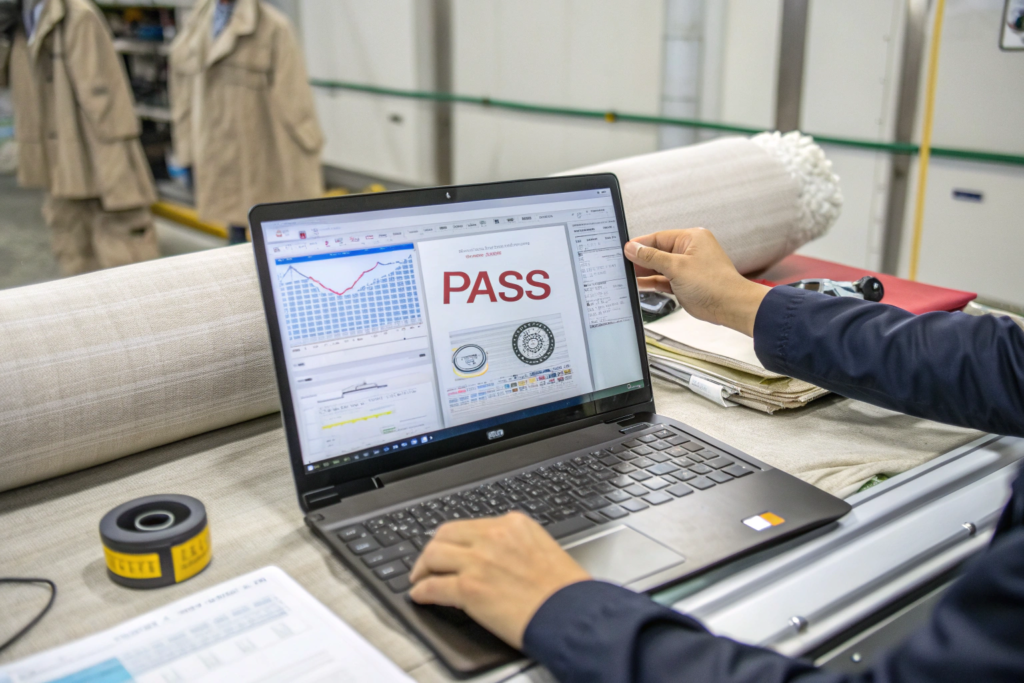
A PDF from the factory isn’t enough. A robust digital report is interactive. It should include: 1) GPS-tagged & time-stamped photos/videos of defects, 2) Machine-generated data from inspection equipment (e.g., defect count per 100 yards, defect location map), 3) Lab test results from accredited third parties like SGS or ITS, and 4) A clear pass/fail status against mutually agreed-upon AQL (Acceptable Quality Level) standards. We use a cloud QMS that allows our clients to click on a defect photo, comment on it, and tag it for re-inspection. All this becomes part of the permanent order record. For understanding AQL standards, resources like the American Society for Quality (ASQ) provide foundational knowledge on using AQL tables in textile inspection.
How to Build a Reliable Local QC Team and Process?
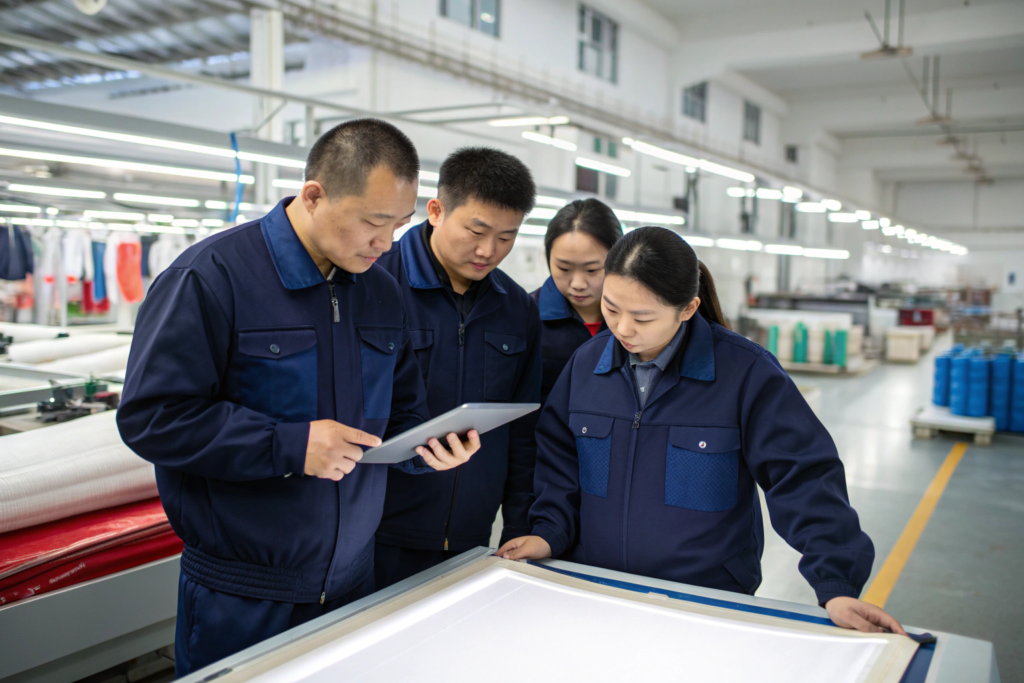
Technology is useless without disciplined people and processes on the ground. You cannot be the only person caring about your order’s quality. The solution is to either hire a third-party inspection company or develop a deeply integrated QC protocol with a supplier that has its own professional team. The latter is often more effective, as the team is invested in the long-term relationship and understands the production nuances.
A reliable local process is built on three pillars: Clear Standards, Defined Checkpoints, and Empowered Accountability. Your job is to define the “what” (the standard), and your local team executes the “how” (the inspection). At Shanghai Fumao, our dedicated 12-person QC team doesn’t report to sales or production; they report directly to our general manager. Their bonus is tied to client pass rates, not production speed. This structure aligns their incentives with yours.
What are the non-negotiable checkpoints in fabric production?
You must lock in inspections at these stages: 1) Raw Material (Yarn) Check, 2) Grey Fabric Inspection (after weaving/knitting, before dyeing), 3) Lab Dip & Handloom Sample Approval, 4) First Bulk Piece Approval after dyeing/printing, 5) Pre-Shipment Final Random Inspection (AQL Level II is standard). Missing the grey fabric stage is a common and costly mistake. A weaving defect hidden by dye can ruin the entire batch. In July 2023, for a UK client sourcing our organic cotton jersey, our grey inspection caught a recurring press-off defect. We halted production, adjusted the knitting machine, and saved what would have been 3,000 meters of unsellable fabric. The client saw the defect video and report within an hour. Managing these stages remotely is a skill; the forum Sourcing Journal frequently publishes case studies on establishing QC checkpoints with overseas partners.
How do you verify your supplier’s QC team is competent?
Ask for credentials and audit their process. Demand to see: 1) CVs of key QC managers, 2) Certifications (are they trained on ISO 2859-1 AQL?), 3) Their internal QC manual and reporting templates, and 4) References from other long-term international clients. Then, test them. During your first order, be extra meticulous. Ask for specific defect photos from unusual angles. Request a video walkthrough of their testing lab equipment. Their responsiveness and transparency will tell you everything. A trustworthy partner like Shanghai Fumao will proactively offer this. We even invite potential clients to interview our QC head via video call. (Here’s a tip from the factory floor: if a supplier is hesitant to show you their inspection area on a live call, that’s a major red flag).
What Are the Key Standards and Certifications to Demand?
In the absence of your physical touch, trusted third-party standards become your sensory replacement. They provide an unambiguous, technical language for quality that transcends distance and language barriers. You’re not arguing about “softness”; you’re measuring pilling resistance with a Martindale tester against an agreed-upon ISO standard.
Focus on two categories: Performance Standards (how the fabric behaves) and Safety/Certification Standards (what it contains). Your purchase order (PO) must explicitly list the standard and the exact test method to be used. For example, don’t just write “good colorfastness.” Specify “Colorfastness to Washing: ISO 105-C06 A1S, change ≥ 4, staining ≥ 4.”
Which physical tests are most critical for remote validation?
These five are non-negotiable for most apparel fabrics, and reports must be shared:
- GSM (Grams per Square Meter): The foundation of cost and yield. Test method: ISO 3801.
- Shrinkage: The biggest cause of garment returns. Specify test method (e.g., AATCC 135 for home washing) and acceptable limit (e.g., ±3%).
- Colorfastness (to washing, rubbing, light): Prevents fading and crocking. Use ISO or AATCC methods.
- Tensile & Tear Strength: For durability. Methods: ISO 13934-1 (tensile), ISO 13937-2 (tear).
- Pilling Resistance: For appearance retention. Method: ISO 12945-2 (Martindale).
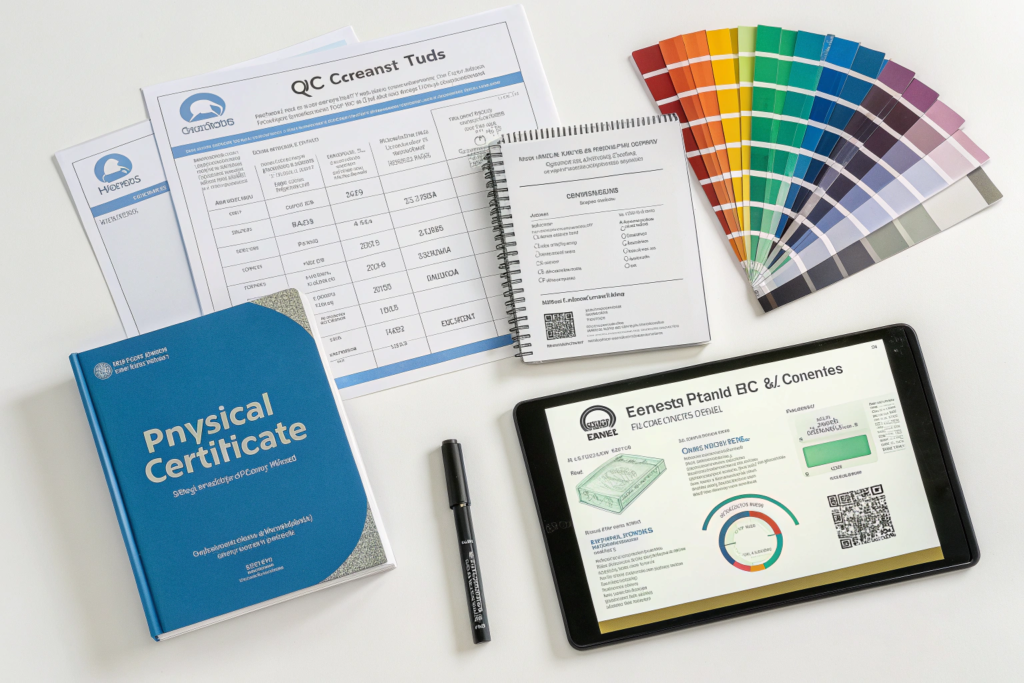
We provide QR codes on our bulk rolls that link directly to the digital test reports from our CNAS-accredited lab for that specific batch. A client in Germany for our recycled polyester fleece scans the code and has instant access to all 8 test reports before the fabric even reaches their cutting room. To stay updated on global standards, the International Textile Manufacturers Federation (ITMF) is a key resource for harmonized textile testing protocols.
How do certifications like GOTS or OEKO-TEX® build trust remotely?
They are your independent guardians. OEKO-TEX® STANDARD 100 certifies that the fabric is free from harmful substances. It’s a safety net. When you receive a valid OEKO-TEX® certificate with a unique number, you can verify it online on their official database. This eliminates worries about toxic dyes or finishes. GOTS (Global Organic Textile Standard) is even more comprehensive, covering organic fiber content, environmental and social criteria from harvesting to labeling. For a client in New York sourcing GOTS-certified linen from us in 2023, the transaction certificate (TC) issued for each shipment was their primary proof of integrity. They never needed to visit. Understanding the scope of these labels is critical, and the OEKO-TEX® Association itself offers guides on interpreting test reports and certificates.
How to Structure Contracts and Payments for Risk Mitigation?
Your financial terms are your ultimate quality control lever. They formalize accountability. A contract that releases all payment before quality verification leaves you with zero recourse. The standard “30% deposit, 70% against copy of Bill of Lading” is high-risk for fabric. You must tie payments to tangible, verified quality milestones.
The goal is to share the risk and align success. A well-structured contract turns your supplier into a quality partner, not just a vendor. It should clearly outline: inspection rights, rejection procedures, liability for defective goods, and the payment schedule linked to QC sign-off. At Shanghai Fumao, we are completely transparent with our terms because we are confident in our processes.
What is an effective staged payment schedule for fabric?
Consider this model:
- Deposit: 30%. Covers raw material costs.
- Stage Payment: 40%. Released only after client approval of the Pre-Shipment Inspection Report and Lab Tests. This is the critical control point. You hold this payment until you are satisfied with the digital evidence.
- Balance: 30%. Paid against copy of shipping documents (Bill of Lading), after the quality-approved goods have shipped.
This structure gives you immense leverage. The supplier wants that 40% payment, so they are incentivized to meet your quality standards to trigger it. We successfully use this model with 90% of our new clients. It builds trust from the first order. For templates and legal insights, business platforms like China Law Blog discuss drafting effective purchase agreements for Chinese manufacturing.
What happens if you reject fabric remotely?
Your contract must have a clear rejection clause. It should state that if the pre-shipment inspection fails against agreed AQL levels or test standards, you have the right to: 1) Reject the entire lot, 2) Request a 100% re-inspection at the supplier’s cost, or 3) Negotiate a discount for minor, acceptable defects. Upon rejection, the supplier must provide a corrective action plan. In our experience, a clear contract prevents 99% of disputes because expectations are set. We had a case with a client in Australia where shrinkage failed by 0.5%. Per our contract, we offered a 5% price discount, which they accepted, and the fabric was shipped. The deal was amicable because the rules were clear upfront.
Conclusion
Managing fabric quality from afar is not about hoping for a good supplier; it’s about implementing a system of verification, partnership, and smart financial control. You replace eyes-on with data-driven oversight, building a bridge of transparency that is often more reliable than a one-time visit. The tools exist, the processes are proven, and the partners who thrive in this environment are those who welcome your scrutiny.
The future of global sourcing is remote-by-default. The brands that master this will gain a strategic advantage: they can tap into the expertise and cost efficiencies of manufacturing hubs like Keqiao without being tethered to an airport lounge. They turn geographical distance into a managed variable, not a debilitating risk.
You can have complete confidence in your fabric quality without ever boarding a plane. It starts with choosing a partner whose systems are designed for your remote oversight. At Shanghai Fumao Fabric, our entire operation—from our digital portal to our independent QC team—is built to give you that control. Let us show you how seamless remote quality management can be. Contact our Business Director, Elaine, to discuss a QC protocol for your next order. Take control from anywhere: elaine@fumaoclothing.com.