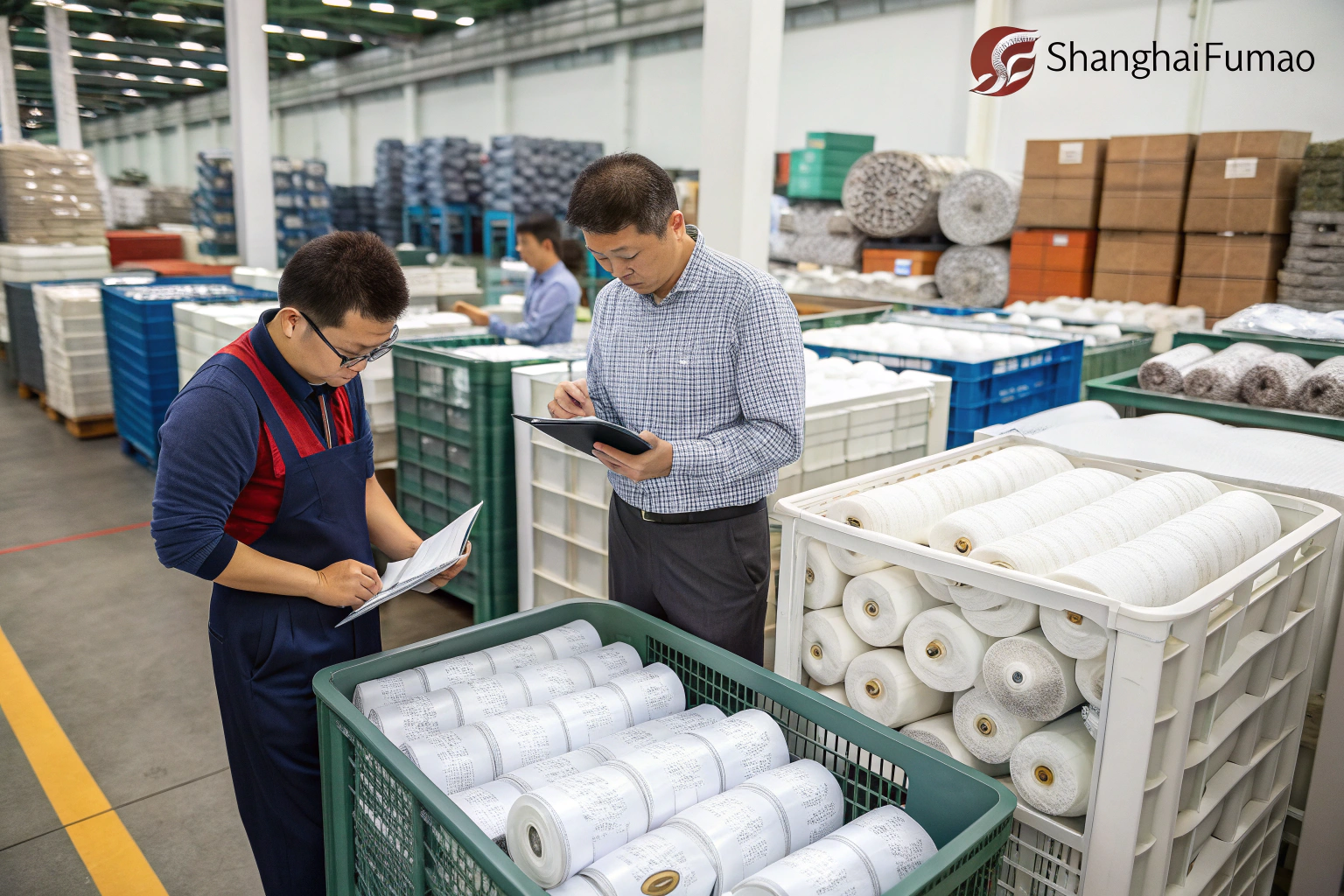
When the fabric is finally ready at our warehouse, that's when my clients' real anxiety begins. "Will it get stuck at the port?" "What paperwork is missing?" "How much will duties really be?" I've seen perfect production timelines ruined by a single missing document or a misunderstood HS code. Managing logistics and customs isn't just a shipping task—it's the final, critical production stage that determines if your investment arrives on time and within budget.
Successfully managing fabric imports hinges on a three-part strategy: precise classification with the correct Harmonized System (HS) code, preparing a bulletproof document package, and selecting the right Incoterm that clearly defines risk and cost transfer. At Shanghai Fumao, we act as our clients' on-the-ground export manager because a seamless handoff from our dock to your forwarder is where 30% of delays happen. The goal isn't just to ship; it's to deliver predictability.
The landscape in 2024-2025 is more complex than ever, with geopolitical tensions, shifting trade agreements, and heightened ESG scrutiny affecting cargo routes and inspections. Whether you're importing 500 meters of sampling fabric or a 40-foot container of bulk cloth, understanding this process is non-negotiable for maintaining your supply chain integrity.
Why Is Accurate HS Code Classification the First Critical Step?
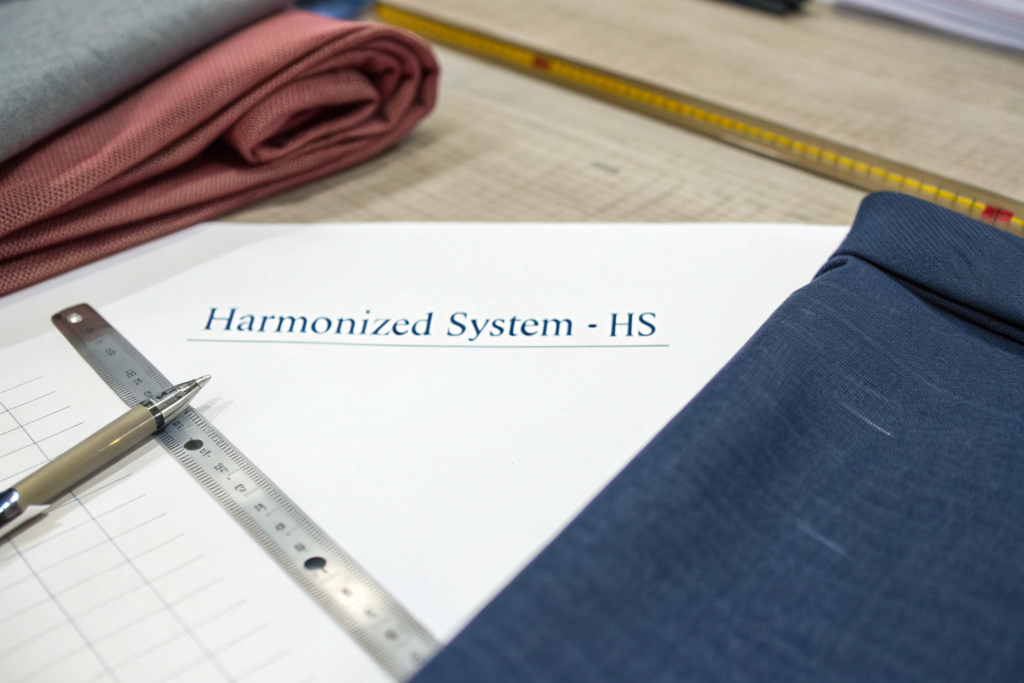
Think of the Harmonized System (HS) code as your fabric's passport. It's a 6-10 digit number that tells every customs officer in the world exactly what your shipment contains. Get this wrong, and you face delays, incorrect duty assessments, penalties, or even seizure. The code dictates everything: duty rate, eligibility for trade agreements, and whether you need special licenses or face quotas.
The biggest mistake I see is importers using a generic code like "woven fabrics." This is a recipe for trouble. Classification must be specific. For example, a 55% linen, 45% cotton woven fabric is NOT the same as a 60% cotton, 40% linen fabric. The primary fiber by weight changes the code and potentially the duty rate.
How Do You Determine the Correct HS Code for Your Fabric?
This is a forensic exercise based on your fabric's technical specifications. You need three key pieces of data:
- Fiber Composition (% by weight): This is the primary determinant. The HS code chapters are divided by material (e.g., Chapter 50: Silk, Chapter 51: Wool, Chapter 52: Cotton, Chapter 54: Man-Made Filaments, Chapter 55: Man-Made Staple Fibers).
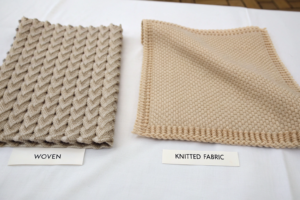
- Construction (Woven/Knitted): Woven fabrics (Chapters 50-55) and knitted fabrics (Chapter 60) are in entirely different chapters.
- Technical Details: Weight per square meter (GSM), weave type (e.g., plain, twill, satin), width, and whether it's bleached, dyed, printed, etc., can affect the final digits.
Here’s a simplified decision flow:
- Step 1: Is it Knitted or Crocheted? -> Chapter 60.
- Step 2: If Woven, what is the primary fiber by weight? -> Go to that Chapter (e.g., Cotton -> Ch. 52).
- Step 3: Within the chapter, drill down by specific weight, dye state, and weave.
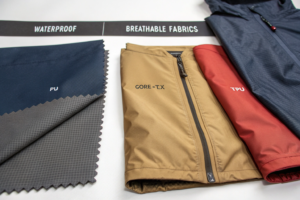
Real Case: In 2023, a U.S. client imported a "performance woven fabric." Their forwarder used a generic polyester code. Customs inspected it, and lab tests showed it had a durable PU coating (making it "impregnated/coated"). The correct code was different, carried a higher duty, and required additional testing documentation. The shipment was held for 18 days, incurring over $2,800 in demurrage fees. We now include a recommended HS code based on mill specs in our proforma invoice for every order.
For complex blends, using a licensed customs broker or consulting the official U.S. International Trade Commission's (USITC) Harmonized Tariff Schedule online is essential. Websites like [Shipping and Freight Resource](https://shippingandfreightresource.com) often feature detailed case studies on resolving HS code classification disputes for textile shipments, which can be invaluable.
What Are the Consequences of Misclassification?
The risks are severe and financial:
- Underpayment of Duties: You'll receive a demand for the difference plus interest and potential penalties.
- Overpayment of Duties: You're giving away money unnecessarily and harming your margin.
- Customs Holds & Examinations: Physical inspection, which can damage goods and always causes delays (demurrage and detention charges at ports add up daily).
- Loss of Trade Agreement Benefits: If you misclassify, you may fail to claim duty-free benefits under agreements like USMCA.
- Legal Penalties: Fines for negligence or fraud.
What Documents Are Essential for a Smooth Customs Clearance?
Paperwork is the heartbeat of global trade. Missing or incorrect documents are the #1 cause of preventable clearance delays. The document package must tell a complete, consistent story from the commercial invoice to the carrier's receipt. As the exporter, we prepare the core set, but the importer must ensure their broker receives them promptly and accurately.
The "Golden Packet" for fabric imports typically includes:
- Commercial Invoice: The most important document. It must match the Packing List and Bill of Lading exactly in terms of shipper/consignee details, product description, quantities, and value. The description should include the HS code, fiber content, weight, and construction.
- Packing List: Details of how the goods are packed in each carton/pallet: carton numbers, dimensions, weight (net/gross), and a breakdown of contents per carton.
- Bill of Lading (B/L) or Air Waybill (AWB): The contract of carriage and title document (for negotiable B/L). Ensure the "consignee" and "notify party" are correctly designated per your instructions.
- Certificate of Origin (CoO): Critical for claiming preferential duty rates. It certifies where the goods were manufactured. For Chinese exports, this is often issued by the China Council for the Promotion of International Trade (CCPIT). A Generalized System of Preferences (GSP) Form A may be needed for certain destinations.
- Textile-Specific Documents (Varies by Country):
- For the U.S.: Customs Entry Summary (CBP Form 7501) filed by your broker. For cotton products, you may need a
US Customs Cotton Certificate. - For the EU: A EUR.1 movement certificate may be needed for preferential treatment. All importers must be registered for Import Control System (ICS2) for security filings.
- For the U.S.: Customs Entry Summary (CBP Form 7501) filed by your broker. For cotton products, you may need a
- Testing & Compliance Certificates: Increasingly mandatory. This includes
OEKO-TEX, SGS, or Intertek reportsproving the fabric is free of harmful substances, and for organic claims, theGOTS Transaction Certificate (TC).

How Should You Handle Product-Specific Compliance Certificates?
This is no longer optional for reputable brands. Customs authorities, especially in the EU and U.S., are increasing "green lane" checks for ESG compliance.
- For Fabrics with Sustainability Claims: The GOTS TC or
Recycled Claim Standard (RCS) certificatemust travel with the goods. The TC number should be referenced on the commercial invoice. We had a shipment to Germany held because the inspector couldn't immediately cross-reference the organic TC—we now include a copy in the document pouch attached to the container. - For Technical/Functional Fabrics: Certificates for
flame resistance (FR), UV protection, or antibacterial claimsshould be available. While not always required for entry, they are essential if your product is questioned by agencies like theConsumer Product Safety Commission (CPSC)in the U.S. - For Restricted Substances: Be proactive. Have
REACH (EU), CPSIA (US), or California Prop 65test reports ready for your broker. Retailer-mandated reports (like for Macy's, Target) also fall into this category.
Managing this documentation is a core part of our service at Shanghai Fumao. We provide a consolidated digital dossier for each shipment 48 hours before vessel departure, so our clients can forward it directly to their broker, eliminating the email chase.
What Are the Common Pitfalls in Documentation?
- Inconsistencies: The weight on the B/L is 15,000kg, but the invoice says 14,850kg. This triggers an immediate flag.
- Vague Descriptions: "Fabric" or "Textile" is unacceptable. Use the full, accurate description.
- Missing or Illegible Documents: Ensure all copies, especially stamps and signatures on the CoO, are clear.
- Incorrect Value Declaration: Undervaluing to save duty is fraud. Overvaluing hurts your cost. Use the true transaction value.
Forums like [The International Trade Forum](https://www.tradeforum.org) offer peer-to-peer advice on navigating documentary requirements for new free trade agreements, which are constantly evolving.
How to Choose the Right Incoterm and Logistics Partner?
The Incoterms 2020 rule you agree upon with your supplier is the single clause that dictates who pays for what, who controls the leg of the journey, and where risk transfers. Choosing the wrong one can expose you to unexpected costs and logistical nightmares. I always advise clients: "Don't just default to FOB. Choose the term that matches your control and risk appetite."
Simultaneously, your freight forwarder/customs broker is an extension of your team. A good one is a problem-solver; a bad one is a problem-creator.
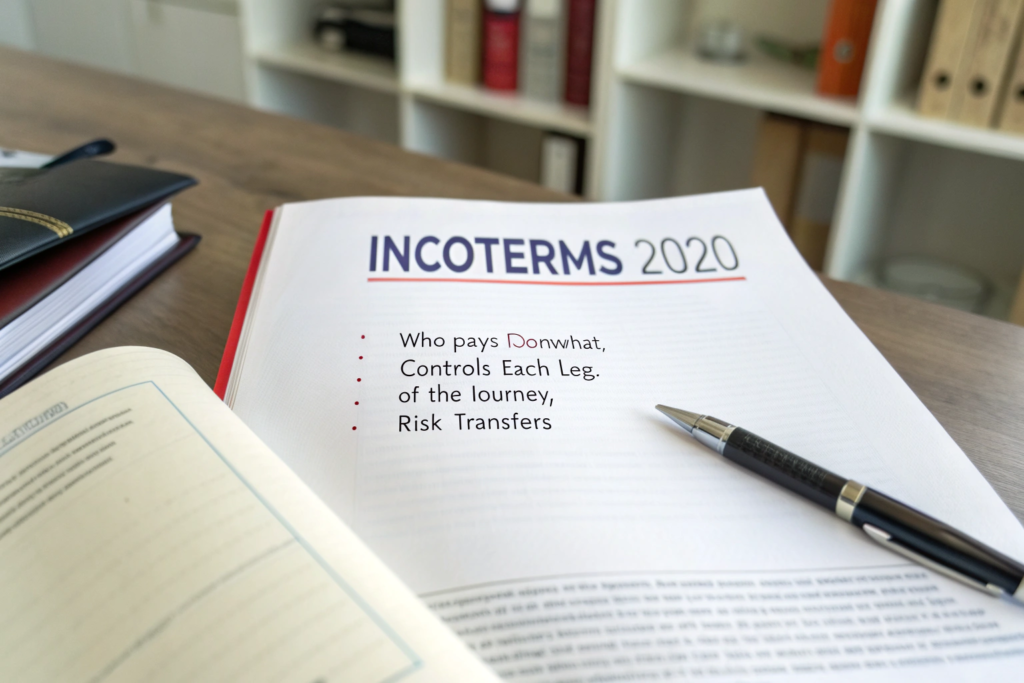
Which Incoterms Are Most Suitable for Fabric Imports?
For ocean freight, these are the most common and their implications:
- FOB (Free On Board) [Port of Origin, e.g., Shanghai]: The most common, but often misunderstood. The seller (us) is responsible for costs and risks until the goods are loaded on the ship at the origin port. The buyer is responsible for main ocean freight, insurance, and all destination costs. Buyer controls the freight. This is good if you have a trusted forwarder and want to manage the main shipping cost.
- EXW (Ex Works) [Our Factory]: The buyer is responsible for ALL costs and risks from the moment the goods are picked up at our warehouse. The seller merely makes the goods available. This gives the buyer maximum control but also maximum responsibility for coordinating the complex China inland logistics. Only choose this if you have a strong forwarder on the ground in China.
- CIF (Cost, Insurance and Freight) [Port of Destination]: The seller pays for costs, freight, and insurance to the destination port. Risk transfers to the buyer once loaded at origin. Buyer handles destination port costs and clearance. Seller controls the freight. This is simpler for the buyer but often more expensive, as the seller may not have the best freight rates.
- DAP (Delivered At Place) [Your Warehouse]: The seller is responsible for delivering the goods to your named place, cleared for import but NOT unloaded. You pay import duties and taxes. This offers maximum simplicity for the buyer but is the most costly option from the seller.
Our Recommendation: For first-time importers or those without a dedicated logistics team, FOB with a reputable forwarder you vet is a balanced choice. For clients who want a hands-off experience, we offer CIF or DAP services through our long-term logistics partners, providing a single quoted price.
What Should You Look for in a Freight Forwarder and Customs Broker?
Don't just go with the cheapest quote. Look for:
- Textile-Specific Experience: Do they regularly handle fabric rolls? They need to understand how to properly stuff a container to prevent crushing and moisture damage (using air bags, proper dunnage).
- Strong Network in Origin Country: Your forwarder must have reliable agents in China who can communicate with us effectively and handle local trucking and port issues.
- Transparent Communication: They should provide a clear Standard Operating Procedure (SOP) and a single point of contact.
- Integrated Customs Brokerage: Using the forwarder's in-house brokerage arm often streamlines communication between shipping and clearance teams.
- Technology: A good online portal for tracking and document management is a must in 2025.
A real example: A Canadian client used a budget forwarder for a shipment of our velvet. The forwarder's local agent used an unventilated container and didn't use moisture barriers. The fabric arrived with mold spots, causing a total loss. We now recommend three vetted forwarders to all our clients for key trade lanes.
What Are the Emerging Challenges and Proactive Solutions?
The logistics world is not static. New regulations and global events constantly reshape the playing field. Being proactive is cheaper than being reactive.
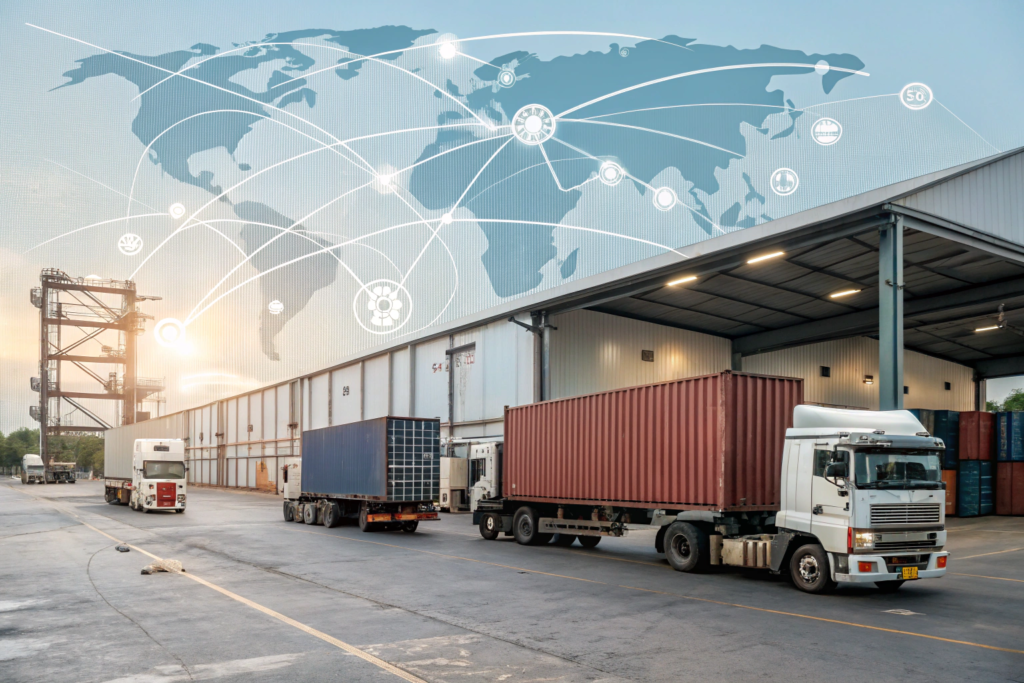
How to Mitigate Risks from Increased Customs Scrutiny?
Two major trends are impacting fabric imports:
- Forced Labor Laws (UFLPA in U.S., EU's CSDDD): Authorities are rigorously screening for goods made with forced labor, particularly from the Xinjiang region. Solution: Maintain a transparent supply chain. We provide a
Supplier Chain Declarationfor our fabrics, tracing fiber origin outside restricted areas. For cotton, wool, or synthetic blends, be prepared to showyard-to-fabric traceability documentation. - ESG and Carbon Border Adjustments: The EU's
Carbon Border Adjustment Mechanism (CBAM)will eventually affect embedded emissions in products. Solution: Start requestingcarbon footprint datafrom your suppliers. We are piloting this with several EU clients, providing emissions estimates based on our manufacturing processes.
How Can Technology and Planning Prevent Delays?
- Advanced Shipping Data: Ensure your forwarder submits accurate
Advance Manifest Data (AMS/ISF)to destination customs well before departure. An inaccurate ISF filing results in automatic fines. - Port Diversification: Relying solely on Shanghai or Shenzhen is risky due to congestion. We often suggest shipping from
Ningbo or Qingdaoas alternative ports, which can be more stable. - Buffer Stock and Lead Time Planning: Given all these variables, add a 10-14 day buffer to your quoted sea freight transit time for planning purposes. Assume the first shipment on a new route will have a hiccup.
Leveraging supply chain visibility platforms that offer real-time container tracking and predictive analytics for delays is becoming a best practice for serious importers.
Conclusion
Managing logistics and customs for fabric imports is a discipline that blends precise paperwork, strategic partnership, and proactive risk management. It's the bridge between your successful production run and the finished goods arriving at your door. The process is unforgiving of errors but highly rewarding for those who master its details.
The key is to start early—classify your fabric correctly from the outset, build your document checklist alongside your tech pack, and choose partners (supplier and forwarder) who communicate transparently and have proven textile expertise. View customs not as a barrier, but as a checkpoint where preparation meets execution.
Is your import process a well-oiled machine or a source of last-minute chaos? Let Shanghai Fumao be your guide and ground operator in China. From providing pre-shipment documentation packs and recommending HS codes to coordinating with your forwarder for a smooth factory gate handoff, we ensure your fabric's journey is as controlled and predictable as its production. To discuss creating a streamlined logistics protocol for your imports, contact our Logistics and Compliance Director, Elaine: elaine@fumaoclothing.com.