You're building a private label brand. You control the design, the quality, and the messaging. Now you want to integrate sustainability in a real way, not just as an afterthought. BCI cotton seems like a logical step—it's credible, scalable, and aligns with where the market is going. But how do you actually do it? Where do you start? The fear is real: you don't want to just slap a logo on a hangtag and call it a day. You want it to be authentic, cost-managed, and truly integrated into your brand's DNA from sourcing to sales. So, what's the playbook?
Integrating BCI cotton into your private label brand is a strategic project, not a simple material swap. It requires a sequenced approach across Product Development, Sourcing, Operations, and Marketing. The goal is to create a seamless, credible, and commercially viable program that enhances your brand's value, not just its price tag. Done right, it becomes a core competitive advantage that builds customer loyalty and future-proofs your business. Let's walk through the practical, step-by-step process from initial decision to retail shelf.
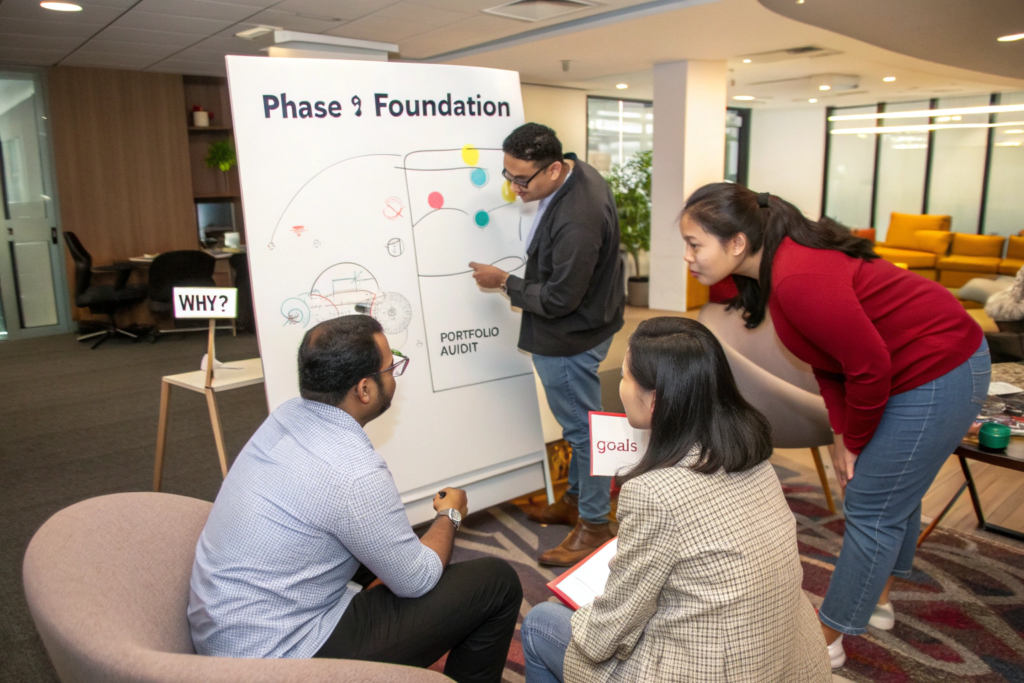
Phase 1: Strategic Foundation & Internal Alignment
Before you speak to a single supplier, you need internal clarity. This phase prevents false starts and ensures all departments are rowing in the same direction.
1. Define Your "Why": Is it for market differentiation? To meet a key retailer's requirement? To reduce supply chain risk? To authentically respond to customer values? Your "why" will guide every subsequent decision, especially how you market it. Write it down.
2. Conduct a Portfolio Audit: Look at your current best-selling SKUs. Which items are most suitable for a BCI transition? Start with high-volume basics where cotton is the dominant fiber—think t-shirts, polo shirts, sweatshirts, jersey dresses, and bed linens. These items offer the biggest impact footprint and are easiest for suppliers to manage. Avoid starting with complex, multi-fiber technical garments.
3. Set Realistic Goals & KPIs: Don't aim for "100% BCI overnight." Set a phased goal. For example:
- Year 1: Launch a "Conscious Basics" capsule collection (5-10 SKUs) using BCI cotton.
- Year 2: Transition 30% of total cotton volume to BCI.
- Year 3: Achieve 70%+.
Tie KPIs to this: target cost premium absorbed, target sell-through rate vs. conventional lines, customer feedback scores.
4. Educate Your Team: Ensure your design, merchandising, and quality teams understand what BCI is (and isn't). Explain the Mass Balance system so they don't expect 100% physical traceability. This prevents confusion and miscommunication with suppliers later. A 30-minute internal briefing can save weeks of rework.
Who Needs to Be Involved from Day One?
This is a cross-functional project. Key stakeholders include:
- Product/Merchandising: To select the right styles.
- Sourcing/Supply Chain: To find and vet suppliers.
- Finance: To model cost impacts and pricing.
- Marketing: To start crafting the narrative early.
Forming a small, dedicated task force is highly effective.
Phase 2: Sourcing & Product Development Integration
This is where the rubber meets the road with your supply chain. Your approach here will determine cost, quality, and feasibility.
1. Engage Your Suppliers with Clear RFQs: When requesting quotes, be explicit. Don't just ask for "cotton jersey." Specify:
- "Fabric: 180gsm single jersey, 100% cotton, must be sourced via BCI with full TC (Transaction Certificate) provided."
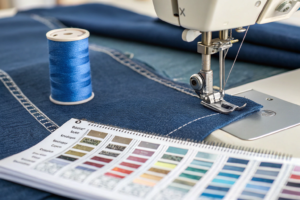
- "Yarn: Combed, compact spun for softness."
This filters out suppliers who cannot comply immediately.
2. Pilot with a Trusted Partner: If you have an existing factory with strong communication and quality, pilot your first BCI collection with them, even if they are not yet BCI certified themselves. In this scenario, you would source BCI fabric from a certified mill (like Shanghai Fumao) and have your factory use it for cut-make-trim. The chain of custody and claim will be at the fabric level. This is a valid, lower-risk starting point. For a stronger "garment-level" claim, you'll later need a BCI-certified factory.
3. Develop with the End in Mind: Work with your fabric supplier during development to ensure BCI cotton is available in the weights and constructions you need. Ask: "Is this specific brushed fleece available with BCI cotton?" This may require some flexibility on your end. Remember, your first lab dip and sample will set the benchmark for bulk. The consistency of BCI cotton often leads to fewer sample revisions, saving time.
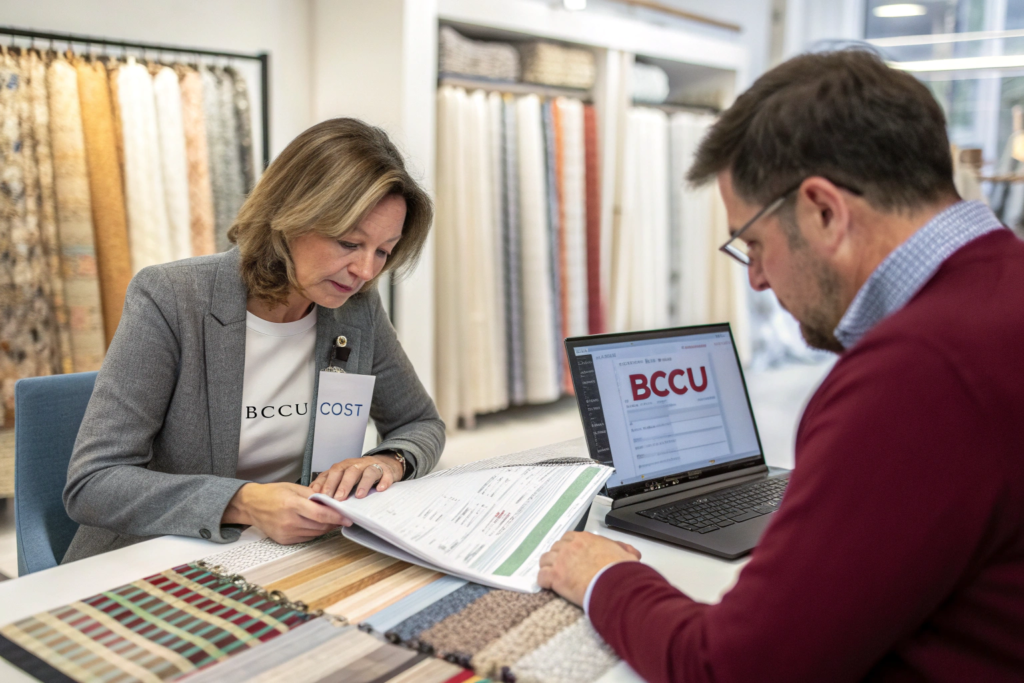
4. Cost Negotiation & Transparency: Understand the cost breakdown. The BCI premium is typically 2-8% at the fabric level. Negotiate based on volume and long-term commitment. Ask your supplier to separate the cost of the BCCU (Better Cotton Claim Unit). This transparency builds trust and helps your finance team model accurately.
What Technical Specifications Should You Update?
Revise your tech packs and quality manuals to include:
- Fiber Content: "100% Cotton (sourced via Better Cotton Initiative)."
- Mandatory Documentation: "Shipment must be accompanied by BCI Transaction Certificate for [Your Brand Name] Order #[Number]."
- Hangtag/Label Copy: Approve the exact wording and logo usage as per BCI's brand guidelines (available to members).
Phase 3: Operational Execution & Documentation
Production begins. Your job now is to ensure the integrity of the flow and secure the proof.
1. Pre-Production Meeting: Hold a call with your factory and fabric supplier. Confirm:
- BCI fabric roll IDs are logged against your purchase order.
- The factory understands segregation protocols if they handle both BCI and conventional materials.
- The timeline for generating the BCI Transaction Certificate (TC) is confirmed (usually after shipment, based on final weight).
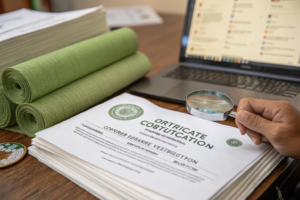
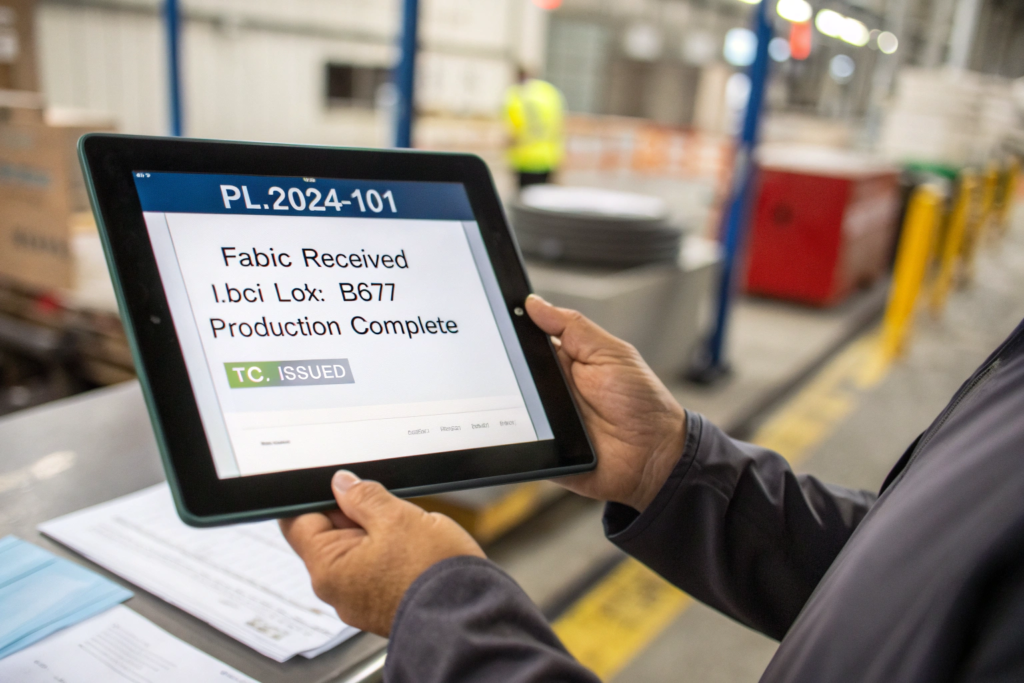
2. The Critical Document - The Transaction Certificate (TC): This is your legal proof. Do not accept shipment without it. The TC will state the volume of Better Cotton Claim Units (in kilograms) attributed to your order. File it digitally with your order records. This document is what you will use for your own reporting, retailer requests, or potential marketing claims verification.
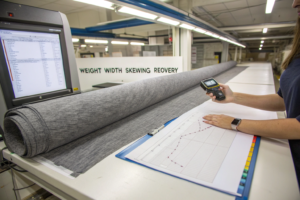
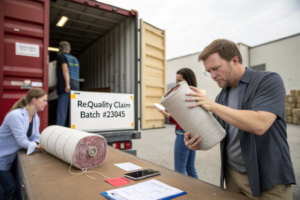
3. Quality Control Integration: Instruct your QC inspectors (in-house or third-party like SGS) to verify that the fabric rolls received at the factory match the BCI documentation. This is an additional checkpoint in your inspection checklist for sustainable materials.
A Real Case from Our Practice: In 2023, a US-based DTC private label for home goods started their BCI journey with bath towels. We supplied the BCI cotton terry fabric. Their ops manager created a simple tracker spreadsheet linking each production batch to the corresponding fabric lot and, ultimately, the BCI TC number. This system, now scaled to their sheet sets, gives them unparalleled clarity and audit-readiness.
Phase 4: Marketing & Customer Communication
Now you have the product and the proof. It's time to tell the story in a way that resonates and builds trust.
1. Claim Correctly: Per BCI guidelines, you cannot say "Made with 50% Better Cotton." You can say:
- "We source our cotton through the Better Cotton Initiative."
- "[Your Brand Name] is a member of/sources via Better Cotton."
Use the BCI logo on hangtags, next to this explanatory text.
2. Educate, Don't Preach: Your customers may not know BCI. Explain it in terms of benefits:
- "Better for Farming Families: We choose cotton from farms focused on fairer working conditions."
- "Better for the Planet: Our cotton comes from farmers trained to use water more efficiently and care for the soil."
Link to BCI's website for those who want to dive deeper.
3. Omni-Channel Storytelling:
- Website: Create a dedicated "Our Materials" page explaining your choice of BCI.
- Product Pages: Include the BCI claim and a short explainer.
- Packaging: Use the logo on mailers or inserts.
- Social Media: Share short videos or graphics explaining "Why BCI?"—focus on the farmer training impact, not just the logo.
4. Measure the Response: Track the sales performance of your BCI line versus conventional equivalents. Monitor customer service inquiries and feedback. This data will justify further investment and integration.
Should You Launch a Separate Sub-Brand?
For a private label, launching a separate "Conscious" or "Responsible" line under your main brand is often more effective than a full rebrand. It allows you to test the market, command a slight premium, and clearly signal the value addition to customers. For example, "Main Brand | Conscious Edit."
Conclusion
Integrating BCI cotton is a journey that aligns your private label's operational backbone with its customer-facing values. It moves sustainability from a side project to a integrated business process. By following these phases—laying a strategic foundation, meticulously managing sourcing and operations, securing documentation, and telling an authentic story—you build more than a product line. You build brand integrity and resilience.
The key is to start simple, prove the model with a capsule collection, learn, and then scale. The infrastructure you build for BCI will also make it easier to integrate other sustainable practices in the future, from recycled packaging to carbon footprint tracking.
Ready to systematically integrate BCI cotton and build a more responsible, compelling private label? Shanghai Fumao is your ideal partner. We guide private label brands through this entire process—from initial portfolio assessment and fabric development to securing documentation and advising on marketing claims. Let us help you turn intention into a seamlessly integrated reality. Contact our Business Director, Elaine, at elaine@fumaoclothing.com to begin your integration roadmap.