You've decided to launch an OCS (Organic Content Standard) certified collection. The designs are ready, the market is waiting, and now you're about to commit a significant sum to a bulk fabric or garment order. This is the moment of maximum financial risk. Placing that order without verifying the certification is like buying a house without checking the deed. The consequences of getting it wrong aren't just a delay—they can be a total loss of inventory, legal liability for false claims, and irreversible brand damage.
So, how do you move from hope to certainty? Checking OCS certification isn't about glancing at a logo on a supplier's website. It's a forensic, multi-step due diligence process that must be completed before you issue a purchase order or pay a deposit. This process separates credible partners from those selling promises. In today's market, where greenwashing is rampant, your ability to conduct this check is your most important skill.
The good news is that the OCS system is designed for verification. It leaves a paper trail. Your job is to know which documents to demand, how to read them, and what red flags to spot. Let me guide you through the exact checklist we, at Shanghai Fumao, recommend to our clients and, frankly, wish every buyer would use. This isn't just theory; it's the daily practice that protects your investment and your brand's integrity.
Step 1: Demand the Full Certificate Chain – Not Just One Paper
The most common and catastrophic mistake is accepting only the final factory's OCS scope certificate. This proves they are certified to handle organic material, but it says nothing about the actual material in your order. You need to see the entire lineage.
What to Ask For (The "Certificate Chain"):
- The Spinner's OCS Scope Certificate: The company that spun the cotton into yarn.
- The Weaver/Knitter's OCS Scope Certificate: The mill that turned yarn into greige (undyed) fabric.
- The Dyer/Finisher's OCS Scope Certificate: The facility that dyed and finished the fabric.
- The Garment Factory's OCS Scope Certificate (if applicable): If you're ordering finished garments.
Each certificate must be valid and in-date. Check the issue and expiry dates. An expired certificate is worthless. These documents are usually PDFs issued by accredited certification bodies like Control Union, SGS, ITS, or Ecocert. Look for their logo and accreditation number.
Why This Matters: In 2023, a European brand nearly placed a 50,000-unit order for "OCS organic cotton" pants. They asked us for a second opinion. We requested the certificate chain. The garment factory's certificate was valid, but the dye house's certificate had expired three months prior. The entire order would have been uncertifiable. They cancelled the order, saving over €200,000 in potential dead stock. This is why Step 1 is non-negotiable.

How to Verify the Authenticity of a Scope Certificate?
- Check the Certification Body (CB): Is it from a reputable, internationally accredited body? A certificate from an unknown local agency is a major red flag.
- Cross-Check Details: The company name and address on the certificate must match the supplier you're dealing with. Look for inconsistencies.
- Validate Online (If Possible): Some certification bodies like Control Union have online directories where you can verify a certificate's status by license number. Use them.
Step 2: Request a Sample Transaction Certificate from a Past Order
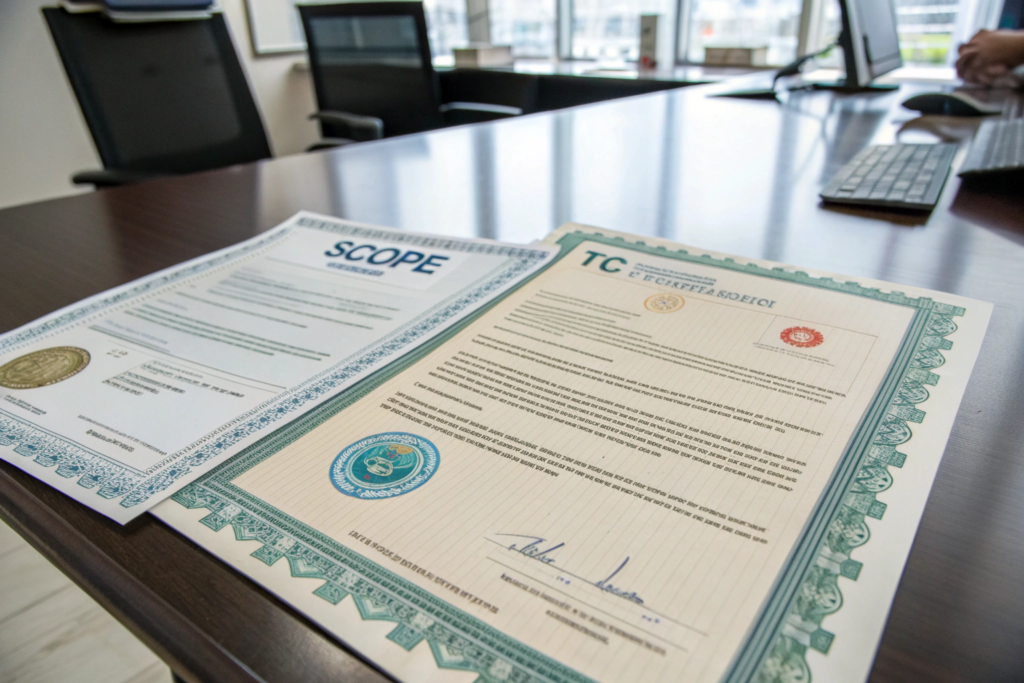
A scope certificate is a license to operate. A Transaction Certificate (TC) is the proof of execution. It's the most critical document in OCS. It physically traces a specific batch of organic material from one certified entity to the next.
What to Ask For: "Please provide a redacted sample Transaction Certificate from a recent shipment of OCS fabric/garments similar to what I am ordering."
What to Scrutinize on the Sample TC:
- Product Description: Does it accurately describe an organic cotton product?
- Mass Balance: The "Input" and "Output" quantities should make sense, tracking the material flow.
- Certificate Numbers: It should reference the scope certificate numbers of the sender and receiver.
- Dates: The TC date should be within the validity period of all linked scope certificates.
The Golden Rule: No TC, No Certification. If a supplier cannot provide a sample TC, it means they have never actually completed a certified transaction. Walk away immediately. This is the single most effective filter.
What is the Difference Between a TC and an Invoice?
This confuses many. An invoice is a commercial document for payment. A Transaction Certificate is a compliance document for traceability. They must align in product description and quantity, but they are issued by different parties (the CB vs. the supplier). You need both for a complete shipment, but the TC is the proof of organic content.
Step 3: Conduct a Virtual or Physical Audit of Segregation Practices
Certification isn't just about paper; it's about physical processes. How does the factory prevent OCS organic cotton from mixing with conventional cotton? This is called segregation, and a breakdown here invalidates everything.
Key Questions for Your Audit:
- "Can you show me your warehouse? How are OCS raw materials (yarn/fabric) stored and labeled separately?"
- "Do you have dedicated production lines or run OCS orders at specific times to prevent cross-contamination?"
- "What is your procedure for cleaning machines between conventional and organic runs?"
- "How do you track OCS batch numbers through the production floor?"
At Fumao, we offer virtual factory tours for this exact purpose. We show clients our warehouse with clear "OCS CERTIFIED" labeled sections, our batch-tracking system, and the internal control procedures. A credible supplier will be proud to show you this, not defensive.
The "Tell" of a Weak System: Vague answers like "our workers are trained" without physical evidence (photos, SOP documents, labeled areas) indicate a paperwork-only certification, which is extremely risky.

Can You Rely on a Third-Party Audit Report?
Yes, if it's recent and from a reputable auditor. Ask if the factory has had a recent third-party social/compliance audit (like SMETA, BSCI, or SLCP). Factories that pass rigorous social audits often have stronger general management systems, which supports better OCS control. However, this does not replace checking the OCS-specific documents and processes yourself.
Step 4: Test the Material Before Bulk Commitment
Before you order 10,000 meters, you must test the actual organic content of the fabric sample you are approving. The OCS system requires this, and you should too.
The Process:
- Get a Bulk-Consistent Sample: Insist the supplier provides a fabric sample cut from the same batch of greige fabric that will be used for your order, or at the very least, is representative of their standard quality.
- Send it for Independent Testing: Use an accredited third-party lab (like SGS, Bureau Veritas, or QIMA) to conduct a fibre composition test. This test will verify the percentage of organic cotton present.
- Match Results to Claim: The test report should confirm "100% cotton" and, through supporting documentation from the supplier (the TC chain), the organic status of that cotton can be claimed.
Why Not Just Trust Their Word? We once had a client who received a "GOTS" sample from a new supplier that felt off. We advised testing. The lab found it was 70% polyester. The supplier was fraudulent. The $50 test saved a $50,000 mistake. Always test.
Who Should Pay for This Pre-Order Testing?
Typically, the buyer pays for independent verification as part of their due diligence cost. However, a confident, legitimate supplier will often share test reports from their own accredited lab. Our in-house CNAS-accredited lab provides test reports to clients as a standard part of our quotation pack, which builds immediate trust.
Step 5: Review and Pre-Approve All Labeling & Documentation Workflow
The final checkpoint before your bulk order is about the finish line. Mislabeled goods are uncertified goods.
Labeling Pre-Approval:
- Care Label: Demand to see the artwork for the permanent care label. It must include the correct fiber content (e.g., "100% Organic Cotton") and the OCS license number of the final certified entity in the chain (e.g., the garment factory).
- Hangtag/Marketing Claims: Review any hangtags or marketing copy that will make an organic claim. Ensure the language aligns with OCS rules (e.g., "Made with X% OCS certified organic cotton").
Documentation Workflow Agreement:
- Clarify Timing: "When will I receive the draft OCS TC for my order for review? (It should be before shipment)."
- Clarify Process: "What is your procedure if there is a discrepancy between the TC and the commercial invoice?"
- Get it in Writing: Include these document delivery timelines and review rights in your purchase order terms.
Having this agreement prevents the most common post-production delay: waiting for corrected documents while your goods sit in a warehouse accruing fees.

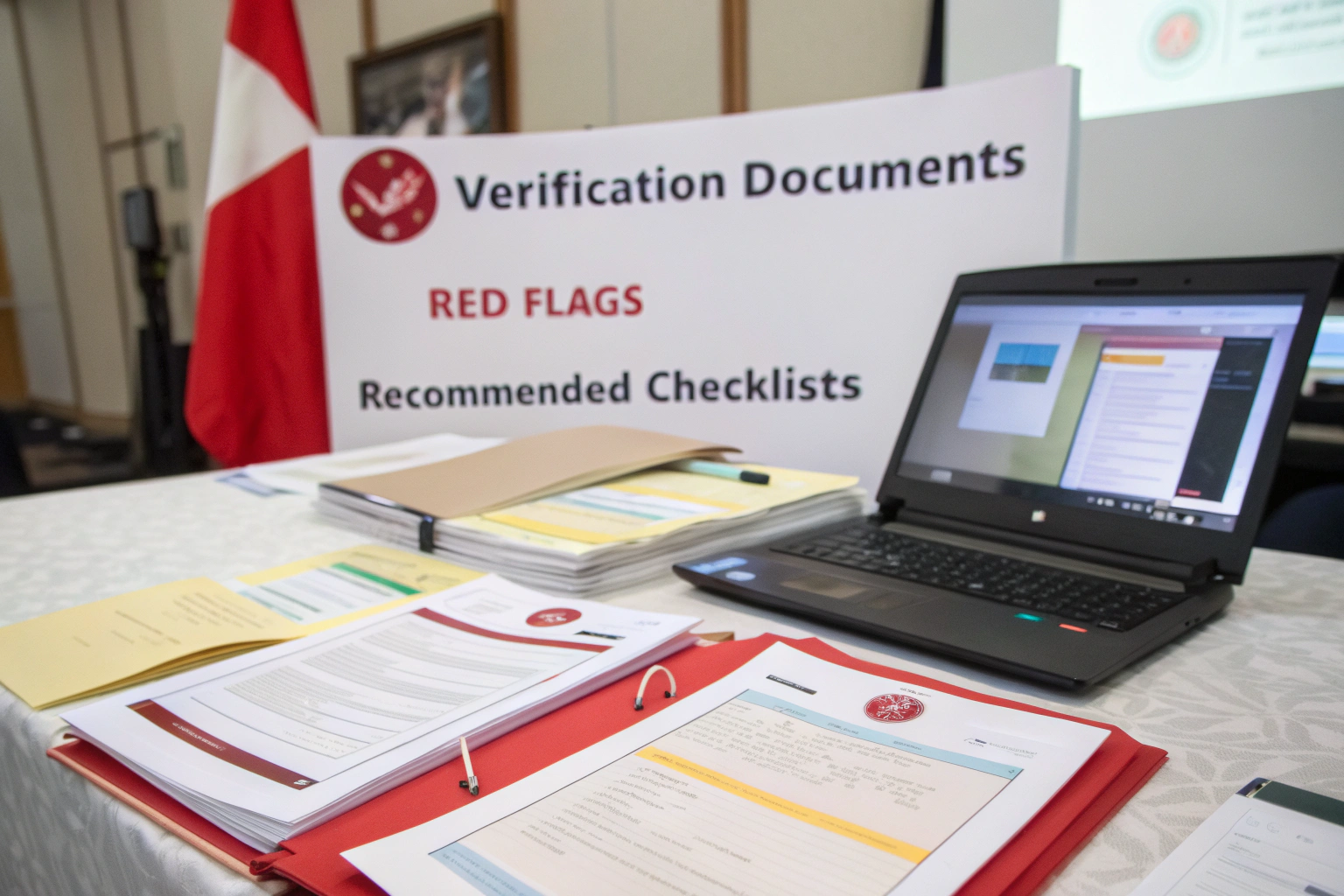
What Should Your Pre-Order Due Diligence Checklist Look Like?
Here’s a condensed checklist to use with any potential OCS supplier:
| Checkpoint | What to Ask For | Red Flag |
|---|---|---|
| 1. Scope Certificate Chain | Spinner, Weaver, Dyer, Factory certificates (PDF). | Missing links, expired dates, unknown CB. |
| 2. Transaction Certificate Proof | Redacted sample TC from past order. | Cannot provide one. |
| 3. Segregation & Process Audit | Virtual tour/photos of OCS storage & production tracking. | Vague answers, no visual proof. |
| 4. Material Verification | Bulk-representative sample & independent test report. | Refuses to provide sample, discourages testing. |
| 5. Labeling & Docs Workflow | Care label artwork, agreement on TC delivery timeline. | Unwilling to share label proofs or commit to doc timing. |
If a supplier passes all five, you have a high-confidence partner. If they fail any, you have a high-risk situation.
What If You Find a Problem? The "No-Go" Decision.
Despite your checks, you might uncover an issue: an expired certificate, a broken chain, or refusal to provide information. This is where you must be willing to walk away. The cost of cancelling an order at the PO stage is trivial compared to the cost of receiving uncertifiable goods.
How to Handle It: Be professional and direct. "Thank you for the information. As part of our compliance process, we have identified that [specific issue, e.g., the dye house certificate expired in June]. This prevents us from proceeding with an OCS order. We are happy to reconsider if this can be resolved and verified." This puts the onus on them to fix it, and it tests their commitment to genuine certification.
Conclusion
Checking OCS certification before a bulk order is not about distrust; it's about professional diligence. It transforms your sourcing from a gamble into a managed risk. By demanding the full certificate chain, examining a real Transaction Certificate, auditing physical segregation, testing the material, and locking down the labeling workflow, you build an evidence-based case for trust.
This process does more than protect you—it elevates the entire industry. It rewards the honest, invested suppliers (like Shanghai Fumao) who have built robust systems, and it marginalizes the opportunists. Your rigor as a buyer is what makes the OCS label meaningful.
Don't let the excitement of a new collection rush you past these critical steps. The time and cost of this due diligence are the cheapest insurance you will ever buy for your sustainable fashion venture. Ready to place a bulk OCS order with a supplier whose documentation is clear, transparent, and ready for your scrutiny from day one? Contact our Business Director, Elaine, at elaine@fumaoclothing.com. We welcome your toughest questions.