You've just received a stunning lace garment—maybe it's an heirloom piece, a wedding dress, or a delicate blouse. The intricate patterns are breathtaking. Then, panic sets in. How do you wash this without turning it into a tangled, shrunk, or torn mess? One wrong move and those beautiful threads are ruined. This fear stops many from wearing their favorite lace pieces or leads to expensive dry-cleaning bills for items that could be cared for at home.
The truth is, lace isn't as fragile as you think if you know its language. With over two decades at Shanghai Fumao, producing lace for global brands, I've seen how proper care can extend a garment's life for years. The damage isn't usually from wearing lace; it's from well-intentioned but harsh cleaning methods. This guide will translate fabric care labels into simple, actionable steps. You'll learn to identify your lace type, choose the right cleaning method, and handle it with confidence—preserving its beauty wash after wash.
Lace care is a partnership between maker and wearer. At our company, we design with maintenance in mind, but the final act of preservation is in your hands. Understanding these principles not only protects your investment but also deepens your appreciation for the craft behind every thread.
What Are the Golden Rules for Handling Delicate Lace?
Before water or soap ever touch your lace, the way you handle it sets the stage for its longevity. Lace fabrics, especially those like Chantilly or fine embroidered styles, have loops and fine threads that love to catch. The golden rules are about prevention: preventing snags, preventing stress, and preventing unnecessary cleaning. Always turn the garment inside out before any handling—this protects the right side of the lace from friction and contact with dirt or rough surfaces. Never pull, tug, or hang lace by a single thread or delicate strap; support its entire weight.
At Shanghai Fumao, our quality control includes pre-washing samples to test for colorfastness and shrinkage, but we also assess how the lace behaves under stress. We know, for instance, that a Raschel lace with lycra has more recovery and can handle a bit more movement, while a vintage-style Leavers lace requires a lighter touch. This knowledge directly informs the care instructions we recommend to our clients. (Here’s a tip we always share: store lace folded in acid-free tissue paper, never on wire hangers that can distort the shape over time.)
Should You Always Dry Clean Lace, or Can You Hand Wash It?
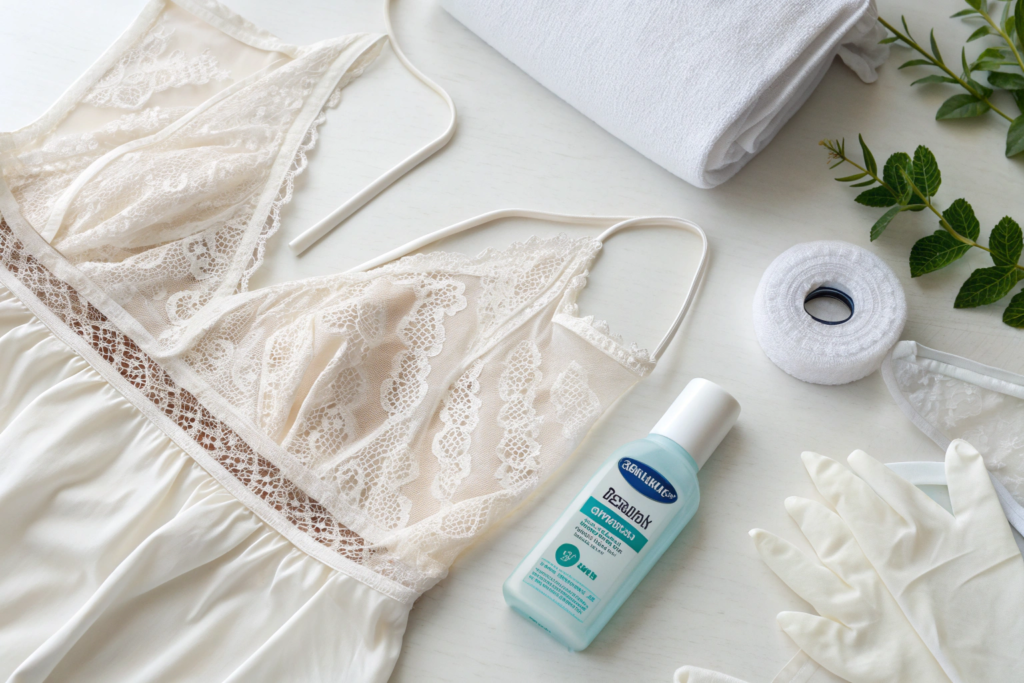
The universal advice to "dry clean only" is often more of a liability shield than a necessity. Many laces can be safely hand-washed, saving you money and avoiding harsh chemicals. The decision depends on the fiber content and construction. Silk, wool, and acetate laces are more temperamental and often do best with professional care. Most synthetic laces (polyester, nylon) and cotton laces are excellent candidates for gentle hand washing. The key is the finishing: if the lace has a stiffener or is attached to a structured base fabric (like in a blazer), dry cleaning is safer.
How can you test? Find a hidden seam or a small swatch (like an inside tag) and perform a spot test with cool water and mild detergent. Blot dry—if the color doesn't run and the fabric doesn't pucker, hand washing is likely safe. For a client in Germany who purchased bulk Guipure lace for a home décor line, we provided specific hand-wash instructions. They successfully cleaned their sample curtains, removing light dust without damaging the heavy texture. This empowered them to offer practical care advice to their end customers, boosting the product's perceived value. For more on this, reading about the real environmental impact of dry cleaning solvents can help you make an informed choice.
What Are the Essential Pre-Wash Steps to Prevent Snagging?
Preparation is 90% of the battle. Follow these steps every time:
- Close All Fastenings: Zip zippers, hook hooks, and button buttons. This prevents them from catching on the lace.
- Turn Inside Out: This protects the outer decorative surface.
- Place in a Mesh Bag: For machine washing (on a delicate cycle), a fine mesh garment bag is non-negotiable. It creates a protective barrier. For hand washing, you can still use the bag as a helpful "basket" to lift the lace out of the water without stress.
- Address Stains Immediately: Gently dab (don't rub!) any fresh stains with cool water before washing. Rubbing grinds the stain and can break threads.
I once saw a beautiful lace camisole ruined because a bra underwire snagged it during a wash. A simple mesh bag would have saved it. Learning how to properly use mesh laundry bags for delicates from trusted home organization sites can transform your laundry routine.
How to Execute the Perfect Hand Wash for Lace?
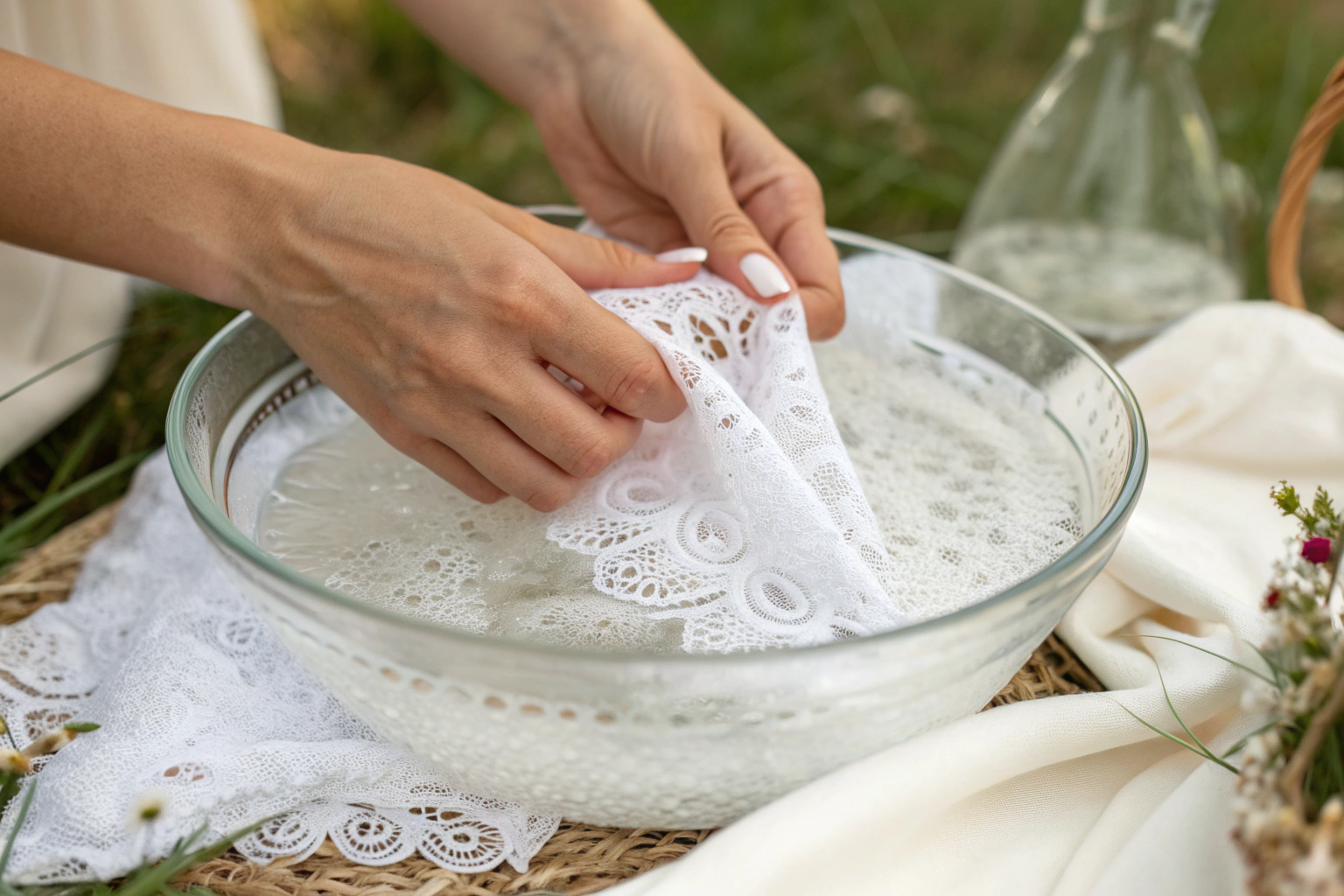
Hand washing is the most controlled and gentle method. It’s not about agitation; it’s about bathing the fabric. Fill a clean basin or sink with cool or lukewarm water. Hot water is a major enemy—it can set stains, cause shrinkage, and weaken fibers over time. Use a small amount of mild detergent specifically designed for delicates or wool. Avoid regular laundry detergents, bleach, and fabric softeners at all costs; they are too harsh and can break down fibers or leave a dulling residue.
Submerge the lace fully and let it soak for 5-10 minutes. Gently press the water through the fabric—never twist, wring, or scrub. Imagine you're handling a precious historical document. For very soiled items, you can drain the soapy water, refill with clean cool water, and gently press again to rinse. Repeat until the water runs clear. This method is how we test lace colorfastness in our lab, and it’s the standard we recommend for home care.
What Is the Right Way to Dry Lace Without Distorting It?
This is the most critical step where damage often occurs. Never, ever wring out lace. The tension can irreparably stretch and snap threads. Here’s the professional method:
- Gently Press Out Water: After the final rinse, lift the lace (supporting its full shape) and press it softly against the side of the basin to remove excess water.
- Lay Flat on a Dry Towel: Lay a clean, dry, white or colorfast towel on a flat surface. Place the lace garment on top, gently reshaping it to its original dimensions.
- Roll the Towel: Starting from one end, slowly roll the towel with the lace inside, like a jelly roll. This uses capillary action to absorb water without stress.
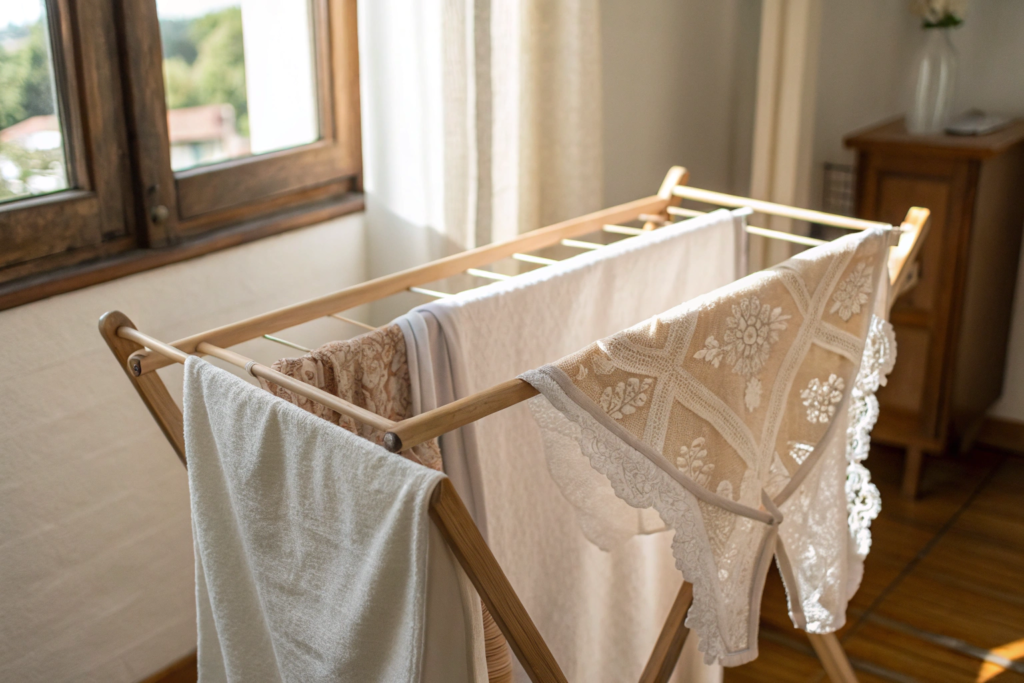
- Lay Flat to Dry: Unroll and transfer the lace to a fresh, dry towel or a mesh drying rack. Allow it to air dry away from direct sunlight or heat sources, which can cause fading and fiber brittleness.
We had a case in early 2023 with a US retailer. They reported that our lace trim on a line of nightgowns was shrinking. After investigation, we found their factory was tumble-drying the finished garments on high heat. We sent them a video demonstrating the lay-flat drying technique. Once they corrected their process, the "shrinkage" issue vanished completely. This underscores that care starts in the supply chain. For bulky items, understanding how to block knitted and lace garments to shape is a valuable skill, often discussed in crafting communities.
Can You Ever Use a Washing Machine for Lace Items?
Yes, but with extreme caution and only for sturdier lace types or items where the lace is a trim. The rules are strict: Use a front-loading machine only (top-loaders with an agitator are too rough). Select the delicate, hand-wash, or wool cycle with cold water. Place the item in a secured mesh bag. Use a tiny amount of delicate detergent. And this is crucial: never put lace in the dryer. The heat and tumbling are a guaranteed recipe for destruction.
Even then, machine washing is a risk. It's best reserved for everyday items like cotton lace underwear or sturdy polyester lace trim on a t-shirt. For heirloom pieces, wedding dresses, or expensive lingerie, the few minutes saved are not worth the potential heartbreak. Hand washing is always the safer choice.
How to Remove Stains and Store Lace Long-Term?
Accidents happen. The immediate response to a stain determines if it becomes permanent. For water-based stains (juice, wine, coffee), immediately blot with a clean cloth dampened with cool water. For oil-based stains (makeup, butter), a tiny drop of mild dish soap on the stain before a cool hand wash can work wonders. Always work from the back of the fabric to push the stain out, not deeper in. Never use chlorine bleach. For white lace, if yellowing occurs, a soak in a solution of cool water and a denture tablet can be surprisingly gentle and effective.
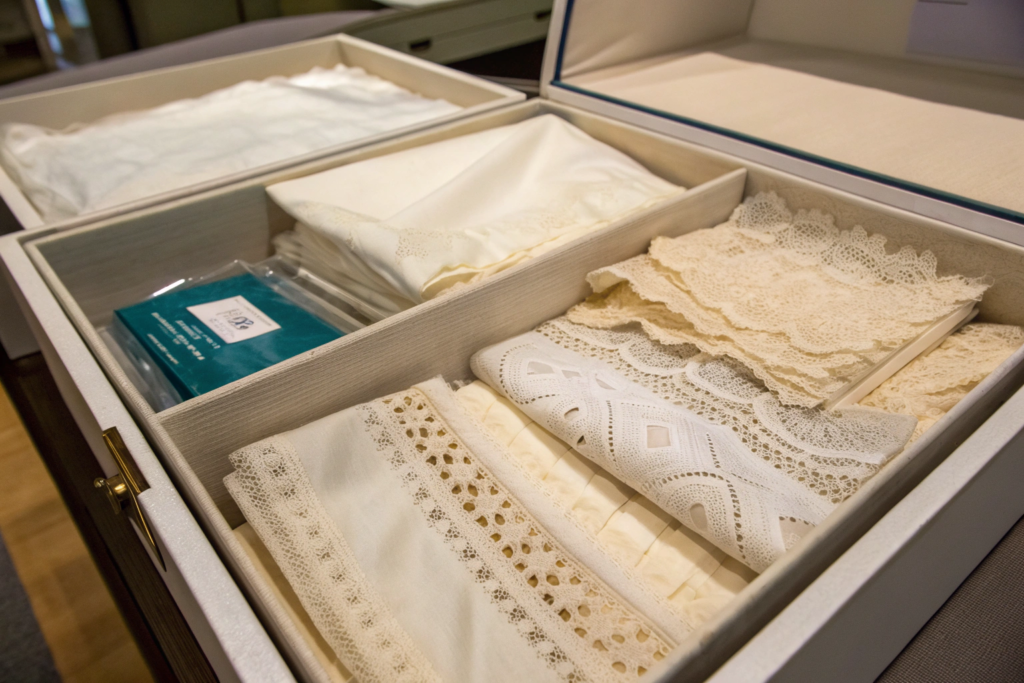
Long-term storage is about protecting lace from its enemies: light, moisture, acidity, and pressure. Always clean lace before storing it—dirt and oils attract pests and cause yellowing. Fold it with acid-free tissue paper to prevent creases and place it in a breathable cotton bag or a cardboard box (plastic traps moisture). Add silica gel packets to control humidity. Store in a cool, dark, dry place. Check on it periodically.
What Should You Absolutely Never Do to Lace Fabric?
A short, non-negotiable list:
- Never Use Bleach or Stain Sticks: They break down fibers and cause irreversible yellowing or weakening.
- Never Rub or Scrub Stains: This frays and distorts the lace pattern.
- Never Wring or Twist: This stretches and breaks the threads.
- Never Iron Directly: Always use a pressing cloth on the lowest steam setting, and iron on the reverse side.
- Never Hang to Dry: The weight of the water will stretch the lace out of shape.
- Never Store in Plastic or Direct Sunlight: This leads to moisture buildup and rapid fading.
A client in Russia once tried to iron a polyester lace tablecloth directly on high heat. The synthetic fibers melted slightly, creating a shiny, hardened patch. The piece was ruined. We helped them source a replacement but provided a laminated care card with the new shipment. Educating the end-user is part of our service at Shanghai Fumao.
How Can You Repair Minor Snags or Loose Threads?
Don't panic at a small pull. If a thread is loose but not broken, you can often gently coax it back into place using a blunt needle or a fine crochet hook. For a small snag, carefully trim the pulled thread with sharp, pointed scissors as close to the fabric surface as possible—do not pull it. For a broken thread in a critical area, a tiny dot of clear fabric glue (applied with a pin) can secure it and prevent further unraveling. For valuable pieces, professional textile conservation is always the best route. Learning basic visible mending techniques for fine fabrics can empower you to save a beloved item.
Conclusion
Caring for delicate lace is not about treating it as a museum piece you never touch. It's about understanding its nature and adopting mindful habits that allow you to enjoy it fully and for longer. The core principles are simple: gentle handling, cool water, mild soap, no wringing, flat drying, and safe storage. By mastering these, you transform from someone who fears lace to someone who cherishes and maintains it with confidence.
Remember, the best care starts at the source. When you choose a supplier like Shanghai Fumao, you're not just buying fabric; you're gaining a partner who builds durability and cleanability into the product from the first thread. We test our laces for colorfastness and shrinkage so you can follow these care guidelines with trust.
Have a lace project in mind but concerned about care and longevity? Let's discuss how our fabrics and finishing techniques can meet your needs. Reach out to our Business Director, Elaine, at elaine@fumaoclothing.com. We'll help you select the perfect lace that's as beautiful as it is durable, backed by care instructions you and your customers can rely on.