Let me be blunt: if you're still treating your fabric supplier like a disposable vendor you beat down on price for every order, you're leaving massive value—and money—on the table. I've seen it from both sides. The brands that constantly switch suppliers chasing pennies per meter end up paying dollars more in hidden costs: delayed shipments, inconsistent quality, and development dead-ends. The real competitive advantage isn't just in finding a supplier; it's in building a true partnership. A relationship where your supplier fights for your success as if it were their own, proactively solves problems, and invests in innovation for your future collections. That's where the real savings, speed, and magic happen.
So, how do you build this? It starts with a fundamental mindset shift: from a transactional, price-focused dynamic to a collaborative, value-focused alliance. This doesn't mean you overpay. It means you recognize that the lowest price often comes with the highest risk. A trustworthy relationship is built on a foundation of radical transparency, aligned incentives, and a commitment to mutual growth. It's about moving beyond the purchase order to co-creating value. Your supplier becomes an extension of your R&D and production team, deeply understanding your brand DNA, your quality thresholds, and your market pressures.
The payoff is immense. Think reliable lead times even during peak seasons, priority access to new innovations, shared risk on development costs, and a partner who will go to bat for you when the unexpected happens (and it always does). In an era of supply chain chaos, this relationship is your single most valuable asset. Let's break down the actionable steps to build it.
What Are the Foundational Pillars of a Trust-Based Partnership?
Trust isn't built on handshakes; it's built on demonstrable actions and systems. Four pillars hold up a long-term relationship:
-
Transparency in Communication: This goes beyond responding to emails. It means proactive updates—good and bad. If there's a delay at the dyeing mill, you hear it from your supplier before the missed deadline. If a fabric's yield is coming in lower than expected, they flag it immediately with solutions, not excuses. At Shanghai Fumao, we initiate weekly sync calls for key accounts, sharing production schedules, QC photos, and even raw material cost fluctuations. No surprises.
-
Consistency in Quality: Trust evaporates with the first inconsistent shipment. A true partner has robust, documented QC systems (like our CNAS-accredited lab) and understands your specific pass/fail criteria. They don't just meet a standard; they internalize your brand's standard. This means investing in joint training—we've had QC teams from European brands visit our factory to calibrate inspection standards side-by-side with our team.
-
Fairness in Commerce: This is about creating win-win economics. It doesn't mean you never negotiate. It means you negotiate with a long-term view. For example, agreeing on a price adjustment mechanism tied to raw material indices (like cotton futures) instead of arbitrary haggling every season. It means paying deposits on time so your supplier's cash flow isn't strained, allowing them to reserve capacity for you.
-
Investment in Mutual Growth: Your supplier should be growing with you. Share your 3-5 year vision. If you plan to expand into sustainable activewear, a committed partner will invest in the relevant certifications (e.g., GRS, bluesign®) and R&D for moisture-wicking finishes, anticipating your needs. We’ve co-invested with clients on exclusive fabric developments, sharing the initial R&D cost in exchange for a commitment to volume over time.
How Do You Establish Crystal-Clear Quality Standards from Day One?
Ambiguity is the enemy of quality. The first step is to move beyond vague terms like "good hand-feel" or "vibrant color." You must co-create a technical specification package that becomes the binding "contract" for every order. This pack should include:
- Approved Physical Standards: A signed and sealed fabric swatch (the "gold seal" standard) for hand, color, and construction.
- Detailed Tech Specs: Measurable parameters: weight (GSM), width, thread count, composition, tensile strength, colorfastness grades (to wash, light, rubbing), pilling rating, and shrinkage allowance.
- Defined Tolerance Ranges: What is the acceptable +/- for weight? What shade deviation (Delta E) is acceptable under which lighting (D65 vs. TL84)?
- Packaging & Labeling Requirements: How must each roll be wrapped? What information must be on the roll ticket (batch #, meterage, your PO#)?
We digitalize this for our partners. Each client gets a secure portal where their unique tech pack is stored. For every order, the production team and QC inspectors must digitally acknowledge and reference this pack. This eliminates "he said, she said" and aligns everyone to the same objective standard. For a deep dive on establishing textile testing protocols, resources from AATCC are essential.
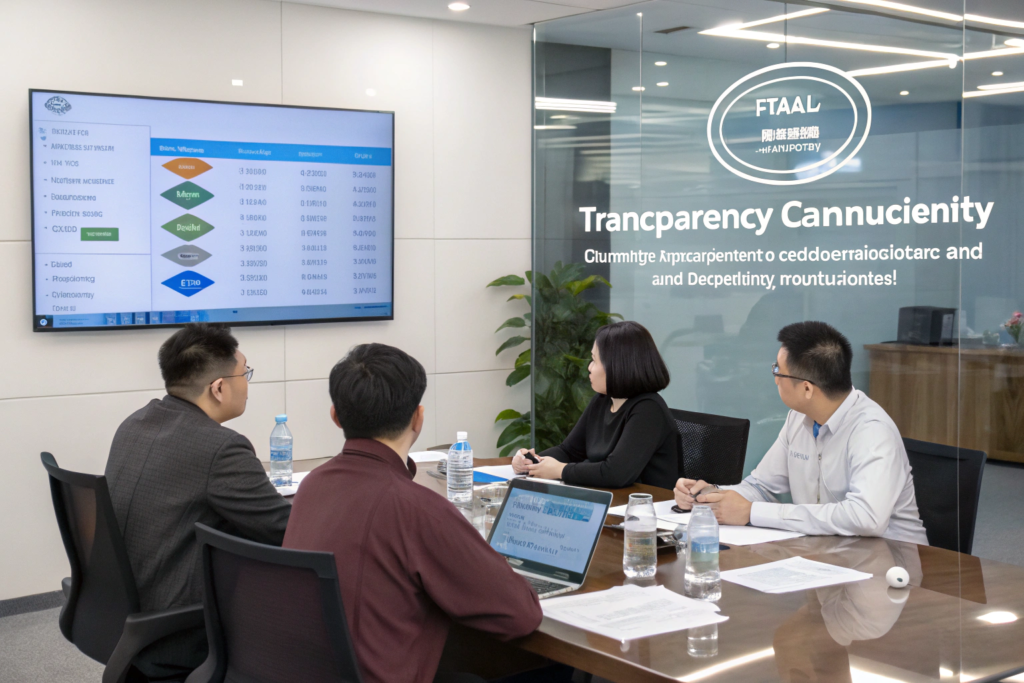
Why is a Transparent Cost Breakdown Crucial for Long-Term Trust?
Demanding a cost breakdown isn't about micromanaging; it's about understanding the value drivers in your fabric. A partner who provides transparency is confident in their efficiency and has nothing to hide. A typical breakdown might show: Raw Material (Yarn) 55%, Weaving/Knitting 20%, Dyeing/Finishing 15%, Overhead & Profit 10%.
This transparency enables value engineering. For instance, in early 2023, an Australian athleisure brand wanted to reduce the cost of a custom brushed polyester. By reviewing the breakdown together, we identified that the specialty "anti-pilling" yarn was the major cost driver. We proposed an alternative: using a standard yarn and applying a different, more cost-effective anti-pilling finish in our lab. We produced samples for them to test. The performance met their standard, and the cost dropped by 12%. They saved money, and we deepened the relationship by solving a problem together. This is impossible with a supplier who guards their cost structure like a state secret.
How Can Strategic Communication Prevent Catastrophic Issues?
Communication in a crisis defines a relationship. The goal is to move from a model of "reactive problem-reporting" to "proactive risk-management." This requires structured communication channels and a shared digital truth.
Establish clear escalation paths and single points of contact (SPOCs) on both sides. Know who to call for a quality alert vs. a logistics delay. Use shared project management tools (like Trello, Asana, or even a simple shared spreadsheet) to track orders from development to shipment. At Shanghai Fumao, we grant key clients view-only access to our production scheduling system for their orders. They can see in real-time if their fabric is in weaving, dyeing, or inspection.
The most critical practice is the pre-production meeting. For any new fabric or large repeat order, insist on a video call with the supplier's production manager, QC head, and sales lead. Walk through the tech pack, highlight past pain points, and agree on checkpoints. This 30-minute call can prevent weeks of delay.

What is the Role of Regular, In-Person Visits (Virtual or Physical)?
There's no substitute for looking someone in the eye and walking their factory floor. In-person visits (or thorough virtual tours if travel isn't possible) build irreplaceable rapport and understanding. You're not just auditing; you're building social capital.
When you walk the floor, you see their capabilities and constraints firsthand. You might notice their weaving machines are newer than expected, or that their fabric inspection process is meticulous. This builds confidence. Conversely, you can identify potential risks early. During a visit for a major US retailer in late 2023, our client noticed that two different dye lots of the same color were stored close together. While it posed no immediate risk, it sparked a conversation that led us to implement enhanced color segregation protocols, preventing a future cross-contamination risk. They weren't being adversarial; they were being a partner. For guidelines on conducting effective supplier site visits, industry publications offer good frameworks.
How Should You Handle Problems and Disputes When They Arise?
Problems will arise. A yarn breaks, a power outage happens, a color match is off. The test of the relationship is how you handle it.
Adopt a "solve-first, assign-blame-later" mentality. When a client alerts us to an issue, our first response is never defensive. It's: "We acknowledge the issue. We are stopping related production. We are investigating root cause. We will present a solution and corrective action plan within 24 hours." This immediately de-escalates tension and focuses energy on resolution.
Then, share the Root Cause Analysis (RCA) transparently. Was it a human error in dye weighing? A machine calibration drift? A substandard raw material batch from their supplier? Sharing the RCA, even if it exposes an internal failure, demonstrates integrity and a commitment to systemic improvement. Finally, agree on a fair and proportional remedy. This could be a discount, a partial re-make, or a priority slot for the next order. The goal is to make the client whole and ensure the problem never recurs.
Why is Joint Innovation the Ultimate Trust Builder?
When you move from buying existing fabrics to co-developing new ones, the relationship transforms. You're no longer a client; you're a co-creator. This shared journey builds immense loyalty and locks in competitive advantage.
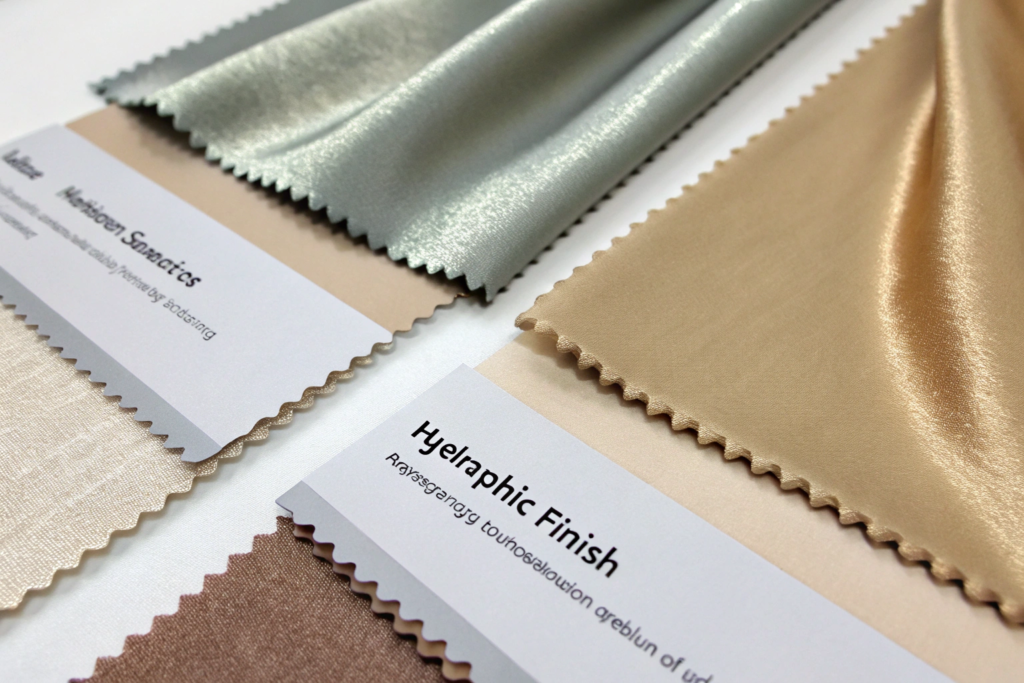
Start small. Maybe you want to tweak an existing fabric—make it softer, or give it a different sheen. Share that challenge. A good supplier will run small, often free, trials in their lab to present options. For example, a French lingerie brand wanted their signature satin to have better moisture-wicking properties. We weren't satin experts, but we had a finishing lab. We experimented with three different hydrophilic finishes on small samples. They tested them, chose one, and we scaled it up. They got a unique product, and we expanded our finishing expertise.
For bigger innovations, consider a Joint Development Agreement (JDA). This formalizes the investment: you might commit to a minimum order volume over two years, and the supplier absorbs the upfront R&D and sample costs. This aligns incentives perfectly. We have a JDA with a UK menswear brand for a proprietary wool-blend canvas. It's their fabric, exclusive for 18 months. They get a unique selling point, and we have a guaranteed, profitable customer for a defined period.
How Do You Align on Sustainability Goals and Investments?
Sustainability is a long-term journey, not a one-off purchase. A true partner will walk this path with you. Start by sharing your public sustainability roadmap (e.g., "50% recycled materials by 2027") and your compliance requirements (e.g., EU DPP, ZDHC MRSL).
Then, work backwards. If your goal is recycled materials, your supplier needs to have GRS-certified supply chains. If your goal is carbon reduction, they need to measure their footprint and offer lower-impact options (like digital printing or air-dyed fabrics). At Shanghai Fumao, we’ve developed a "Sustainability Menu" with clients, mapping our available eco-options (recycled fibers, eco-finishes, low-water processes) against their cost and performance needs. We then create a phased plan to increase the sustainability quotient of their basket year over year. This transforms a vague goal into a concrete, joint action plan. Resources like the Higg Index can facilitate shared measurement.
What Are the Financial Mechanisms that Cement Long-Term Partnerships?
Beyond fair pricing, smart financial arrangements build stability. Consider:
- Forecasting & Capacity Reservation: Share your 12-month rolling forecast (with the understanding it's not a firm PO). In return, the supplier can reserve production capacity and raw materials for you, securing better prices and guaranteeing slot availability during peak season. You might pay a small reservation fee, which is credited against future orders.
- Volume-Based Rebates: Agree on tiered pricing based on annual commitment. This rewards loyalty and gives you a clear cost-down target.
- Open-Book Costing for Development: For exclusive developments, agree to an open-book model where the supplier discloses all development costs, and you agree on a fair markup. This eliminates suspicion and fosters collaboration.
What Are the Warning Signs of a Supplier Stuck in a Transactional Mindset?
Not every supplier wants to be a partner. Watch for these red flags:
- Reluctance to Share Information: They won't provide factory audits, cost breakdowns, or introduce you to their production team.
- "Yes-Man" Syndrome: They promise anything and everything without asking detailed questions or pushing back on unrealistic requests. This leads to failure.
- No Investment in Capabilities: Their equipment, lab, and certifications haven't improved since you started working with them.
- Blame-Shifting: Problems are always due to "their supplier" or "an unexpected event," with no ownership or systemic correction.
- Short-Term Pricing Games: Wild price fluctuations order-to-order with no link to raw material markets.
If you see these, it's likely a vendor, not a partner. The relationship may serve for simple, off-the-shelf items, but don't bet your critical path or innovation on it.

How Do You Gracefully Transition from Multiple Suppliers to a Core Partner?
You don't have to fire all other suppliers overnight. Start with a pilot project. Choose one upcoming collection or fabric category that is important but not mission-critical. Award the full development and production to your potential core partner. Use this project to test all the pillars: communication, problem-solving, innovation, and reliability.
If it succeeds, you have a proof case. Gradually consolidate more business with them, category by category. Be transparent with your other suppliers about your strategy. You might maintain relationships with one or two others for niche specialties or as a benchmark, but your core partner gets 70-80% of your volume. This concentrated volume gives you greater leverage, attention, and priority.
Conclusion
Building a long-term, trustworthy relationship with a fabric supplier is a strategic investment that pays dividends in resilience, innovation, and profitability. It requires moving beyond price-centric negotiations to fostering transparency, aligning on quality and values, communicating proactively, and investing in joint growth. In a volatile world, this partnership becomes your most stable competitive edge—a dedicated extension of your own team that is deeply invested in your success.
The journey starts with choosing a supplier with the capability and, more importantly, the willingness to partner, and then consistently investing in the relationship with clarity, fairness, and a shared vision for the future.
If you're ready to move beyond transactional sourcing and build a fabric partnership that drives your brand forward, let's start the conversation. At Shanghai Fumao, we are built for partnership, with transparent processes, integrated capabilities, and a commitment to growing with our clients. To explore how we can become your long-term fabric solutions partner, contact our Business Director, Elaine. Let's build something lasting, together. Reach her at: elaine@fumaoclothing.com.