I remember a conversation I had with a buyer from a mid-sized fashion brand in the UK about eight years ago. He was proud of his sourcing strategy. He had moved all his production to a new supplier in Bangladesh that offered prices 40% lower than his previous Chinese supplier. His margins were up, and his board was happy. Six months later, he called me in a panic. A shipment of 20,000 t-shirts had arrived with fabric that pilled after one wash. The supplier refused to take responsibility. The brand had to issue refunds, and their reputation was damaged. He told me, "I thought I was saving money. I ended up losing everything I saved and more."
That story has played out so many times. The allure of low prices from developing countries is powerful. But low price without quality is not a bargain. It's a trap. Over twenty years in this industry, I've learned that the real skill in sourcing from developing countries is not finding the lowest price. It's finding the sweet spot where cost and quality meet. Where you get a fair price for a reliable product. Where the supplier makes enough margin to care about your order.
At Shanghai Fumao, we operate in China, which many buyers still consider a developing country for textile sourcing. We compete with suppliers in Vietnam, Bangladesh, India, and Pakistan. We know that price is always a factor. But we also know that the cheapest supplier is rarely the best partner. In this article, I'm going to share what I've learned about balancing cost and quality when sourcing from developing countries—the hidden costs of low price, the true value of quality, and how to find suppliers who deliver both.
What Are the Hidden Costs of Choosing the Lowest Price?
The price on the quote is not the final cost. There are hidden costs that only appear after you've placed the order. Understanding these costs is the first step to making a smart sourcing decision.
How Do Sampling Costs Add Up?
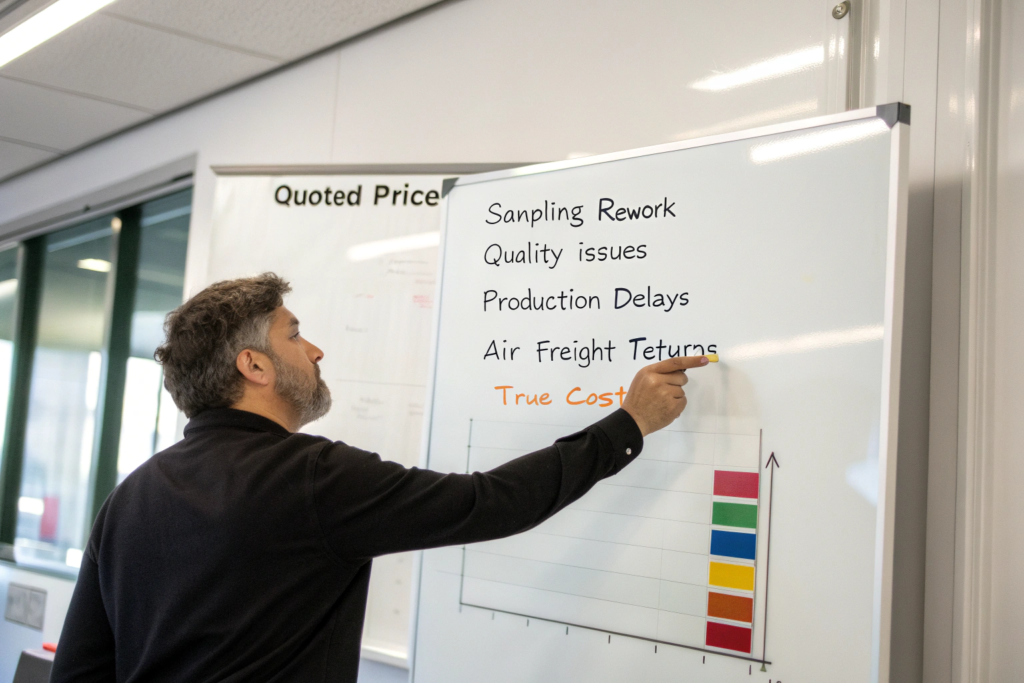
The first hidden cost is sampling. A reliable supplier will get the sample right the first or second time. A cheap supplier may take four, five, or six rounds. Each round costs time and money. You pay for shipping. You pay for your team's time to review. You pay for the delay in your production schedule.
I had a client who chose a supplier in India because their fabric price was 15% lower than ours. The sampling process took three months. The supplier sent five rounds of samples. Each round had issues—color mismatch, wrong weight, poor finish. By the time the sample was approved, the client had missed their production window. They ended up air freighting the fabric at a cost that wiped out all their savings. The cheap fabric ended up being the most expensive fabric they ever bought.
The cost of sampling is not just the shipping fee. It's the opportunity cost. Every week you spend getting the sample right is a week you're not producing and selling. For a guide to managing sampling costs, this sourcing resource offers a framework for efficient sample approval.
What Is the Cost of Quality Failures?
This is the biggest hidden cost. A cheap fabric that fails quality inspection can ruin your entire collection. You might have to scrap the fabric. You might have to pay for rework. You might have to issue refunds to customers. You might lose repeat business. The cost of a quality failure is always multiples of the price difference.
I remember a client who sourced a cheap polyester from a new supplier in Vietnam. The price was excellent. The sample looked good. When the bulk fabric arrived, the color was inconsistent across the rolls. Some rolls were blue, some were purple. The client's factory cut and sewed 5,000 jackets before they noticed the color variation. The jackets were unusable. The client had to buy replacement fabric from us at a premium, pay for air freight, and re-sew the jackets. The total cost was over $50,000. The savings on the fabric were less than $5,000. That's a 10x loss.
Quality failures also damage your brand. A customer who buys a garment that falls apart after one wash doesn't come back. They tell their friends. They leave bad reviews. The long-term cost of a damaged reputation is impossible to quantify but it's real.
For a guide to calculating the true cost of quality failures, this quality control resource offers a formula for cost of poor quality.
How Do You Assess a Supplier's Quality Capability Before Ordering?
The best way to avoid quality failures is to assess the supplier's capability before you place the order. Not after. There are specific things you can look for that predict whether a supplier will deliver quality.

What Certifications Should You Look For?
Certifications are not a guarantee, but they are a good starting point. ISO 9001 indicates that the supplier has a quality management system. It doesn't guarantee quality, but it shows they care enough to get certified. For textiles, OEKO-TEX Standard 100 is important. It means the fabric has been tested for harmful substances. For organic products, GOTS is essential. For recycled materials, GRS is the standard.
A supplier who has these certifications has invested in their quality systems. They've been audited. They have processes in place. They're more likely to deliver consistent quality than a supplier with no certifications.
I had a client who was choosing between two suppliers in Pakistan. One had GOTS and OEKO-TEX certifications. The other had no certifications but was 10% cheaper. The client chose the certified supplier. The order went smoothly. The fabric passed all tests. The client told me later that the certifications gave him confidence that the supplier had their processes under control. He was willing to pay a premium for that confidence.
For a guide to textile certifications and what they mean, this industry resource offers a comparison of major textile certifications.
What Should You Ask About Quality Control Processes?
Certifications tell you about systems. But you also need to ask about specific QC processes. How do they inspect incoming raw materials? How do they monitor production? How do they inspect finished fabric? What testing equipment do they have? What standards do they use?
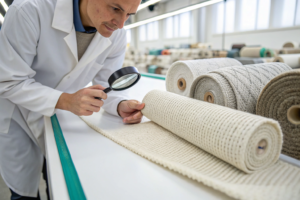
A supplier with strong QC will have clear answers. They'll have documented processes. They'll have test reports. They'll be able to show you their inspection records.
I had a client who asked a potential supplier in Bangladesh about their QC process. The supplier said, "We have experienced inspectors who check every roll." That was vague. The client asked for more detail. The supplier couldn't provide it. The client chose a different supplier who had a documented QC process with specific checkpoints, test methods, and acceptance criteria. The order was perfect.
For a guide to evaluating supplier QC processes, this quality control resource offers a checklist for QC capability assessment.
What Are the Trade-Offs Between Different Sourcing Countries?
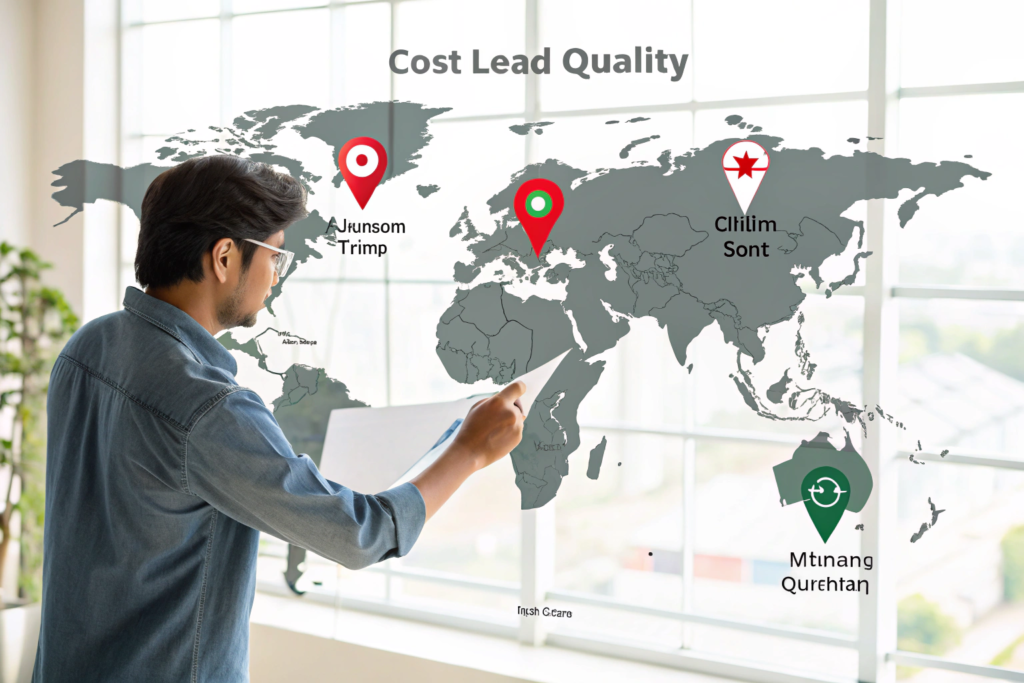
Different developing countries have different strengths and weaknesses. Understanding these trade-offs helps you balance cost and quality for your specific needs.
What Are China's Strengths and Weaknesses?
China is no longer the cheapest sourcing destination. Costs have risen. But China's strength is infrastructure. The supply chain is mature. You can find every type of fabric, every type of finish, every type of trim. The logistics are efficient. The quality control systems are established. For complex fabrics, custom developments, and reliable quality, China is still hard to beat.
The weakness is cost. China is more expensive than Bangladesh or Vietnam for basic fabrics. The lead times can also be longer during peak seasons. But for quality and capability, China remains a top choice.
I had a client who was sourcing a complex jacquard for a luxury collection. He compared quotes from China, Vietnam, and India. China was 20% more expensive. But the Chinese supplier had the specific jacquard looms needed for the pattern. The Vietnamese supplier would have needed to outsource the weaving. The Indian supplier had the looms but had never done that pattern before. The client chose China. The fabric was perfect.
For a guide to sourcing from China, this country-specific resource offers an overview of China's textile industry.
What Are Vietnam's Strengths and Weaknesses?
Vietnam has become a major sourcing destination, especially for apparel. The cost is lower than China. The quality is generally good. The country has invested heavily in textile manufacturing. For basic woven and knitted fabrics, Vietnam is competitive.
The weakness is depth. Vietnam's supply chain is not as developed as China's. For complex fabrics or specialized finishes, you may need to source from China or elsewhere. The lead times can also be longer because of capacity constraints.
I had a client who sourced basic cotton jersey from Vietnam. The price was excellent. The quality was consistent. The client was happy. But when they wanted to add a specialized moisture-wicking finish, the Vietnamese supplier couldn't do it. They had to source that fabric from China. For basic fabrics, Vietnam is a great option. For specialized fabrics, China still leads.
For a guide to sourcing from Vietnam, this country-specific resource offers an overview of Vietnam's textile industry.
What Are Bangladesh's Strengths and Weaknesses?
Bangladesh is the lowest-cost sourcing destination for basic textiles. The labor cost is very low. The country specializes in basic woven and knitted fabrics, especially for mass-market apparel. If you're making basic t-shirts, hoodies, or trousers, Bangladesh can offer excellent prices.
The weakness is quality consistency. Bangladesh has improved dramatically, but quality can still vary. The infrastructure is less developed. Lead times can be unpredictable. For complex fabrics or high-quality requirements, Bangladesh may not be the best choice.
I had a client who sourced basic sweatshirt fabric from Bangladesh. The price was unbeatable. The first order was fine. The second order had quality issues—the weight was inconsistent, the color was off. The supplier blamed the mill. The client had to find a new supplier. The savings on the first order were lost on the second.
For a guide to sourcing from Bangladesh, this country-specific resource offers an overview of Bangladesh's textile industry.
How Do You Build a Sourcing Strategy That Balances Cost and Quality?
The key to balancing cost and quality is not to choose one over the other. It's to build a strategy that optimizes both for your specific needs. That means segmenting your sourcing, building relationships, and investing in quality.
How Do You Segment Your Sourcing by Product Type?
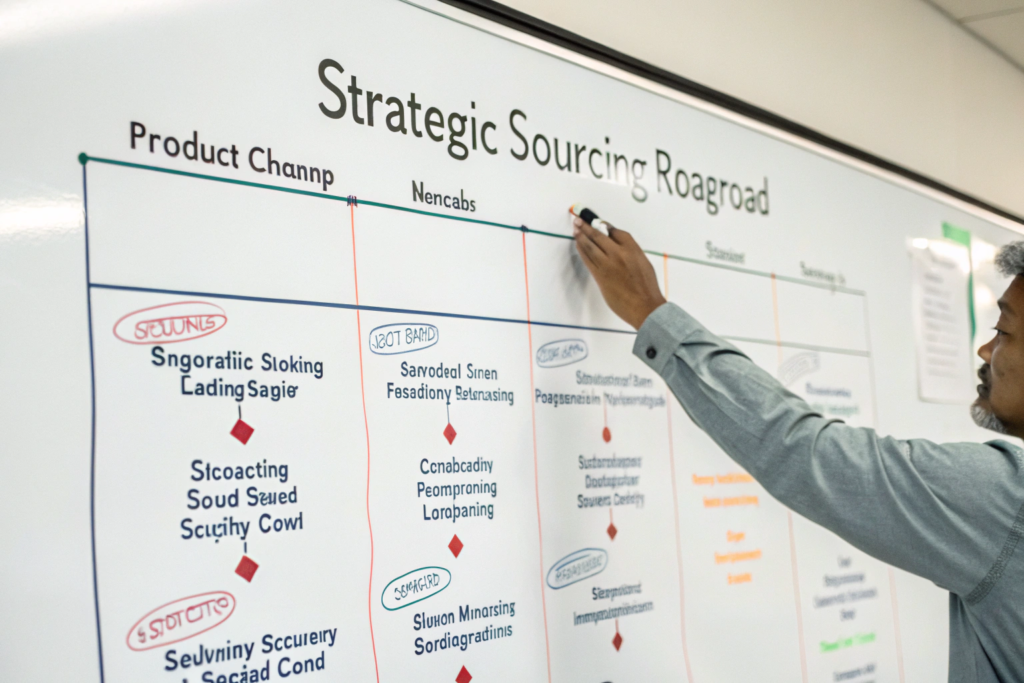
Not all products need the same quality level. A basic t-shirt that will be worn a few times and discarded can be sourced from a lower-cost, lower-quality supplier. A premium jacket that needs to last for years needs a higher-quality supplier. Segment your sourcing by product type and match the supplier to the requirement.
I had a client who sold both basic basics and premium items. For the basics, they sourced from Bangladesh. The quality was acceptable for the price point. For the premium items, they sourced from China. The quality was higher, and the cost was justified by the retail price. This segmentation allowed them to optimize both cost and quality across their product line.
The key is to be clear about your quality requirements for each segment. Don't apply the same standard to a $10 t-shirt that you apply to a $100 jacket. Be realistic about what your customers expect at each price point.
For a guide to segmenting your sourcing strategy, this supply chain resource offers a framework for strategic sourcing segmentation.
How Do You Build Long-Term Relationships with Suppliers?
The best way to balance cost and quality is to build long-term relationships with reliable suppliers. A supplier who knows you, trusts you, and values your business will work with you on price and will prioritize your quality. They will tell you when something is wrong. They will work with you to fix it.
A transactional relationship—where you switch suppliers every order to chase the lowest price—will never get you the best quality. The supplier has no incentive to invest in your order. They're making a one-time profit. If something goes wrong, they have no reason to help.
I have a client who has been with us for ten years. We know their quality standards. We know their timelines. We know their preferences. When there's a problem, we tell them immediately. When there's a cost increase, we talk about it. The relationship allows us to balance cost and quality in a way that works for both sides. The client gets a fair price and reliable quality. We get consistent business.
For a guide to building supplier relationships, this sourcing resource offers a framework for long-term supplier partnerships.
How Do You Negotiate Price Without Sacrificing Quality?
Negotiation is inevitable. But there's a right way and a wrong way to negotiate. The wrong way is to push the supplier to the lowest possible price, leaving them no margin to care about your order. The right way is to find a price that works for both sides.

What Should You Never Compromise On?
There are things you should never compromise on, no matter how low the price. The first is raw material quality. If the supplier switches to lower-quality yarn to reduce cost, the fabric will fail. The second is testing. If the supplier skips testing to save money, you won't know about quality issues until it's too late. The third is experienced staff. If the supplier cuts experienced operators to save labor cost, quality will suffer.
When negotiating, be clear about these non-negotiables. "We need the fabric to meet these specifications. We need test reports. We need experienced operators. If you can meet these requirements, we can talk about price."
I had a client who negotiated a supplier down to a very low price. The supplier then switched to a cheaper, lower-quality yarn to maintain their margin. The fabric failed. The client learned that pushing too hard on price had consequences. Now, he negotiates, but he also asks, "How will you achieve this price without compromising quality?" If the answer is vague, he's cautious.
For a guide to ethical negotiation with suppliers, this sourcing resource offers a framework for win-win negotiations.
How Do You Use Volume to Get Better Pricing?
One of the most effective ways to get a better price without sacrificing quality is to consolidate your volume. A supplier will give you a better price for 50,000 meters than for 5,000 meters. The fixed costs are spread across more units.
If you have multiple products, consider consolidating them with one supplier. The supplier gets more volume, you get a better price. And you build a stronger relationship.
I had a client who was sourcing three different fabrics from three different suppliers. The total volume across all three was 30,000 meters. I suggested consolidating all three with us. The client was hesitant because the per-unit price from one supplier was slightly lower for one fabric. But when we combined the volume, we were able to offer a better overall price. The client saved money and simplified their supply chain. It was a win-win.
For a guide to volume consolidation strategies, this supply chain resource offers a framework for supplier consolidation.
Conclusion
Balancing cost and quality when sourcing from developing countries is not about choosing one over the other. It's about understanding the true cost of low price and the true value of quality. It's about assessing suppliers' capabilities before you order, not after. It's about understanding the trade-offs between different sourcing countries and matching them to your product segments. And it's about building relationships with suppliers who see you as a partner, not just a transaction.
The hidden costs of low price are real. Sampling delays, quality failures, production interruptions, damaged reputation—these costs can wipe out any savings from a cheap fabric. The cheapest supplier is rarely the best partner. The best partner is the one who delivers consistent quality, communicates clearly, and works with you to solve problems.
At Shanghai Fumao, we operate in China, where costs are higher than in some other developing countries. But we compete on value, not just price. We invest in quality control. We invest in experienced staff. We invest in testing equipment. We invest in our relationships. Our clients pay a fair price, and they get reliable quality. They don't have to worry about hidden costs. They don't have to worry about quality failures. They can focus on growing their business.
If you're sourcing from developing countries, I encourage you to think beyond the quote. Look at the total cost. Assess the supplier's capability. Build relationships. And find the sweet spot where cost and quality meet.
Contact our Business Director, Elaine, to discuss how we can help you balance cost and quality.
Email: elaine@fumaoclothing.com
Let's find the right balance for your business.