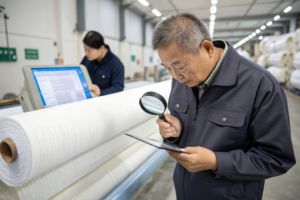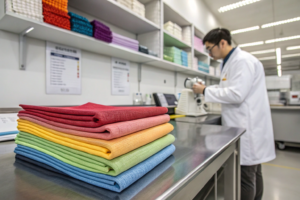
Let me start with a confession that pains me as someone who's built a business on integrity: I see fake OEKO-TEX certificates circulating in our industry at least once a month. Just last November, a client from Seattle came to us frustrated. They'd been sourcing a basic polyester fabric from another Chinese supplier for six months, paying a 10% premium for "OEKO-TEX certified" goods. Then, during a routine audit by their European retailer, they were asked for the batch-specific test reports. Their supplier couldn't produce them. The "certificate" they'd been shown was a Photoshop special - copied from a legitimate certificate and edited. The client faced immediate order cancellation, reputation damage, and had to recall products already in transit. Their trust wasn't just broken; their business was nearly broken.
This isn't rare. In China's vast textile landscape, where price competition is brutal, some suppliers see certification not as a commitment but as a marketing tool to be faked. The scary part? These fakes are getting sophisticated. We've seen everything from altered PDFs and expired certificates being presented as current, to factories buying one legitimate certificate for a sample product then applying it to all their production. As a buyer, how can you protect yourself? The answer isn't to avoid sourcing from China - that's where over 50% of the world's textiles are made. The answer is to become a verification expert. You need to know how to separate the real from the replica.
Avoiding fake certificates isn't just about due diligence; it's about supply chain survival. One fake can cost you more than years of "savings" from working with that supplier. In this guide, I'll share the exact verification protocols we use internally at Fumao Clothing, plus red flags we've learned to spot over 20 years in Keqiao. I'll show you how to verify certificates like a pro, what questions to ask that fakers can't answer, and how to structure your sourcing relationships to ensure ongoing compliance, not just a pretty PDF at the beginning.
What are the most common types of fake certificates?
Understanding what you're up against is half the battle. Based on our industry monitoring and client experiences, here are the four main types of OEKO-TEX fakes circulating in China:
-
The "Photoshop Special": A legitimate certificate is digitally altered. The company name, dates, or certificate number are changed. These are often low-quality but can fool buyers who don't know what to look for.
-
The "Expired & Reused": A certificate that was legitimate but has expired. The supplier continues to use it, hoping you won't check the validity dates. We saw this with a fabric for children's wear in early 2024 - the certificate had expired 8 months prior.
-
The "Bait and Switch": The supplier has one legitimate certificate for a simple, basic fabric (like plain white cotton). They show you this certificate but use it to sell you completely different, uncertified fabrics. This is particularly common with complex fabrics like prints, coated materials, or functional textiles.
-
The "Testing Lab Deception": The certificate is from a testing company that sounds official but isn't actually an accredited OEKO-TEX member institute. There are only about 18 accredited institutes worldwide. Some suppliers use certificates from non-accredited labs that might test for similar parameters but don't carry OEKO-TEX authority.
Each type requires different detection methods. The most insidious is #3 because the certificate itself is real - it's just being applied fraudulently.
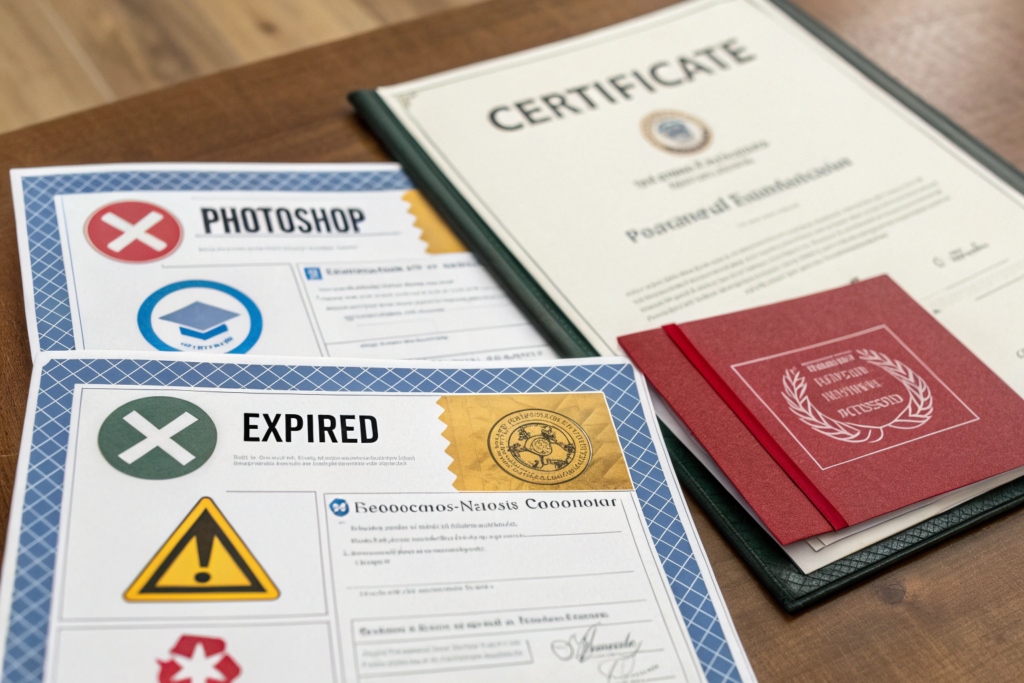
How can you spot a "Photoshopped" certificate immediately?
Train your eye for these details on any PDF certificate:
- Font inconsistencies: Look for slight variations in font type, size, or color within the document. Official certificates use consistent typography.
- Pixelation: Zoom in on text, especially on dates, certificate numbers, or company names. If it's been altered, you'll often see fuzzy edges or different pixel density.
- Logo quality: The OEKO-TEX logo should be crisp and vector-based. A blurry or pixelated logo is a major red flag.
- Certificate number format: Real OEKO-TEX certificates follow specific numbering conventions. If it looks random or doesn't match the format shown on the official website, be suspicious.
A quick tip we give clients: ask the supplier to send the certificate as a PDF directly from their email, not via WeChat. WeChat's compression can sometimes cause artifacts that look like tampering, but a direct PDF preserves the original quality. If they only have a WeChat image or a screenshot, that's your first warning sign.
Why do "expired certificates" pose such hidden risks?
An expired certificate isn't just an administrative oversight - it means the factory's current production hasn't been verified. Chemical management systems degrade over time. Dye suppliers change. Production shortcuts get introduced. When we took over production from a client who'd been using a supplier with an expired certificate, we found their current fabric failed for pH value because they'd switched to a cheaper alkali agent. The old certificate from two years prior was meaningless for today's production. Always check both the issue date and validity period. Most OEKO-TEX certificates are valid for one year from the date of issue.
What is the step-by-step verification process?
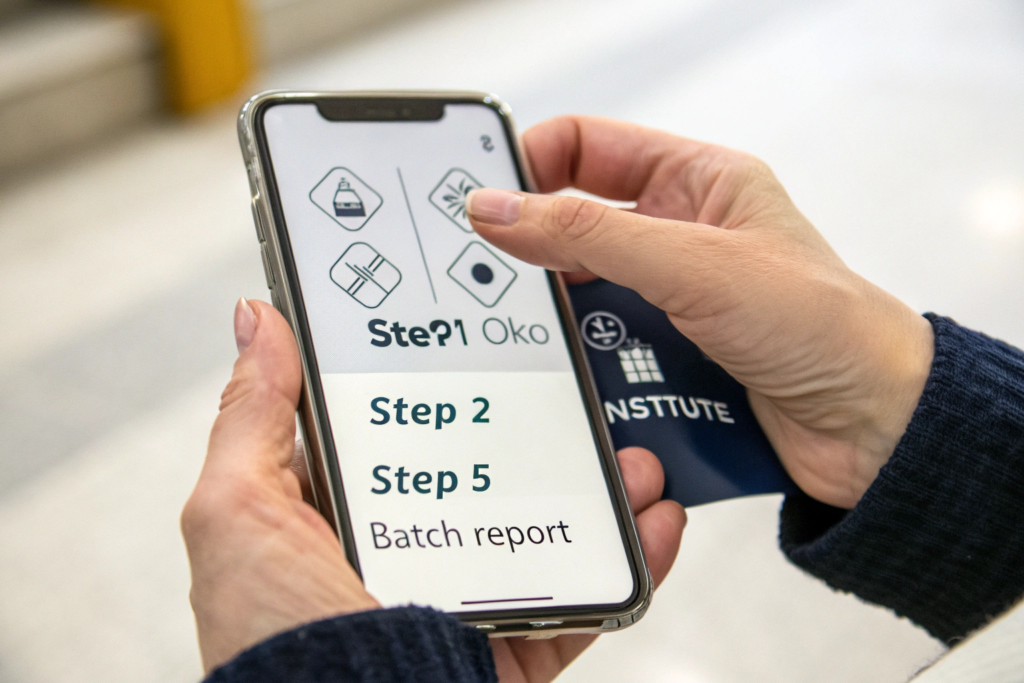
Verification isn't a single check; it's a layered process. Here's the exact 5-step protocol we recommend to all our partners:
Step 1: Database Verification
Go directly to the OEKO-TEX certification database (certificate.oeko-tex.com). Enter the certificate number. A legitimate certificate will show:
- The exact company name and address
- The certified product(s) with specific descriptions
- The issue and validity dates
- The certification institute
If anything doesn't match what your supplier told you, stop immediately.
Step 2: Scope Verification
Check that the certificate actually covers the specific product you're buying. If you're buying a "blue polyester-Lycra printed fabric with water repellent finish," the certificate should list exactly that - not just "polyester fabric." In 2023, we caught a supplier trying to use a certificate for "100% cotton jersey" to sell "polyester fleece." The database check revealed the fraud instantly.
Step 3: Institute Verification
Verify that the issuing institute is one of the accredited OEKO-TEX members. The database will show this. Common legitimate ones in China include TESTEX, Shanghai CTI, or Bureau Veritas. If it's from "XYZ Testing Center" and doesn't appear on the OEKO-TEX member list, it's invalid.
Step 4: Batch Report Request
This is the most crucial step that catches 90% of fakes. Ask for the batch-specific test report for the actual production lot you're buying. A legitimate manufacturer like us at Shanghai Fumao can provide this for every shipment. The report should:
- Reference the master certificate number
- Specify the exact batch/lot number of fabric
- Show test dates that are recent (within the certificate validity period)
- Include the actual test results, not just a pass/fail
Step 5: Physical Sample Verification
For large orders, send a pre-shipment sample to an independent lab for verification testing. Yes, it costs money ($300-600), but compared to the risk of a full container rejection, it's cheap insurance.
What questions should you ask suppliers that fakers can't answer?
Beyond document checks, ask these operational questions. A legitimate certified manufacturer will have detailed answers:
-
"Can you walk me through your process when a new chemical arrives at your factory?" (They should mention checking SDS, comparing to RSL, possibly pre-testing)
-
"How do you prevent cross-contamination between certified and non-certified production?" (They should describe physical separation, scheduling, or cleaning validation)
-
"Who is your internal responsible person for OEKO-TEX compliance, and can I speak with them?" (There should be a designated person, not just the sales rep)
-
"What happens if a batch fails your internal pre-test?" (They should have a quarantine and corrective action process)
A supplier who only has a PDF but can't answer these process questions is likely not operating a true compliance system. When we hosted a German brand's technical team last month, they spent two hours with our compliance manager discussing exactly these procedures - that's the level of transparency you should expect.
How do you verify certificates for small or new suppliers?
For smaller factories or trading companies, be extra vigilant. Many trading companies will show you a factory's certificate, but they may not have control over that factory's current production. Ask for:
- A letter of authorization from the certificate holder (the factory) allowing the trader to use the certificate
- Proof of business relationship (contracts, purchase orders)
- The ability to communicate directly with the factory's compliance officer
Better yet, work with integrated manufacturers like us where the certificate holder and producer are the same entity. This eliminates the middleman risk. Our clients have direct access to our compliance team and production records - no obfuscation.
What are the red flags in supplier behavior?
Sometimes the warning signs aren't in the documents but in how suppliers act. Here are behavioral red flags we've observed:
Red Flag 1: Evasiveness About Testing Details
When you ask specific questions about test parameters or limits, they give vague answers like "Don't worry, it's all certified." A legitimate supplier should be able to discuss pH ranges, formaldehyde limits, or specific substance classes.
Red Flag 2: Resistance to Third-Party Verification
If a supplier gets defensive or tries to talk you out of independent testing ("It's too expensive," "It will delay shipment"), be very suspicious. We actually encourage our clients to do occasional spot checks - it validates our system and builds trust.
Red Flag 3: Inconsistency Between Documents
The company name on the certificate doesn't match the business license. The address is different. The product description is generic while your order is specific. Any mismatch is a potential fraud indicator.
Red Flag 4: Pressure to Skip Due Diligence
"We need to confirm the order today to lock in the price." "The certification is being renewed, but trust us." Any pressure to bypass your verification process is a major warning.
A UK brand shared a horror story with us: their previous supplier had all the "right" documents but always shipped at the last possible minute, giving no time for pre-shipment testing. When problems emerged later, they realized this was intentional - to prevent discovery until payment was complete.
How do pricing inconsistencies signal potential fakes?
If a supplier's price for "OEKO-TEX certified" fabric is suspiciously close to or even lower than market prices for non-certified fabric, investigate thoroughly. True certification has real costs:
- Annual certificate fees: $2,000-$5,000+
- Testing per batch: $500-$1,500
- Higher-cost certified raw materials: 5-20% premium
- Internal quality control systems: labor and equipment
If the price doesn't reflect these realities, someone is cutting corners - or cutting the truth. A legitimate supplier should be able to explain their cost structure. At Fumao Clothing, we're transparent about our certification costs because we want clients to understand they're paying for a real system, not just a piece of paper.
What about suppliers who claim "our factory is too small to appear in the database"?
This is a common excuse, but it's false. All OEKO-TEX certificates, regardless of company size, appear in the public database if they're legitimate. There are no exceptions. If a supplier says their certificate is "too new" to appear, ask for the submission confirmation from the testing institute. Certificates typically appear in the database within 2-4 weeks of issuance at most. "Not in the database" almost always equals "not legitimate."
How can you structure contracts to protect against fakes?
Your commercial terms are your last line of defense. Build these protections into your agreements:
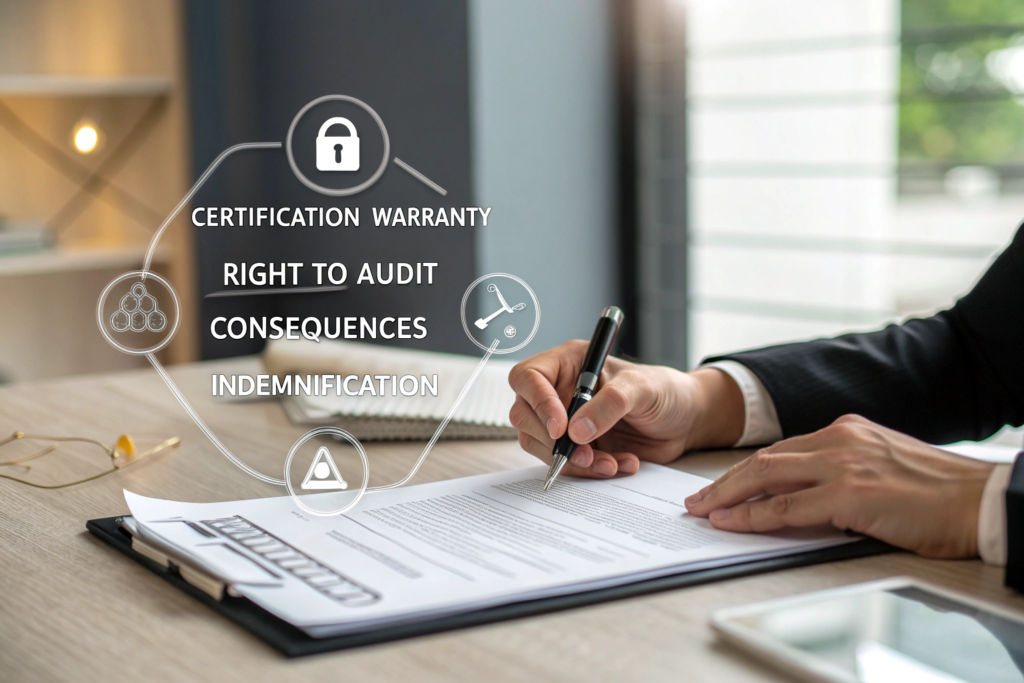
1. Certification Warranty Clause:
"Supplier warrants that all products supplied under this agreement are OEKO-TEX certified as specified, and that all certificates and test reports provided are authentic, current, and applicable to the specific products shipped. Supplier shall provide batch-specific test reports for each shipment prior to shipment release."
2. Right to Audit Clause:
"Buyer reserves the right to audit Supplier's compliance systems, including unannounced visits to production and testing facilities, review of chemical inventory and RSL management, and verification of certification documentation."
3. Consequence of Breach:
"In the event any certification is found to be falsified or invalid, Supplier shall be liable for all resulting costs including but not limited to: full refund of purchase price, cost of product recall, cost of independent testing, cost of replacement goods, and any fines or penalties incurred by Buyer."
4. Indemnification:
"Supplier shall indemnify and hold harmless Buyer from any claims, damages, or losses arising from certification falsification or non-compliance."
We include similar clauses in our contracts because we have nothing to hide. A supplier who resists these terms is telling you something important about their practices.
Should you use third-party inspection services?
For significant orders, absolutely. Companies like SGS, Bureau Veritas, or Intertek can perform:
- Document verification: Checking certificates against databases
- Pre-shipment testing: Sampling from production for independent analysis
- Factory audits: Assessing the actual implementation of chemical management systems
The cost (typically 0.5-1.5% of order value) is minimal compared to risk. More importantly, the mere fact that you require these services deters fraudulent suppliers from engaging with you in the first place. They target easier marks.
How does payment terms strategy help?
Structure payments to maintain leverage:
- Never pay 100% upfront for certified goods
- Hold final payment (10-20%) until you receive and verify all documentation
- Consider letters of credit that require presentation of valid certificates
A supplier who insists on full payment before providing verification documents is displaying another red flag. Our standard terms are 30% deposit, 70% against shipping documents - which include the batch test reports.
Conclusion
Avoiding fake OEKO-TEX certificates when sourcing from China isn't about distrusting all suppliers - it's about smart verification. The Chinese textile industry includes both world-class, ethical manufacturers like Shanghai Fumao and unscrupulous operators cutting dangerous corners. Your job as a buyer is to develop the discernment to tell them apart.
The verification process I've outlined - database checks, batch report requests, operational questioning, behavioral observation, and contractual protection - creates multiple layers of defense. No single method is foolproof, but together they form a robust system that fraudulent suppliers cannot penetrate.
Remember: a legitimate certified manufacturer won't just give you a certificate; they'll give you transparency into their entire compliance system. They'll welcome your questions, encourage your verification, and view certification as a partnership in responsible business, not a marketing checkbox.
The cost of fake certification is always higher than the cost of proper verification. One failed shipment, one product recall, one damaged brand reputation can undo years of business growth. Invest in verification - it's the smartest sourcing decision you'll make.
Want to work with a Chinese manufacturer whose OEKO-TEX certificates are as solid as their fabrics? At Shanghai Fumao, we build trust through total transparency. We invite you to verify our certifications, audit our processes, and see firsthand how real compliance works. Contact our Business Director, Elaine, at elaine@fumaoclothing.com to start a relationship built on verified trust, not empty promises.