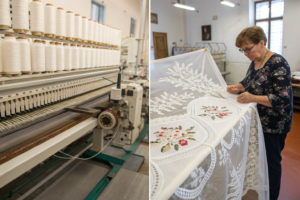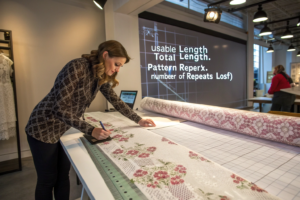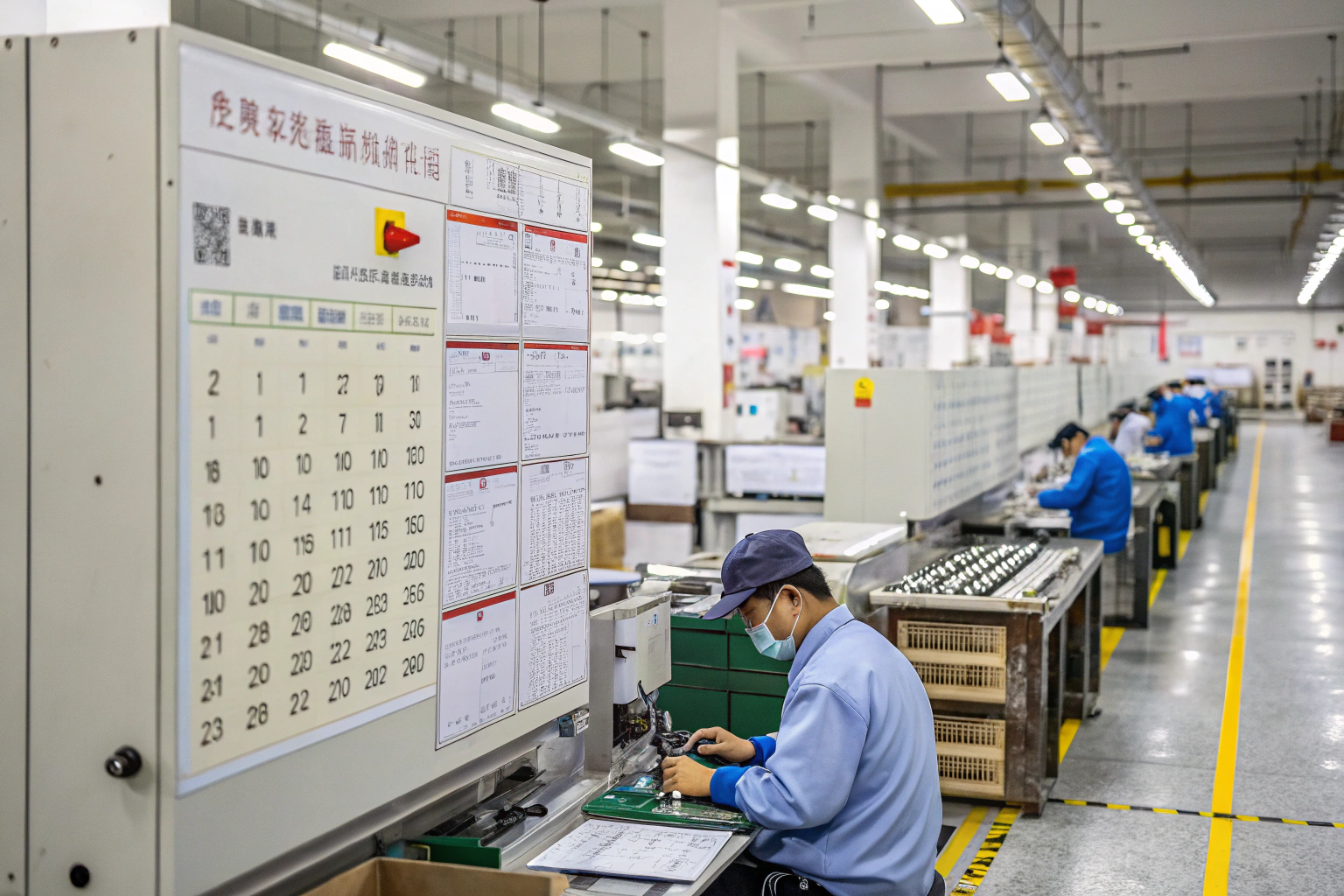
Planning an OCS (Organic Content Standard) certified organic cotton order from China is a smart move for your brand's sustainability. But let's be honest—navigating production timelines here can sometimes feel unpredictable. You're investing in eco-friendly materials, and the last thing you need is a delayed shipment messing up your launch calendar.
The key to avoiding delays isn't magic; it's strategic planning based on the real rhythms of Chinese manufacturing. By understanding the seasonal peaks, holiday shutdowns, and leveraging periods of slower activity, you can turn potential pitfalls into advantages for a smoother, faster supply chain. It's about working with the system, not against it.
Many buyers focus only on the factory's quoted lead time. The real pros look at the calendar. China's manufacturing heartbeat has its own unique pace, and aligning your OCS organic cotton order with this rhythm is your ultimate safeguard against delays. Let me break down how we, at Shanghai Fumao, help our partners do just that.
How Do Chinese Production Seasons Impact OCS Cotton Lead Times?
You wouldn't plant crops in winter and expect a summer harvest. Sourcing fabrics from China follows similar natural cycles of activity and rest. Ignoring these seasons is the fastest way to see your lead time stretch.
The Chinese manufacturing year has clear patterns. Peak production periods, like March to May and August to October, see factories operating at full capacity. During these times, every machine is running, and queues for processes like dyeing and finishing can form. Adding a 1-2 week buffer to standard lead times is not pessimism; it's essential realism. Conversely, slower periods like June-July or November-December can offer timeline advantages if you plan correctly.
But seasons are just one part of the puzzle. The real game-changers are the mandatory holiday shutdowns. Chinese New Year is the big one, with a 3-4 week nationwide pause. National Day Golden Week is another 1-week halt. An order caught in these periods doesn't just pause; it gets pushed back in a long line of waiting projects. The solution isn't to avoid these holidays—that's impossible—but to plan your milestones around them with military precision.

What Are the Critical Deadlines Before Chinese New Year?
Think of Chinese New Year as a tidal wave. You need to be safely on high ground before it hits. For an OCS order, "high ground" means having all pre-production completely signed off and ready to roll.
From our 20 years in Keqiao, the golden rule is this: Complete all pre-production at least 6 weeks before the holiday begins. This includes finalizing lab dips, submitting approved OCS-certified yarn, and signing off on all quality benchmarks. Why six weeks? It accounts for the gradual slowdown as workers travel home. A European sportswear brand we worked with in late 2022 mastered this. They had their OCS cotton jersey tech packs and lab dips to us by early December for a late-January holiday. The moment factories reopened in February, their yarn was first in line for weaving. Their bulk order shipped in March, beating competitors by a full month.
Here’s a practical deadline table for a late-January Chinese New Year:
| Milestone | Recommended Completion Date | Why It Matters |
|---|---|---|
| Final OCS Yarn Sourcing & Confirmation | Early December | Secures certified raw material before the holiday rush and price volatility. |
| Lab Dip & Handfeel Approval | Mid-December | Allows time for 2-3 revisions without panic. |
| Weaving & Dyeing Tech Pack Lockdown | Late December | Gives the factory a clear, unchanging blueprint to execute immediately post-holiday. |
| Deposit Payment & Production Slot Booking | First week of January | Financially commits your slot before the factory closes its books. |
Missing these deadlines means your project enters a post-holiday queue that can stretch for weeks. Pro-tip: Use the pre-holiday period for diligent how to conduct a perfect pre-shipment inspection for organic fabrics. This upfront rigor prevents post-production disputes that cause delays.
Can You Actually Get Faster Delivery During "Slow" Seasons?
Absolutely. This is one of the best-kept secrets for savvy brands. Periods like June-July or November-December are traditionally slower for conventional fabrics, but the demand for sustainable materials like OCS cotton remains steady. This mismatch creates an opportunity.
During these months, factory production lines have more available capacity. Dyeing vats and printing machines aren't booked solid. This means your order can move through the pipeline with fewer stops and waits. We once helped an Australian boutique label leverage this in November. They placed an order for OCS organic cotton twill when others were winding down. Because the factory wasn't swamped, they benefited from undivided attention, and we even negotiated a slightly better best practices for negotiating fabric MOQ with Chinese suppliers due to the available line time. Their delivery was 15% faster than the same order placed in September.
However, "slow" doesn't mean "sleeping." You must still be proactive. Communication remains key. Use this time to build a stronger relationship with your supplier, asking for more frequent updates. It’s also the perfect window to discuss the real cost breakdown of organic cotton fabric production for future planning, as sales teams have more bandwidth for detailed consultations.
Why Is OCS Certification Verification a Timeline Pitfall?
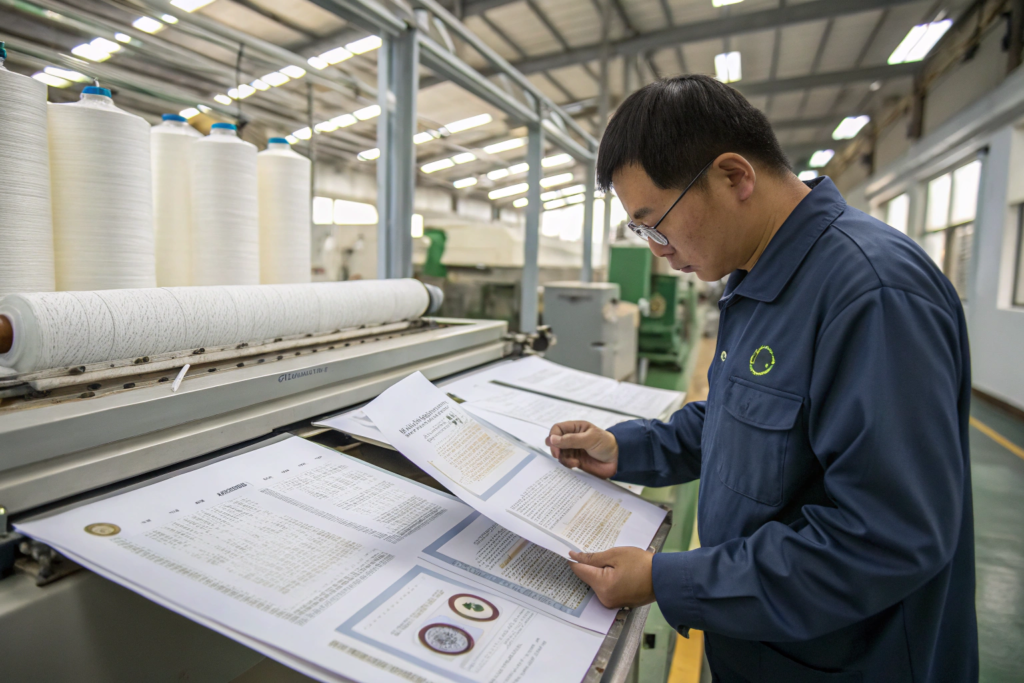
OCS certification is your guarantee of organic content, but the verification process itself can be a major hidden source of delay if not managed upfront. It's a chain of custody that starts with the yarn and ends with your finished fabric.
The pitfall many hit is assuming certification is just a document. It's a physical and documentary trail. Every batch of OCS-certified cotton yarn must come from a certified supplier, and every processing step (spinning, weaving, dyeing, finishing) must be performed at certified facilities with proper transaction certificates (TCs). If any link in this chain is broken or unverified, your entire shipment can be held up, unable to be labeled as OCS.
At Shanghai Fumao, we treat OCS verification as part of our sourcing, not an afterthought. Our CNAS-accredited lab's first job is often to verify the integrity of the incoming certified yarn alongside testing for physical properties. We've seen orders from competitors get stuck for weeks because the dyeing factory subcontracted to a non-certified partner, invalidating the entire batch. That's a costly delay no one wants.
How Do You Vet a Supplier's True OCS Capabilities?
Don't just ask, "Are you OCS certified?" Dig deeper. A legitimate supplier will be transparent and eager to prove their compliance.
First, ask for their current OCS scope certificate and the transaction certificate (TC) for a recent order of OCS material. Cross-check the certification body and the validity dates. Second, ask specifically about their processing certifications. Can they provide evidence that their partnered dyeing and finishing mills are also certified under the same standard? A true one-stop supplier like us manages this entire chain internally or through vetted, certified partners. Finally, request a sample of their OCS fabric and ask for the supporting TC trail. This due diligence is non-negotiable. For a deeper dive, resources like Textile Exchange's guide to understanding organic content standards are invaluable for buyers.
What Paperwork Must Be Ready Before Production Starts?
Having the paperwork in order before the loom starts is what separates a smooth order from a logistical nightmare. This isn't just about the final certificate; it's about the building blocks.
Here is your pre-production document checklist:
- Supplier's OCS Scope Certificates: For the trading company, weaving mill, and dyeing/finishing mill.
- Transaction Certificate (TC) for the Raw Yarn: This traces the organic content from the spinner to your weaver. No TC, no certified starting point.
- Signed OCS Declaration of Compliance: This is a signed agreement between you and the supplier stating the product composition and certification claims.
- Approved Tech Pack with OCS Labeling Instructions: Clearly specify how the OCS label and grade (e.g., "OCS 100") must appear on your rolls or tags.
Gathering this after production is like trying to get a birth certificate for an adult—possible but complicated and slow. In 2023, a US client provided their labeling specs late, after the fabric was already cut and rolled. We had to halt the packaging line, re-open every roll, and insert the correct labels, adding 5 full days to the process. Lesson learned: finalize the paperwork first.
How Does Strategic Fabric and Process Choice Speed Up OCS Orders?
Not all OCS cotton fabrics are created equal in the eyes of the production timeline. Your choice of weave, weight, and finish can significantly accelerate or hinder your order.
Complex constructions (like dense jacquards or delicate voiles) require more setup time on the loom and are more prone to production issues, which means re-runs and delays. Standard weaves like plain weave jersey or twill are the workhorses of the industry; they run faster and with higher consistency. Similarly, opting for standard, low-impact dye colors over custom-matched, complex hues can shave days off the dyeing schedule. (Here I have to interject—our development is really fast, but even we can't defy the physics of dye absorption on complex shades!).
Think of it like a restaurant kitchen. A simple dish like pasta is quicker and more reliable to serve than a complex soufflé that requires perfect conditions. Choosing a "pasta" fabric for your core collection ensures timely delivery, allowing you to use the "soufflé" fabrics for smaller, lead-time-insensitive capsule lines.

Which OCS Cotton Fabrics Have the Most Reliable Lead Times?
Based on shipping thousands of meters each month, here are the OCS cotton champions for speed and reliability:
- OCS Organic Cotton Jersey (Single Knit): The bread and butter of T-shirts. High-yield, continuous production. Lead times are stable and predictable.
- OCS Organic Cotton Poplin/Plain Weave: A simple, tight weave used for shirts and dresses. Weaving is efficient, and finishing is straightforward.
- OCS Organic Cotton Twill (like Denim): A robust, diagonal weave. While heavier, the process is highly standardized, especially for common weights.
- OCS Organic Cotton French Terry: A popular knit for athleisure. The loop-back construction is now a highly optimized process in specialist mills.
Fabrics to plan extra time for include OCS organic cotton velour (pile cutting is precise), delicate OCS cotton gauze (prone to tension issues), and any fabric requiring additional functional finishes like comprehensive testing for moisture-wicking performance in activewear, which adds an extra processing and testing step.
When Should You Opt for Stock Fabrics vs. Custom Development?
This is the single biggest decision impacting your timeline. If your design can accommodate a stock OCS fabric, you can cut your lead time by 50% or more.
Custom development involves creating a unique fabric from scratch: selecting yarn twist, designing the weave/knit structure, and developing finishes. This process is fantastic for branding but adds 4-8 weeks for sampling and adjustments. A stock fabric is already developed, tested, and available in a warehouse. At Shanghai Fumao, we maintain an inventory of popular OCS base cloths. In early 2024, a German children's wear brand faced a last-minute production gap. By switching their design to use our stock OCS organic cotton interlock, they went from "order placed" to "fabric on the ship" in 18 days, saving their entire season.
The hybrid approach is smart: use a custom-developed signature OCS fabric for your hero line, and complement it with stock OCS fabrics for core basics and color extensions. This balances uniqueness with supply chain resilience.
What Proactive Logistics Planning Prevents Shipping Delays?
Your perfect OCS fabric, finished on time, means nothing if it's stuck in a port. Proactive logistics planning is the final, critical leg of the race. This is where understanding sailing schedules, port congestion, and tariff rules becomes as important as understanding fabric grams per square meter.
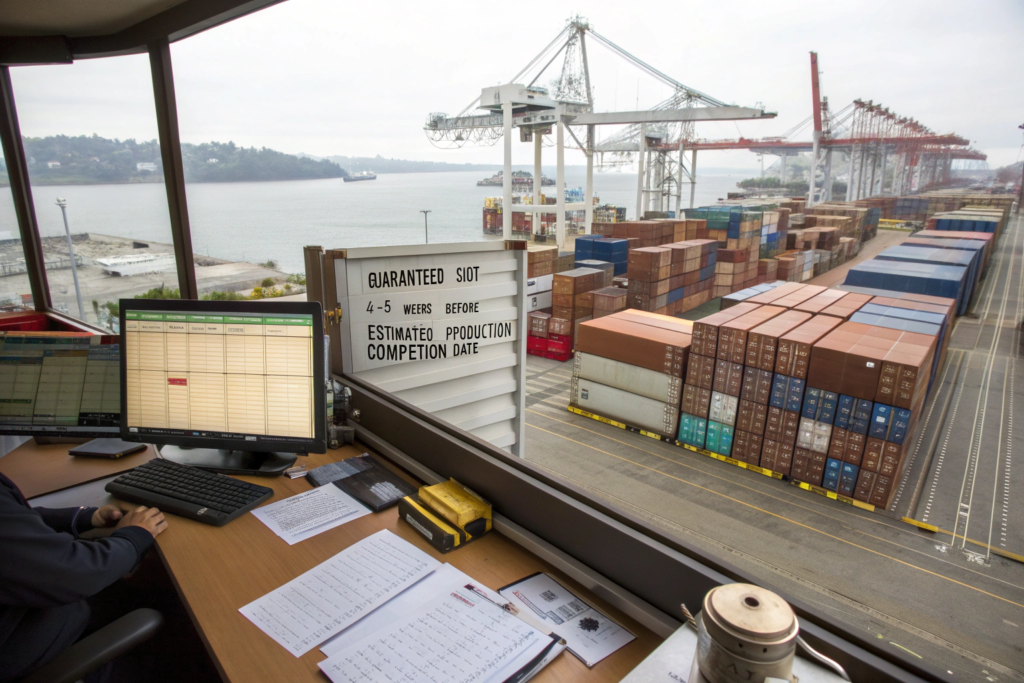
The peak production seasons I mentioned earlier directly correlate with peak shipping seasons. More finished goods mean fuller containers and tighter space on vessels. Booking your freight space after your production is complete is a rookie mistake. The pro move is to book a "guaranteed slot" with a freight forwarder as soon as your production order is confirmed, often 4-5 weeks before your estimated completion date. This locks in your space on a specific sailing.
Also, consider diversification. The "Belt and Road" initiative and "Silk Road Keqiao" projects have opened new rail and multimodal routes that can be more predictable than sea freight during chaotic periods. For U.S. clients concerned about tariff costs, we advise on category-specific strategies and proper documentation to ensure smooth clearance, as our services are not affected by certain tariff lists due to our product classification expertise.
How Far in Advance Should You Book Freight for Peak Season?
For shipments scheduled during the post-peak waves (early April or late October), you need to think like an airline passenger booking a holiday flight.
The rule of thumb: Secure your freight booking a minimum of 4 weeks before your cargo is ready for pickup. In practice, for a late-October shipment (coming out of the August-October production peak), we start discussing freight options with our partners in early September. This gives time to compare rates, secure space, and avoid the last-minute premium, which can be 20-30% higher. A client from the UK in 2023 waited until their fabric was packed to book freight for a late-October ship-out. They faced a 2-week delay finding space and paid a 25% premium. That cost eroded their entire product margin.
What Documentation Ensures Smooth Customs Clearance?
Customs delays are almost always paperwork delays. For OCS goods, the documentation must be impeccable and consistent.
Your customs clearance dossier must tell one clear, verifiable story. The Commercial Invoice, Packing List, and Bill of Lading must all match exactly in terms of product description, weight, value, and HS code. For OCS goods, the OCS Certificate (issued by a certification body like Control Union or SGS) is the crown jewel. It must reference the correct batch numbers and quantities. Any discrepancy—a typo in the address, a mismatch in weight between documents—gives customs a reason to flag and inspect your shipment, which can add weeks.
We implement a digital QC and tracking system where key data is linked to a QR code. This minimizes human error in transcribing details from the production floor to the shipping documents. It’s a system born from seeing too many avoidable delays. For broader insights, platforms like the Fashion Law Blog's updates on international textile trade regulations are great for staying ahead of rule changes.
Conclusion
Avoiding delays in your OCS organic cotton order from China is a systematic process, not a hopeful gamble. It requires respecting the seasonal manufacturing calendar, rigorously managing the certification chain upfront, making strategic choices about fabric complexity, and taking control of logistics well before your goods are ready to ship. By planning your critical path around Chinese New Year, verifying every step of the OCS trail, opting for speed-optimized fabrics where possible, and booking freight early, you transform potential vulnerabilities into a competitive advantage—a reliable, sustainable, and efficient supply chain.
Your commitment to sustainable materials deserves a partner who understands the entire journey from field to fabric to freight. At Shanghai Fumao, with over two decades rooted in Keqiao's textile ecosystem, we don't just supply OCS organic cotton; we co-manage this complex timeline with you. We offer the integrated control of weaving, dyeing, and finishing with certified partners, backed by our own CNAS lab for quality and verification. Let's plan your next season not just for design, but for on-time delivery. Reach out to our Business Director, Elaine, to discuss how we can streamline your sustainable sourcing. Email her at elaine@fumaoclothing.com to start a conversation.