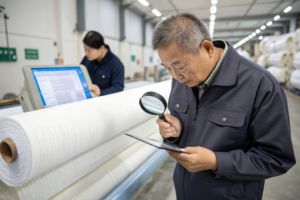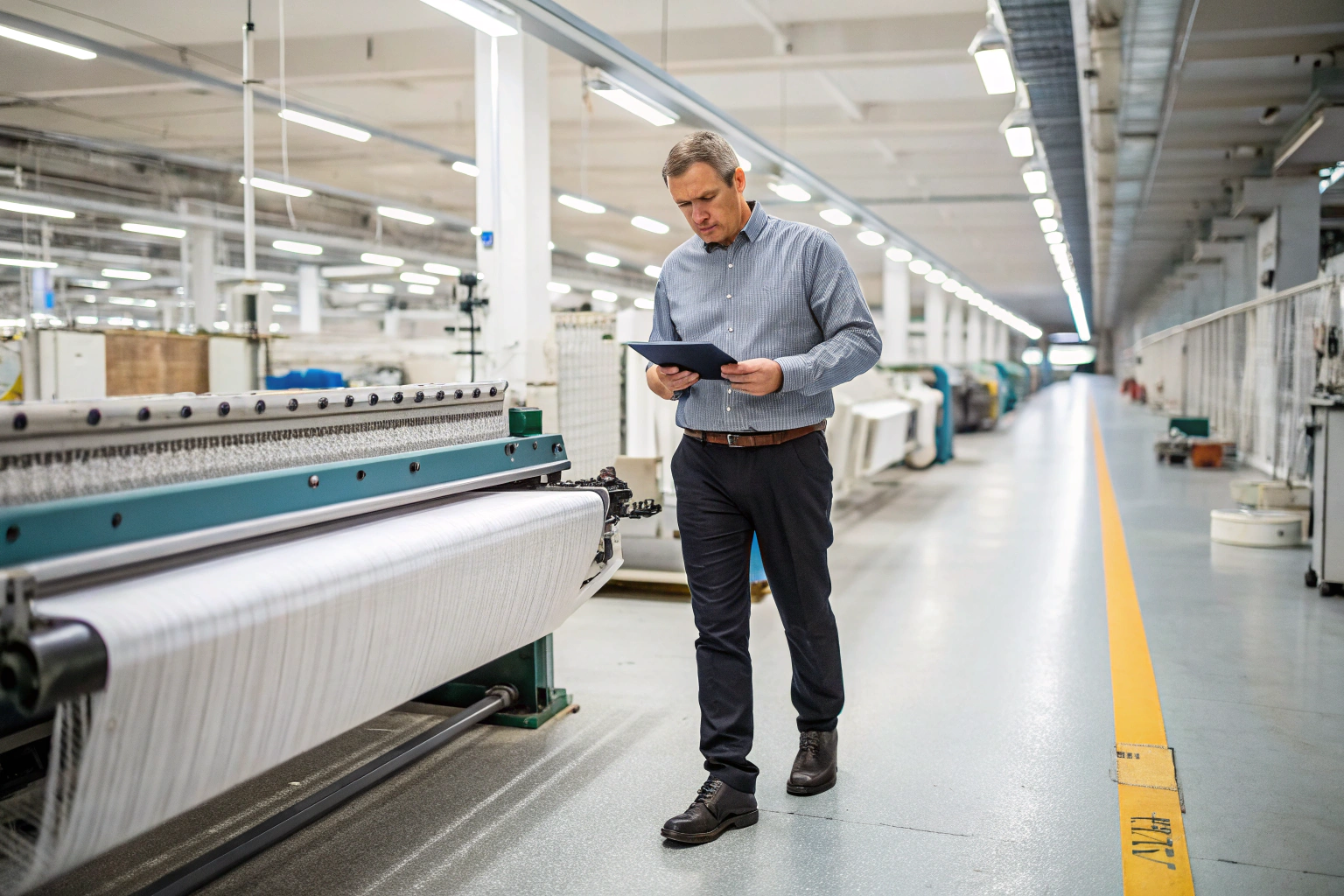
I remember walking into a factory in Jiangsu in 2019 with a client from Sweden. He had been buying from this factory for two years, always on trust. The samples were good. The prices were competitive. But his retail partner had just failed an audit because the factory couldn't prove they actually produced the fabric they claimed to make. The client lost the contract. He told me later, “I should have walked the floor myself.”
I’ve been auditing factories in China for over 20 years. Not just my own, but suppliers my clients are considering. I’ve seen the difference between a factory that’s ready for inspection and one that’s hiding something. And I’ve learned that a proper audit isn’t about finding problems—it’s about understanding how the factory actually works.
In this guide, I’ll walk you through how to audit a fabric factory’s five core production lines: weaving, dyeing, printing, finishing, and quality control. I’ll tell you what to look for, what questions to ask, and how to spot the red flags. Because when your brand name is on the label, you need to know exactly where that fabric came from.
What to Look for in a Weaving or Knitting Production Line?
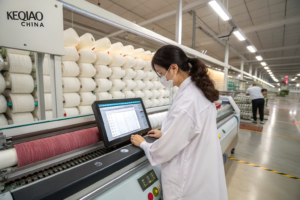
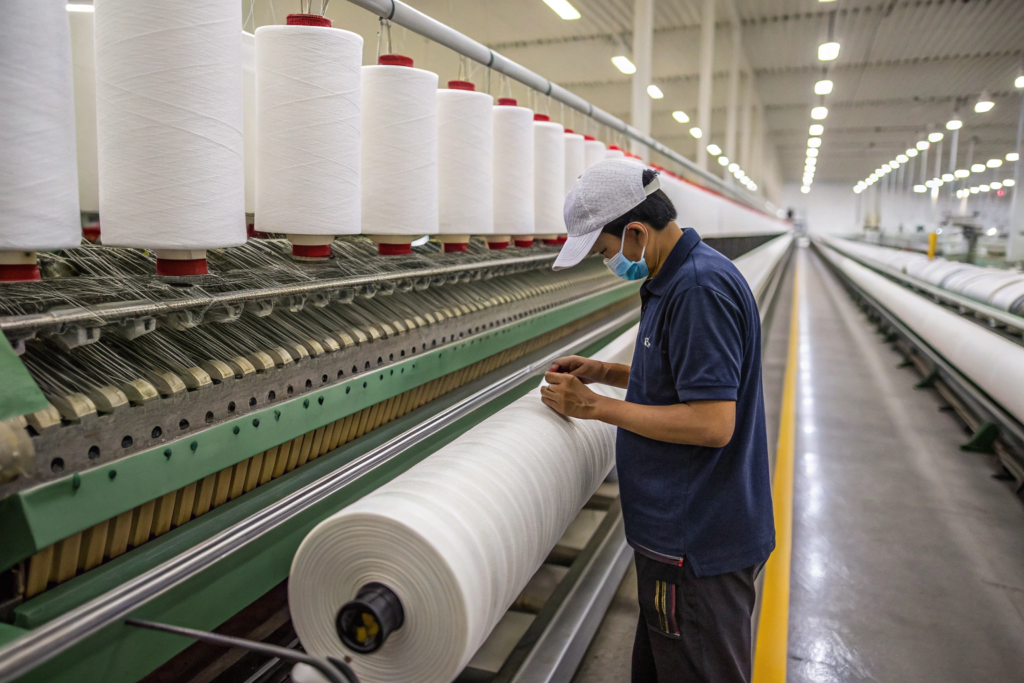
The weaving or knitting line is where the fabric takes its basic form. I’ve walked into factories where the looms were running but the warp yarns were dusty, the tension was inconsistent, and no one was monitoring the output. Those factories produce fabric that fails in the garment. Let me show you what a good weaving line looks like.
How Can You Tell if the Looms Are Properly Maintained?
This is the first thing I check. A factory that maintains its machines produces consistent fabric. A factory that lets machines run until they break produces rejects.
When I walk into a weaving mill, I look at three things. First, cleanliness around the looms. Dust and lint buildup tells me the cleaning schedule is lax. Lint gets into the fabric and creates defects. Our looms are cleaned every shift. The floor around each machine is swept. If I see piles of lint, I know they’re not serious about quality.
Second, yarn tension monitors. Modern looms have sensors that measure warp tension. If the tension is off, the fabric will have uneven texture or weak spots. I look to see if the monitors are active and if operators are checking them. In 2023, I audited a factory where all the tension monitors were covered in tape. The operator told me they “turned them off because they beep too much.” I walked out.
Third, waste management. Good factories collect and track waste yarn. It’s a sign of process control. I ask to see the waste log. If they can’t tell me how much waste they generated last month, they’re not tracking their efficiency. And if they’re not tracking efficiency, they’re probably not tracking quality either.
I had a client from Canada in 2022 who was having consistent issues with fabric streaks. I visited her supplier’s factory. The looms were old, the maintenance logs were empty, and the operators were running the machines with broken warp ends tied in knots. I explained that each knot created a visible defect every few meters. The client switched to us. We produced her next order without a single streak.
For a detailed guide to loom maintenance standards, there’s a resource on how to inspect weaving machinery for quality control . It’s technical but useful for understanding what to ask.
What Questions Should You Ask About the Warping and Sizing Process?
Warping and sizing happen before weaving. If these steps are done poorly, the fabric will be weak no matter how good the looms are.
Warping is the process of winding the lengthwise yarns onto a beam. I ask to see the warping room. Is it clean? Are the yarn cones organized? If the warping area is messy, yarns can get mixed up or damaged.
Sizing is applying a protective coating to the warp yarns. It helps them withstand the friction of weaving. I ask about sizing chemicals. Are they using standard starch or something else? I’ve seen factories use cheap substitutes that leave residue on the fabric and affect dyeing.
In 2024, a client from Australia was having dyeing consistency issues. The same fabric, the same dye recipe, but the color kept shifting. I visited the factory. They were using a recycled starch for sizing that varied in quality from batch to batch. The residue affected how the dye absorbed. We helped them switch to a standard sizing agent, and the color consistency improved immediately.
If you’re auditing a weaving line, ask to see the warping and sizing records. A good factory keeps batch records for every beam. They can tell you which yarns went into which beam, and which sizing batch was used. If they can’t, they don’t have traceability.
How Do You Evaluate a Dyehouse’s Capability and Compliance?
The dyehouse is where most quality problems happen. It’s also where environmental compliance is most critical. I’ve audited dyehouses that looked good on the surface but had serious problems underneath. Let me show you what to look for.
What Environmental Compliance Signs Should You Check?
This is non-negotiable. If a dyehouse isn’t compliant with environmental regulations, it’s a ticking time bomb. I’ve seen factories shut down overnight by government inspectors. If your fabric is inside, you don’t get it back for weeks.
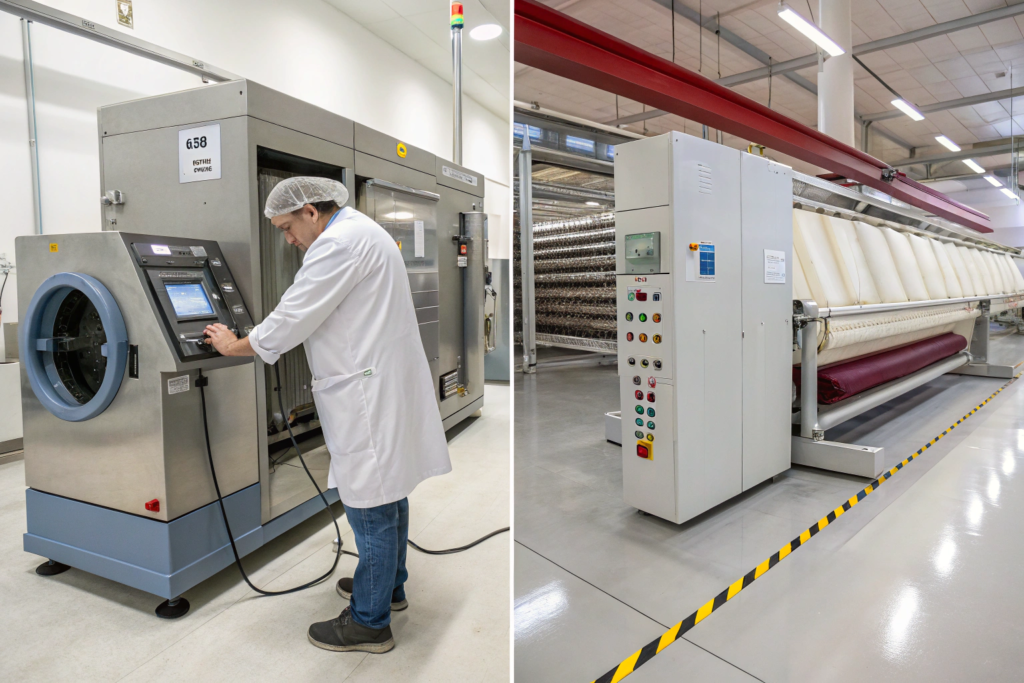
When I visit a dyehouse, I look for water treatment equipment. Is it running? Do I see discharge pipes? A compliant dyehouse treats its wastewater before releasing it. If I see untreated wastewater going into a drain, I leave.
I also ask to see environmental permits. In China, dyehouses need permits for water usage and discharge. They should have them posted or readily available. If the factory hesitates to show them, assume they don’t have them.
In 2023, a client from New York was considering a supplier in a different province. I visited the factory. The dyehouse had a treatment plant, but it wasn’t running. The manager admitted they only turned it on when inspectors came. I told the client to walk away. Six months later, that factory was shut down by the local environmental agency. The client would have lost her entire order.
For information on environmental compliance standards for Chinese dyehouses, there’s a resource on China’s textile wastewater discharge regulations . It explains the legal requirements.
How Can You Assess Color Consistency Across Batches?
Color consistency is the number one issue I hear about from buyers. A fabric that doesn’t match from roll to roll is unusable. A good dyehouse has systems to prevent this.
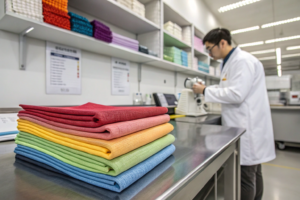
I ask to see the color kitchen. This is where they mix dyes. A professional color kitchen is clean, organized, and has a spectrophotometer. I look for labeled containers, dated records, and a scale for precise measurement. If the color kitchen is a mess, color consistency will be a mess.
I ask about dye recipe management. Do they store recipes digitally? Can they reproduce the same color from a previous order? In 2024, a client from the UK needed to reorder a specific shade of navy. Her previous supplier couldn’t reproduce the color because they didn’t keep recipes. She came to us, and we matched the color in one attempt because we had the recipe saved.
I also ask to see batch logs. Every dye lot should have a record of the machine used, the operator, the dye recipe, and the test results. If a factory can’t produce batch logs, they’re not controlling their process.
A useful resource on dyehouse quality systems is how to evaluate a textile dyeing facility’s color control process . It covers the standards used by professional colorists.
What to Inspect in Printing and Finishing Lines?
Printing and finishing are where the fabric gets its final character. A bad print ruins the fabric. A poor finish can make it feel cheap. I’ve seen both. Let me tell you what to check.
How Do You Check Print Registration and Color Fastness?
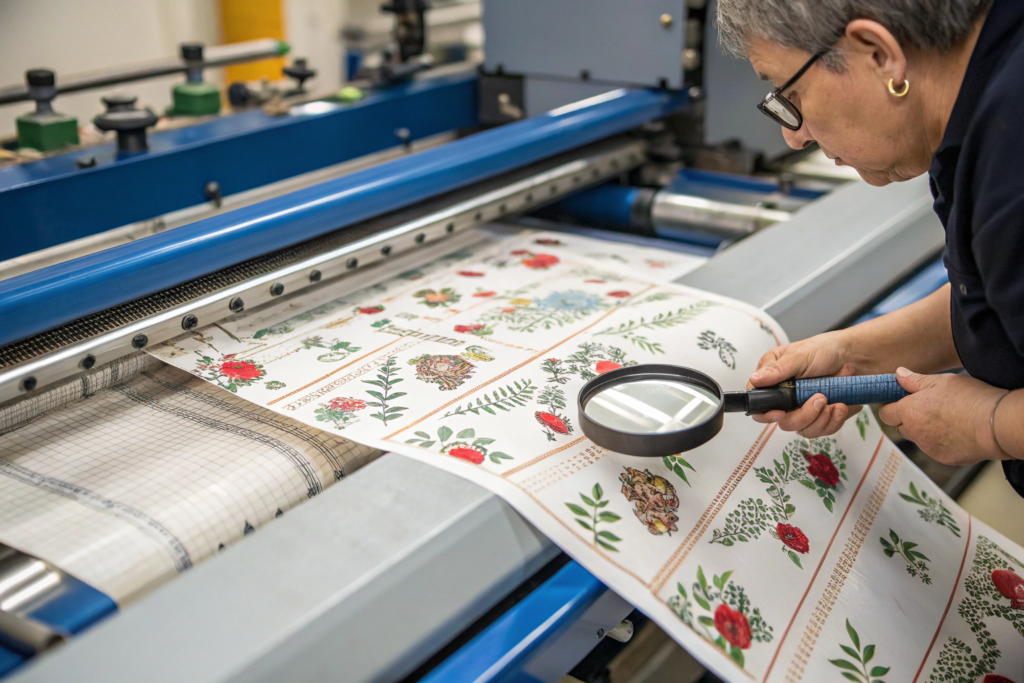
Print registration is the alignment of colors in a pattern. If it’s off, the design looks blurry. I ask to see printed fabric on the machine. I look at where the pattern repeats. Are the colors aligned? I also look at the edges. Are they sharp or fuzzy?
I ask about screen tension. In screen printing, the screens need to be stretched properly. If the tension is low, the print will be fuzzy. I ask to see the screen storage area. If screens are stacked haphazardly, they’re probably not maintaining tension.
I also ask to see wash tests. A good printing line tests every batch for colorfastness. I ask to see the wash test records. If they can’t show me that they tested the last batch, they’re shipping without knowing if the print will bleed.
In 2023, a client from Germany had a collection of printed silk shirts. The prints looked great on the roll. After one wash, the colors ran into each other. I visited the printing facility. They weren’t doing any wash tests. They just printed and shipped. The client lost her entire collection. Now she tests every batch before we ship.
What Finishing Processes Should You Verify?
Finishing is the final step. It can make a good fabric great or ruin it completely. I ask about mechanical versus chemical finishing.
Mechanical finishing uses heat, pressure, and friction. It’s durable and doesn’t wash out. Chemical finishing uses resins and softeners. Some wash out after a few cycles.
I ask to see the calender machines. These are used for mechanical finishing. If they’re not running, the fabric might be getting chemical finishes instead. I also ask about sanforization for woven fabrics. This is the pre-shrinking process. If a factory doesn’t have a sanforizer, they can’t guarantee shrinkage control.
In 2024, a client from the US was having issues with fabric wrinkling after washing. I visited her supplier’s finishing line. They were using a cheap chemical softener that washed out completely after three cycles. We switched her to a mechanical finish, and the problem was solved.
For a guide to fabric finishing processes, there’s a resource on the difference between mechanical and chemical fabric finishes . It explains the pros and cons of each approach.
How to Audit Quality Control Systems Across All Lines?
The QC line is where everything comes together. If the QC system is weak, defective fabric gets shipped. I’ve seen factories with beautiful weaving and dyeing lines but no real QC. They rely on “visual inspection” by operators who are too busy to look carefully.
What Equipment Should a Real QC Line Have?
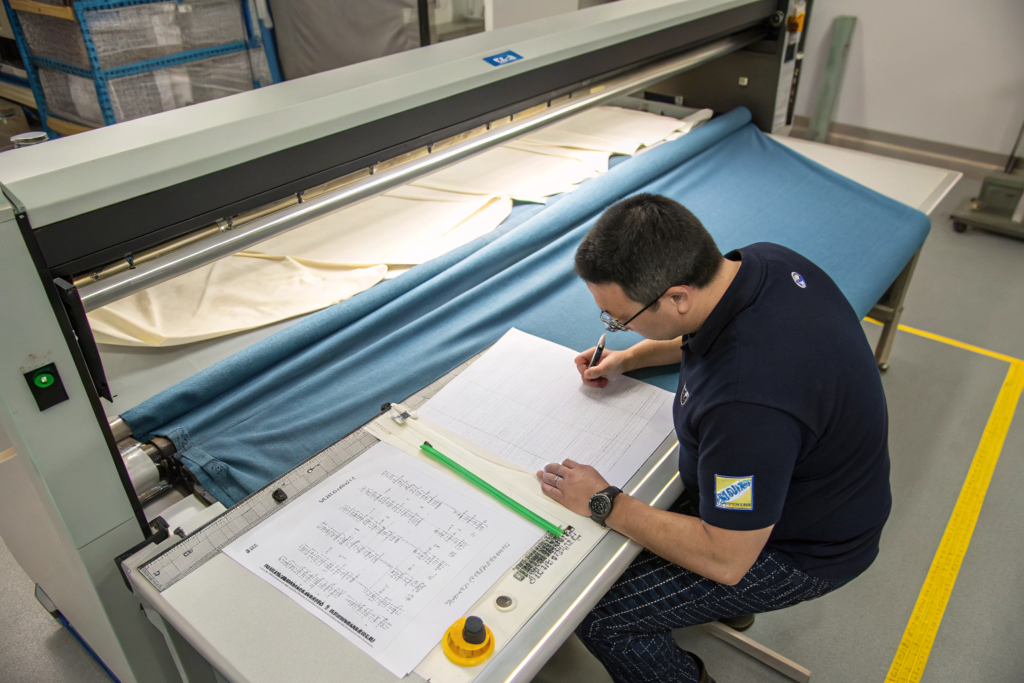
A proper QC line starts with inspection machines. These have lightboxes that backlight the fabric, making defects visible. I look to see if they’re running during my visit. If they’re turned off, they’re probably not used consistently.
I ask to see the defect log. Every roll inspected should have a record of defects found. I look for patterns. Are the same defects appearing repeatedly? That tells me a problem in an earlier line isn’t being fixed.
I ask about testing equipment. A good factory has in-house testing for:
- Fabric weight (GSM scale)
- Shrinkage (washing machine and dryer)
- Colorfastness (lightbox and rubbing tester)
- Tensile strength (pull tester)
- Pilling (Martindale tester)
In 2023, I visited a factory that claimed to have QC. They had one inspection machine and a scale. No wash testing. No colorfastness testing. They were shipping fabric without knowing if it would shrink or bleed. The client was having 20% return rates. We helped them set up proper testing, and the returns dropped to under 2%.
How Do You Verify That QC Data Is Real?
This is the hardest part. A factory can show you logs that look good but are completely fabricated. I’ve learned to ask for raw data.
I ask to see the original inspection notes. Not the summary report. The actual sheets where the inspector marked defects. I look for dates and signatures. If the notes are too clean, they might be rewritten.
I ask to see test samples. If they claim to test every batch, I ask to see the tested samples. Do they have them stored? In 2024, a client’s supplier claimed to test every batch for shrinkage. When I asked to see the tested samples, they couldn’t produce any. They had been faking the test reports for two years.
I also ask to see calibration records. Testing equipment needs to be calibrated regularly. If they can’t show me calibration certificates for their scale and other equipment, the test results are meaningless.
For a guide to QC system auditing, there’s a resource on how to evaluate a textile factory’s quality management system . It’s from a third-party inspection company and covers best practices.
Conclusion
Auditing a fabric factory’s production lines isn’t about being suspicious. It’s about being thorough. When you understand how the weaving, dyeing, printing, finishing, and QC lines actually operate, you know what you’re buying. You know if the factory can deliver consistent quality. You know if they’re compliant with environmental regulations. And you know if you can trust them with your brand.
At Shanghai Fumao , we don’t just welcome audits. We expect them. Our weaving lines are clean and maintained. Our dyehouse has a color kitchen with full recipe management and a water treatment system that runs every day. Our printing lines do wash tests on every batch. Our finishing lines use mechanical finishes that last. And our QC line has full testing equipment, a defect log, and calibration records for every instrument.
I’ve built this factory to be transparent. When clients visit, I take them through every line. I show them the batch records, the test samples, the calibration certificates. I answer every question. Because I know that when you see how we work, you’ll trust what we make.
If you’re sourcing fabric and you want to audit your supply chain, or if you’re looking for a supplier you can trust without constant worry, let’s talk. My business director, Elaine, handles all our client relationships. She can arrange a factory visit, or she can walk you through our processes remotely. She’ll show you what a transparent textile partnership looks like.
Contact Elaine directly: elaine@fumaoclothing.com
Tell her you want to see how real quality is made. She’ll make it happen.