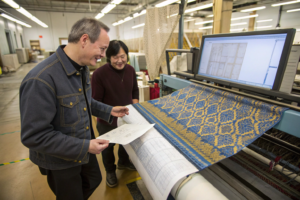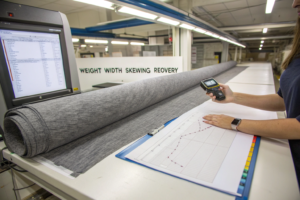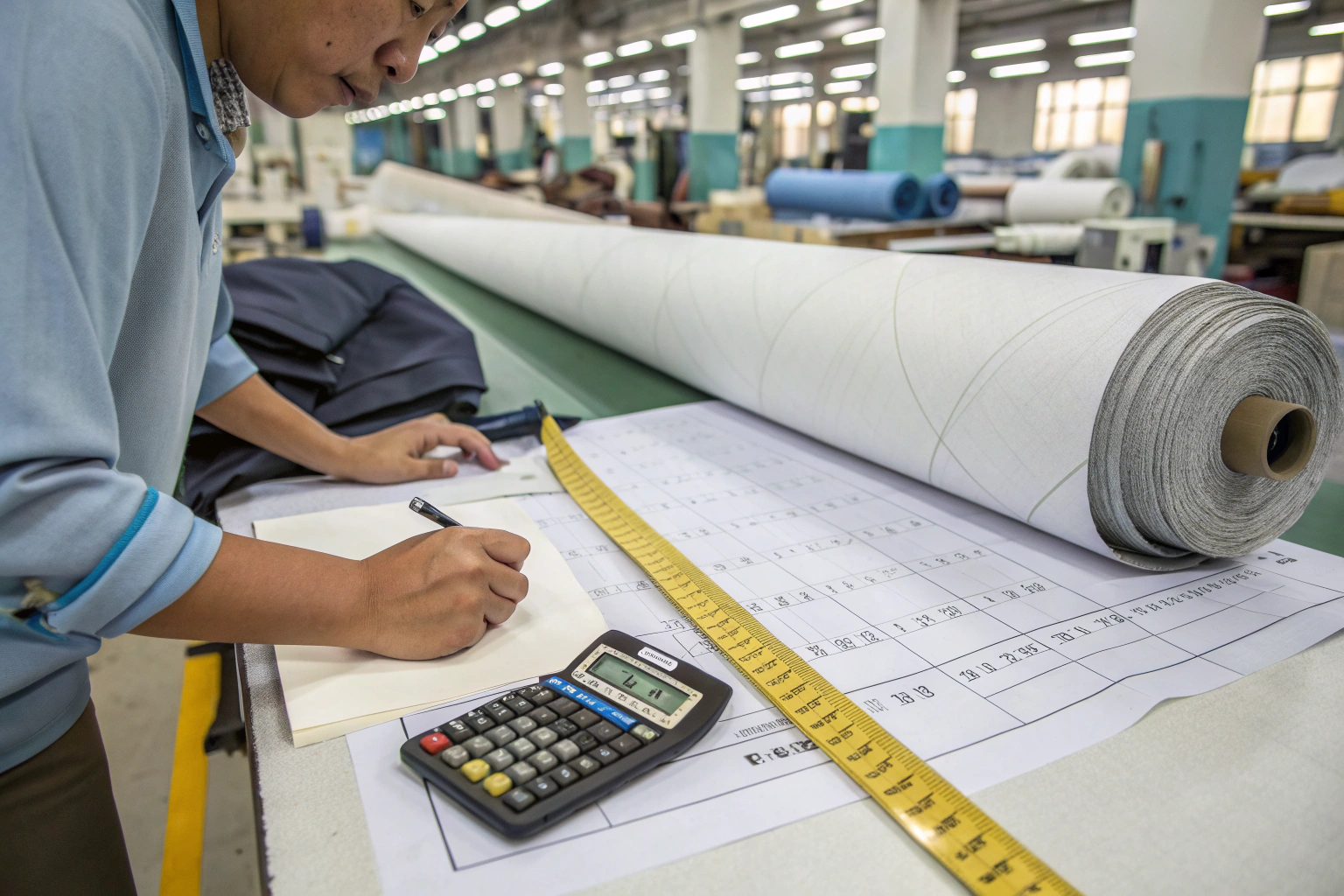
With two decades of textile industry experience, our fabric supply team observes frequent miscalculations in material planning. Precise fabric utilization metrics form the foundation of profitable apparel manufacturing. Estimation errors often trigger substantial financial deficits, shipment delays, and compromised client relationships. For price-sensitive buyers like Ron from the United States, mastering these calculations proves essential for maintaining market position.
Fabric yield and consumption analysis determines exact material requirements per garment or production batch, directly influencing cost structures, pricing models, and sourcing decisions. This process requires comprehensive understanding of fabric width, marker efficiency, and pattern arrangement to reduce waste while protecting profit margins. International purchasers consider this fundamental step indispensable when managing integrated expenses, particularly those involving logistics and import duties.
We will now examine core principles and practical methodologies for determining fabric needs, enabling accurate budget forecasting and preventing unexpected cost overruns.
What Distinguishes Fabric Consumption from Fabric Yield?
These terms are frequently confused within procurement circles. Fabric consumption encompasses the total fabric area utilized in garment production, including processing waste. Fabric yield measures production output from specific material length or weight. Recognizing this distinction represents the initial phase of precise cost calculation.
Consumption quantifies resource input, whereas yield evaluates production efficiency. For American buyers sourcing from Chinese suppliers, consumption dictates material order volume, while yield reflects manufacturing economic effectiveness. High consumption paired with low yield typically indicates suboptimal pattern engineering or material utilization—issues that progressively diminish profitability.
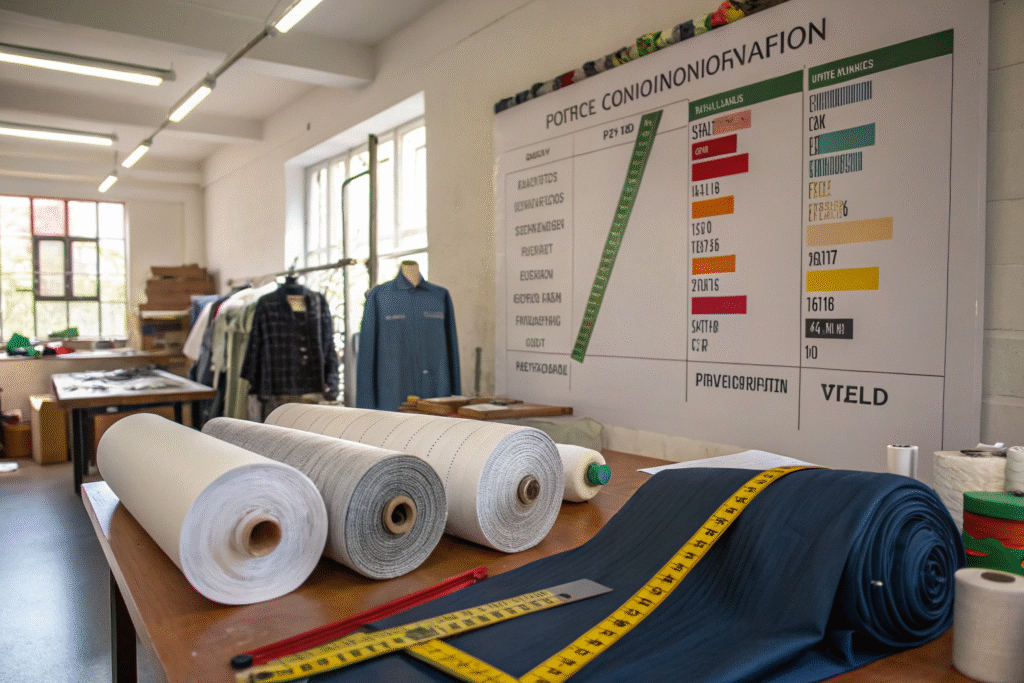
Why Does Precise Consumption Data Dominate Cost Management?
Inaccurate consumption estimates primarily drive budget overruns. Underestimation forces emergency fabric procurement at premium rates, potentially disrupting production schedules. Overestimation immobilizes working capital through excessive inventory. Each order demands exact figures for successful mill negotiations and accurate client cost sheets. Implementing standardized fabric consumption charts establishes process consistency. Additionally, comprehending fabric GSM (grams per square meter) remains vital since identical designs using different fabric weights generate varying consumption outcomes.
How Can Manufacturing Processes Enhance Fabric Yield?
Yield improvement focuses on maximizing usable output from each meter purchased. This requires intelligent marker planning and appropriate fabric width selection. Wider fabrics generally accommodate more efficient layout configurations for larger pattern pieces. Our Fumao specialists regularly advise clients on optimal width selections for specific designs. Advanced techniques like tight pattern nesting and computerized marker planning systems dramatically reduce waste. Collaborating with suppliers possessing robust quality assurance protocols ensures fabric flaws won't necessitate last-minute marker modifications, thereby safeguarding projected yield.
What Are the Fundamental Formulas for Fabric Consumption?
Basic formulas appear straightforward, though practical application demands meticulous attention. Core computation translates total garment pattern area into length or weight measurements based on fabric specifications.
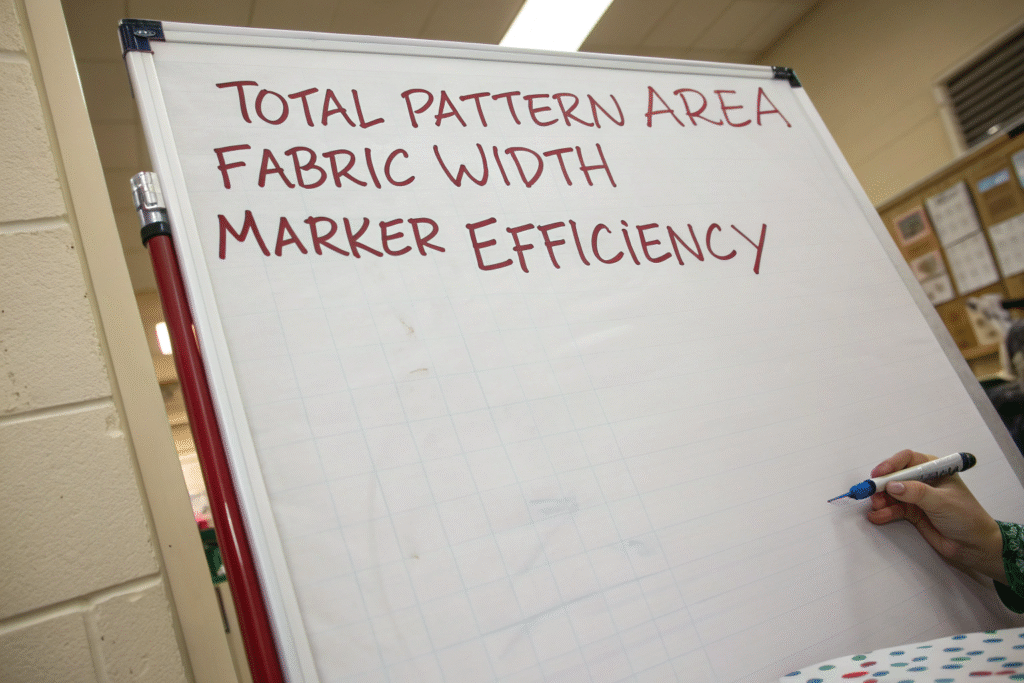
The primary calculation follows: (Total pattern area / Fabric width) / Marker efficiency. Area typically uses square meters or yards. This generates fabric length per garment, multiplied by order quantity for total consumption.
How Is Woven Fabric Consumption Determined?
Cotton, linen, and denim fabrics typically calculate consumption by length (meters/yards). Creating a consolidated marker containing all pattern components is essential. The computation formula is: (Total pattern area / Fabric width) / Marker Efficiency. For illustration: a shirt requiring 1.2 square meters of pattern area, using 1.4-meter fabric width at 85% marker efficiency, consumes (1.2/1.4)/0.85 = 1.01 meters per unit. Always incorporate 3-5% additional allowance for fabric cutting operations and textile verification procedures.
How Is Knitted Fabric Consumption Measured?
Knitted fabric consumption, prevalent in activewear and casual apparel, often uses weight (grams) via GSM methodology. The formula becomes: (Pattern piece area in square meters) x GSM. Calculate individually for all components before summation. Example: a jersey tee front panel measuring 0.2 square meters using 160 GSM material weighs 32 grams. Repeat for all elements, incorporate waste percentage, and establish total consumption. This approach proves particularly valuable for knitted textile production budgeting and aligns perfectly with athleisure apparel manufacturer requirements.
How Do Fabric Width and Marker Efficiency Influence Consumption?
Fabric width and marker efficiency serve as powerful leverage points for material cost containment. These elements interrelate significantly, where minor adjustments in either parameter create substantial cost variations across large-volume orders.
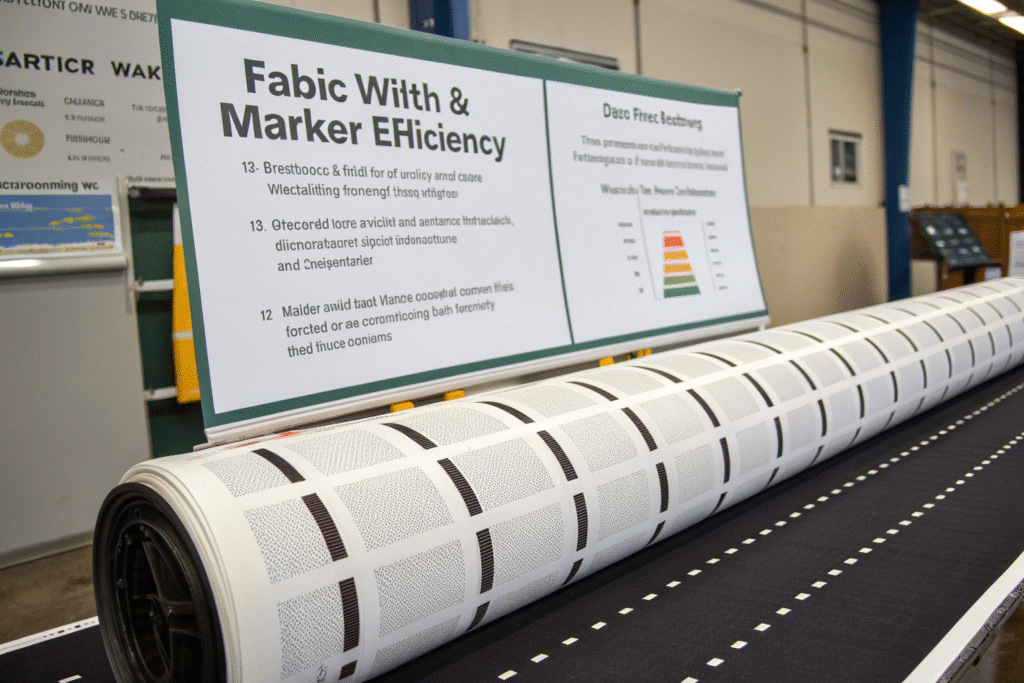
Fabric width governs how many pattern segments align laterally, while marker efficiency assesses layout compactness. Expanded width offers enhanced arrangement flexibility, and superior marker efficiency translates to better capital utilization. Disregarding these factors resembles transportation planning without considering fuel economy.
What Function Does Fabric Width Serve in Cost Analysis?
Width directly determines necessary fabric length for complete pattern cutting. Designs that optimize 60-inch width layouts may require extended length when adapted to 45-inch width due to component reorganization. Therefore, Fumao consistently requests client pattern specifications—enabling optimal width recommendations from our inventory, whether for cotton poplin or technical textiles. Incorrect width selection can inadvertently increase fabric consumption beyond 10%.
What Strategies Improve Marker Efficiency for Cost Reduction?
Marker efficiency percentage reflects pattern area utilization against total fabric area. 85% efficiency indicates 15% material waste. Enhancement methods include:
- Implementing advanced CAD marker development software
- Integrating mixed-size pattern components within single markers
- Employing skilled technicians mastering pattern orientation and nesting
Partner factories maintain experts achieving consistently high marker efficiency—crucial for ensuring bulk production profitability and establishing dependable supply chain operations.
Which Common Errors Artificially Inflate Fabric Consumption?
Despite proper formulas, routine oversights can destabilize complete cost sheets. These mistakes often repeat and can be eliminated through disciplined processes and verification checkpoints. Awareness provides the primary defense barrier.
Frequent errors involve overlooking shrinkage factors, applying incorrect GSM values, neglecting fabric defect allowances, and implementing insufficient waste percentages. These elements compound rapidly, creating major discrepancies between projected and actual material expenditures, ultimately distorting garment costing accuracy.
How Does Fabric Shrinkage Impact Consumption Computations?
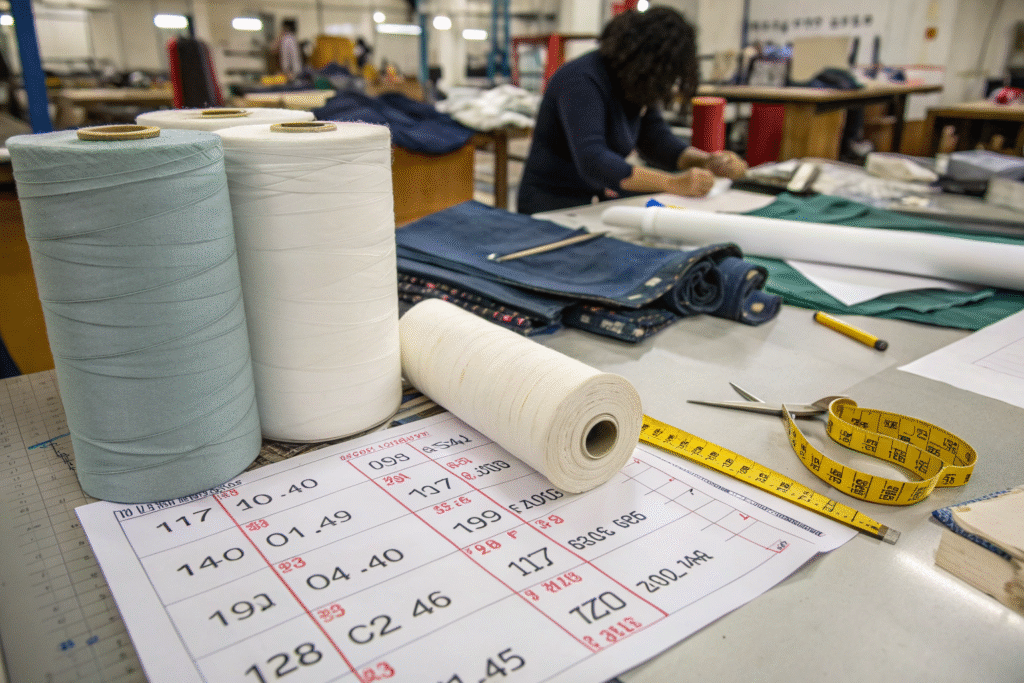
Failure to preemptively address shrinkage—both fabric relaxation and wash/dye processes—produces undersized finished products. Compensation requires enlarged pattern dimensions, directly increasing material usage. Always obtain precise shrinkage percentages from suppliers. For instance, 5% shrinkage fabric demands proportional pattern scaling. Our CNAS-certified laboratory delivers exact shrinkage documentation for all materials, providing buyers with reliable calculation foundations.
Why Does Process-Oriented Management Ensure Precision?
Dependence on estimations or obsolete information invites operational failures. Process-driven methodology incorporates:
- Standardized Measurement Protocols: Implement uniform sizing specifications
- Digital Pattern Simulation: Pre-calculate consumption through software modeling
- Physical Sample Validation: Produce prototypes to verify actual material usage
- Comprehensive Technical Documentation: Ensure flawless production guidelines
This systematic approach prevents cumulative minor errors, satisfies rigorous quality management requirements, and furnishes logistics coordination teams with dependable shipping and customs clearance data.
Conclusion
Accurate fabric consumption calculation transcends mathematical exercise—it constitutes essential business practice safeguarding profitability and production fluidity. From grasping consumption versus yield concepts to applying specialized formulas for woven and knitted textiles, each phase demands precision. Remember the profound influence of fabric width and marker efficiency, while maintaining vigilance against common miscalculations that silently escalate expenses. Adopting structured, data-informed management transforms fabric estimation from operational concern into competitive edge.
Mastering these computations builds budgeting confidence, strengthens negotiation capabilities, and develops more resilient supply networks. Should you require fabric partnerships delivering consistent quality, verifiable data, and technical expertise for seamless costing and manufacturing, we welcome dialogue. Fumao Textiles provides comprehensive support optimizing each production phase. For detailed consultation regarding your upcoming apparel collection, contact Business Director Elaine at elaine@fumaoclothing.com. Let's collaboratively build enhanced brand value.