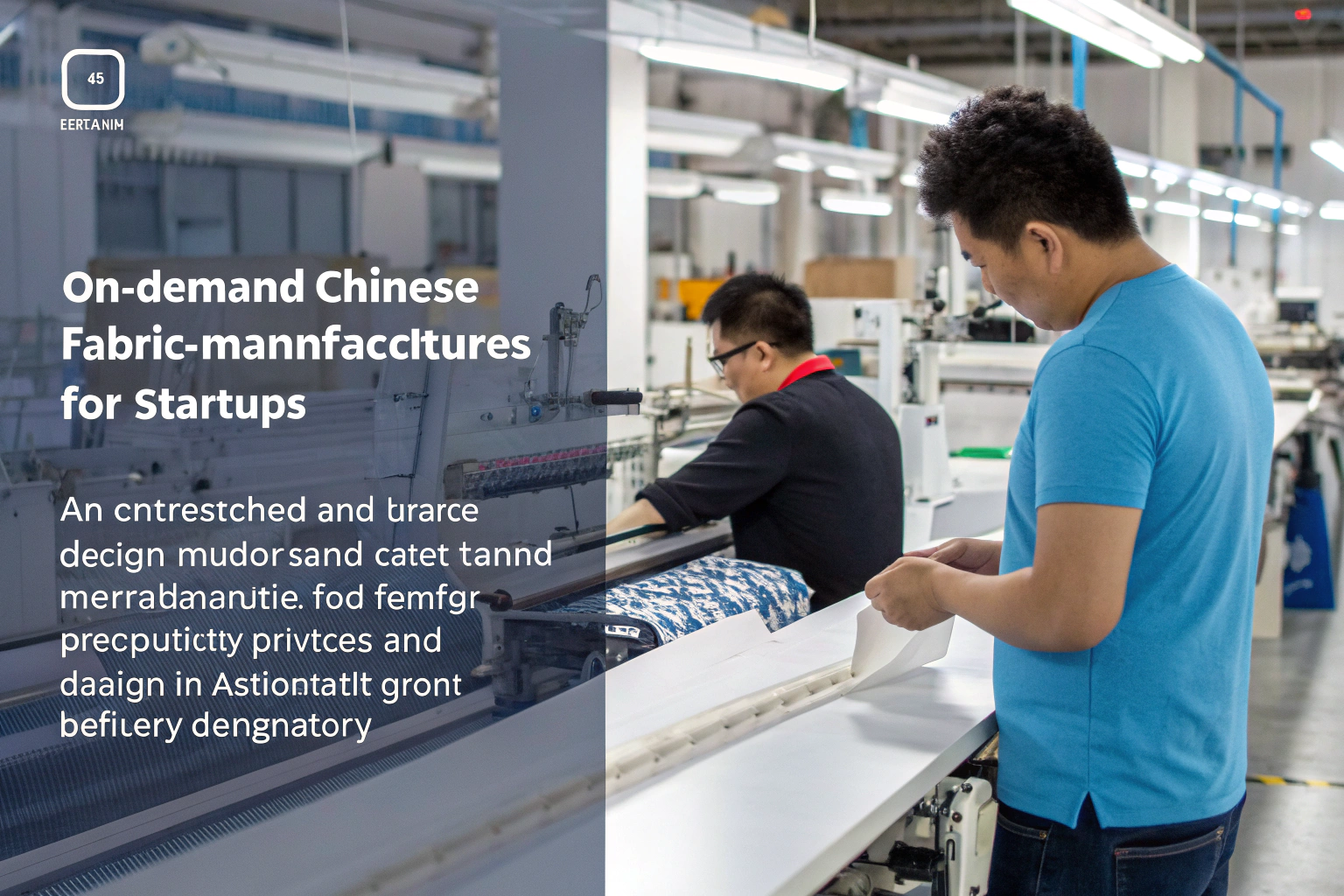
Tired of hearing “minimum order 10,000 meters” when you just need 500 meters to test your new eco-friendly activewear line? You’re not alone. For startups and small brands, breaking into fashion often feels like you’re stuck at the kids’ table while the big players feast on bulk discounts and priority production slots. The traditional fabric sourcing model is stacked against you, demanding huge capital upfront and leaving you drowning in inventory risk.
So, how does on-demand fabric manufacturing actually work for startups? In simple terms, it’s a flexible production model that aligns supply with your actual demand. Instead of forcing you to forecast sales for the next year and commit to massive rolls of fabric, progressive suppliers now offer smaller, more manageable batch sizes with integrated services from design to delivery. This approach turns the old model on its head, letting you start small, iterate fast, and scale smartly without crippling upfront costs.
Understanding this model is key to unlocking growth. It’s not just about finding a supplier who says “yes” to small orders; it’s about finding a partner with the right infrastructure, mindset, and supply chain agility to make those small orders profitable and high-quality for both of you. Let’s unravel how the modern on-demand system operates and how you can leverage it.
What Are the Core Processes of On-Demand Fabric Production?
The magic of on-demand manufacturing isn't a single step; it's a carefully orchestrated sequence that replaces bulk commitment with intelligent flexibility. For a startup, this means your journey from a sketch to a finished fabric roll is broken down into modular, low-risk phases. The core idea is to produce what you need, when you need it, without the traditional waste of time, money, and materials.
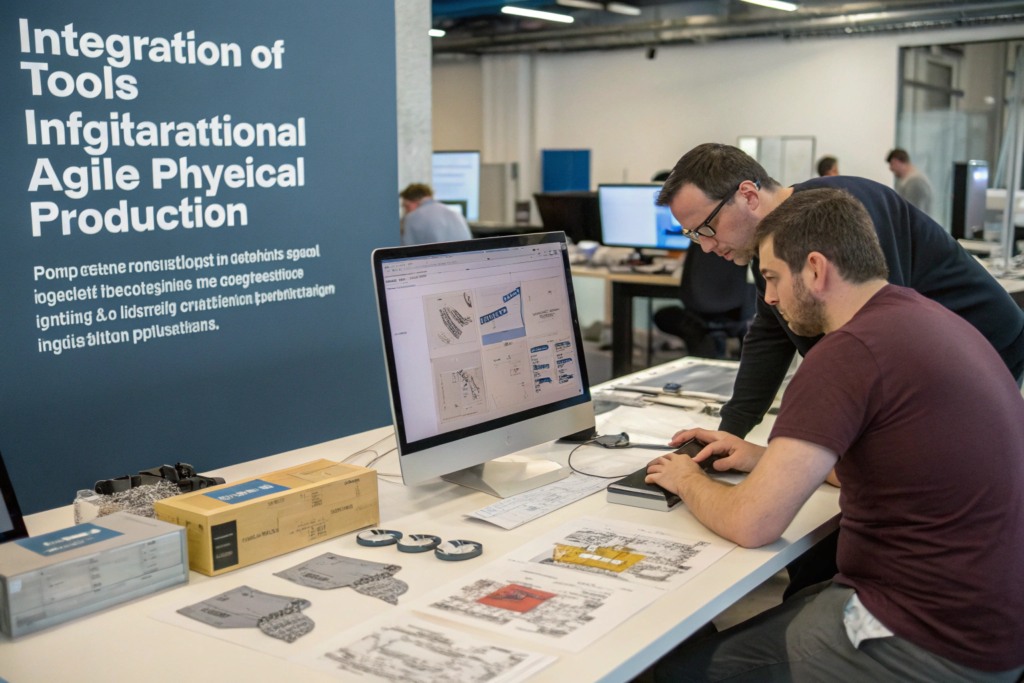
At its heart, the process integrates digital tools with agile physical production. It starts with your vision—a tech pack, a swatch inspiration, or even just a concept. From there, your manufacturing partner should guide you through prototyping, precise material sourcing for smaller quantities, and finally, a production run sized to your real market demand. The goal is to compress the timeline and reduce your financial exposure at every stage.
How Does Digital Prototyping Accelerate Development?
Gone are the days of waiting weeks for physical samples to ship across the world. The first pillar of on-demand manufacturing is digital prototyping. We use AI-powered trend analysis and digital fabric simulation software to create hyper-realistic visuals of your design. For instance, a startup from Berlin recently sent us a concept for a geometric-print linen blend. Within 48 hours, we provided them with 3 digital variations showing how the print would drape on different weave structures, allowing them to choose the best one before any physical yarn was spun. This step slashes sample costs by up to 70% and cuts weeks off your development schedule. It’s crucial for validating designs with your team or even crowdfunding backers before committing a single dollar to bulk production. Resources like the fabric sourcing strategies for sustainable fashion startups often highlight this digital-first approach as a game-changer.
What Does "Small-Batch Sourcing" Really Mean for Yarn?
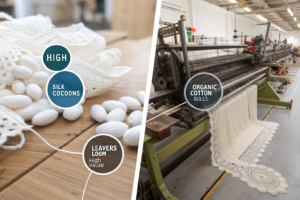
This is where the rubber meets the road. “On-demand” must extend back to the very beginning: the yarn. Traditional mills buy raw materials by the container. For startups, we leverage our position in the Keqiao cluster to aggregate demand. We pool smaller yarn requirements from multiple startup clients to hit the minimums of premium spinners. This means you can access GOTS-certified organic cotton yarns from China for an order of just 800 meters, something nearly impossible to source alone. In early 2024, we helped a Los Angeles-based children’s wear brand do exactly this. They needed a unique, colorfast organic cotton for 1,000 meters of production. By tapping into our pooled network, we secured the specialized yarn without the 5-ton minimum, saving them over $15,000 in locked-up capital and excess inventory.
How Can Startups Navigate China's Production Cycles Timely?
You've nailed the design and sourced the perfect yarn. Now, timing is everything. As the opening example highlighted, Chinese manufacturing runs on a seasonal clock with peak periods, holiday shutdowns, and slower windows. An on-demand model doesn't ignore these cycles; it smartly navigates them. For a startup, this isn't about fighting the tide but learning to surf it. Planning around these periods is your single biggest lever for avoiding delays and capitalizing on faster turnaround times.
The savvy brands we work with treat the production calendar as a strategic tool. They use the slower periods for development and sampling, aim to place bulk orders just after major holidays when factory capacity is fresh, and always, always build buffer time into their critical path. This proactive stance turns a potential pain point into a competitive advantage, ensuring you get your fabric when you need it, even with smaller order quantities.

Why is Pre-Production Before Chinese New Year Non-Negotiable?
Chinese New Year (CNY) is the most critical event. Factories shut for 3-4 weeks, but the ripple effect starts earlier as workers leave. For startups, the rule is simple: complete all pre-production at least 6 weeks before the holiday. This means finalizing lab dips, strike-offs, and approval samples. We had a painful lesson in 2023 with a Seattle-based athleisure startup. They approved their final moisture-wicking fabric sample just 3 weeks before CNY. By the time we got the go-ahead, our embroidery partner’s key technicians had already left. Production was delayed by 7 weeks, missing their crucial spring launch. Now, we enforce a strict pre-CNY schedule. Brands that follow it, like a European brand we work with, can hit the ground running the week factories reopen, securing the best slots in the queue. For deeper insights, many founders share their experiences on forums about managing production timelines during Asian holidays.
How to Leverage Slower Periods for Faster Turnarounds?
The slower periods (June-July, Nov-Dec) are a startup's secret weapon. Factory capacity opens up, and the pressure on supply chains eases. This is the ideal time for faster sampling and more flexible, smaller production runs. For example, a New York knitwear startup needed a quick 500-meter run of a custom wool-blend jersey for a pop-up shop last November. Because it was a slower period, our knitting factory could slot them in immediately, and we delivered the finished fabric in 18 days—a timeline impossible during the September peak. We encourage our startup partners to schedule their low MOQ fabric production runs for these windows. Not only do you get speed, but you also often get more attention to detail from factory technicians who aren't rushing through massive orders.
What Quality Control Systems Exist for Small-Batch Orders?
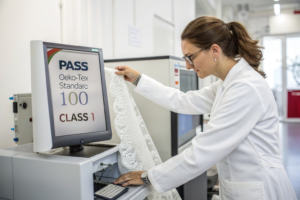
A common fear is that “small batch” equals “lower priority” or “compromised quality.” In a traditional factory chasing 100,000-meter orders, that might be true. But in a dedicated on-demand model, quality control (QC) is the cornerstone, not an afterthought. For startups, a single batch with quality issues can be fatal. That’s why the QC system must be robust, transparent, and integrated from yarn inspection to final roll packaging.
At Shanghai Fumao, we treat every meter of a 500-meter order with the same scrutiny as a 50,000-meter order. Our advantage is that our integrated supply chain—from our own weaving to cooperative dyeing and finishing—gives us direct control points. We don’t just inspect the final product; we monitor the process. This proactive approach prevents defects rather than just finding them at the end, saving you from costly surprises and ensuring the high yield that keeps your per-meter cost predictable.
Is In-Process Inspection More Important Than Final QC?
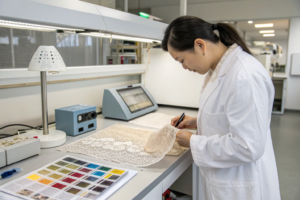
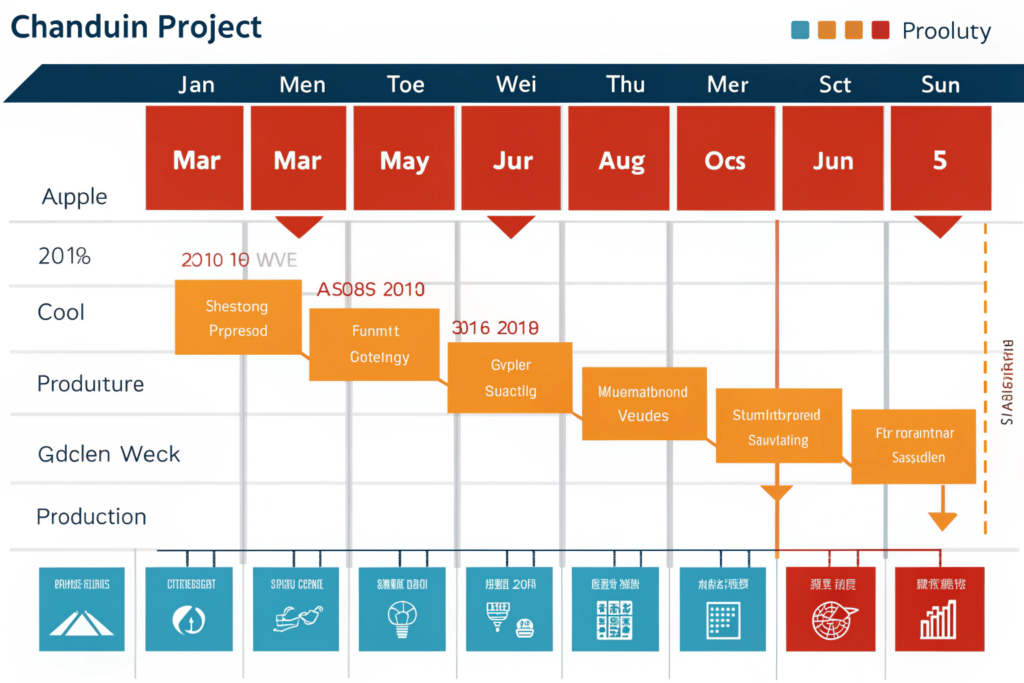
Absolutely. Final inspection catches problems; in-process inspection prevents them. For small batches, you can't afford a whole roll to be dyed the wrong shade. Our system involves checkpoints at each stage. When we produce a custom jacquard for a startup, our technicians check the loom setup and the first few meters of greige fabric. Before dyeing a small lot of recycled polyester, we run a pilot dye test. A client from Melbourne in 2023 ordered a complex, multi-color floral print on silk. Our printing factory’s in-process checks caught a slight registration misalignment after the first 50 meters. We halted, corrected the screen, and salvaged the batch. A final inspection alone would have meant the entire 300 meters was flawed. This level of vigilance is detailed in quality benchmarks for small-run textile manufacturing in Asia.
How Does Digital Tracking Empower Startup Clients?
Transparency builds trust. We implement a digital QR code tracking system for every order, no matter the size. When you receive your fabric rolls, scanning the code gives you a digital passport. You see the yarn origin, dye lot numbers, shrinkage test results, colorfastness ratings, and even photos from key inspection stages. For a Danish startup focused on radical transparency, this feature was a deal-closer. They could share this data directly with their end consumers, backing up their sustainability claims. This isn't just a QC tool; it's a marketing asset. It answers the critical question of how to verify fabric quality and certifications from overseas suppliers before the goods even ship, giving you complete peace of mind.
What Are the True Costs and Logistics of On-Demand?
Let’s talk numbers and logistics—the make-or-break for any startup budget. The perception is that on-demand manufacturing is prohibitively expensive per meter. While unit costs are higher than 100-ton bulk orders, the total cost of ownership is often lower when you factor in reduced waste, zero deadstock, and faster time-to-market. The model shifts costs from massive upfront capital to a more manageable, pay-as-you-grow operational expense. The key is understanding what you’re paying for: agility, flexibility, and risk mitigation.
Logistics for small batches also requires a different approach. You’re not filling a container, so you need a partner who can efficiently consolidate your order with others or navigate cost-effective LCL (Less than Container Load) and air freight options without tariff surprises. The logistics must be as streamlined as the production.

How to Calculate the "Real" Cost Per Meter?
Don’t just look at the fabric price quote. Build a total cost model that includes:
- Sample & Development Costs: Spread these across your actual production meterage.
- MOY Surcharge: A fair small-batch premium for yarn and setup.
- Quality Assurance: Built-in, not an add-on.
- Logistics: Freight, duties, and insurance.
- Inventory Carrying Cost: This is the big one. Storing 10,000 meters of unused fabric for 6 months has a real cost (capital, warehousing, risk of obsolescence). With on-demand, this cost is near zero.
We created a simple spreadsheet for a Texas-based workwear startup comparing a traditional 10,000-meter order with two staggered 2,000-meter on-demand orders. Even with a 15% higher per-meter price, the on-demand model saved them 22% in total costs over 12 months by eliminating warehouse fees and allowing a mid-season design tweak that boosted sell-through. Understanding consolidated shipping options for small fabric imports is a critical part of this equation.
Can On-Demand Logistics Be Tariff-Efficient?
Yes, with expert navigation. The US tariffs on certain Chinese textiles are a reality, but they are based on product classification (HTS code). Our role is to ensure your fabric is correctly classified from the start to avoid costly customs delays or penalties. Furthermore, for startups, we often recommend our "Silk Road Keqiao" consolidated shipping service. We group multiple small client shipments into a single container, clear customs as a consolidated shipment, and then de-consolidate for final delivery in the US. This drastically reduces your per-unit shipping cost and simplifies the process. A Portland-based brand shipping 800kg of fabric monthly uses this service and has achieved a predictable landed cost with no unexpected duties for over 18 months. It’s a seamless solution that makes managing US tariffs on imported textiles far less daunting for growing businesses.
Conclusion
On-demand fabric manufacturing for startups is far more than a buzzword; it's a fundamental shift in how small brands can access global supply chains. It works by replacing monolithic, inflexible production with a modular, digital-first, and agile system. From digital prototyping that accelerates creativity to pooled small-batch sourcing that unlocks premium materials, the model is designed to de-risk your launch and fuel your growth. By strategically navigating production cycles, implementing rigorous quality controls tailored for smaller runs, and understanding the true cost-benefit analysis, startups can compete with established players without the traditional burdens.
The journey from idea to inventory is complex, but you don't have to walk it alone. It requires a partner who sees your vision and has the integrated infrastructure to execute it on your scale. If you’re ready to move faster, waste less, and build a brand that’s as agile as your ideas, let’s connect. At Shanghai Fumao, we’ve built our entire process around empowering entrepreneurs just like you. We invite you to reach out to our Business Director, Elaine, to discuss how we can co-create your next collection. You can contact her directly at elaine@fumaoclothing.com to start a conversation about your specific needs. Let's weave your vision into reality.