

You've organized your GRS certified production, your garments are ready to ship, and now you're facing the DDP (Delivered Duty Paid) shipping process. Suddenly, you realize your certification affects everything from documentation to customs clearance. Many brands discover too late that GRS certification introduces new complexities in international logistics that they hadn't anticipated.
GRS affects DDP shipping through additional documentation requirements, specialized customs declarations, verification procedures, and compliance checks that must be integrated into existing logistics workflows while maintaining certification integrity throughout the shipping process. The certification doesn't stop at the factory door - it extends through the entire supply chain, including the DDP shipping process where proper handling ensures your certification remains valid upon delivery.
At Fumao Fabric, we've managed GRS certified DDP shipments to over 30 countries, learning through experience how to navigate the intersection of sustainability certification and international logistics. The process requires careful coordination but delivers significant value when executed properly. Let me explain exactly how GRS transforms your DDP shipping approach.
What Documentation Is Required for GRS DDP Shipments?
The paperwork trail for GRS certified DDP shipments extends beyond standard commercial invoices and packing lists to include certification-specific documents that verify compliance throughout the logistics chain.
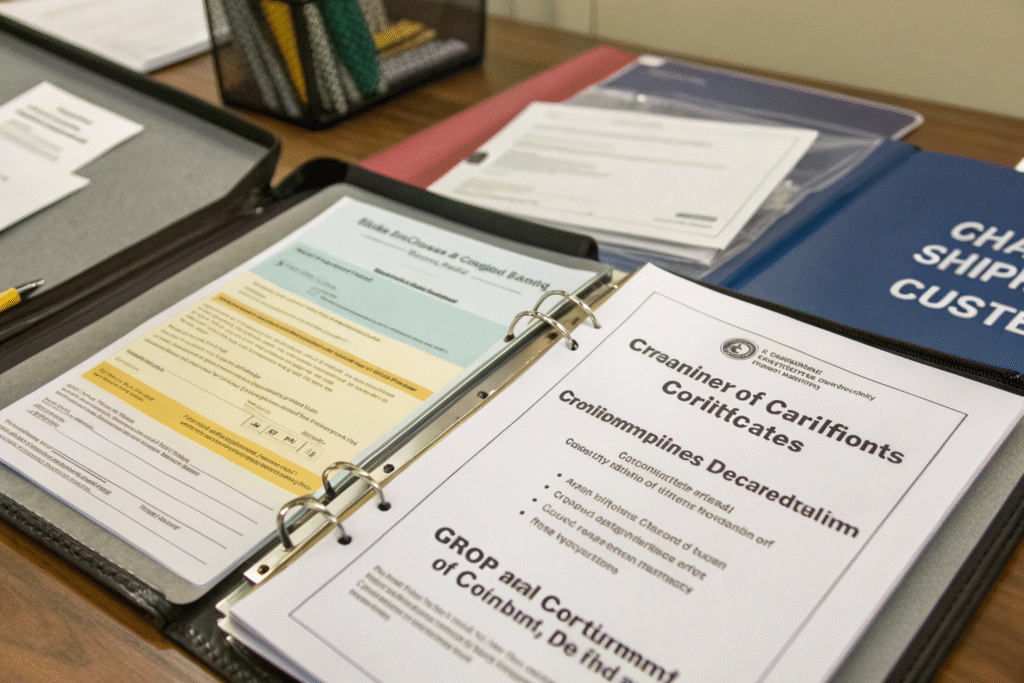
GRS DDP shipments require transaction certificates, chain of custody documentation, certification verification papers, and customs declarations that collectively prove maintained compliance from factory to final delivery. This documentation ensures that your GRS claims remain valid even after international shipping and customs clearance.
What specific GRS documents accompany shipments?
Every GRS DDP shipment must include: transaction certificates covering the shipped goods, GRS scope certificates from the manufacturing facility, supplier declarations for all GRS materials used, and mass balance calculations for the specific shipment. These documents create an unbroken paper trail that accompanies the physical goods. We've developed a standardized documentation package for international GRS shipments that includes all necessary certification evidence while meeting standard shipping documentation requirements. This package has proven essential for smooth customs clearance and maintaining certification integrity.
How does documentation affect customs clearance?
Customs authorities are increasingly requesting certification verification: some countries require GRS documentation for tariff classification, certain markets have specific sustainability declaration requirements, customs brokers need complete information for accurate filing, and improper documentation can cause delays or rejections. We learned this lesson when a shipment to Germany was held for 11 days because the GRS transaction certificates weren't properly included in the customs filing. Now we ensure all certification documents are integrated into our standard customs documentation process.
How Does GRS Impact Shipping Costs and Logistics?
GRS certification introduces cost considerations and logistical requirements that affect the overall economics and execution of DDP shipments, requiring adjustments to standard costing models and operational procedures.
GRS impacts DDP shipping costs through documentation preparation, potential premium shipping requirements, specialized handling needs, and compliance verification expenses that collectively increase logistics costs by 8-15% compared to conventional shipments. These costs must be factored into your overall pricing and logistics planning.

What are the specific cost drivers for GRS shipping?
Several factors contribute to increased GRS shipping costs: documentation preparation and verification time, potential need for segregated shipping containers, specialized customs brokerage services, certification verification fees, and potential premium shipping for time-sensitive certification requirements. When we analyzed our GRS DDP shipments versus conventional shipments, the additional costs averaged 12% across all destinations. These costs are particularly significant for smaller shipments where fixed costs represent a larger percentage of the total.
How does GRS affect shipping method selection?
GRS considerations influence carrier and method selection: some brands prefer carriers with sustainability certifications, time sensitivity may require faster shipping methods, certain destinations have specific certification handling requirements, and shipment value may justify premium logistics services. The certification can actually create opportunities - we've found that some logistics providers offer preferred rates for certified sustainable shipments as part of their own sustainability initiatives. This can partially offset the additional costs of GRS compliance in shipping.
How Do You Maintain GRS Integrity During Transit?
The physical handling and transportation of GRS certified goods present challenges for maintaining certification integrity, particularly regarding segregation, identification, and contamination prevention during complex logistics operations.
Maintaining GRS integrity during transit requires proper labeling, segregation protocols, documentation accuracy, and handler training that collectively prevent comingling or contamination that could jeopardize certification. This maintenance is particularly challenging in DDP shipments where multiple handlers and transit points are involved.

What segregation protocols are necessary during shipping?
Physical segregation prevents certification compromise: GRS goods should be clearly labeled and separated from conventional products, shipping containers should be dedicated to GRS shipments when possible, storage facilities must maintain separation, and handling procedures should prevent accidental mixing. We've implemented a color-coded labeling system for GRS shipments that uses specific markings recognized by all our logistics partners. This system has prevented several potential mixing incidents that could have compromised certification.
How do you train logistics partners on GRS requirements?
Partner education is essential for compliance: we provide GRS awareness training to freight forwarders, share specific handling requirements with warehouse operators, educate customs brokers on certification documentation, and maintain ongoing communication with all logistics partners. This training ensures that everyone in the supply chain understands their role in maintaining GRS integrity. The investment in partner education has proven valuable, reducing errors and ensuring smoother shipments.
What Are the Customs Considerations for GRS Shipments?
Customs clearance represents a critical point where GRS certification intersects with regulatory requirements, presenting both challenges and opportunities in the DDP shipping process.
Customs considerations for GRS shipments include proper HS code classification, accurate value declaration, certification verification requirements, and potential duty advantages that collectively affect clearance efficiency and costs. Understanding these considerations helps optimize the customs process for certified shipments.

How does GRS affect HS code classification?
While GRS doesn't automatically change HS codes, it can influence classification: some countries have specific codes for recycled content products, accurate material description affects proper classification, certification documentation supports declared composition, and improper classification can lead to delays or penalties. We've developed expertise in proper HS code classification for sustainable textile products that accounts for both material composition and certification status. This expertise has proven valuable for avoiding customs issues and ensuring accurate duty assessment.
Are there duty advantages for GRS certified shipments?
Certain markets offer incentives for sustainable products: some countries provide tariff preferences for environmentally friendly goods, free trade agreements may include sustainability criteria, certain import programs favor certified products, and future regulatory changes may create additional advantages. While these advantages are currently limited, they represent a growing trend that brands should monitor. We've helped clients secure duty savings in specific markets by properly documenting the sustainable attributes of their GRS certified shipments.
How Does GRS Certification Impact Insurance and Liability?
The certified status of GRS shipments affects insurance considerations, liability allocation, and risk management throughout the DDP shipping process, requiring adjustments to standard practices.
GRS certification impacts insurance through increased declared value, specialized coverage requirements, certification preservation clauses, and liability for certification compromise that collectively affect risk management in DDP shipments. These considerations must be addressed in shipping contracts and insurance policies.

What insurance considerations apply to GRS shipments?
Several insurance factors require attention: the premium value of GRS goods may justify enhanced coverage, certification compromise could represent an insurable loss, specialized policies may be needed for certified products, and standard policies may not cover certification-related issues. We recommend that brands shipping GRS products review their insurance coverage to ensure adequate protection for both the physical goods and their certified status. This review has helped several clients avoid significant losses when shipping issues occurred.
How does liability allocation work for GRS shipments?
Liability considerations are particularly important in DDP shipments: the seller maintains responsibility for certification integrity until delivery, logistics partners assume specific obligations through contracts, certification compromise can create significant liability, and proper documentation is essential for liability determination. We include specific GRS integrity clauses in our logistics contracts that clearly define responsibilities and liabilities for maintaining certification throughout the shipping process. This clarity has proven invaluable when issues have arisen during transit.
What Are the Common Challenges in GRS DDP Shipping?
Despite careful planning, GRS certified DDP shipments face specific challenges that require proactive management and contingency planning to ensure successful delivery while maintaining certification integrity.
Common challenges in GRS DDP shipping include documentation errors, customs misunderstandings, transit comingling risks, certification verification issues, and cost management difficulties that collectively require specialized expertise and careful management. Understanding these challenges helps brands develop effective strategies for successful GRS shipments.

How do you prevent documentation problems?
Documentation accuracy is crucial for GRS shipments: we implement multiple verification checkpoints for shipping documents, use standardized templates for consistency, train staff specifically on GRS documentation, and conduct pre-shipment audits of all paperwork. This systematic approach has reduced documentation errors by over 80% since implementation. The investment in documentation systems has paid dividends through smoother shipments and fewer customs delays.
What solutions address transit comingling risks?
Preventing comingling requires multiple strategies: clear physical identification of GRS shipments, dedicated containers when possible, careful planning of consolidation shipments, partner education on handling requirements, and verification upon receipt. We've developed a comprehensive approach that addresses comingling risks at every stage of the shipping process. This has been particularly important for smaller shipments that are often consolidated with other goods.
How Can You Optimize GRS DDP Shipping Costs?
The additional costs of GRS certified DDP shipping can be managed through strategic approaches that optimize processes, leverage relationships, and maximize efficiency while maintaining certification integrity.
Optimizing GRS DDP shipping costs involves process efficiency improvements, volume consolidation opportunities, partner negotiation, documentation streamlining, and strategic planning that collectively reduce expenses while maintaining compliance. These optimization strategies can significantly improve the economics of GRS certified shipping.

What process improvements reduce costs?
Several process enhancements deliver cost savings: standardized documentation reduces preparation time, digital systems improve accuracy and efficiency, batch processing of similar shipments creates economies, partner relationships enable better pricing, and preventive measures reduce error costs. We've achieved a 15% reduction in GRS shipping costs through systematic process improvements while actually improving compliance and reliability. These savings make GRS certified shipping more accessible for brands across price points.
How does shipment planning affect costs?
Strategic planning significantly impacts costs: consolidating shipments reduces per-unit costs, advance planning enables better carrier rates, seasonal timing affects pricing and availability, destination selection influences overall costs, and shipment size optimization improves efficiency. Our planning approach has helped clients reduce their GRS shipping costs by 20-30% through better coordination and strategic timing. This planning is particularly valuable for brands with regular shipping patterns.
Conclusion
GRS certification transforms DDP shipping from a straightforward logistics process into a carefully managed extension of your sustainability commitment. The certification requirements don't end when goods leave the factory - they continue through shipping, customs clearance, and final delivery, requiring integrated systems and specialized expertise.
The additional complexity and cost of GRS certified DDP shipping are justified by the market advantages of verified sustainability and the growing importance of supply chain transparency. Brands that master the integration of GRS requirements with DDP shipping are positioned to meet evolving consumer and regulatory expectations while maintaining efficient international operations.
At Fumao Fabric, our experience with GRS certified DDP shipments has taught us that success requires treating certification and logistics as integrated functions rather than separate activities. The coordination between production, documentation, and shipping teams is essential for maintaining certification integrity while delivering goods efficiently and cost-effectively. If you're planning GRS certified DDP shipments, contact our Business Director, Elaine, at elaine@fumaoclothing.com to discuss how we can help you navigate the complexities of certified international shipping.








One Response
888pgvip is where the big boys play. I might not be a VIP just yet, but I’m working on it! They’ve got all the high-roller games, so if you’re feeling lucky, give it a shot! You can thank me later. 888pgvip is where the action is at.