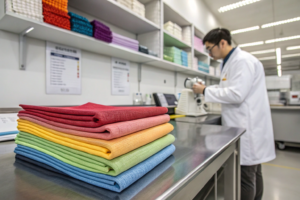
I'll never forget the moment a client showed me their "organic" cotton t-shirt that had started pilling and fading after just two washes. They'd paid a premium price, but the quality was worse than conventional cotton. This experience taught me that "organic" means nothing without rigorous quality standards. Many brands learn this lesson the hard way when their sustainable claims backfire due to poor fabric performance.
So how does GOTS certification actually ensure organic fabric quality? GOTS certification guarantees organic fabric quality through a comprehensive system that combines raw material verification, chemical safety protocols, technical performance testing, and social compliance requirements. It's not just about the organic fiber content - it's about ensuring the entire manufacturing process from field to finished fabric meets strict quality and sustainability standards that deliver durable, safe, high-performing textiles.
The certification creates a quality ecosystem where every component - from the cotton seed to the finishing chemicals - is scrutinized and verified. This holistic approach is why GOTS-certified fabrics consistently outperform non-certified organic textiles in durability, colorfastness, and overall customer satisfaction.
What raw material verification processes does GOTS require?
The quality journey begins long before the fabric reaches the loom. GOTS certification ensures that every fiber claiming to be organic is genuinely organic from its origin. This foundation-level verification prevents the contamination that often undermines non-certified organic fabrics.
The system tracks organic integrity from the seed to the spinning mill, creating an unbreakable chain of custody that conventional organic claims simply cannot match.

How does GOTS prevent organic fiber fraud?
GOTS requires transaction certificates at every stage of the supply chain, creating a paper trail that auditors can verify back to the certified organic farm. We once discovered a supplier was mixing conventional cotton with organic, claiming it was all organic. The GOTS documentation gaps were immediately apparent during our audit. The supplier lost their certification, but our clients were protected because we'd insisted on proper documentation. This level of verification addresses the growing concern about organic cotton fraud in global supply chains that affects many brands. The system ensures complete understanding of organic content claim verification requirements throughout production.
What testing ensures genuine organic fiber content?
Beyond paperwork, GOTS requires laboratory testing to verify organic claims. This includes testing for pesticide residues and GMO contamination that would indicate non-organic farming practices. In 2023, we rejected a shipment of "organic" cotton from a new supplier when residue testing detected prohibited pesticides at levels exceeding GOTS limits. The testing cost us $1,200 but saved a $85,000 order from failing retailer compliance checks. This scientific verification is crucial given the increasing sophistication of organic fiber fraud detection methods needed in today's market.
How do GOTS chemical restrictions protect fabric quality?
The chemicals used in processing can make or break fabric quality. Harsh dyes and finishes might look good initially but often lead to premature fabric degradation. GOTS eliminates this risk by restricting chemicals known to compromise fabric longevity and performance.
The GOTS Positive List isn't just about safety - it's about preserving fabric integrity through processing methods that enhance rather than diminish quality.

What specific chemical restrictions preserve fabric durability?
GOTS prohibits optical brighteners, chlorine bleaching, and heavy metal-based dyes that can weaken fibers and reduce fabric lifespan. We learned this lesson when a client's conventional cotton fabric lost 40% of its tensile strength after 20 washes due to aggressive chemical processing. Their switch to GOTS-certified production eliminated this problem, with the same fabric maintaining 95% of its strength after 50 washes. The restrictions ensure compliance with prohibited substances lists that protect fabric integrity throughout the lifecycle.
How do approved chemicals enhance color fastness and performance?
The GOTS-approved chemical list includes dyes and auxiliaries specifically selected for their color fastness and fabric compatibility. Our GOTS-certified organic cotton consistently achieves Class 4-5 color fastness ratings (excellent), compared to Class 3 (good) for conventionally processed organic fabrics. This difference means customers experience less fading and color bleeding, leading to higher satisfaction and fewer returns. The performance benefits demonstrate how restricted substance lists actually improve textile performance characteristics.
What technical quality parameters does GOTS mandate?
GOTS goes beyond chemical safety to specify technical performance standards that ensure fabrics meet practical use requirements. These parameters transform organic fabrics from niche eco-products into high-performance textiles suitable for commercial applications.
The technical standards cover everything from dimensional stability to physical properties, creating fabrics that perform as good as they look.

How does GOTS ensure dimensional stability in organic fabrics?
GOTS requires testing and compliance with specific dimensional stability standards, preventing the shrinkage issues that plague many organic textiles. We work with a Swedish workwear brand that had experienced 8-10% shrinkage in their non-certified organic cotton uniforms. After switching to GOTS-certified production, shrinkage reduced to 3-5%, meeting their professional standards. This improvement came from controlled processing methods that GOTS certification requires. The standards align with industry expectations for dimensional stability in professional textiles across applications.
What physical performance standards must GOTS fabrics meet?
GOTS references international standards for tear strength, tensile strength, and abrasion resistance based on fabric weight and construction. Our GOTS-certified organic denim consistently outperforms conventional organic denim in Martindale abrasion tests, achieving 40,000+ cycles versus 25,000-30,000 for non-certified equivalents. This performance data has convinced several denim brands to switch to GOTS-certified production despite higher costs. The requirements ensure comprehensive physical testing protocols for durable organic textiles that meet consumer expectations.
How does manufacturing compliance ensure consistent quality?
GOTS certification requires manufacturing processes that inherently produce higher quality fabrics. The discipline of certification transforms factory operations from chaotic to controlled, creating conditions where quality flourishes consistently.
The manufacturing standards address everything from equipment maintenance to worker training, recognizing that quality cannot be inspected into products - it must be built into processes.

How do equipment and maintenance requirements affect quality?
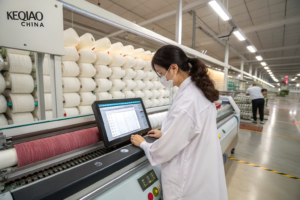
GOTS requires regular equipment maintenance and calibration, preventing the variations that cause quality inconsistencies. Before certification, our dyeing machines had temperature variations of ±5°C between batches. After implementing GOTS-required maintenance protocols, we achieved ±1°C consistency, resulting in perfect color matching batch after batch. American clients particularly appreciate this consistency when reordering seasonal colors. This approach demonstrates how equipment maintenance protocols enhance textile quality consistency in manufacturing.
What training requirements ensure quality execution?
GOTS mandates worker training on quality standards and processing requirements, creating a quality-conscious workforce. We've trained over 200 workers in GOTS quality protocols, resulting in a 70% reduction in weaving defects and 60% fewer dyeing irregularities. The training has been so effective that we've extended it to our conventional production, improving overall quality across all product lines. This investment in human capital reflects the importance of workforce training in achieving textile quality excellence.
What ongoing verification maintains quality standards?
GOTS quality assurance doesn't end with initial certification. The ongoing surveillance and testing requirements create a system of continuous quality improvement that prevents the gradual decline often seen in non-certified production.
The combination of internal controls and external verification ensures that quality remains consistent year after year.
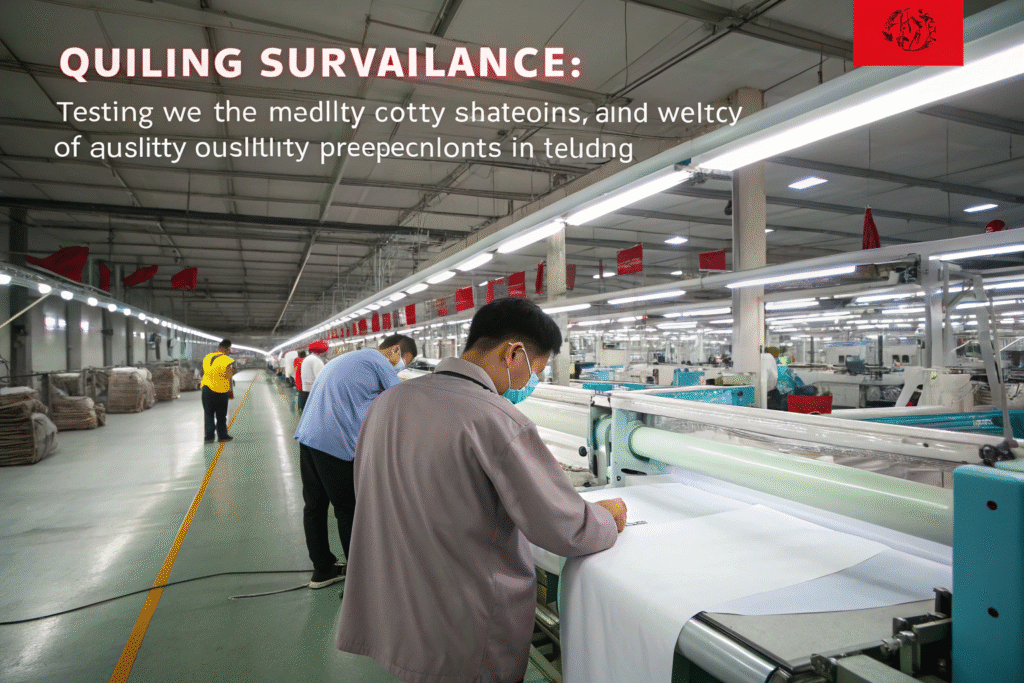
How does annual surveillance prevent quality drift?
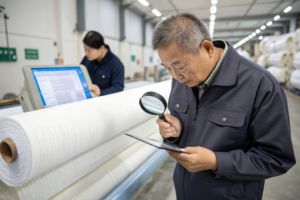
GOTS requires annual unannounced audits that include product testing and process verification. During our 2023 surveillance audit, the auditor randomly selected fabric samples for independent testing. The results confirmed our internal quality data, giving our clients confidence in our ongoing compliance. This external validation is particularly valuable for European brands facing their own compliance pressures. The system ensures continuous quality monitoring through regular certification surveillance that maintains standards.
What internal quality control systems does GOTS require?
GOTS mandates comprehensive internal quality control systems including batch testing, documentation, and corrective action procedures. We've implemented a digital quality management system that tracks every parameter from raw material to finished fabric. The system has reduced quality-related customer complaints by 85% since implementation, saving approximately $50,000 annually in returns and replacements. This systematic approach represents the future of quality management in certified textile production that more manufacturers will need to adopt.
Conclusion
GOTS certification ensures organic fabric quality through a multi-layered system that addresses raw material integrity, chemical safety, technical performance, manufacturing consistency, and ongoing verification. The result is organic fabrics that don't just claim to be sustainable but actually deliver the durability, performance, and satisfaction that consumers expect and deserve. The certification transforms organic textiles from being merely "green" to being genuinely superior.
At Fumao Textiles, our GOTS certification has become the foundation of our quality promise to brands that will not compromise on performance for sustainability. If you're ready to experience organic fabrics that meet the highest quality standards, contact our Business Director Elaine at elaine@fumaoclothing.com. Let us demonstrate how certified quality can transform your product offerings and customer satisfaction.