

If you've ever visited a textile factory trying to manage GRS production alongside conventional orders, you've seen the chaos that can ensue. I've watched competitors struggle with material mixing, documentation errors, and audit failures that cost them major clients. The challenge isn't just getting certified—it's operating efficiently at scale.
At Fumao, we manage GRS across all production lines through a fully integrated system of physical segregation, digital tracking, and dedicated process flows. This isn't a side operation—it's built into our operational DNA. From the moment GRS materials enter our facility to when finished fabric ships with complete documentation, every step follows strict protocols that maintain certification integrity while ensuring production efficiency.
Let me walk you through exactly how we've built this system and share some real examples of how it works in practice across our weaving, dyeing, and finishing operations.
What Does Physical Segregation Look Like in Practice?
Physical separation is the foundation of GRS integrity, and we've implemented it through designated zones, color-coded systems, and clear visual management that prevents cross-contamination at every stage.
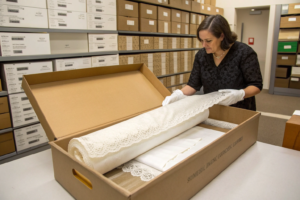
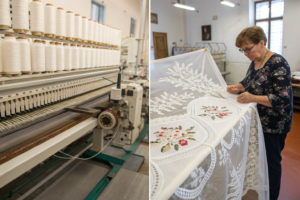
When you walk through our facility, you immediately see the GRS separation system in action. We have dedicated warehouse areas marked with green flooring and signage for GRS raw materials. Our weaving factory reserves specific loom groups for GRS production, separated by clear aisle markings. Even our handling equipment—forklifts, trolleys, and storage racks—features distinctive green labeling for GRS exclusive use. This physical separation extends to our partner dyeing and finishing facilities, where we've helped implement similar zone-based systems.

How do you prevent material mixing during storage and handling?
We use a multi-layered approach to prevent mixing:
- Designated storage zones with physical barriers between GRS and conventional materials
- Color-coded labeling system using green for GRS materials throughout the facility
- Dedicated material handling equipment that never crosses between GRS and conventional zones
- Trained warehouse teams who understand the critical importance of separation
In March 2024, during a surprise audit, our systems proved their value when the auditor randomly selected a GRS recycled polyester roll from storage and was able to trace it back through our digital system to the specific certified supplier batch within minutes. Understanding warehouse management best practices for certified materials provides context for our approach. Additionally, learning about textile storage and handling protocols reveals why proper segregation matters for quality preservation.
What happens during production line changeovers?
Changeover procedures are where many factories fail, but we've developed rigorous protocols:
- Complete line clearance with verification by shift supervisors
- Thorough cleaning using designated equipment to remove all non-GRS materials
- Documentation of changeover in our digital tracking system
- Quality control verification before GRS production begins
We actually schedule GRS production in extended blocks to minimize changeovers, typically running GRS orders for 5-7 consecutive days. This approach has reduced our changeover-related downtime by 40% compared to when we first implemented GRS.
How Does Digital Tracking Ensure GRS Integrity?
While physical segregation prevents contamination, digital tracking provides the documentation backbone that makes GRS management scalable and auditable across all our production lines.
We developed our proprietary Fumao TrackSmart system specifically for GRS management. Every kilogram of GRS material receives a unique QR code at receipt that tracks it through weaving, dyeing, finishing, and final shipment. The system automatically generates mass balance calculations and flags any discrepancies in real-time. This isn't just compliance—it's operational intelligence that helps us optimize production planning and material utilization.
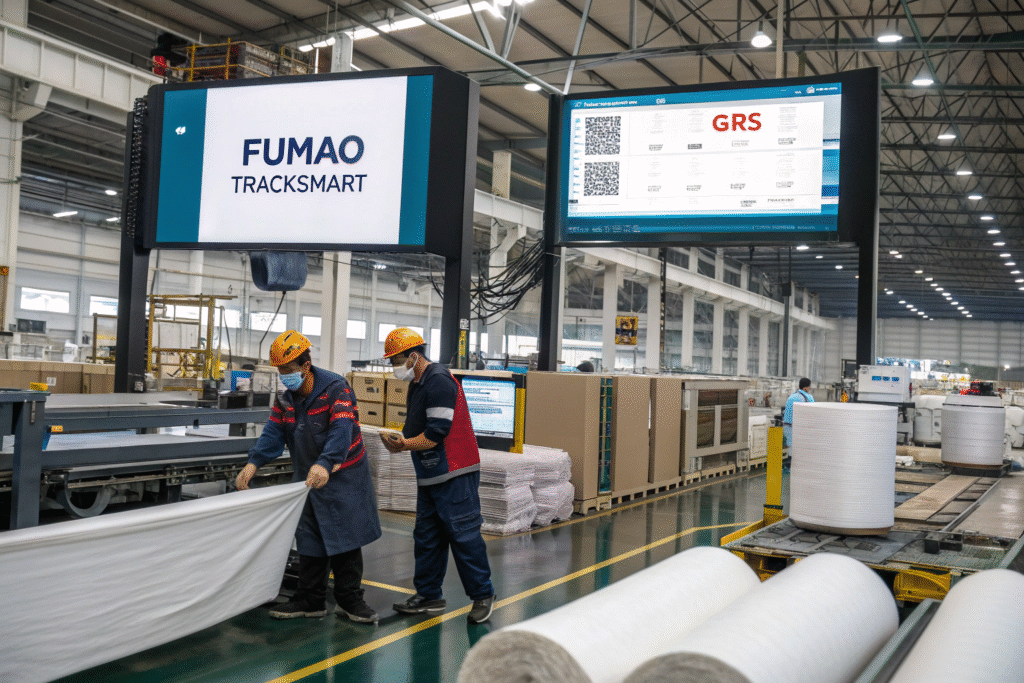
What specific data points does your tracking system capture?
Our system captures comprehensive data throughout production:
- Material origin with supplier certification details
- Batch quantities and composition percentages
- Production timestamps at each process stage
- Quality test results from our CNAS-certified lab
- Transaction Certificate data for automatic documentation
When a US client needed urgent documentation for a customs clearance issue in November 2023, we generated their complete GRS transaction history for the past 18 months in under 10 minutes. The system has reduced our documentation time by 75% compared to manual methods. Exploring blockchain applications for textile traceability shows where digital tracking is evolving.
How does real-time monitoring prevent GRS violations?
Our system provides multiple layers of protection:
- Automated alerts when materials approach designated boundaries
- Quantity reconciliation after each production step
- Access controls that limit system overrides to authorized managers
- Audit trail recording every system transaction and adjustment
We've configured the system to automatically halt production orders if mass balance discrepancies exceed 2%, preventing potential certification violations before they occur.
What Training and Culture Support GRS Management?
Technology and physical systems only work when supported by trained people and the right organizational culture. We've invested heavily in making GRS understanding part of every employee's daily reality.
GRS management isn't just the quality team's responsibility—it's everyone's job. From warehouse staff to machine operators to administrative personnel, we've implemented comprehensive training that explains not just what to do, but why it matters. We regularly share stories about how our GRS capabilities have won major clients and created job stability, making the connection between certification and business success clear to all employees.
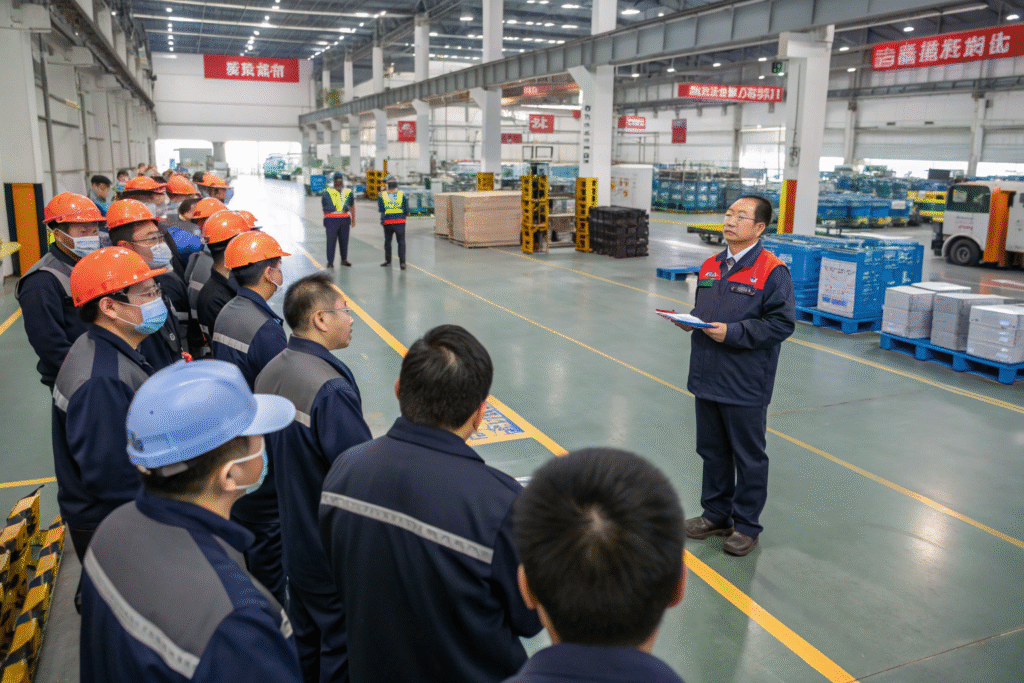
How do you train production staff on GRS requirements?
Our training approach includes:
- Initial certification training for all new hires during onboarding
- Quarterly refresher sessions with updates on procedure changes
- Multilingual materials since we employ staff from different regions
- Practical demonstrations showing correct vs. incorrect handling
- Regular testing to ensure knowledge retention
We've found that operators who understand the purpose behind procedures are 80% more likely to follow them correctly during busy production periods. The International Labour Organization's training guidelines inform our approach to workforce development.
What performance metrics reinforce GRS compliance?
We measure and reward GRS performance through:
- Zero contamination incidents as a key performance indicator
- Documentation accuracy rates tracked by department
- Audit preparedness scores from internal assessments
- Client satisfaction metrics specifically for GRS orders
Departments that maintain perfect GRS compliance for six consecutive months receive recognition and bonuses, creating positive reinforcement for careful work.
How Do You Manage GRS Across Partner Facilities?
Since we work with specialized dyeing, printing, and finishing partners, maintaining GRS integrity across our extended supply chain presented unique challenges that required systematic solutions.
Our partner facilities became an extension of our GRS management system through rigorous partner qualification, shared technology platforms, and regular joint audits. We don't just check their certificates—we verify their processes match our standards. This collaborative approach has turned our partners into true allies in GRS management rather than compliance risks.

What are your requirements for GRS partner facilities?
We maintain strict criteria for partners:
- Valid GRS certification with clean audit history
- Compatible tracking systems or willingness to adopt our platform
- Physical segregation capability that meets our standards
- Transparent communication about challenges or non-conformities
We recently had to replace a dyeing partner who repeatedly failed to maintain proper material separation, despite their GRS certificate being technically valid. The Partnership for Sustainable Textiles provides frameworks for such collaborative relationships.
How do you maintain visibility across external production?
We maintain control through:
- Shared digital platforms that give us real-time production visibility
- Dedicated quality inspectors stationed at partner facilities during GRS runs
- Batch sampling at each transfer point between facilities
- Joint problem-solving when issues arise
This system proved its value when we detected a potential mixing issue at an embroidery partner within hours, allowing us to isolate the affected batch before it contaminated other GRS materials.
Conclusion
Managing GRS across all production lines requires more than certification—it demands integrated systems, trained people, and a culture of precision that permeates every operation. At Fumao, we've built this capability through physical segregation protocols, digital tracking technology, comprehensive training, and extended partner management. The result is GRS production that's both compliant and commercially efficient.
The systems we've developed allow us to offer clients the assurance that their GRS certification will be maintained flawlessly, regardless of order size or complexity. If you're looking for a partner who treats GRS integrity as a operational imperative rather than a paperwork exercise, let's discuss how we can manage your GRS production needs. Contact our Business Director, Elaine, to learn more: elaine@fumaoclothing.com.




One Response
Alright guys, gotta say I’ve had some luck on Bigwin7! It’s got a cool vibe and the games are pretty engaging. I even managed to snag a few big wins. Give it a shot and see if you can hit it big! Check them out at bigwin7.