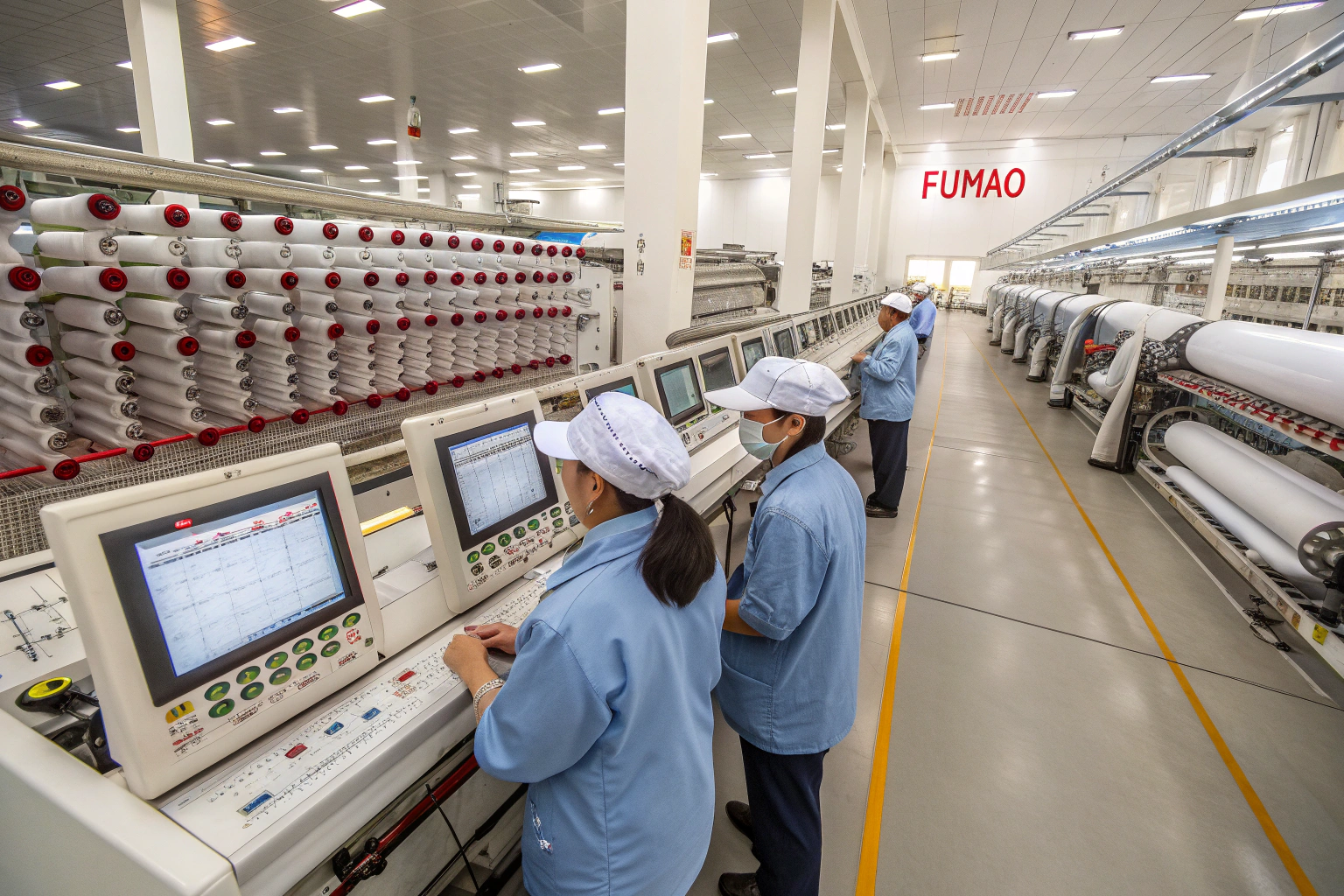
In 2022, a New York-based fashion brand placed their largest ever order with us: 150,000 meters of custom-developed organic cotton twill across twelve colors for their upcoming global collection. The buyer, let's call him Michael, had been burned before by inconsistent bulk orders—shade variations between rolls, shrinkage differences that ruined garment sizing, weight fluctuations that affected drape. He flew to Keqiao specifically to watch our production startup, visibly nervous about trusting such a massive order to a supplier halfway around the world. By the time he left three days later, after watching our systems in action, his only question was "Why haven't I been working with you guys from the beginning?"
Consistency in bulk fabric orders isn't just about quality control—it's about survival. One bad roll in a container of 200 rolls might seem like a 0.5% problem until that roll cuts into 500 garments and 50 customers return them. Then it's a brand reputation problem, a retailer relationship problem, a cash flow problem. I've seen otherwise successful labels nearly collapse because a supplier couldn't deliver consistent fabric across a season's production.
At Shanghai Fumao, consistency isn't something we hope for—it's something we engineer. With over 20 years in Keqiao, 40 dedicated professionals, and a CNAS-accredited lab on-site, we've built systems that catch problems before they become shipments. Let me walk you through exactly how we ensure that the fabric at the end of your production run matches the sample you approved months earlier.
What Quality Control Systems Prevent Inconsistencies Before Production Starts?
Most people think quality control happens at the end—inspect finished fabric, reject bad rolls, ship good ones. That's better than nothing, but it's reactive, not preventive. Real consistency comes from controlling the process before fabric even touches the loom.

How do raw material specifications prevent downstream variation?
Every inconsistency in finished fabric starts somewhere upstream. If your yarn diameter varies, your fabric weight varies. If your fiber source changes, your dye uptake varies. If your spinning tension fluctuates, your fabric strength varies. Controlling raw materials is the first line of defense.
For every bulk order, we start by establishing raw material specifications that go far beyond "100% cotton." We specify:
- Fiber origin: Which region, which growing season, which variety
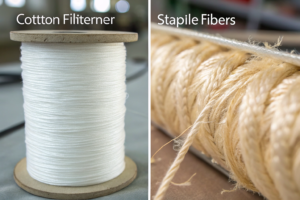
- Staple length: Minimum and acceptable range (for cotton, longer staple = stronger, smoother yarn)
- Micronaire: A measure of fiber fineness that affects dye uptake
- Strength: Minimum tensile strength for spinning performance
- Color: Raw fiber color (for naturals) that affects final shade
- Contamination limits: Maximum acceptable levels of foreign matter
When we sourced organic cotton for a German activewear brand in 2023, we specified Turkish cotton with minimum 28mm staple length and micronaire 4.0-4.5. The yarn spinner we work with had to document compliance for every bale used. When one batch tested at 3.8 micronaire (finer than spec), we rejected it and sourced replacement bales before spinning started. That rejection added two weeks but prevented the shade variation that finer fibers would have caused in dyeing. Raw material control prevents problems that inspection can't fix.
What role does lab dip approval play in bulk consistency?
Lab dips are your best friend and your worst enemy. Best friend because they let you approve color before production. Worst enemy because they create false confidence if not managed properly.
Here's the reality: a lab dip is made under perfect conditions—small sample, ideal chemistry, infinite adjustments. Bulk production happens under real conditions—larger volumes, continuous processes, normal variation. The gap between lab and bulk kills consistency.
We bridge this gap through a process we call "production-matching." Instead of just approving a lab dip, we also run a "bulk simulation" where we produce a small batch using actual production equipment, production chemistry, and production operators. The color from this simulation tells us what bulk will actually look like.
For a Swedish lingerie client in 2022, their lab dip looked perfect. Our bulk simulation revealed the color would shift slightly blue in production due to the specific water chemistry in our dye house. We adjusted the formula before bulk started, and the final fabric matched the lab dip exactly. Without that simulation, they'd have received 20,000 meters of slightly-off-color fabric. Bulk simulation catches what lab dips miss.
How do you verify production readiness before bulk starts?
Before a single meter of bulk fabric runs, we complete a "production readiness checklist" that covers:
- Raw material verification: Confirming all yarns meet specifications, with test reports
- Machine setup verification: Documenting that looms/knitting machines are configured correctly
- Operator training: Ensuring production staff understand the requirements
- First-piece inspection: Running a small batch, inspecting 100%, approving before full production
- Process parameters: Recording temperature, speed, tension settings for future reference
This checklist isn't paperwork—it's protection. When a French workwear client ordered 80,000 meters of heavy canvas in 2023, our checklist revealed that one of our looms had a slight tension variation that would have affected fabric weight. We reassigned production to different looms, delaying start by three days but ensuring consistent 12oz fabric throughout. Verification prevents variation.
How Does In-Process Monitoring Maintain Consistency During Production?
Once production starts, consistency isn't automatic—it's actively maintained. Our operators and quality teams monitor continuously, making adjustments before variations become defects.

What real-time monitoring technology do you use during weaving/knitting?
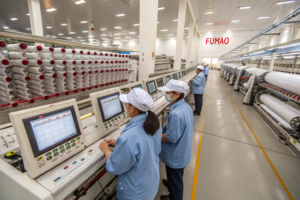
We've invested heavily in monitoring technology because catching problems early saves fabric, time, and money. Every production machine in our facility is connected to a central monitoring system that tracks:
- Machine speed: Variations indicate tension problems or mechanical issues
- Stop frequency: Frequent stops suggest yarn quality problems
- Fabric width: Real-time measurement with alerts if width drifts
- Fabric weight: Continuous monitoring with tolerance alerts
- Defect detection: Camera systems scanning for visual defects
When a Danish upholstery client ordered 120,000 meters of jacquard in 2022, our monitoring system flagged a slight width variation on one loom—about 1cm narrower than specification. We traced it to a tension issue on that specific machine, corrected it immediately, and inspected all fabric from that loom separately. About 3,000 meters were affected—we could have shipped them and hoped no one noticed. Instead, we downgraded them for a different use and re-wove the client's order on properly adjusted looms. The client never knew there was a problem, only that their fabric arrived perfectly on schedule. Real-time monitoring catches issues humans miss.
How do you manage dye lot consistency across long production runs?
Dye lot variation is the #1 consistency complaint in our industry. Fabric dyed on Monday doesn't match fabric dyed on Friday. It's normal—dye chemistry, water temperature, fabric tension all vary slightly—but "normal" doesn't help when your garments don't match.
We control dye lot consistency through:
-
Single-lot dyeing: For critical colors, we dye the entire order in one continuous run. This requires enough dyehouse capacity and precise planning, but eliminates lot-to-lot variation entirely.
-
Lot bridging: For orders too large for single runs, we produce "bridging lots"—extra fabric dyed to match the transition between lots. If Lot A ends and Lot B starts, we dye bridging fabric that matches both, giving cutters flexibility in spreading.
-
Digital shade monitoring: During dyeing, we use spectrophotometers to measure color continuously, adjusting formulas in real-time to maintain target.
-
Post-dye sorting: After dyeing, every roll is measured and sorted into shade groups. We don't guess—we measure and document.
For a UK fashion brand's 2023 spring collection, we dyed 200,000 meters across eight colors. Every roll was measured, and rolls within each color were grouped by ΔE (color difference) value. The cutting factory received shade group documentation and could plan spreading accordingly. Garments matched across the entire production run. Scientific shade control replaces guesswork.
What happens when variations are detected mid-production?
When our systems detect variation, we don't just note it—we stop and correct it. Every operator has authority to stop production if they see something wrong. Every quality alert triggers an investigation before production resumes.
The process:
- Detection: Operator or system flags variation
- Isolation: Affected fabric is clearly marked and set aside
- Investigation: Supervisor and quality team determine cause
- Correction: Machine adjusted, process modified, issue resolved
- Verification: Test run confirms correction worked
- Documentation: All steps recorded for future reference
- Resumption: Production continues with enhanced monitoring
In 2023, a Canadian outdoor brand ordered 60,000 meters of water-resistant nylon. Mid-production, our automated inspection flagged a small section with inconsistent coating application—about 200 meters total. We isolated it, traced the issue to a pump fluctuation, corrected it, and restarted. The 200 meters were downgraded and sold for non-critical use. The client received only perfect fabric, and never knew we'd had a problem. Stop-and-fix beats ship-and-hope every time.
How Does Final Inspection Verify Consistency Before Shipping?
Final inspection is the last line of defense. By the time fabric reaches this stage, we've already controlled raw materials, monitored production, and corrected variations. But we still inspect every meter because "trust but verify" applies to ourselves too.
What does 100% inspection actually mean in practice?
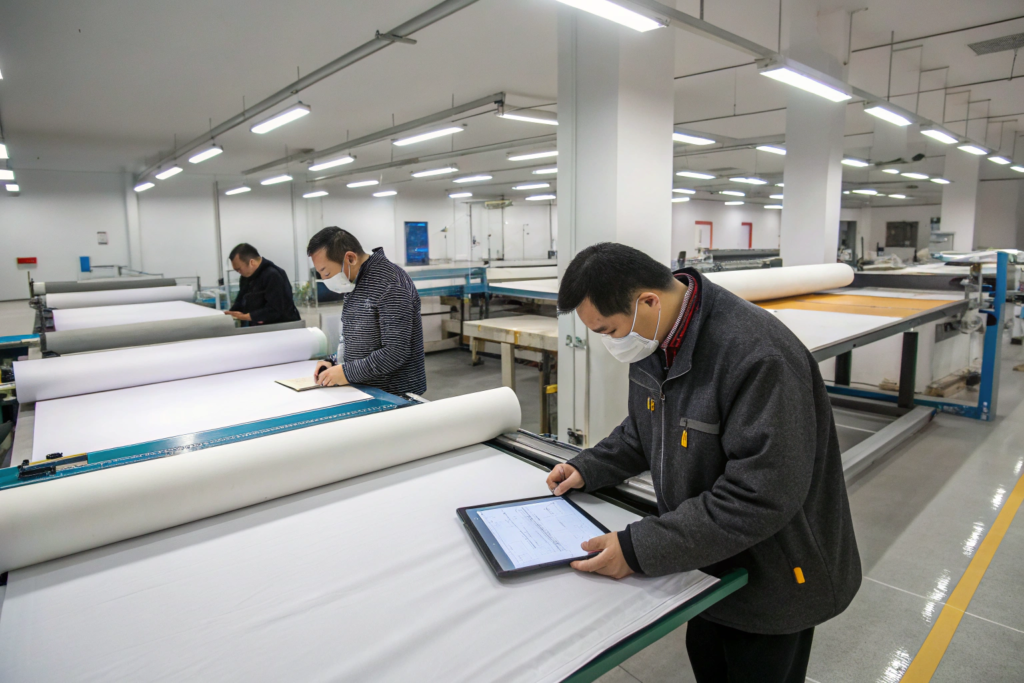
"100% inspection" sounds impressive, but it means different things to different suppliers. For us, it means:
-
Every roll is inspected: Not random sampling, not statistical process control—every single roll passes through inspection.
-
Full width examined: The entire fabric width is visible on illuminated tables, not just edges.
-
Both sides checked: For fabrics where both sides matter, we inspect both.
-
Measurement verified: Width, weight, and length are physically measured, not assumed.
-
Defects marked and quantified: Any defects are marked with tabs, counted, and recorded in the roll record.
-
Grade assigned: Each roll receives a grade based on points per 100 square yards (using ASTM D5430 or similar standards).
For a US uniform client in 2022, 100% inspection revealed a subtle weft bar in about 5% of rolls—a horizontal line visible only under certain lighting. It was technically within acceptable limits per industry standards, but the client's application (solid-color uniforms) would have shown it. We downgraded those rolls and re-wove replacement fabric. The client received 100% bar-free fabric. Thorough inspection catches what sampling misses.
How do you measure and document shade variation across rolls?
Shade variation is the most common consistency complaint, so we measure it systematically:
-
Master standard: Every color has a physical master standard and digital measurement data.
-
Production standard: At production start, we create a production standard roll that represents the actual acceptable color for that run.
-
Roll-by-roll measurement: Every roll is measured against the production standard using spectrophotometers, with ΔE values recorded.
-
Shade sorting: Rolls are sorted into shade groups (typically A, B, C) with documented ΔE ranges.
-
Documentation: Shade sort information is provided to clients, allowing cutting rooms to plan spreading by shade group.
For a Zara supplier in 2023, we delivered 180,000 meters of viscose fabric with complete shade documentation. Their cutting room received rolls sorted by shade and could plan production to ensure matching components. They reported zero shade-related garment rejects. Documentation enables informed cutting decisions.
What happens to fabric that doesn't meet specifications?
Not every meter we produce makes it to shipment. When fabric fails to meet specifications, we have clear protocols:
-
Segregation: Non-conforming fabric is immediately separated and clearly marked.
-
Evaluation: Quality team assesses whether it can be reworked, downgraded for different use, or must be scrapped.
-
Disposition decision: Based on client agreement, we either:
- Rework (if possible and approved)
- Offer as seconds (with full disclosure)
- Recycle or dispose
-
Documentation: All non-conforming material is documented, with reasons and disposition recorded.
-
Root cause analysis: For significant failures, we investigate and implement corrective actions.
In 2022, a batch of organic cotton jersey for a German client developed subtle dye migration during finishing—about 15,000 meters affected. The fabric was technically usable but didn't meet our standards for that client. We offered it as seconds to a different market (with full disclosure), replaced the client's fabric with new production, and investigated the cause. The issue traced to a change in our water softening system—corrected before next production. Transparency about failures builds trust.
What Role Does Documentation Play in Long-Term Consistency?
Consistency isn't just about today's order—it's about next season's order matching last season's. Documentation bridges the gap between production runs, ensuring that fabric ordered 12 months apart still works together.
What production records do you maintain for future reference?
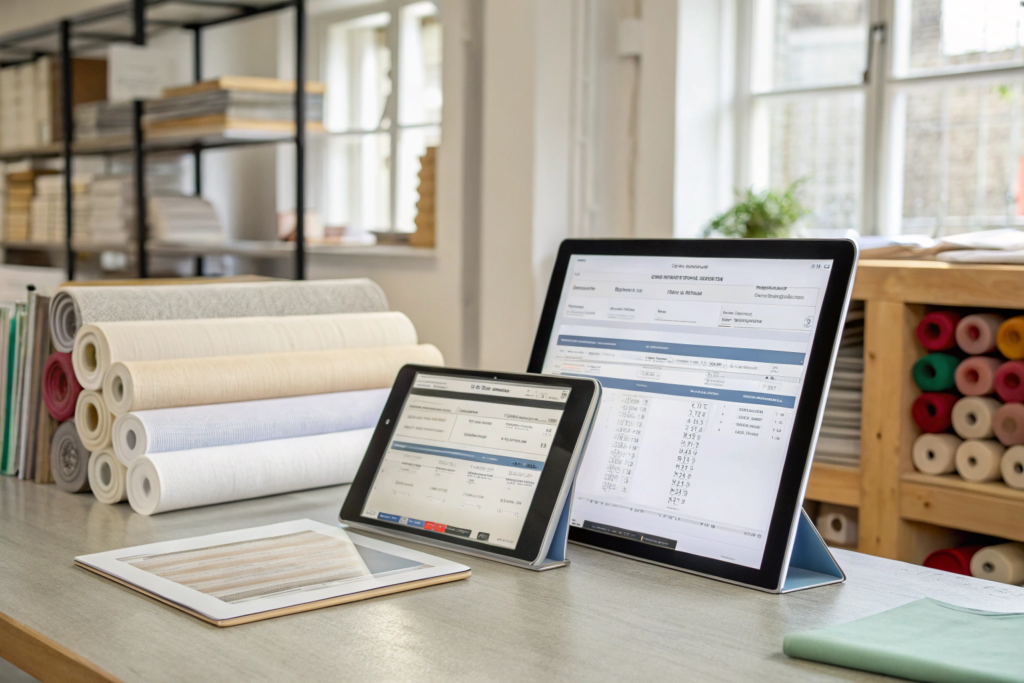
Every order generates documentation that we retain indefinitely:
- Raw material certificates: Fiber origin, yarn specs, test reports
- Machine settings: Loom/knitting machine configurations for repeat orders
- Process parameters: Temperatures, speeds, tensions, chemical formulas
- Quality data: Inspection results, shade measurements, defect records
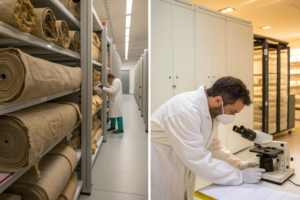
- Sample archive: Physical samples from production, retained for reference
When a British heritage brand reordered a fabric they'd first purchased in 2021, we pulled the original documentation—machine settings, dye formulas, inspection criteria—and reproduced the fabric identically. The new fabric matched the original within acceptable tolerances despite an 18-month gap. Records make repeats repeatable.
How do you handle color matching for reorders?
Color re-matching is one of the hardest consistency challenges. Even with perfect records, dye chemistry changes, water sources vary, and base materials differ slightly between seasons.
Our process for reorders:
- Retrieve original data: Pull dye formula, production records, and physical samples
- Assess current materials: Test current yarns and water chemistry for changes
- Adjust formula: Modify dye formula to compensate for material differences
- Produce strike-off: Run lab dip and compare to archived sample
- Adjust and approve: Iterate until match is acceptable
- Document changes: Record new formula for future reference
For a Japanese uniform client in 2023, we matched a navy blue fabric first produced in 2019. The original yarn source had changed (Turkish cotton instead of US cotton), requiring formula adjustments. After three rounds of lab dips, we achieved ΔE <0.5—imperceptible difference. The client's new uniforms matched their existing inventory perfectly. Re-matching is science, not guesswork.
What information do you provide clients for their own quality control?
We don't keep documentation to ourselves—we share it with clients so they can verify quality on their end:
- Inspection certificates: Summary of inspection results for each shipment
- Shade sort data: Roll-by-roll shade measurements and groupings
- Test reports: CNAS-accredited test results for key properties
- Lot numbers: Complete traceability from finished fabric back to raw materials
- Care instructions: Verified washing and handling recommendations
When a Canadian brand's quality team audited our documentation in 2023, they traced a single roll back to the specific cotton bales used in its production. That level of traceability gave them confidence that our systems work. Transparency turns suppliers into partners.
The systems we've built at Shanghai Fumao didn't appear overnight. They've evolved over 20 years, shaped by client requirements, quality failures, and continuous improvement. Every rejected shipment taught us something. Every satisfied client showed us what we were doing right. Every new requirement pushed us to get better.
Today, our consistency rate—the percentage of orders that ship without quality-related issues—exceeds 98%. That's not perfect, but it's as close as any supplier I know. And when issues do occur, we catch them before shipment 90% of the time.
The brands that work with us long-term learn to trust our systems. They know that fabric from the first roll will match fabric from the last. They know that colors will be consistent across production runs. They know that weights, widths, and hand feels will meet specifications. That trust isn't given—it's earned, order by order, year by year.
Conclusion
Ensuring consistency in large bulk fabric orders requires systematic control from raw materials through final inspection. Raw material specifications prevent problems before production starts. Lab dip approvals with bulk simulation bridge the gap between sample and production. In-process monitoring catches variations in real-time. 100% final inspection verifies every meter. Comprehensive documentation makes repeats repeatable.
The cost of inconsistency is measured in returns, rush replacement orders, damaged brand reputation, and lost customer trust. The investment in consistency—better systems, more testing, thorough inspection—pays for itself many times over in prevented problems.
If you're tired of fabric orders that vary from roll to roll, from shipment to shipment, I invite you to experience how we do things at Shanghai Fumao. Our systems are designed for brands that demand consistency—whether you're ordering 1,000 meters or 100,000 meters. Contact our Business Director, Elaine, directly at elaine@fumaoclothing.com. Tell her about your quality requirements, your past frustrations, and your expectations. She'll connect you with our quality team, and we'll show you how consistency becomes predictable, not accidental.
Because your brand deserves fabric you can count on. Every roll, every time.