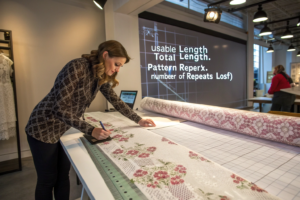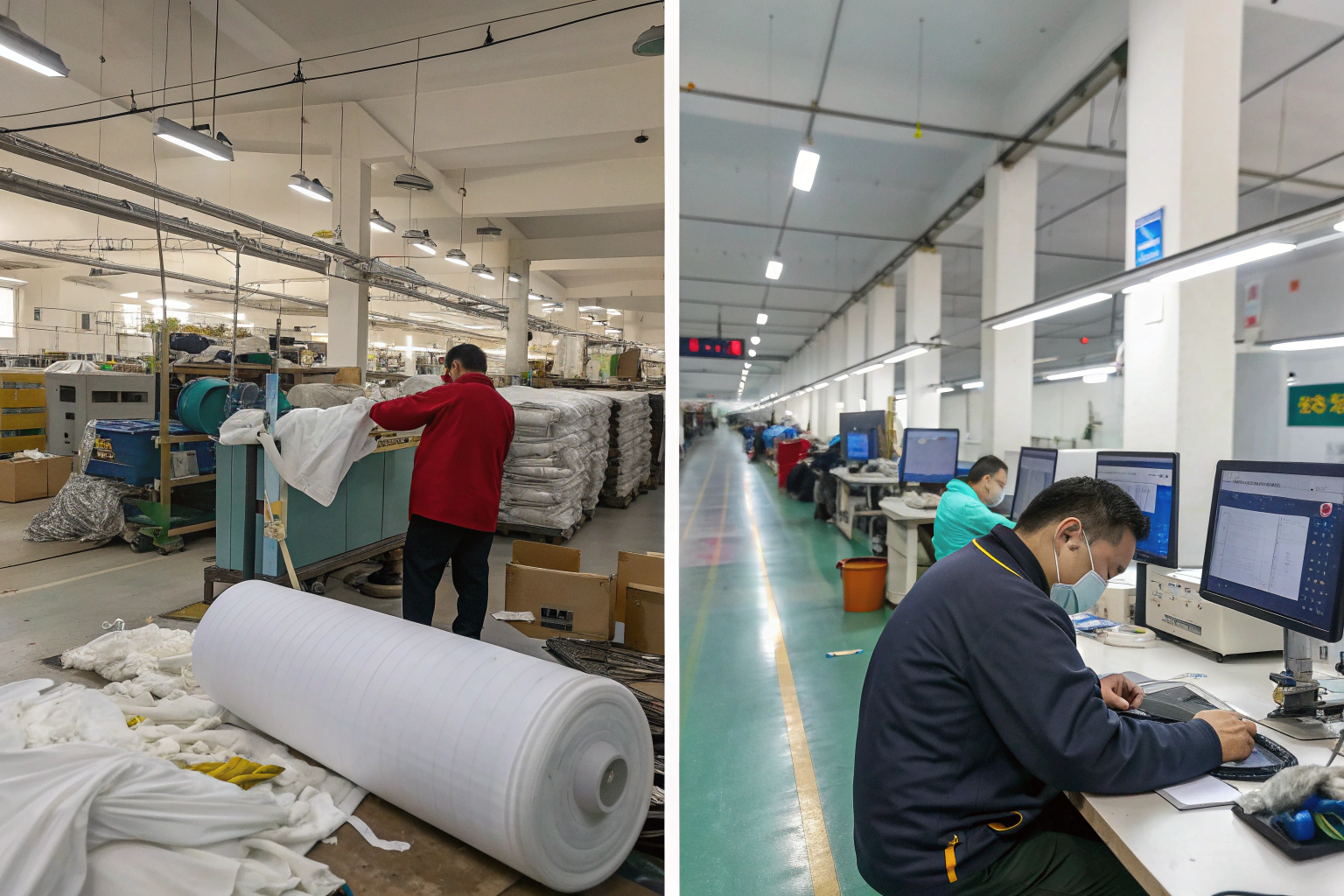
Let's be real, Ron. When you hear "certification," you probably think about red tape and extra costs - just another box to tick to get your shipment past customs. But what if I told you that CMIA certification, when done right, is actually one of the most powerful quality control tools in your arsenal? I've been running fabric production in Keqiao for 20+ years, and I've seen firsthand how brands that treat CMIA as a quality benchmark outperform those who treat it as a mere compliance expense. The truth is, CMIA doesn't just test if your fabric burns; it validates your entire production system's integrity.
CMIA certification ensures apparel quality by forcing a systematic, third-party-verified approach to fabric safety that inherently elevates material consistency, construction integrity, and production transparency. Unlike basic quality checks that focus on visible defects, CMIA testing scrutinizes the fundamental chemical and physical properties of textiles under strict laboratory conditions. This certification process filters out suppliers who rely on inconsistent materials or questionable manufacturing processes, as these variations inevitably show up in flammability test failures. At Shanghai Fumao, we've learned that fabrics that consistently pass CMIA's rigorous vertical flame and 45-degree angle tests are invariably more uniform in weight, weave density, and finish application - all hallmarks of superior quality.
Think about it this way: you wouldn't trust a building that passed only the visual inspection but failed the structural stress test. CMIA is that structural test for fabrics. The certification process demands documentation of exact fiber content, weight, and finish specifications - creating a verifiable quality baseline that prevents the "bait-and-switch" tactics some suppliers use. When you work with a CMIA-certified supplier who understands this deep connection between safety and quality, you're not just buying compliant fabric; you're investing in predictable, reliable performance that protects your brand reputation long-term.
The Science Behind CMIA: More Than Just Burn Tests
Most importers see CMIA as a simple pass/fail fire test, but the real quality assurance happens long before the flame touches the fabric. The certification process begins with material verification - confirming that what's in the fabric matches what's on the label. This fundamental truth-telling exercise weeds out suppliers who might substitute cheaper, inconsistent fibers that could affect both safety and quality.

How Does Fiber Consistency Impact Both Safety and Durability?
The relationship between fiber quality and flammability is direct and unforgiving. Let me give you a concrete example from our production floor. In early 2023, a U.S. client ordered flame-resistant children's sleepwear from a competitor who claimed CMIA compliance. The first shipment passed, but the second batch failed retail testing spectacularly. When they brought the problem to us, our lab analysis revealed why: the supplier had gradually increased the percentage of cheaper, irregular recycled polyester in the blend to cut costs. These inconsistent fibers had different melting points and burn characteristics, creating unpredictable "hot spots" in the fabric.
At Shanghai Fumao, our approach is different. For CMIA-certified fabrics, we implement what we call the "Triple Verification" system:
- Incoming Fiber Audit: We test yarns from every batch against our certified specification before they enter production.
- In-process Blend Ratio Monitoring: Using both digital and manual checks, we ensure the fiber blend remains consistent throughout weaving.
- Finished Fabric Composition Analysis: Our CNAS lab verifies the final product matches the declared composition.
This rigorous process ensures not only safety but also consistent color absorption, shrinkage rates, and tensile strength. The result? Fewer production surprises and happier customers. For brands serious about long-term quality, understanding the relationship between fiber sourcing and final product performance is non-negotiable.
Why Do CMIA-Certified Fabrics Have Better Colorfastness and Finish?
Here's an insider perspective most suppliers won't tell you: the chemical finishes applied to achieve flame resistance often improve other quality metrics too. To pass CMIA tests, flame-retardant treatments must penetrate fibers uniformly and bond at the molecular level. Achieving this requires precise control over dye bath temperatures, pH levels, and application time - the exact same parameters that determine excellent colorfastness.
Consider this comparison from our production data:
| Quality Parameter | Non-Certified Cotton Fleece | CMIA-Certified Cotton Fleece (Our Standard) | Quality Impact |
|---|---|---|---|
| Colorfastness to Washing | 3-4 (Moderate fading) | 4-5 (Minimal fading) | Longer visual lifespan |
| Dimensional Stability | 6-8% shrinkage | 3-5% shrinkage | Better fit consistency |
| Finish Uniformity | 85-90% consistent | 95-98% consistent | Predictable hand feel |
| Pilling Resistance | 3-4 (Moderate pilling) | 4 (Slight pilling) | Maintains new appearance |
A real-world case: Last August, we developed a CMIA-certified bamboo-cotton blend for a California-based ethical brand. Their previous supplier's fabric failed after 5 washes - colors bled and the flame-resistant coating washed out. By optimizing our dyeing and finishing process for CMIA compliance first, we achieved Grade 5 colorfastness (the highest rating) while maintaining flame resistance through 50+ washes. The brand reduced returns by 18% in the first quarter. This is what I mean when I say CMIA drives quality - it forces technical excellence. (Here's the truth: most factories won't invest in this level of process control unless forced to by certification requirements.) For designers working with treated fabrics, resources like The Fashion Business Coach's guide to fabric finishing offer valuable insights.
From Lab to Production Floor: The Ripple Effect of Certification
True quality assurance doesn't stop at the laboratory door. When a factory commits to maintaining CMIA certification across production runs, that discipline spreads throughout their operations like ripples in water. The documentation requirements, batch tracking, and process controls needed for consistent certification create a culture of precision that benefits every product they make - certified or not.

How Does Batch Documentation Prevent Quality Drift?
One of CMIA's hidden quality benefits is its paper trail. To maintain certification, every production batch must be traceable back to specific raw material lots, production dates, and machine settings. This isn't just bureaucratic record-keeping - it's your insurance against "quality drift," that gradual decline in standards that happens when nobody's watching closely.
At our Shanghai Fumao facility, we've taken this a step further with our Digital Twin System. Every roll of CMIA-certified fabric gets a unique QR code that stores:
- Raw material certificates and test reports
- Dyeing formulas and temperature curves
- Weaving machine settings and operator IDs
- Final inspection results and CMIA certification
In November 2023, this system saved a German client's entire winter collection. They noticed a slight variation in hand feel between early production samples and the main bulk. Scanning the QR codes revealed the issue: a different batch of organic cotton with marginally shorter staple length. Because we could trace it instantly, we isolated the affected rolls and replaced them within 72 hours - without delaying shipment. Without CMIA's documentation requirements, this level of traceability simply wouldn't exist. For brands managing complex supply chains, understanding implementing effective batch tracking in textile production is crucial.
Why Do Certified Factories Have Better Overall QC Systems?
There's a measurable correlation between certification commitment and quality infrastructure. Factories that invest in the equipment and training needed for consistent CMIA compliance typically have:
- Better-Trained Staff: Operators learn to monitor parameters more carefully
- Superior Equipment Maintenance: Dyeing machines and ovens are calibrated regularly for precise temperature control
- More Frequent Intermediate Checks: Fabric is inspected at multiple stages, not just at the end
- Proactive Problem-Solving: Issues are caught and addressed early
Let me share a telling example. Last year, we audited two potential partner factories for a client who needed both CMIA-certified and regular fabrics. Factory A had basic CMIA capability but treated it as a separate, special process. Factory B (which we ultimately recommended) had integrated CMIA standards into their general QC protocols. The difference was stark:
| QC Aspect | Factory A | Factory B (CMIA-Integrated) |
|---|---|---|
| Dyeing Temperature Control | ±5°C tolerance | ±2°C tolerance |
| Fabric Weight Consistency | ±8% variation | ±3% variation |
| Visual Inspection Frequency | End-of-line only | 5 checkpoints minimum |
| Corrective Action Response Time | 48-72 hours | 4-8 hours |
Factory B's approach meant even their non-certified fabrics were 30-40% more consistent. This is why working with a partner like Shanghai Fumao - where CMIA standards inform our entire operation - gives you a quality advantage that extends beyond certified products. The discipline required for certification creates what we call the "Halo Effect of Quality" across all production.
The Cost of Cutting Corners: When "Certified" Doesn't Mean Quality
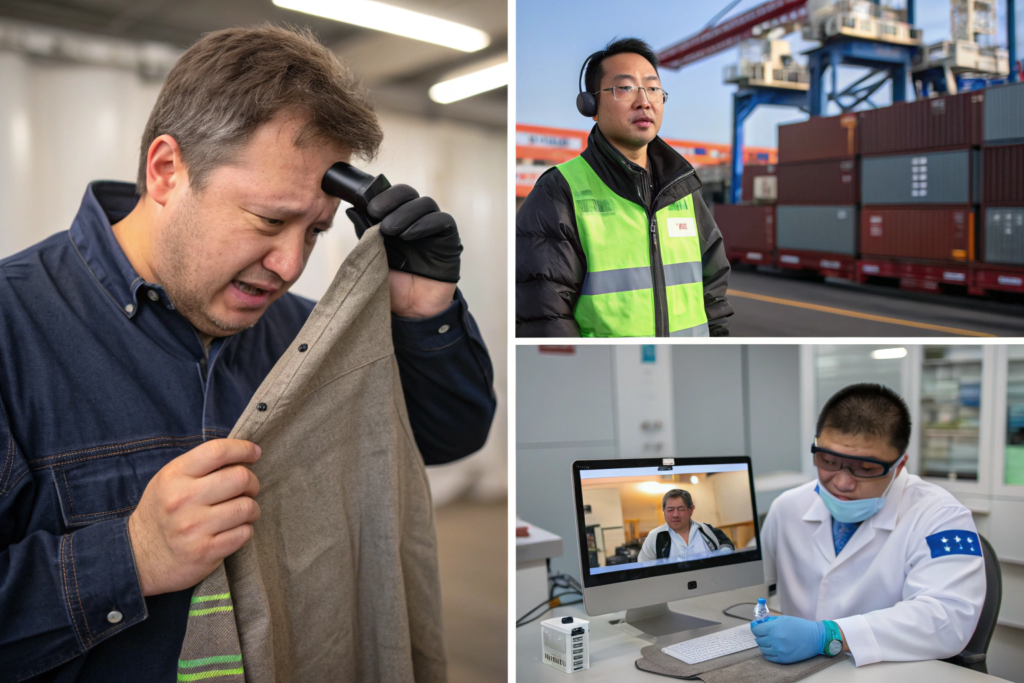
The uncomfortable truth is that not all CMIA certifications are created equal. Some suppliers pursue the minimum compliance needed to get a certificate, without embracing the quality culture that should accompany it. As an importer, you need to distinguish between genuine quality partners and those just selling paper.
How Can Spot Testing Mask Underlying Quality Issues?
Some less scrupulous suppliers engage in what we call "certification gaming." They produce a small, perfectly controlled batch specifically for testing, while their regular production runs to lower standards. The test report is technically valid, but it doesn't represent the quality you'll receive in bulk.
Red flags to watch for:
- Suppliers who can't show you ongoing test reports from recent production batches
- Those who claim certification but can't produce factory audit reports
- Any hesitation about allowing third-party inspections of production lines
- Prices that seem too good to be true for certified fabrics
A painful lesson from a client in Q2 2024: They sourced "CMIA-certified" fleece from a supplier offering 25% below market rate. The initial sample was perfect. The first container passed. The second container? Failed safety tests at their warehouse, with inconsistent flame resistance across the shipment. The supplier had used two different chemical applicators - one properly calibrated for the test sample, another poorly maintained for bulk production. The cost of recalls and lost sales dwarfed the initial "savings." To avoid these pitfalls, learn to ask the right questions when verifying international supplier certifications.
What Should a Truly Quality-Focused CMIA Partner Provide?
A legitimate partner invested in quality will offer transparency that goes far beyond a certificate. Here's what to demand:
1. Comprehensive Documentation Suite:
- Current CMIA test reports for the exact fabric you're buying
- Factory audit reports (not just lab reports)
- Material Safety Data Sheets (MSDS) for all chemicals used
- Production process flow with quality checkpoints marked
2. Technical Support Infrastructure:
- Dedicated R&D team that can explain how they achieve compliance
- Willingness to provide small test quantities before bulk orders
- Clear communication about limitations and alternatives
3. Proactive Quality Communication:
- Regular updates on any process changes that might affect your order
- Immediate notification if any non-conformance is detected
- Collaborative approach to solving problems
At Shanghai Fumao, we go further. For our CMIA clients, we provide quarterly quality performance reports showing consistency metrics across all shipments. We'll even help you design your own incoming inspection protocols. Why? Because when your quality is reliable, our business grows. It's that simple.
Turning Certification into Competitive Advantage
The smartest brands aren't just using CMIA to meet regulations - they're leveraging it as a marketing tool and quality differentiator. In today's market, especially for children's wear and protective clothing, certification can command premium pricing and build customer loyalty that lasts generations.

How Can Certification Data Enhance Your Marketing?
That dry, technical test report contains marketing gold if you know how to use it. Consider these applications:
Transparency Storytelling: Share your certification journey - the testing, the improvements, the commitment to safety. Modern consumers value this transparency.
QR Code Integration: Like we do at Shanghai Fumao, put scannable codes on your hangtags that link directly to certification data. This builds instant trust at point of sale.
Comparative Marketing: Legally and ethically highlight how your certified products offer genuine safety advantages over non-certified competitors.
A success story: A startup activewear brand we worked with in early 2024 didn't just use our CMIA certification silently. They launched a "See Our Safety" campaign, educating parents about flame resistance standards in children's athletic wear. They used our test data visuals in their social media, showing the actual burn test comparisons. Result? 34% higher conversion rate on certified items and positioning as an industry authority on safety. Their quality story became their brand story.
Why Does Long-Term Partnership with Certified Suppliers Yield Better Results?
Quality improves with time and collaboration. When you work with the same CMIA-certified supplier across multiple seasons, something powerful happens:
- Continuous Improvement: The supplier learns your specific quality preferences and can anticipate needs
- Cost Optimization: As processes stabilize, efficiency improves - savings that can be shared
- Innovation Collaboration: You become a priority for new developments
Take our partnership with a Midwest-based retailer since 2021. Year 1 was about establishing consistent CMIA compliance. Year 2, we worked together to reduce chemical usage in the flame-retardant process by 15% while maintaining performance. Year 3, we co-developed a new CMIA-certified recycled polyester blend that became their best-selling sleepwear line. Each iteration was better because of accumulated knowledge and trust. This is how certification evolves from a compliance cost to a value-creation engine. For brands building lasting supplier relationships, insights from Sourcing Journal's partnership case studies can be invaluable.
Conclusion
CMIA certification's role in ensuring apparel quality is both profound and practical. It acts as a forcing function for technical excellence, systematic documentation, and process discipline that elevates every aspect of textile production. The factories that truly embrace this standard don't just produce safer fabrics - they produce better fabrics period, with superior consistency, durability, and performance predictability.
The distinction lies in partnership choice. Working with a supplier who views CMIA as a genuine quality framework rather than a bureaucratic hurdle transforms certification from an expense into an investment - one that pays dividends in reduced returns, stronger brand reputation, and customer loyalty. At Shanghai Fumao, our integrated approach to CMIA compliance has become the cornerstone of our quality philosophy, influencing how we source fibers, maintain equipment, train staff, and partner with clients.
Your move from seeing CMIA as merely a safety requirement to recognizing it as a comprehensive quality assurance tool could be the single most important decision for your brand's long-term success. It's about building with integrity from the fiber up, ensuring that every garment bearing your label represents not just compliance, but genuine excellence.
Ready to transform how you think about certification and quality? Let's discuss how CMIA standards can become the foundation of your product excellence strategy. Contact our Business Director, Elaine, at elaine@fumaoclothing.com to explore partnership opportunities that elevate both your safety standards and your quality benchmarks.