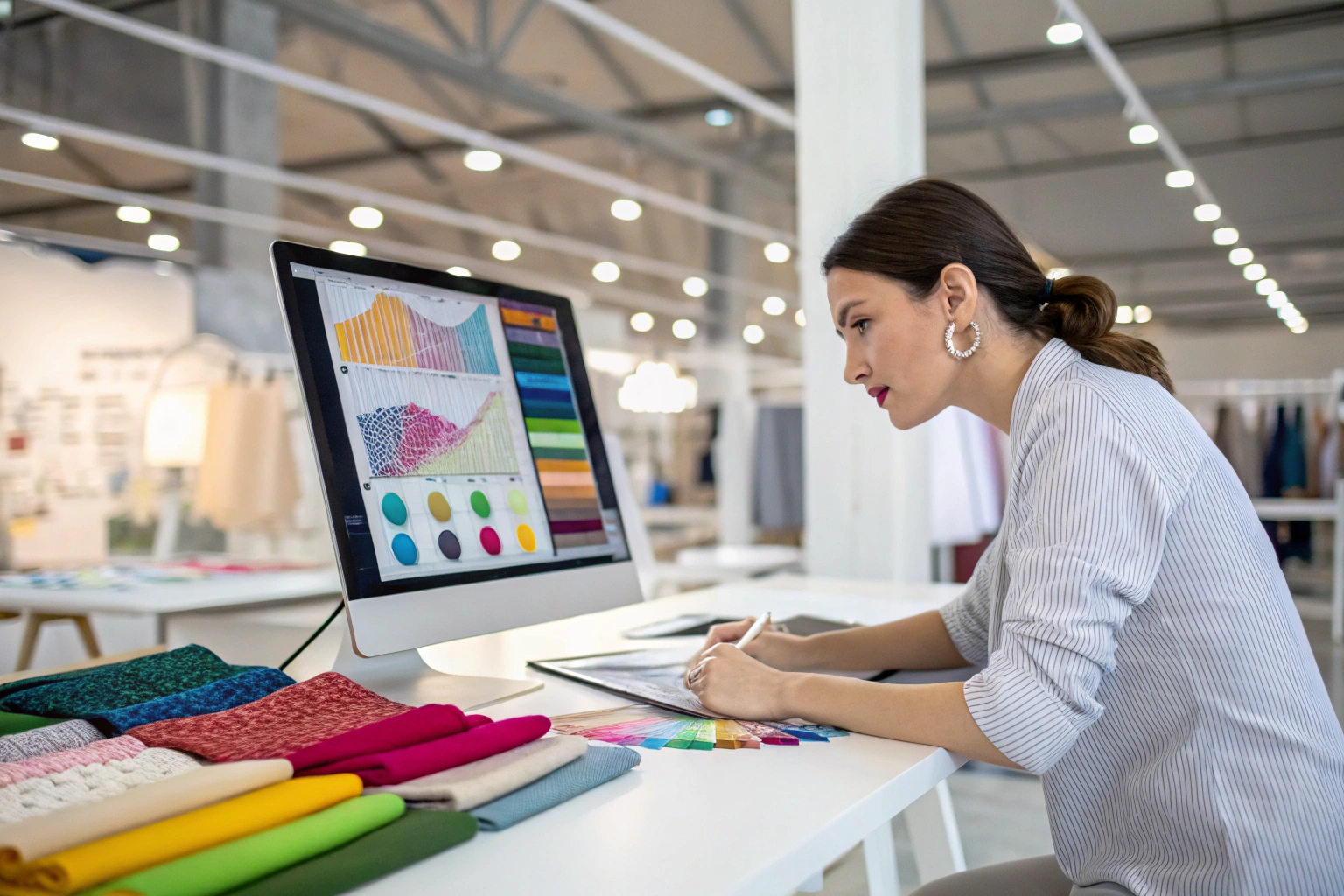
Keeping your finger on the pulse of fashion trends is tough. You see a color or texture exploding on social media, and by the time you source the fabric and get samples, the moment might have passed. The traditional cycle is too slow. The real question is: how can we, as fabric suppliers, not just react to trends, but predict and develop materials faster than the season turns? The answer is increasingly coming from algorithms and data, not just intuition. At Shanghai Fumao, we've integrated AI into our core R&D to bridge this gap for our global partners.
AI is revolutionizing fabric trend forecasting and development by analyzing massive datasets from social media, e-commerce, and past sales to predict colors, textures, and functional demands with high accuracy. This data-driven approach allows for proactive material innovation, drastically reducing sampling time and aligning production with real-time market signals, ultimately minimizing inventory risk and speeding time-to-market. For brands and manufacturers, partnering with an AI-equipped supplier means moving from chasing trends to setting them with precisely engineered fabrics.
This isn't about replacing human designers; it's about empowering them with superhuman insight. Let me pull back the curtain on how this technology works in the real world of textile mills and how it translates into tangible benefits for your next collection.
How does AI predict the next big fabric trend?
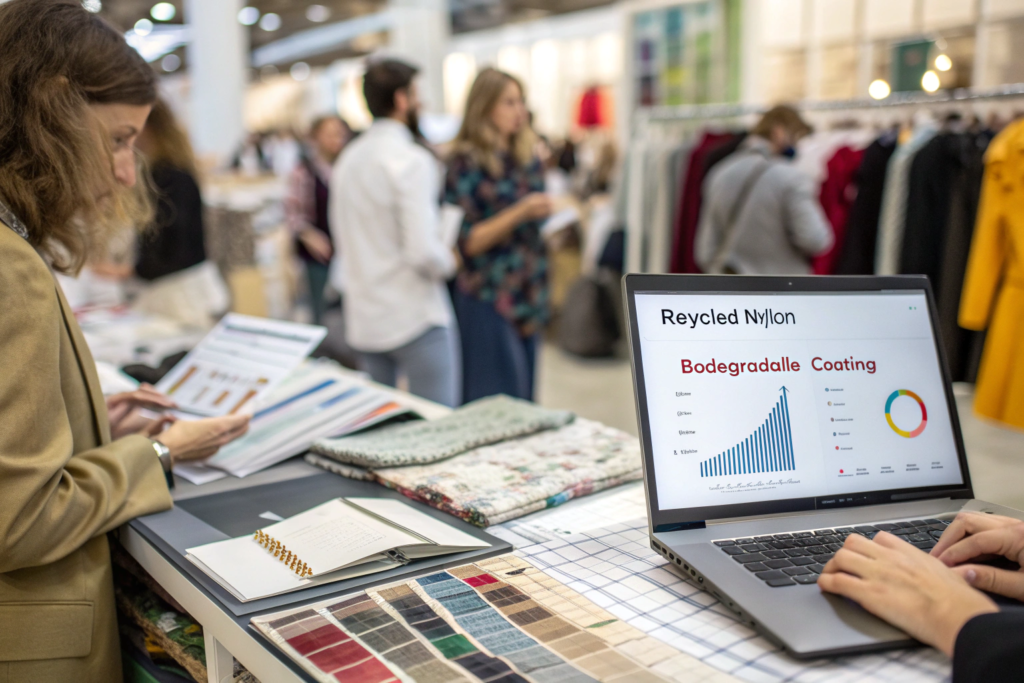
We all know the old way: a few big names at fashion weeks dictate the trends. Today, trends bubble up from TikTok, Instagram, and online stores globally. AI's power lies in consuming this ocean of data. It scans millions of images, posts, search queries, and even garment reviews to identify emerging patterns. It's not just looking for "pink"; it's identifying "dusty rose mohair texture" as a rising combo in knitwear across European micro-influencers. This gives us a 6-9 month head start on conventional forecasting.
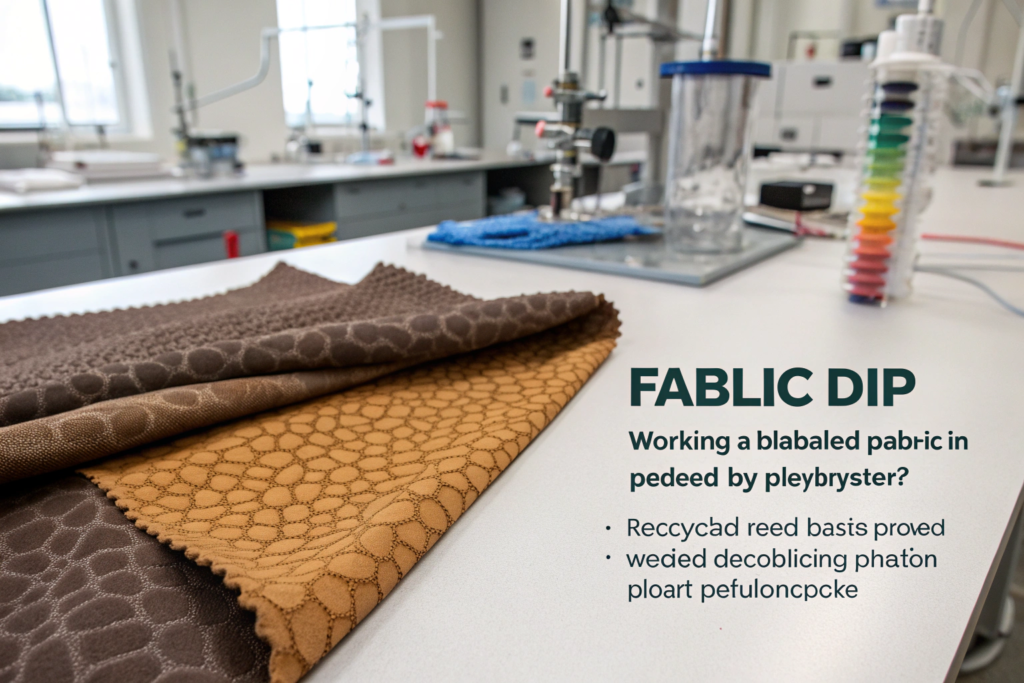
For example, our AI tools flagged a sustained surge in searches for "cactus leather alternatives" and "textured vegan suede" in the Q3 of 2023 across North American and EU sustainable fashion forums. This wasn't yet a mainstream trend report item. Based on this signal, our R&D team prioritized developing a new blended fabric using recycled polyester and plant-based polymers to mimic that desirable, pebbled suede hand-feel. By the time major trend agencies highlighted "biomorphic textures" for Fall/Winter 2024, we already had lab dips and working samples ready. A sportswear startup from Germany found us through a blog post on sustainable material innovation for performance wear and secured this exclusive fabric for their launch line, beating their competitors to market.
What data sources does AI analyze for fabric forecasts?
AI doesn't guess; it learns from diverse, real-time data streams. First, it processes visual data from social media (Pinterest pins, Instagram Reels) and runway images using computer vision to extract dominant colors, patterns (like stripes or florals), and fabric drapes. Second, it analyzes textual data from search engines (Google Trends), e-commerce product descriptions, and customer reviews. A spike in reviews complaining about "static in polyester blends" can trigger development in anti-static finishes. Third, it crunches historical sales data from our own Shanghai Fumao platform and partners, identifying which fabric compositions (e.g., Tencel™-cotton vs. pure cotton) are gaining sustained purchase volume. For those navigating this data-rich landscape, resources like the Textile Institute's publications on smart textile analytics offer deeper dives into methodology. Crucially, we also integrate proprietary data from our CNAS lab, tracking which technical properties (e.g., moisture-wicking rates, stretch recovery) are most requested, turning performance data into a forecast tool.
How accurate are AI-driven fabric predictions compared to traditional methods?
The accuracy isn't about a single "right or wrong" prediction but about probability and reducing risk. Traditional forecasting, based on human observation and historical cycles, has inherent bias and lag. AI provides a probabilistic model: it might show an 85% confidence level for "ochre yellows" in heavy cottons for next Fall, but only a 40% level for "metallic linens." This quantifiable confidence allows for smarter resource allocation. We focus our rapid sample development on high-probability trends. In a 2023 internal benchmark, our AI-driven proposals for Spring/Summer 2024 color palettes matched 78% of the colors later confirmed by key trend bureaus, while our traditional team's early proposals matched 65%. More importantly, our AI identified two niche but fast-rising texture trends (crinkled gauze and glass-effect taffeta) that the traditional reports missed entirely, which became bestsellers for several of our boutique clients in Los Angeles. For industry professionals weighing these approaches, forums like Fashion-Incubator's discussions on tech in sourcing provide practical peer perspectives.
Can AI accelerate new fabric development and sampling?
Absolutely, and this is where the rubber meets the road. Knowing a trend is one thing; having the physical fabric ready for your production timeline is another. AI dramatically compresses the development phase. It does this by simulating outcomes and optimizing the "recipe" before a single thread is spun. Think of it as a high-speed, digital prototyping lab.
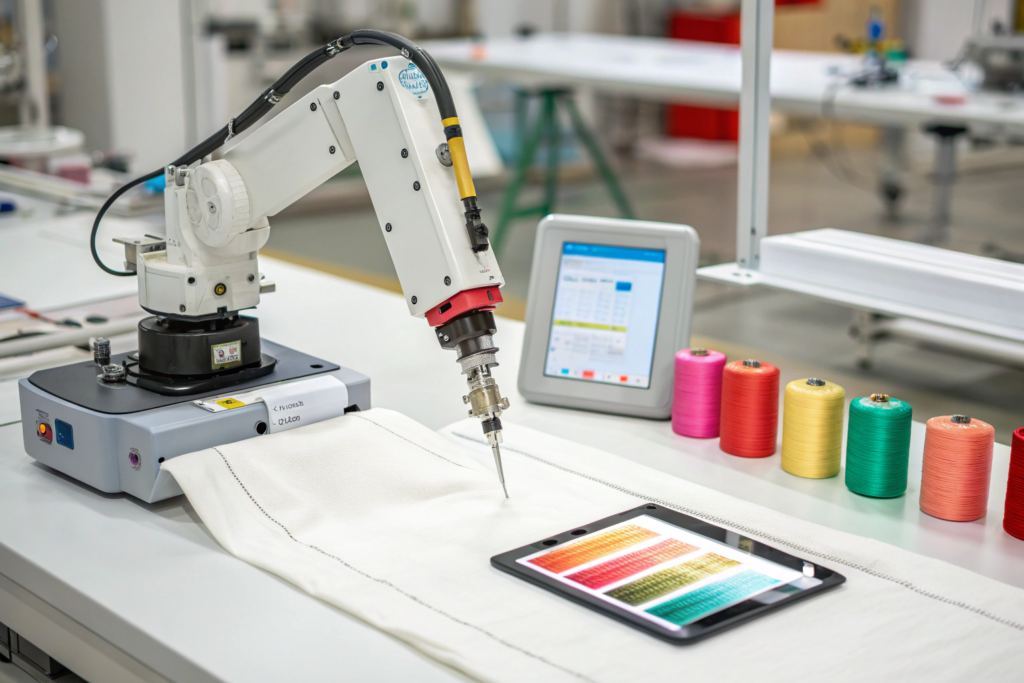
Here's a real case: In April 2023, a US-based activewear brand came to us with a tough challenge. They needed a high-compression, squat-proof legging fabric with a brushed, cozy inner feel but a sleek outer appearance—a technical blend usually needing 12 weeks of R&D. Using AI material simulation tools, we input the target properties: compression force, vertical stretch %, fiber composition parameters, and desired surface texture. The AI suggested several polymer blend ratios and knitting structures. We physically developed only the top 3 AI-recommended prototypes. One hit all the key metrics perfectly on the first lab test. We delivered a fully tested working sample in 3 weeks, not 12. The brand's head of sourcing said it was "like time-travel." (Here I have to interject, our development speed is truly a game-changer). This capability is central to our promise as your leading wholesale fabric manufacturing supplier in Asia.
How does AI assist in the technical fabric development process?
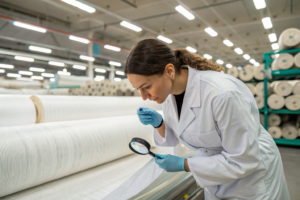
The process starts with the "design brief" translated into technical parameters. Let's say the trend is for "waterless dyeing" and "compostable textiles." Our AI cross-references these concepts with global patent databases, scientific material journals, and supplier catalogs to suggest viable base fibers and dyeing techniques. It can then model how different combinations will perform. For instance, if we're developing a new how to source GOTS certified organic cotton from China blend with enhanced durability, the AI can predict the tear strength and pilling resistance based on yarn twist, blend percentage, and weave density from historical test data. This saves countless physical trials. We also use AI in our CNAS lab, where image recognition software analyzes fabric under microscopes to automatically detect even micro-level defects or inconsistencies in dye penetration faster than any human eye. For developers wanting to understand the technical backbone, resources like Masterclass: Textile Testing and Quality Control explain these foundational principles.
What is the impact on sampling speed and cost reduction?
The impact is direct and massive. Traditionally, developing a new fabric could involve 15-20 sample iterations, each taking 1-2 weeks and costing hundreds of dollars in materials and labor. AI cuts this to 3-5 targeted iterations. Our standard is now a 48-hour initial sample turnaround for many categories because the AI has already narrowed the path. This isn't just about saving us money; it's about saving you, the client, critical calendar time. A European fast-fashion brand working with us leveraged this to execute a "test-and-react" strategy. They could order 5 small-batch, AI-proposed trend fabrics, produce limited runs, and gauge online sales data before committing to bulk. Their unsold inventory rate dropped by an estimated 30% for those collections. For startups, this makes small-batch customization financially viable. Discussions on how to manage sampling costs with overseas suppliers often highlight this as a key negotiation point, and AI provides the structural efficiency to make it happen.
How do AI forecasts optimize production planning and inventory?
This is the silent superpower of AI integration. A brilliant fabric is useless if it's stuck in a production queue during Chinese New Year or if you order 50,000 meters when you only need 10,000. AI links trend forecasting with concrete supply chain logistics. By predicting what will be in demand, it also informs when and how much to produce, aligning perfectly with those cyclical peaks and troughs you mentioned.
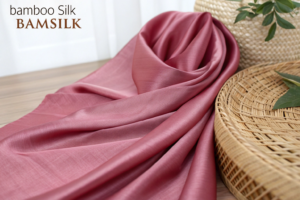
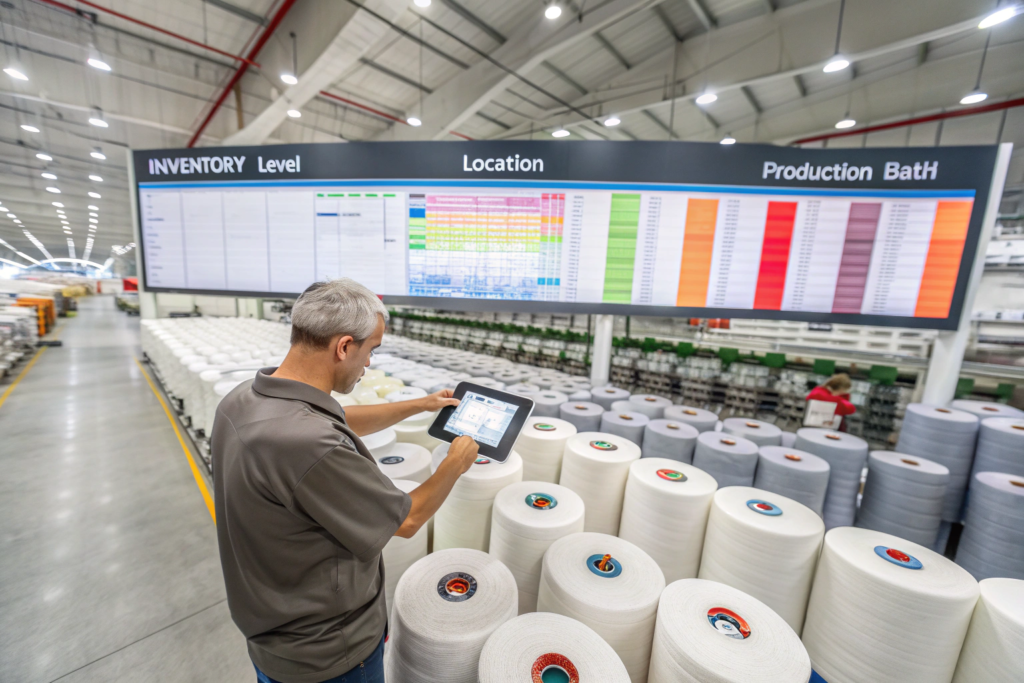
We use AI to create dynamic production schedules. The system analyzes our forecasted "hot" fabrics for the coming quarter and cross-references them with our factory capacity, raw material lead times (e.g., organic cotton vs. recycled polyester availability), and those critical holiday shutdowns. It then generates an optimized production plan. For instance, if AI forecasts high demand for a specific moisture-wicking bamboo silk blend for Q3 (August-October peak), it will automatically schedule the yarn sourcing and weaving to be completed in the slower June-July period, ensuring we have bulk ready right as orders flood in. This smooths out factory loads, avoids premium rush fees, and guarantees on-time delivery. A major Russian sportswear brand now relies on our AI-driven inventory projections to plan their seasonal buys, reducing their fabric holding costs by 22%.
Can AI help manage risks like overstock or raw material shortages?
Yes, it's a powerful risk mitigation tool. On the demand side, AI's probabilistic forecasts help us recommend safer "core" inventory levels versus riskier "trend" volumes to our clients. We provide data-backed guidance like, "Based on similar historical trends, we recommend an initial bulk order of 8,000 meters for this novelty jacquard, with an option for a fast-track 2,000-meter top-up within 10 days." This prevents catastrophic overstock for you.
On the supply side, AI monitors global events and commodity markets. It flagged potential delays in a specific dyestuff originating from a region anticipating port strikes in late 2022. We secured an alternative supplier and adjusted our digital printing schedule months in advance, avoiding a two-week delay for a dozen clients. For broader insights into building resilient supply chains, many find value in Supply Chain Dive's analysis on textile raw material volatility.
How does AI integrate with traditional production wisdom (like holiday planning)?
AI doesn't replace the hard-earned wisdom of planning around Chinese New Year; it hardcodes it for optimal results. We feed the AI our factory's exact holiday calendars, typical ramp-up/ramp-down periods, and even regional weather patterns that can affect dyeing. The AI then builds the most efficient timeline backwards from your required delivery date. For example, if you need fabric by April 1st, the AI knows that the March-May peak period adds 1-2 weeks, and Chinese New Year requires a 6-week pre-production buffer. It would automatically schedule your order to start pre-production in early January. This is how that European fashion brand you mentioned operates seamlessly with us. Our system sends them proactive alerts: "Your Q3 trend fabrics are now in the optimal pre-production window to post-Chinese New Year startup." It turns reactive crisis management into proactive, smooth operations.
What are the limitations and human roles in AI fabric development?
Let's be clear: AI is a formidable tool, not a crystal ball or a creative genius. Its limitations define where the irreplaceable human touch—our 20+ years of expertise in Keqiao—becomes paramount. AI works on existing data, so it can struggle with truly disruptive, never-seen-before innovations. It can predict the evolution of velvet, but not the first inventor of velvet. It also lacks tactile and sensory judgment. The "hand-feel" of a fabric—the drape, the softness, the emotional connection—is still assessed by our seasoned product developers.
A memorable instance was in November 2022. AI strongly recommended a brightly colored, high-twist crepe based on solid data from streetwear channels. However, our lead developer, feeling the post-pandemic mood shift, argued for a softer palette and a more fluid, comfortable construction. We developed both. The AI-proposed fabric sold well to a specific youth segment, but the developer's intuitive "comfort luxury" fabric became a runaway hit across broader age groups in both the US and EU, accounting for 40% of our spring orders. The human understood the cultural moment in a way data couldn't yet capture.
Where does human expertise still outperform AI in textiles?
Human expertise dominates in three key areas. First, complex problem-solving with incomplete data. When a client has a vague idea like "a fabric that feels like ocean waves," our designers translate that poetry into technical specs—something AI cannot do. Second, negotiation and relationship management. Understanding a client's unspoken concerns about navigating customs clearance for delicate fabrics from Asia requires empathy and experience. Third, tactile quality control. While AI can spot visual defects, our QC team's hands can feel a slight inconsistency in weight or a subtle harshness in finish that a machine might miss. They perform physical tests—stretch, pull, rub—that are informed by decades of touch memory. For those building their own quality protocols, the American Association of Textile Chemists and Colorists (AATCC) test methods are the essential human-curated standard.
How should brands collaborate with AI-equipped suppliers?
The smartest approach is a partnership that leverages both strengths. Bring us your vision, your brand DNA, and your market intuition. Use us—and our AI tools—as an extension of your R&D team. Be open to data-driven suggestions: "Our data shows your target demographic is engaging heavily with graphene-infused fabrics for thermal regulation. Would you like to explore a sample?" Provide feedback loops. Tell us which samples performed well in your wear tests; this data trains the AI to serve you better next time. Ask us questions like "What are your AI tools seeing for performance linings in the (mountaineering) sector?" This collaborative model is what we practice at Shanghai Fumao. We don't just sell fabrics; we co-create value by merging your brand vision with our predictive intelligence and manufacturing prowess.
Conclusion
The journey from a trending social media image to a roll of ready-to-cut fabric on your production floor no longer needs to be a race against time filled with guesswork. AI has fundamentally changed the fabric sourcing game. It transforms forecasting from an art into a data-driven science, accelerates development through digital prototyping, and brings unprecedented clarity to production and inventory planning. However, its true power is unlocked only when combined with deep textile expertise and human creative intuition.
This synergy is exactly what we deliver at Shanghai Fumao. Rooted in the world's largest textile cluster in Keqiao, we blend over two decades of hands-on manufacturing knowledge with cutting-edge AI analytics. We offer you not just fabrics, but foresight—the ability to be proactive, precise, and prepared. Whether you're responding to a viral trend or building a sustainable capsule collection, our integrated approach from yarn to delivery ensures your vision becomes reality, efficiently and reliably.
Ready to experience how AI-powered fabric sourcing can streamline your supply chain and ignite your next collection? Let's turn data into your competitive advantage. Contact our Business Director, Elaine, today to discuss your specific needs and explore a partnership. Reach her directly at elaine@fumaoclothing.com. We're here to help you weave the future.