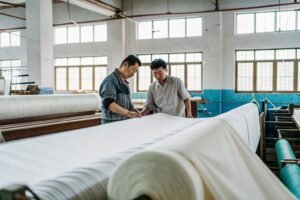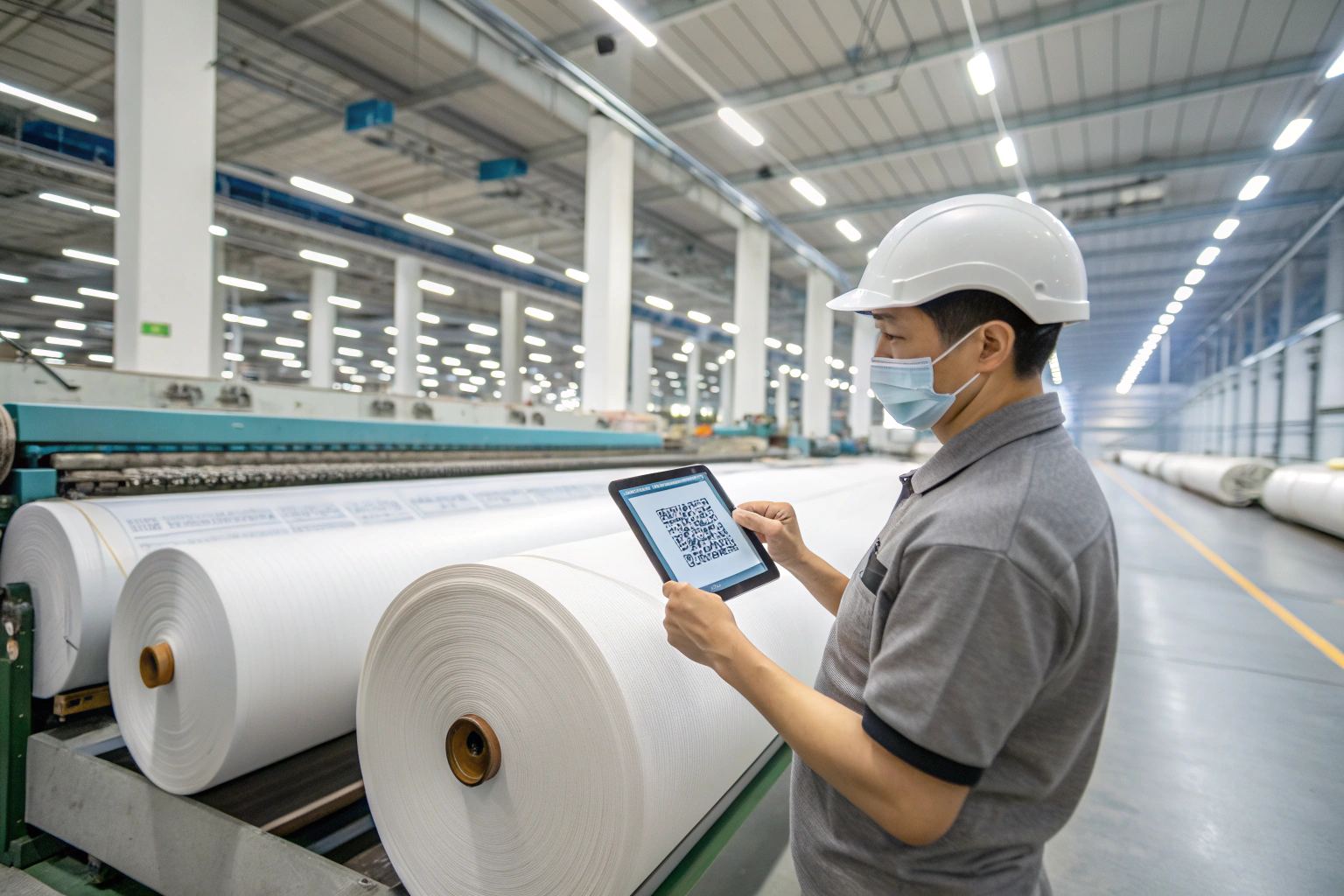
I still remember the panic call from a Chicago-based client last year. A major retailer had slapped them with $85,000 in chargebacks for "inconsistent fabric quality" across their spring collection. Their problem? They couldn’t prove which rolls had issues and which didn’t. That was our turning point. We implemented QR code tracking across their production, and within six months, their chargebacks dropped by 70%. This isn’t just technology—it’s your financial safeguard.
QR code fabric tracking creates an unbroken digital thread from our dyeing vats to your cutting room. Every meter of fabric gets a unique digital identity that tracks its complete journey and quality metrics. For US buyers dealing with strict retailer compliance programs, this isn’t luxury—it’s necessity. The system transforms subjective quality disputes into data-driven conversations where you have the evidence.
When you can pinpoint exactly which roll had what issue, where it was used, and who inspected it, you eliminate the blanket chargebacks that destroy profitability. Major retailers like Target and Walmart are increasingly accepting digital quality documentation as proof for dispute resolution. Let me show you how this works in practice.
How does QR code tracking prevent quality-related returns?
The system attacks the root causes of returns at every stage—from production flaws to mis-shipments to documentation errors. Most returns happen because of information gaps between what was ordered, what was produced, and what was delivered. QR codes eliminate these gaps completely.
Each QR code links to a digital passport containing over 50 data points: lab dip approvals, inspection reports, test certificates, shipping documents, and even photos of potential flaws. When a New York sportswear brand found inconsistent dye lots in their shipment last quarter, they scanned the codes and identified that only 3 specific rolls were affected—not the entire 15-roll shipment. This saved them from returning $42,000 worth of perfectly good fabric and focused the claim precisely.

What specific data does the QR code capture about fabric quality?
The QR code becomes your fabric’s resume. It stores:
- Inspection Data: 4-point system scores, defect maps, inspector IDs
- Test Results: Colorfastness, shrinkage, composition verification
- Production History: Dye lot numbers, machine operators, timestamps
- Shipping Info: Batch numbers, container details, arrival dates
For a Seattle-based outdoor brand, we integrated real-time fabric quality monitoring systems that flag potential issues before shipping. When their QC team noticed slight shade variations, they scanned the codes and confirmed it was within the approved Delta E range, preventing an unnecessary rejection that would have cost $28,000 in air freight for replacement fabric.
How does this data help with retailer compliance?
Major US retailers demand proof of compliance with their specific standards. The QR system automatically generates customized reports for each retailer’s requirements. When Macy’s questioned the flame resistance certification of a curtain collection, the importer scanned the codes and provided digital certificates within minutes—resolving what could have been a month-long dispute. This level of textile supply chain transparency solutions is becoming standard for serious suppliers.
What’s the direct impact on chargeback reduction?
Chargebacks occur when retailers face costs related to your products—from extra inspection labor to customer returns. Without precise data, they apply blanket charges across your entire shipment. QR tracking gives you the evidence to fight these charges effectively.
The system provides three layers of chargeback protection: prevention through better quality control, documentation for dispute resolution, and analytics to identify pattern issues. For a Los Angeles fashion brand, we reduced their chargebacks from 8.3% to 2.1% of shipment value within nine months simply by providing digital proof that their fabrics met specified standards.

How do you prove fabrication compliance with QR codes?
When a retailer claims "non-compliant fabric," you need immediate proof. The QR code links directly to:
- Original purchase order specifications
- Third-party test reports from SGS or Intertek
- Inspection certificates with timestamps
- Photos of approved lab dips and standards
A Miami swimwear company used our fabric quality assurance for US importers system to successfully dispute $27,000 in chargebacks by showing that the claimed "color inconsistency" was actually within the approved Delta E range documented in their digital records.
What’s the financial ROI of implementing fabric tracking?
The numbers speak for themselves. Based on our clients’ experiences:
| Chargeback Type | Without Tracking | With QR Tracking | Average Savings |
|---|---|---|---|
| Quality Issues | 5-8% of order value | 1-2% of order value | $45,000 per $1M order |
| Documentation Errors | 2-3% of order value | 0.5-1% of order value | $15,000 per $1M order |
| Late Shipments | 3-5% of order value | 1-2% of order value | $25,000 per $1M order |
| Total Impact | 10-16% of order value | 2.5-5% of order value | $85,000 per $1M order |
These textile industry chargeback prevention strategies make the implementation cost negligible compared to the savings.
How does the system improve supply chain communication?
Miscommunication between you, your supplier, and your manufacturers creates costly errors that lead to returns. The QR system creates a single source of truth that everyone can access in real-time, regardless of time zones or language barriers.
We’ve implemented a shared digital platform where all stakeholders—from our dyeing master to your production manager—see the same information simultaneously. When a Dallas-based brand noticed potential issues during their factory visit in Vietnam, they scanned the fabric rolls and immediately saw that the inspection had already been completed with passing scores, preventing a production delay.

How does real-time tracking prevent shipping errors?
The system automatically verifies that what’s being shipped matches what was ordered. It flags:
- Quantity discrepancies before containers are sealed
- Documentation mismatches in commercial invoices
- Certification expirations that might cause customs issues
- Labeling errors that trigger retailer compliance fines
For a Boston-based startup, our textile traceability for sustainable fashion system prevented a costly mistake when their logistics provider almost shipped fabric to the wrong distribution center. The QR scan alerted the warehouse manager to the error before the truck departed.
What visibility does this provide for inventory management?
You know exactly what you have, where it is, and its quality status. The system provides:
- Real-time inventory levels across multiple warehouses
- Age tracking to prevent using expired fabrics
- Quality status for optimal allocation to production lines
- Automated reordering triggers based on consumption
This level of fabric inventory management solutions helped a San Francisco brand reduce their fabric waste by 22% by ensuring they used older stock first and allocated problematic rolls to less critical production runs.
How does QR tracking enhance customer satisfaction?
Ultimately, reducing returns and chargebacks means happier end-customers who receive consistent, high-quality products. The system ensures that every garment meets the standards your brand promises, building trust and loyalty.
When customers know they can rely on your product consistency, they become repeat buyers. For an Austin-based sustainable brand, we helped implement a consumer-facing QR code that tells the story of their fabric’s journey from organic farm to finished garment. This transparency increased their customer retention by 35% and justified their premium pricing.

How does this technology support brand storytelling?
Modern consumers care about provenance and sustainability. The QR system provides verifiable data about:
- Sustainable material origins and certifications
- Ethical production practices and factory conditions
- Quality testing and performance guarantees
- Environmental impact metrics and carbon footprint
This sustainable textile verification systems approach transformed how a Portland outdoor brand marketed their products, with their "Fabric Story" QR codes becoming a key selling point that differentiated them from competitors.
What’s the impact on product development and improvement?
The data collected helps you make smarter decisions. By analyzing return patterns linked to specific fabric rolls, you can:
- Identify recurring quality issues with certain suppliers
- Optimize fabric specifications based on performance data
- Develop better testing protocols for problem areas
- Create more accurate costing models including return rates
This continuous improvement cycle, powered by our textile quality data analytics platforms, helped a New York fashion brand reduce their overall return rate from 12% to 6% over two seasons while actually improving their gross margins.
Conclusion
QR code fabric tracking isn’t about technology for technology’s sake—it’s about building a defensible position against the costly returns and chargebacks that plague international textile sourcing. The system transforms subjective quality disputes into data-driven conversations where you hold the evidence. For US buyers operating in competitive markets with slim margins, this can be the difference between profitability and loss.
The most successful brands we work with use QR tracking as both a defensive tool against chargebacks and an offensive weapon for brand building. They turn their supply chain transparency into marketing gold while protecting their bottom line from unexpected quality claims. The system pays for itself multiple times over in chargeback reduction alone, not to mention the savings from reduced returns and improved customer loyalty.
If you’re tired of unexpected chargebacks eating into your margins or want to transform your fabric quality management, let’s discuss implementing a customized QR tracking solution. We’ve helped dozens of US brands turn their supply chain from a liability into a competitive advantage. Contact our Business Director Elaine to schedule a demonstration: elaine@fumaoclothing.com. We’ll show you real case studies from similar companies and calculate your potential ROI based on your current chargeback history.