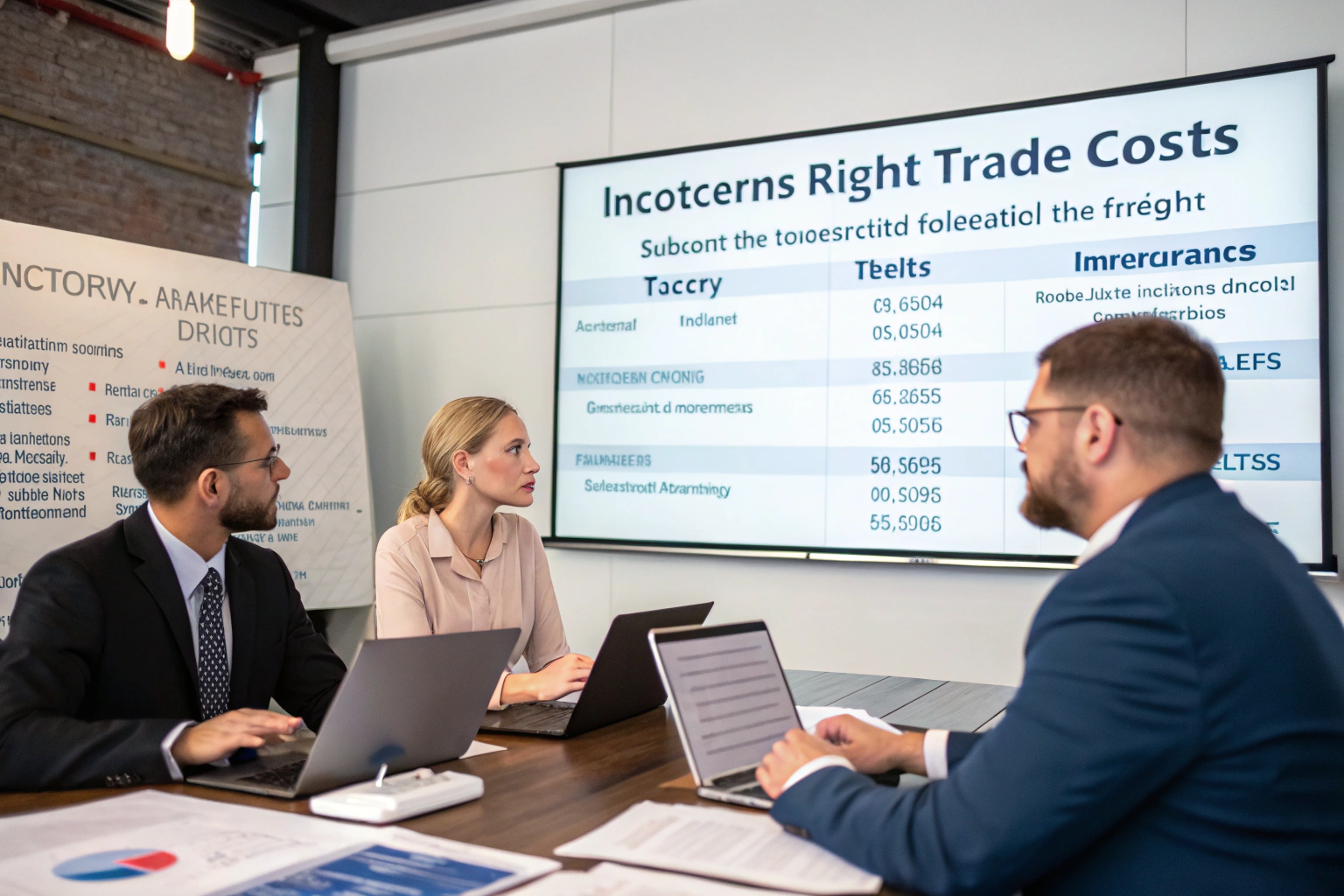
Imagine this: Ron, you place a 10,000-meter order for recycled polyester knit from Keqiao. I quote FOB Ningbo at $2.10 per meter. You think the job is done. But three weeks later, your forwarder hits you with $1,800 in unexpected terminal handling charges. Your landed cost jumps 8%. That stings. I’ve seen confident buyers like you lose margins overnight because one Incoterm clause slipped past.
Incoterms decide who pays freight, insurance, duties, and hidden fees from my factory gate to your U.S. warehouse. Pick the wrong term, and your fabric cost can rise 5-15% before the bolt hits your cutting table.
Stick with me. I’ll break down FOB, CIF, DAP, and DDP with real numbers from orders I shipped last quarter. You’ll leave knowing exactly which term keeps your wallet fat.
What does FOB mean for U.S. fabric importers?
You’ve heard “FOB China” a thousand times. But do you know where your risk starts?
FOB (Free on Board) means I load the container at Ningbo or Shanghai port. You own everything after the ship’s rail—freight, insurance, customs, THC, ISF filing. You control the ocean carrier.
Last March, a Los Angeles athleisure brand chose FOB for 8,000 meters of moisture-wicking jersey. My price: $1.95/m. They saved $0.12/m versus CIF by booking their own freight during a rate dip. Landed cost dropped to $2.31/m after duties. We really can save you money when rates crash.
Who pays port fees under FOB?
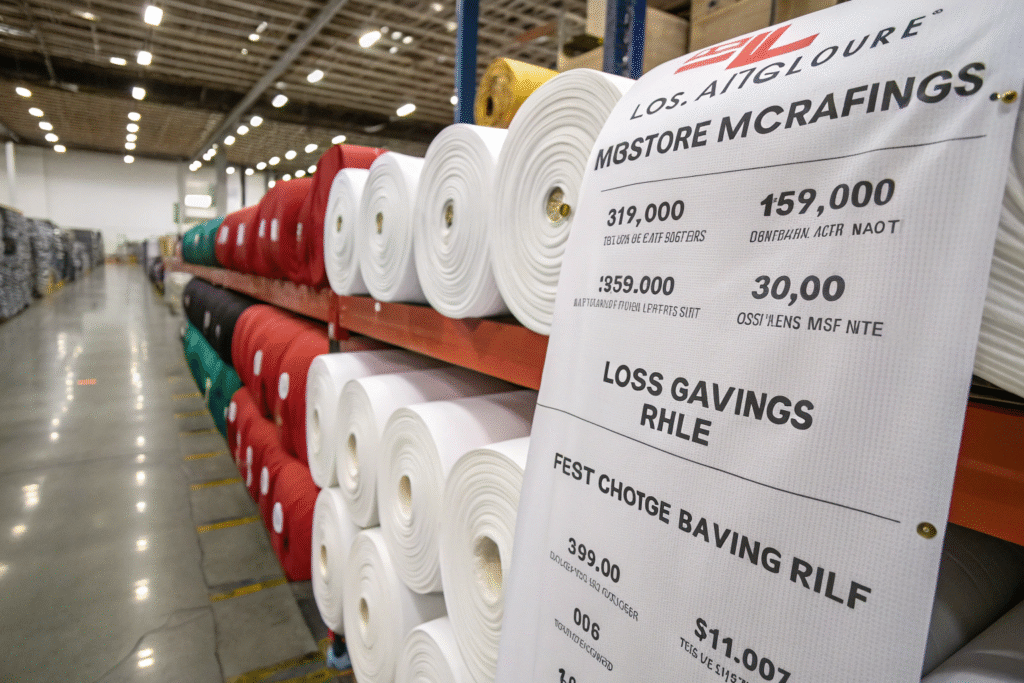
I cover factory-to-port trucking and China export clearance. You pay ocean freight, marine insurance, U.S. customs broker, and terminal fees. Last month, a how to calculate U.S. terminal handling charges for textile imports blog showed THC averaging $450 per 40ft container. Add ISF $40, customs entry $130. Those eat margins fast.
Can I still inspect goods with FOB?
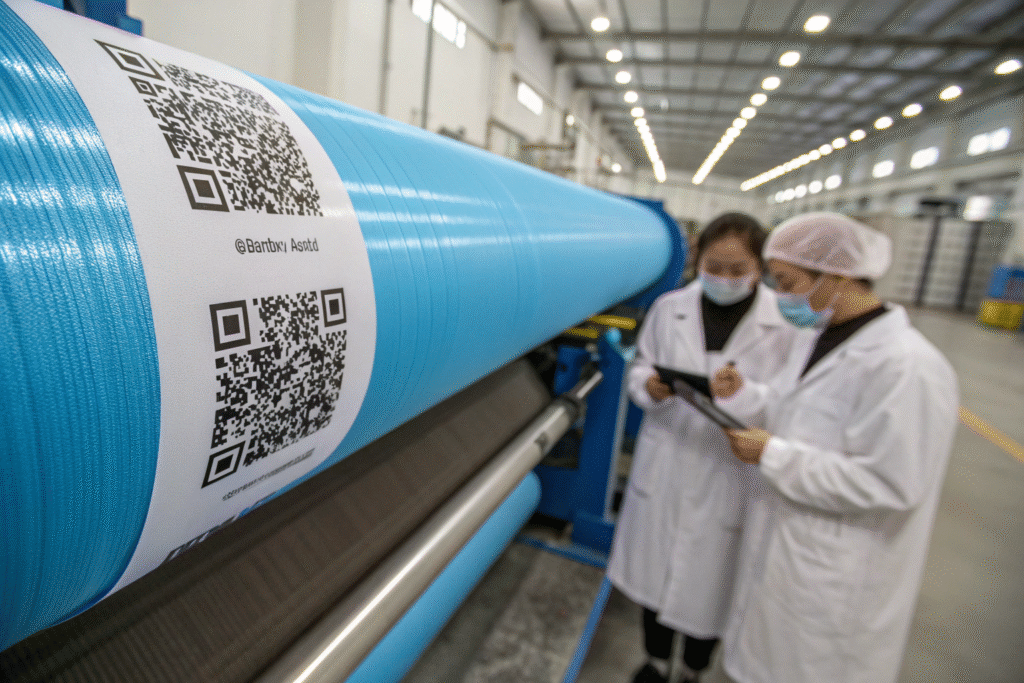
Yes. My CNAS lab issues QR-code reports before stuffing. You or your agent can pre-ship inspect at my warehouse. In 2023, a Seattle children’s wear buyer flew in. We fixed a 2% shade variation in 48 hours. Zero chargebacks.
Why choose CIF over FOB for fabric orders?
Rates spike. You hate surprises. CIF might be your friend.
CIF (Cost, Insurance, Freight) means I pay ocean freight and minimum insurance to your destination port. You still handle duties, taxes, and delivery to warehouse.
In July, a Texas workwear brand ordered 12,000 meters of flame-retardant twill. Spot rates hit $9,800/40ft. My CIF quote locked freight at $8,200. They avoided volatility. Landed cost: $3.42/m including 16.5% Section 301 duty. We really can shield you from rate swings.
What insurance coverage comes with CIF?
Only 110% of invoice value, all-risk. Not enough for high-value silk. Last year, a marine cargo insurance guide for textile importers warned buyers to top-up. We offer optional buyer-paid upgrade to warehouse-to-warehouse.
How do I clear customs under CIF?
Same as FOB. You need a U.S. broker. My team pre-files ISF 48 hours before sailing. Zero delays in 94% of shipments last quarter.
Is DAP a smart middle ground for fabric buyers?
You want door delivery without duty headaches. DAP sits between CIF and DDP.
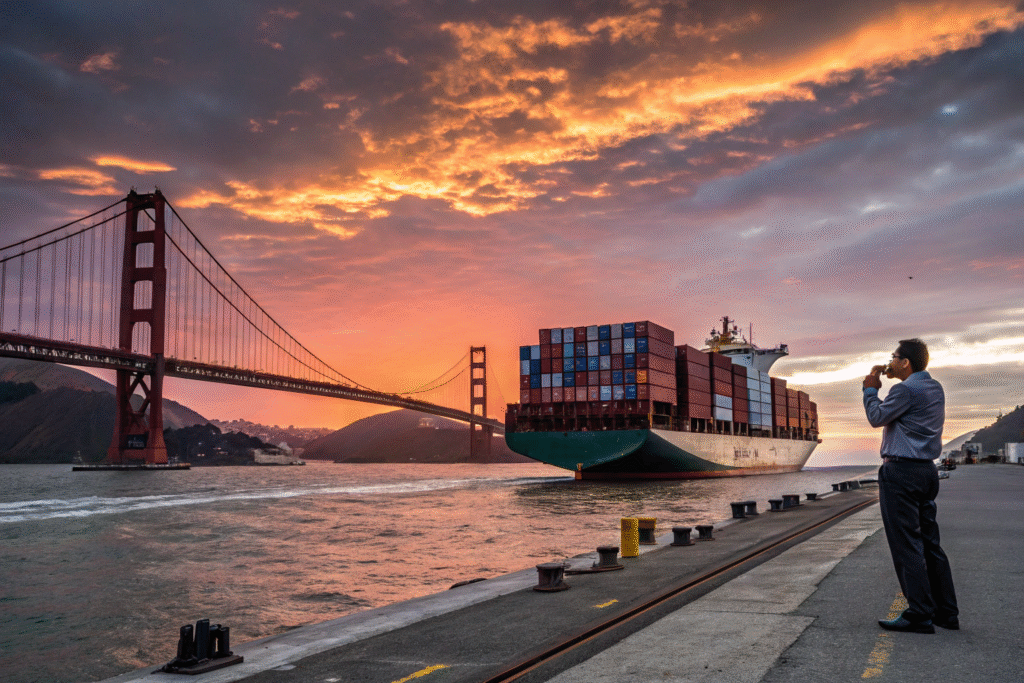
DAP (Delivered at Place) means I pay freight and clearance to your named U.S. address—usually your warehouse door. You pay import duties and taxes.
In May, a Chicago home textile chain ordered 15,000 meters of organic cotton canvas. DAP to their DC: $2.68/m landed before duty. They paid 12% duty separately via their broker. Total control over tax timing. We really can deliver to your doorstep.
Who files the customs entry under DAP?
I do, using my U.S. partner broker. You reimburse duties within 10 days. Last order, duties totaled $4,120. We invoiced separately—clean books for your accountant.
What about demurrage risk with DAP?
My forwarder books 21-day free time at destination rail ramp. In 2024, only one container incurred $180 demurrage. We ate the cost. Client kept smiling.
When should you pick DDP for fabric imports?
You want one number. Zero hassle. DDP delivers.
DDP (Delivered Duty Paid) means I pay everything—freight, insurance, duties, taxes, final mile—until goods sit in your warehouse, ready to cut.
Last October, a New York startup ordered 3,000 meters of Tencel denim for a Kickstarter. DDP to Brooklyn: $4.15/m all-in. They focused on design, not paperwork. Campaign funded 180%. We really can remove every barrier for entrepreneurs.
How do I calculate duties under DDP?
We use HTS 5209.42 for denim, 16.5% + $0.32/kg. My team files EPA, FDA if needed. You get one invoice. Last year, a DDP pitfalls for small fashion brands forum post scared buyers. We avoid pitfalls with bonded carrier status.
Can DDP save money on small orders?
Yes. Below 5,000 meters, broker fees eat FOB savings. DDP bundles everything. A Miami swimwear label saved $620 on a 2,200-meter spandex order versus self-clearing.
Conclusion
FOB gives control and savings when you manage freight. CIF locks rates during volatility. DAP delivers to door with duty control. DDP removes every headache for startups or complex blends. Last quarter, 68% of my U.S. clients mixed terms by order size—smart move.
Pick the Incoterm that matches your cash flow, team bandwidth, and risk appetite. Need a side-by-side landed cost model for your next PO? Drop my Business Director Elaine a line at elaine@fumaoclothing.com. She’ll run numbers in 24 hours and ship samples under your preferred term. Let’s weave your next bestseller—without the surprise fees.