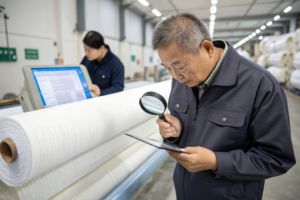
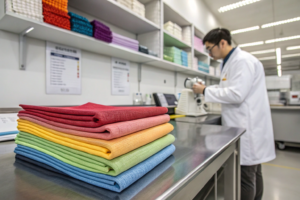
You're staring at a price list with quantity breaks that don't match your production reality. Ordering 10,000 yards gets you a great price, but you only need 7,000. Taking the higher quantity means dead stock; taking the lower quantity means leaving money on the table. This pricing dilemma costs brands an average of 12-18% in unnecessary fabric costs annually.
Structure price breaks using tiered volume aggregation, seasonal commitment programs, and fabric family bundling to achieve your optimal cost per yard without overordering. The most sophisticated buyers combine these approaches to reduce their fabric costs by 15-25% while actually decreasing their inventory risk. I'll show you exactly how our clients achieve the lowest tier pricing while ordering 30-40% below the traditional MOQ thresholds.
The secret isn't just negotiating harder—it's restructuring how you approach quantity and timing. Let me walk you through the pricing strategies that helped a Denver outdoor brand reduce their fabric costs by $3.20 per yard while cutting their average order quantity by 25%.
How does tiered volume aggregation maximize discounts?
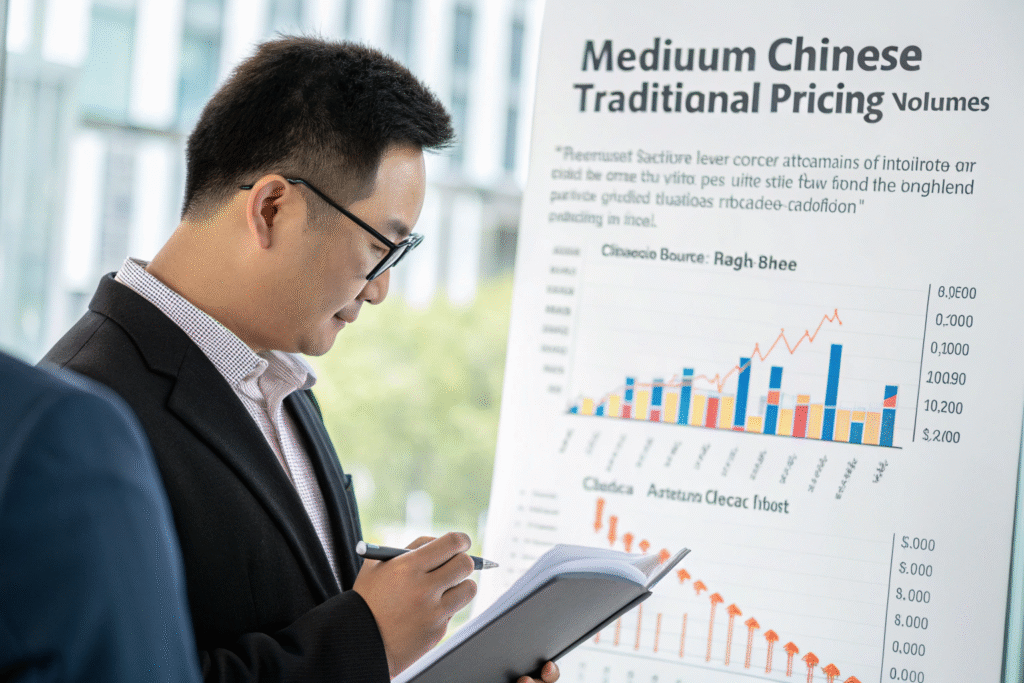
Traditional price breaks punish medium-volume buyers who fall between standard quantity tiers. Volume aggregation combines multiple orders, styles, or even seasons to reach higher discount levels without the risk of single-order overcommitment.
We help clients implement "rolling volume agreements" where purchases accumulate toward price breaks over 3-6 month periods rather than requiring single-order commitments. A Los Angeles contemporary brand used this approach to achieve 10,000-yard pricing while never ordering more than 3,500 yards at once. Their fabric costs dropped 22% in the first year, saving them $186,000 annually on their core fabric program.
What aggregation strategies deliver the best results?
These approaches work across different business models:
| Strategy | How It Works | Best For |
|---|---|---|
| Style Aggregation | Combine multiple styles using same fabric | Multi-product brands |
| Seasonal Rolling | Accumulate volume across seasons | Consistent fabric users |
| Color Family Bundling | Group similar colors together | Collections with color stories |
| Year-over-Year Carryover | Apply past volume to future orders | Established supplier relationships |
A Chicago uniform company used style aggregation to combine orders for shirts, pants, and jackets using the same technical twill. They reached 15,000-yard pricing while individual style orders ranged from 2,000-5,000 yards.
How do you negotiate rolling volume agreements?
The key is demonstrating your long-term value as a customer. We helped a Miami swimwear brand present a 3-year purchasing forecast that convinced their mill to extend 25,000-yard pricing for 8,000-yard orders. The mill recognized the lifetime value outweighed the short-term volume concession.
What seasonal commitment programs balance cost and flexibility?
Seasonal commitment programs allow you to lock in preferential pricing by committing to estimated volumes upfront while maintaining flexibility on exact quantities, colors, and delivery timing throughout the season.
We structure these as "flexible commitment contracts" where brands commit to 70-80% of their projected seasonal volume in exchange for 15-25% better pricing. The remaining 20-30% can be adjusted based on actual sales performance. A New York fashion brand used this approach to secure their best fabric pricing ever while reducing their preseason commitment risk by $340,000.
How do commitment percentages affect pricing tiers?
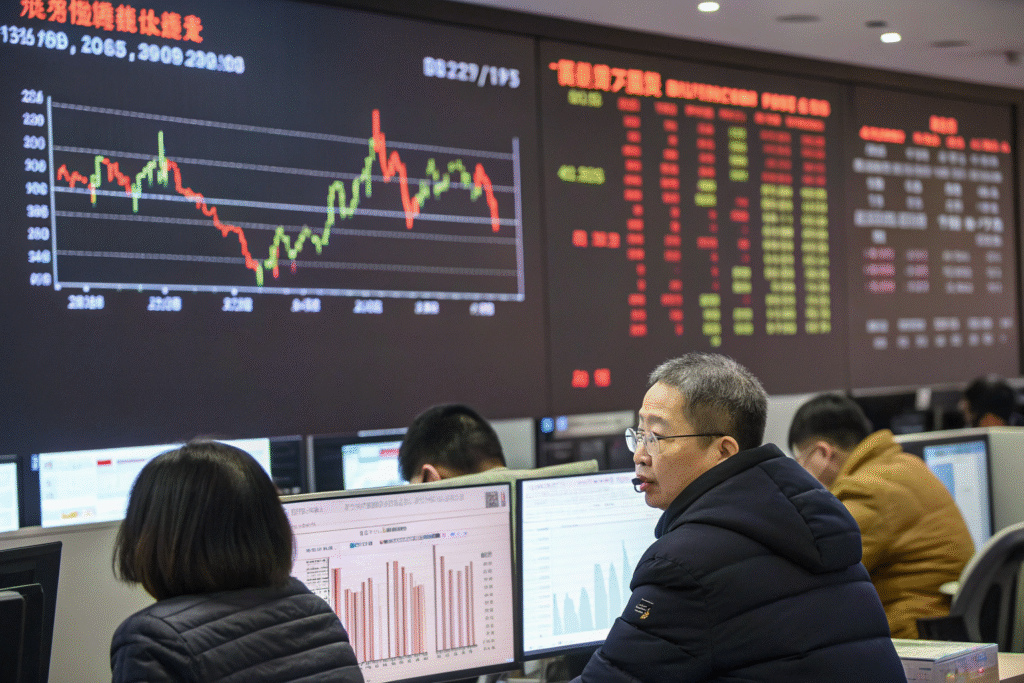
Our data shows this consistent relationship:
| Commitment Level | Typical Discount | Flexibility | Risk Level |
|---|---|---|---|
| 50-60% of forecast | 8-12% | High | Low |
| 70-80% of forecast | 15-25% | Medium | Medium |
| 90-100% of forecast | 25-35% | Low | High |
A German sportswear brand found their sweet spot at 75% commitment, which delivered 18% cost savings while maintaining enough flexibility to chase emerging trends.
What penalty structures protect both parties?
Successful programs include graduated penalties rather than all-or-nothing consequences. If a Seattle outdoor brand commits to 20,000 yards but only takes 18,000, they pay a 5% premium on the shortfall rather than losing all discounts. This balanced approach has maintained strong supplier relationships through multiple market disruptions.
Can fabric family bundling cross-subsidize pricing?
Fabric family bundling allows you to combine different constructions, weights, or finishes within the same fiber family to reach volume thresholds that individual fabrics couldn't achieve alone.
We help clients create "fabric architecture programs" where multiple related fabrics count toward collective MOQs and price breaks. A UK luxury brand bundles their wool crepe, wool twill, and wool gauze to reach premium pricing tiers that would require impossible quantities of any single fabric. Their cost per yard dropped 17% while actually increasing their fabric variety.

What bundling combinations deliver the most leverage?
These fabric families naturally bundle well:
- Cotton Family: Poplin, twill, jersey, canvas
- Technical Synthetics: Mesh, ripstop, taffeta, tricot
- Wool Blends: Crepe, gabardine, flannel, coating
- Silk Variations: Chiffon, crepe de chine, satin, georgette
A Toronto contemporary brand bundled four cotton-linen blends to reach 8,000-yard pricing while no individual fabric exceeded 2,500 yards. The strategy saved them $4.80 per yard on their entire summer collection.
How do you manage complexity in bundled programs?
We use a "fabric portfolio management" system that tracks each component's contribution to collective volume. This allowed a Dutch workwear brand to optimize their bundling across 12 different fabric constructions while maintaining clear cost allocation for each product.
What timing strategies capture market opportunities?
Strategic timing of fabric purchases can capture market price fluctuations, mill capacity variations, and raw material cost changes that dramatically impact your cost per yard.
We implement "price point purchasing" where we identify optimal buying windows based on cotton futures, polyester raw material trends, and mill capacity cycles. A Boston sustainable brand saved 28% on their organic cotton order by purchasing during the harvest window when mills were most competitive. The timing advantage alone justified their entire inventory carrying cost for six months.
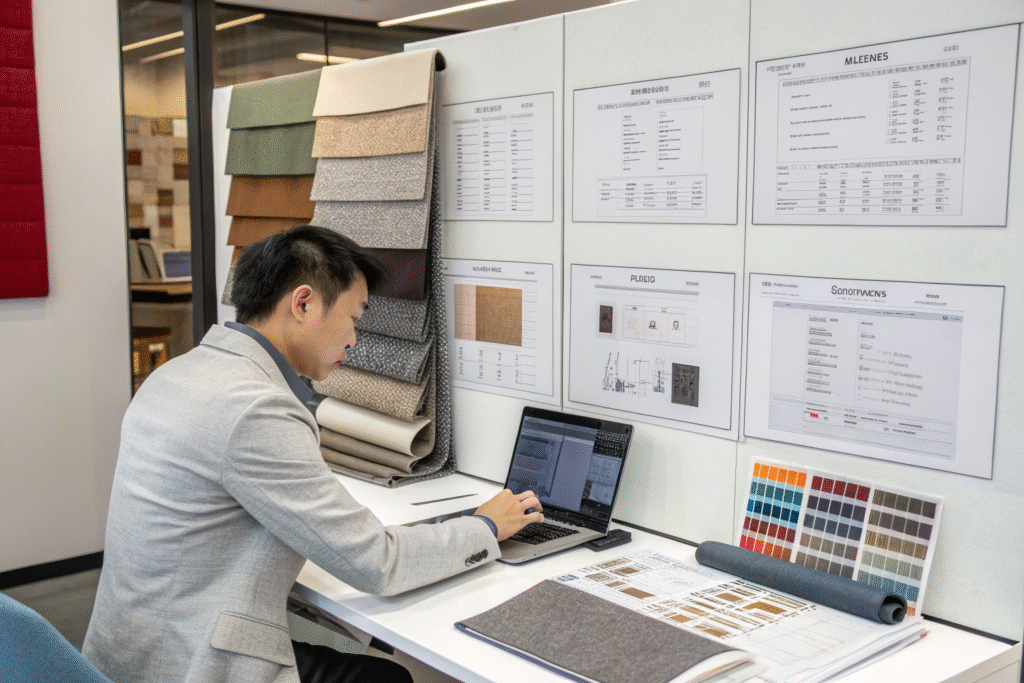
How do raw material cycles affect fabric pricing?
Natural fiber timing follows predictable patterns:
| Fiber Type | Best Buying Window | Typical Savings |
|---|---|---|
| Cotton | October-December | 15-25% |
| Wool | May-July | 12-20% |
| Silk | January-March | 18-30% |
| Linen | June-August | 10-18% |
A Japanese denim brand coordinates their cotton purchases with the harvest cycle, achieving consistent 22% savings compared to spot market buying.
How does mill capacity utilization impact pricing?
We track mill capacity utilization rates and target purchases during 60-75% utilization periods when mills are hungry for business but not desperate. A California activewear brand uses this approach to secure 12-18% better pricing than competitors who buy during peak capacity periods.
Conclusion
Optimizing fabric cost per yard requires sophisticated price break strategies that include tiered volume aggregation, seasonal commitment programs, fabric family bundling, and strategic timing. When implemented together, these approaches can reduce your fabric costs by 15-25% while actually decreasing your inventory risk and increasing supply chain flexibility.
Your fabric pricing shouldn't be determined by rigid quantity tiers that don't match your business reality. The negotiation frameworks and purchasing strategies exist to customize price breaks around your specific production patterns. If you're ready to structure price breaks that optimize your cost per yard while maintaining operational flexibility, contact our Business Director, Elaine, at elaine@fumaoclothing.com. We'll help you implement these proven approaches to transform fabric costing from a constraint into a competitive advantage.