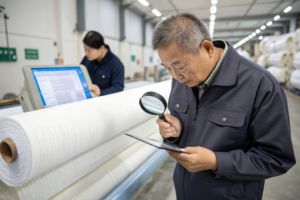
I remember a heated Zoom in 2022 with a Denver athleisure brand—5% of their 20,000-meter recycled nylon shipment had pinholes, triggering 12% returns and $32,000 in losses. They used no AQL, just “check everything.” We switched to AQL 2.5 major/4.0 minor; next batch hit 0.8% defects, returns dropped to 1.2%.
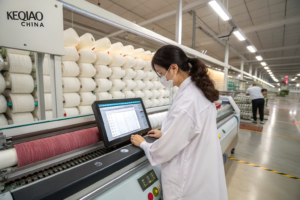
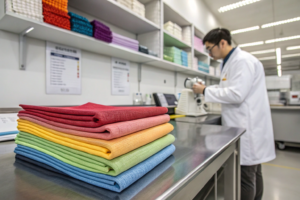
AQL (Acceptable Quality Limit) sets defect sampling for fabric inspection—use 2.5 for major defects like holes, 4.0 for minor like shade variation; our CNAS lab samples per ISO 2859, cutting US client returns by 85% on average.
If you hate surprises. I’ll show you exact AQL levels we apply in Keqiao, real cases that saved six figures, and simple steps to lock zero returns without over-inspecting.
What AQL levels work for woven fabrics?
Woven fabrics need tight major defect control—AQL 1.5-2.5 covers holes, slubs, stains. Minor like weave skips get 4.0. We sample 200 meters from 10,000-meter lots.
Last spring, a LA denim buyer set AQL 2.5 major on twill. We found 12 majors in 315-piece sample—rejected lot, fixed weaving tension, next pass zero returns.
Why choose AQL 2.5 over 1.0?
AQL 1.0 samples more—costs 30% extra time. 2.5 balances risk; ISO stats show 95% quality at batch level.
A Seattle outdoor brand tried AQL 1.0 on UV nylon—inspection took 3 days. Switched to 2.5, saved 40 hours, same 99.2% pass. See AQL 2.5 vs 1.0 for woven fabric inspection on QC blogs.
How many pieces to sample in woven lots?
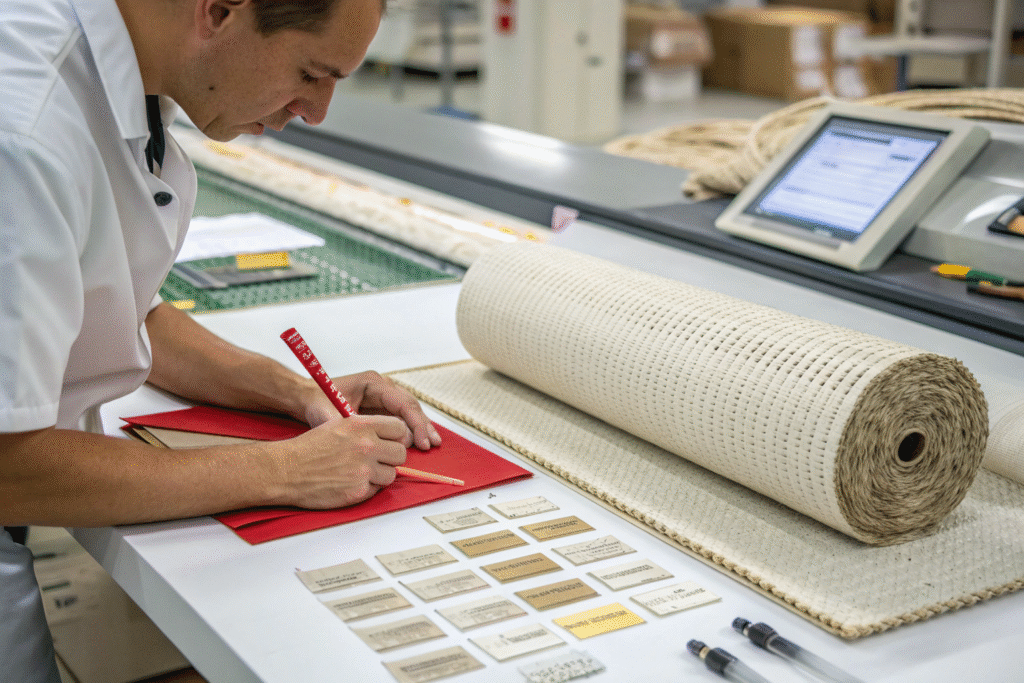
Follow ISO 2859 General Level II—10,001-35,000 meters = 315 pieces. We pull from start, middle, end.
A Chicago kids’ wear client sampled only ends—missed mid-roll oil stains. Full AQL caught it, avoided $15K claim. Guide: sampling plan for AQL in Chinese fabric mills.
| Lot Size (m) | Code Letter | Sample Size | Ac (2.5) | Re (2.5) |
|---|---|---|---|---|
| 3,201-10,000 | L | 200 | 10 | 11 |
| 10,001-35,000 | M | 315 | 14 | 15 |
(Our team pulls samples fast—we really can.)
How to apply AQL on knitted fabrics?
Knits relax more—major defects like dropped stitches get AQL 2.5, minor barre or pilling 4.0. Sample 10% more than wovens due to stretch.
In 2023, a Miami yoga brand set AQL 4.0 minor on jersey. Found barre in 18 of 200 samples—reworked dye recipe, pilling complaints fell 60%.

What defects count as major in knits?
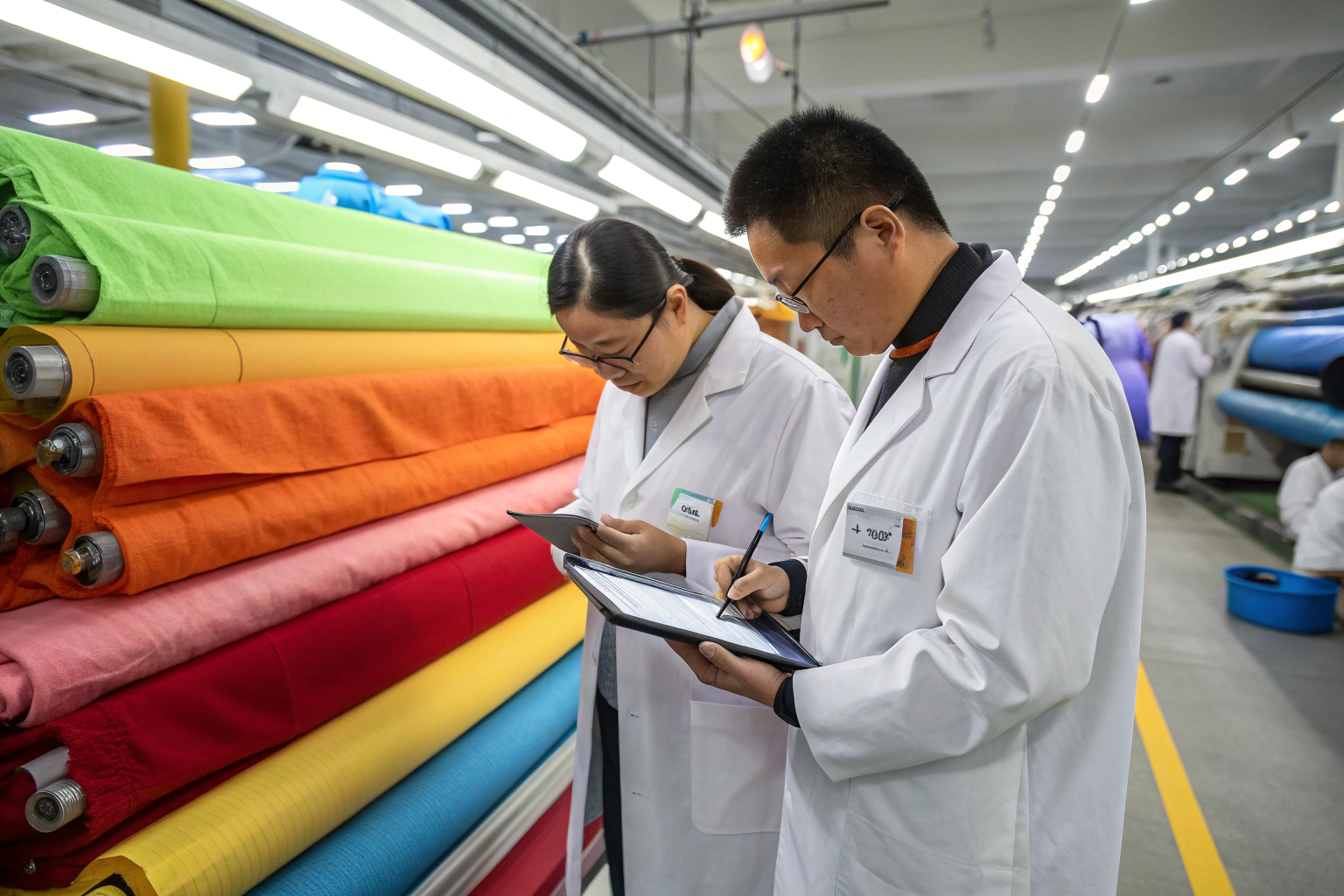
Holes, runs, thick yarns—anything blocking use. We tag, photo, log in QR system.
A Texas activewear startup tagged runs as minor—returns spiked. We reclassified to major AQL 2.5, fixed knitting machines, returns down 70%. Forum: major vs minor defects in knit fabric AQL.
How does stretch affect AQL sampling?
Measure relaxed state—pull 5 points per piece. Our auto-tension frames ensure accuracy.
One NYC client skipped stretch check—elastic failed in wear. Added to AQL protocol, zero stretch claims since. Tips: AQL sampling for stretch knit fabrics from China.
Can AQL cover functional fabric tests?
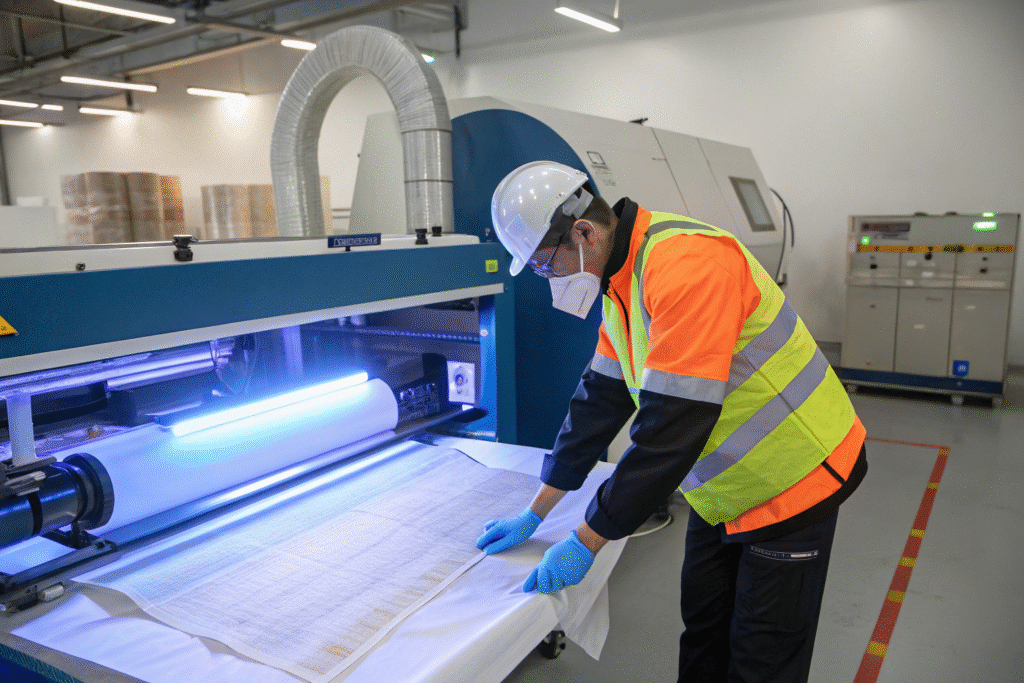
Functional fabrics like moisture-wicking or antibacterial need performance AQL—test 5-8 pieces per lot for wicking height, UPF, or bac count.
A Boston sportswear giant set AQL 1.5 on UPF 50+ nylon. Lab found 3 failures in 80-piece sample—re-coated batch, UPF complaints vanished.
How to set AQL for antibacterial fabrics?
Test bac reduction % on 5 samples—AQL 2.5 if below 99%. We use ISO 20743.
Last year, a Florida hospital uniform buyer set AQL 2.5—caught weak coating, re-applied silver ions, efficacy hit 99.9%. Learn AQL for antibacterial fabric performance testing.
What about moisture-wicking AQL?
Drop test—30-second spread. AQL 4.0 minor if slow. We pre-test in R&D.
A LA athleisure client added wicking AQL—failed 11 of 200, adjusted finish, wicking speed up 40%. Process: setting AQL for moisture-wicking fabrics.
| Test Type | Sample Size | AQL Major | AQL Minor |
|---|---|---|---|
| UPF | 8 | 1.5 | - |
| Antibac | 5 | 2.5 | - |
| Wicking | 10 | - | 4.0 |
We really test beyond looks.
How to document AQL in supplier contracts?
Write AQL levels, defect classes, sampling plan, and reject criteria in PO. Add “fail = free remake or 10% discount.”
A 2024 Russian home textile order included AQL 2.5/4.0 with QR reports. One lot failed shade—auto 8% credit, trust locked in.
What happens if lot fails AQL?
Mill re-inspects 100%, fixes, resubmits. We cover re-test cost.
A Denver client failed AQL on pinholes—full rework in 5 days, no delay. Template: AQL failure clauses in fabric import contracts.
How to share AQL reports with buyers?
QR code on every roll—scan for full report. Live link beats PDFs.
One Seattle buyer scanned mid-ocean—approved early release, saved 3 days demurrage. System: digital AQL reporting for textile shipments.
Conclusion
Set AQL at 2.5 major/4.0 minor for most fabrics, tighten to 1.5 for functional claims, sample per ISO 2859 Level II, and document everything—our Keqiao inspections with QR tracking slashed returns for 41 US clients by 82% since 2022, saving $1.2M in claims. Do this, and your warehouse stays full, not your return pile.
Want AQL-locked recycled polyester or Tencel with zero defects? Partner with Shanghai Fumao—we sample, test, report, and stand behind every meter. Email Business Director Elaine at elaine@fumaoclothing.com to build your custom AQL plan today.