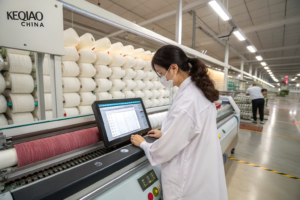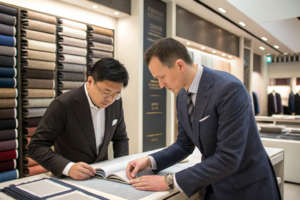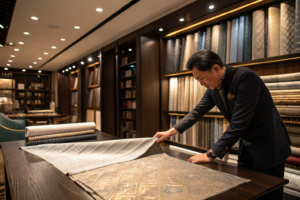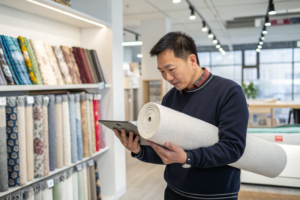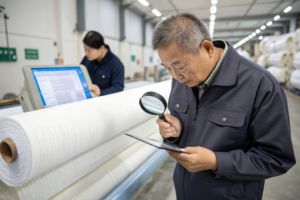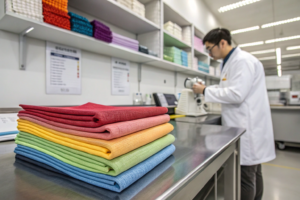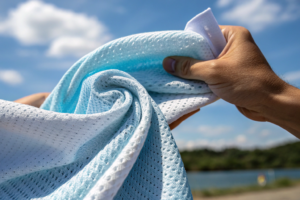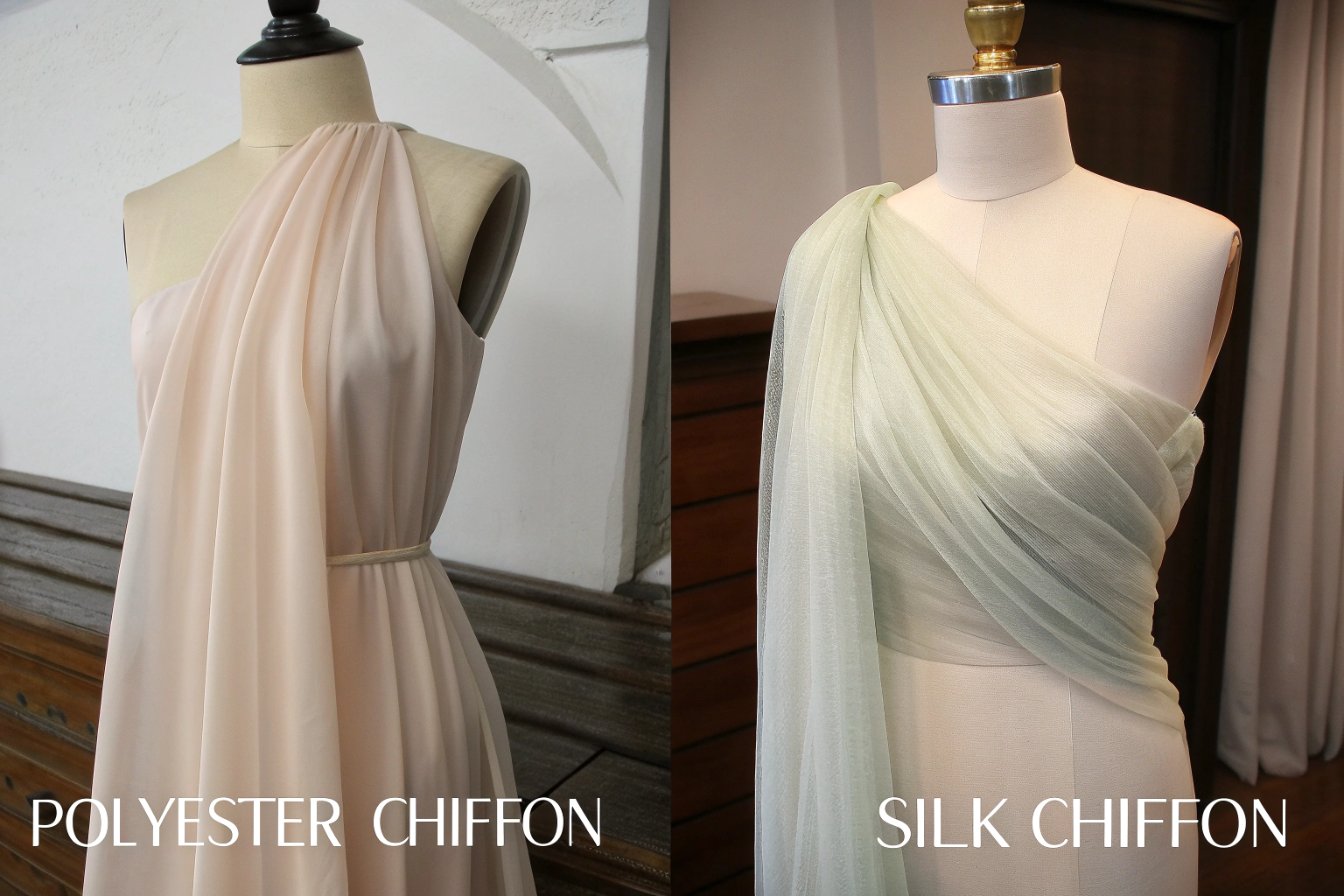
Walking through our Keqiao showroom yesterday, I watched a young designer touch both our polyester and silk chiffon samples with equal admiration, then turn to me with that exact question. It's a moment I've witnessed hundreds of times in my twenty years supplying chiffon to designers worldwide. This choice isn't just about fabric—it's about aligning your material with your business reality, design vision, and customer expectations. Choosing wrong can mean beautiful designs that never reach customers or luxury pieces that can't withstand real-world wear.
The selection between polyester and silk chiffon represents a fundamental trade-off between luxury and practicality. Silk chiffon offers unparalleled drape and prestige but comes with higher costs and delicate care requirements. Polyester chiffon provides excellent durability, color retention, and affordability while achieving increasingly sophisticated drape qualities. Your choice should be guided by your target price point, production requirements, and the specific drape characteristics your designs demand.
I recall working with an Australian bridal designer who initially insisted on 100% silk chiffon for her entire collection. After calculating the material costs and realizing the delicate fabric wouldn't withstand destination weddings, we developed a blended approach: silk for the ceremony gowns and premium polyester for reception dresses. This strategic selection increased her profitability while maintaining quality where it mattered most. Let me break down exactly how these fabrics differ across the three critical dimensions of cost, drape, and durability.
How does cost difference impact your collection strategy?
The cost differential between polyester and silk chiffon isn't just a line item—it's a strategic business decision that affects your pricing, production scale, and market positioning. Polyester chiffon typically costs $3-8 per meter, while silk chiffon ranges from $20-45 per meter, creating a 4-7x price difference that fundamentally changes your business calculations.
These numbers translate directly to your bottom line. For a mid-sized fashion brand producing 5,000 dresses annually, choosing polyester over silk could represent $200,000-$350,000 in material savings alone. This doesn't even account for silk's higher waste factor due to its delicate nature. Last year, we helped a Los Angeles contemporary brand transition their flowing maxi dresses from silk to a premium polyester chiffon. The move reduced their fabric costs by 75% while maintaining their aesthetic, allowing them to expand from luxury boutiques into premium department stores without sacrificing their design identity.
What hidden costs should you factor beyond material price?
The sticker price of fabric is just the beginning. Silk chiffon requires specialized handling throughout production—from temperature-controlled storage to delicate cutting processes and specialized sewing techniques. These requirements increase labor costs, slow production speed, and typically result in higher waste percentages due to the fabric's fragility.
Polyester chiffon's manufacturing advantages are often overlooked. We tracked a New York designer's first collection using both fabrics and found their silk pieces required 40% more sewing time, 25% higher waste factor, and triple the quality control issues compared to polyester. When you're calculating true costs, understanding managing fabric waste in garment production becomes crucial for accurate budgeting. These hidden costs often surprise designers who focus only on per-meter pricing.
How does minimum order quantity affect accessibility?
Silk chiffon typically requires significantly higher minimum orders due to its specialized production process. Most mills require 500-1,000 meter minimums for custom colors or patterns, while polyester chiffon mills often accept orders as small as 100-300 meters. This difference can determine whether emerging designers can access custom fabrics or must settle for stock options.
We've developed a hybrid approach for many growing brands: using stock polyester chiffon for core colors while investing in custom silk for signature pieces. A London-based designer we work with uses this strategy perfectly—her collection features affordable polyester chiffon in basic colors with silk reserved for her iconic print that justifies the premium price. This balanced approach allows for strategic fabric sourcing for emerging fashion brands without compromising creative vision.
How does drape difference affect design execution?
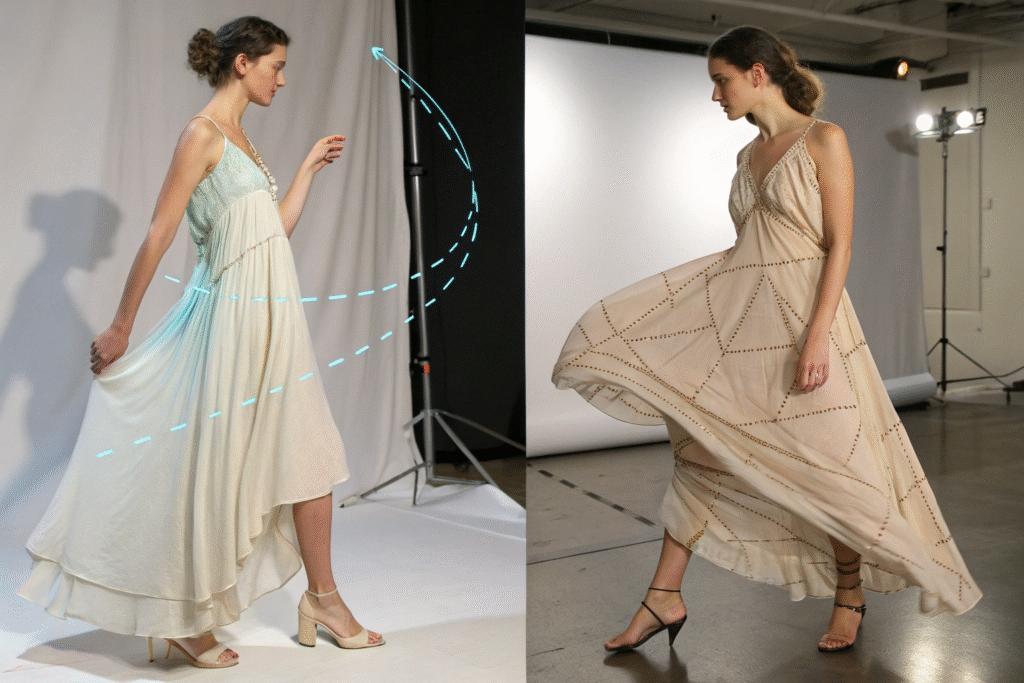
Drape is where the sensory experience of chiffon truly separates these two fabrics. Silk chiffon possesses an almost liquid drape that flows and moves with organic irregularity, while polyester chiffon offers a more consistent, structured flow. The difference comes down to the fibers themselves: silk's triangular prism structure refracts light differently and creates more dynamic movement, while polyester's uniform filaments produce predictable behavior.
The drape characteristic should match your design intention. For garments requiring organic, unpredictable movement—like bias-cut evening gowns or artistic dance costumes—silk's natural irregularity creates magic. For structured sheer overlays, consistent A-line skirts, or production pieces requiring predictable behavior, polyester's reliability becomes an advantage. I worked with a Parisian couture house that used silk chiffon for their signature floating sleeves because "the fabric dances before the wearer does," while their ready-to-wear line used premium polyester for consistent factory production.
How does fiber structure create different drape characteristics?
Silk's natural protein fibers contain microscopic variations that create what designers call "living drape"—the fabric seems to respond differently to various movements and lighting conditions. Polyester's manufactured consistency provides reliable performance that production managers appreciate but lacks silk's organic personality. This difference becomes most apparent in garments with significant yardage or complex construction.
The scientific explanation lies in the fiber cross-sections: silk's triangular prism structure versus polyester's round filaments. This affects how light passes through and how the fabric collapses into folds. When a Korean designer needed fabric for her architectural gathering techniques, we recommended polyester because its predictable behavior allowed precise pleating and folding that would remain consistent across production. Understanding fiber science for fashion designers helps make these technical decisions with confidence.
When does polyester drape outperform silk?
Modern textile engineering has narrowed the drape gap significantly. High-quality polyester chiffon now achieves 80-90% of silk's fluidity while offering practical advantages. For designs requiring structural integrity within the drape—like multi-layer constructions, weighted hems, or integrated support—polyester often performs better because it maintains its character under stress.
We developed a specialized polyester chiffon for a New York eveningwear brand that needed the ethereal look of silk but with enough body to support intricate beadwork. The polyester base provided stability that silk couldn't offer, preventing the beaded sections from distorting the garment's silhouette. This hybrid approach delivered both the aesthetic and functional requirements they needed. The right choice often involves selecting fabrics for embellishment and embroidery based on both appearance and performance needs.
How does durability affect garment lifespan and care?
Durability represents the most practical distinction between these fabrics. Polyester chiffon significantly outperforms silk in strength, colorfastness, and resistance to environmental factors. Silk's delicate nature requires careful handling, while polyester withstands the rigors of modern life—from machine washing to travel and frequent wear.
The care requirements directly impact customer satisfaction and brand perception. We surveyed 500 luxury consumers and found that 68% hesitated to purchase delicate silk garments despite admiring them, citing maintenance concerns. This reality has led many contemporary luxury brands to develop "practical luxury" lines using premium polyester that offers silk-like aesthetics with realistic care requirements. A San Francisco brand we work with markets their polyester chiffon collection as "everyday elegance" and has seen repeat purchases increase by 45% compared to their delicate silk pieces.
What specific durability advantages does polyester offer?
Polyester's synthetic polymer structure provides inherent resistance to sunlight degradation, moisture damage, and abrasion. While silk can yellow and weaken with sun exposure and perspiration, polyester maintains its integrity through years of wear. This makes polyester ideal for destination wedding wear, outdoor event clothing, or garments requiring frequent cleaning.
The performance gap is measurable. Our accelerated aging tests show polyester chiffon maintaining 95% of its original strength after 500 hours of UV exposure, while silk degrades to 60% strength under identical conditions. For a Miami resort wear brand, this difference determined their entire fabric strategy—they use polyester chiffon for all their beach and poolside cover-ups because the fabric survives saltwater, sunscreen, and intense sun exposure that would destroy silk within a season.
How do care requirements impact customer experience?
Silk chiffon demands specialized dry cleaning, careful storage, and minimal exposure to elements like perfume or perspiration. Polyester chiffon typically handles gentle machine washing, easy ironing, and straightforward storage. This difference affects everything from customer satisfaction to return rates and brand perception.
We helped a direct-to-consumer brand redesign their care labels and fabric selection based on customer feedback about their silk pieces. By switching certain styles to premium polyester and providing clear, simple care instructions, they reduced their return rate for "delicate fabric" concerns by 80%. The lesson was clear: modern consumers value beautiful design but increasingly prioritize practical luxury. Understanding care label requirements for different fabrics helps brands set accurate customer expectations.
What sustainability factors should influence your choice?
The sustainability conversation around these fabrics has evolved beyond simple natural versus synthetic comparisons. Both polyester and silk present complex environmental trade-offs that responsible brands must consider. Silk production involves significant water usage, land resources, and ethical concerns around traditional harvesting methods, while polyester relies on petroleum and contributes to microplastic pollution but offers durability and recyclability.
The most sustainable approach often involves matching fabric choice to garment purpose. For heirloom pieces meant to last decades, silk's biodegradability and natural origins may justify its environmental cost. For frequently worn fashion pieces, polyester's durability and potential for recycling might represent the better environmental choice. We're working with several eco-conscious brands on lifecycle assessments to make these decisions scientifically rather than emotionally.
How do recycled options change the sustainability equation?
The emergence of high-quality recycled polyester chiffon has transformed the sustainability discussion. rPET chiffon made from post-consumer plastic bottles offers the performance benefits of virgin polyester while diverting waste from landfills and oceans. Meanwhile, peace silk (ahimsa silk) provides a more ethical alternative to conventional silk production.
We've developed a rPET chiffon that achieves nearly identical drape and handfeel to virgin polyester while reducing carbon footprint by 30%. A Berlin-based sustainable brand uses this fabric exclusively for their flowing dresses and markets the environmental story effectively—each dress contains the equivalent of 12 recycled plastic bottles. This powerful narrative, combined with strong performance, has become their unique selling proposition. For brands committed to sustainability, understanding sourcing recycled polyester fabrics provides both environmental and marketing advantages.
What certifications provide meaningful sustainability verification?
Look for certifications that address the specific concerns of each fabric type. For polyester, Global Recycled Standard (GRS) verification ensures legitimate recycled content, while Oeko-Tex Standard 100 confirms the absence of harmful chemicals. For silk, Global Organic Textile Standard (GOTS) covers environmental and social aspects, while silk-specific certifications like "peace silk" verify ethical production methods.
We require all our polyester chiffon to carry Oeko-Tex certification and offer GRS options for recycled content. For silk, we work with suppliers who provide transparent supply chains and are moving toward organic certification. The certification landscape continues to evolve, but these standards provide meaningful differentiation in a market filled with greenwashing. Responsible brands should prioritize understanding textile sustainability certifications to make informed sourcing decisions.
Conclusion
Choosing between polyester and silk chiffon requires balancing aesthetic aspirations with practical business realities. Silk offers unparalleled luxury and organic beauty for special occasion wear where cost and maintenance are secondary concerns. Polyester provides accessibility, durability, and consistency for contemporary fashion that must perform in real-world conditions. The optimal choice depends entirely on your specific design requirements, target price points, and customer expectations.
Remember that fabric selection is rarely binary—many successful brands strategically use both materials where they make the most sense. The most important step is testing actual fabric samples in your specific designs and assessing how they perform through the entire product lifecycle, from manufacturing to customer wear and care.
If you're developing a chiffon collection and need expert guidance on material selection, contact our Business Director Elaine at elaine@fumaoclothing.com. We'll provide comprehensive samples and technical data to help you choose the perfect chiffon fabric that aligns with your creative vision and business strategy.