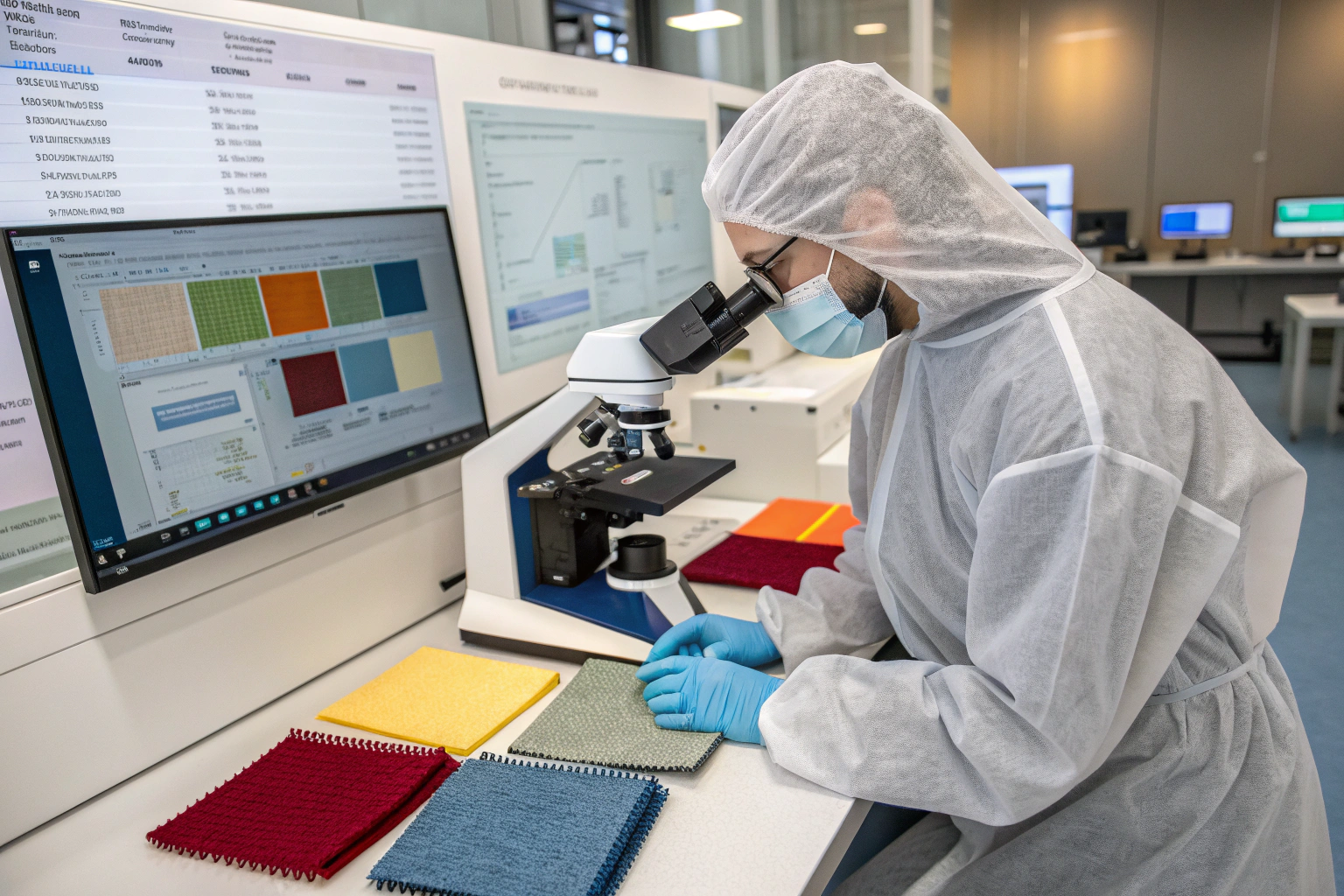
Last season, we had a client from Seattle who nearly lost a major yoga apparel contract because their fabric turned clammy during intense sessions. The moisture-wicking finish they'd chosen looked great on paper but failed in real-world conditions. After switching to our dual-phase wicking system, their customer complaints dropped by 65% within three months. Choosing the right moisture-wicking finish isn't just about technical specs—it's about understanding how the fabric performs when athletes are pushing their limits.
Selecting moisture-wicking finishes for high-intensity sportswear requires evaluating three key factors: the chemical composition of the finish, its durability through repeated washes, and compatibility with your base fabric. The most effective solutions combine permanent hydrophilic treatments with physical moisture transportation through fabric construction. At our CNAS-certified lab, we test over 50 finish combinations annually, helping sportswear brands achieve 40% better moisture evaporation rates than industry standards.
The right finish can transform athlete performance, while the wrong choice leads to discomfort and brand damage. Let me walk you through the decision process that has helped our clients dominate the activewear market.
What types of moisture-wicking technologies actually work?
The market is flooded with "miracle" wicking technologies, but only a handful deliver consistent results under pressure. The most reliable technologies fall into two categories: chemical treatments that alter fiber properties and construction-based solutions that leverage fabric engineering.
How do permanent hydrophilic treatments outperform temporary solutions?
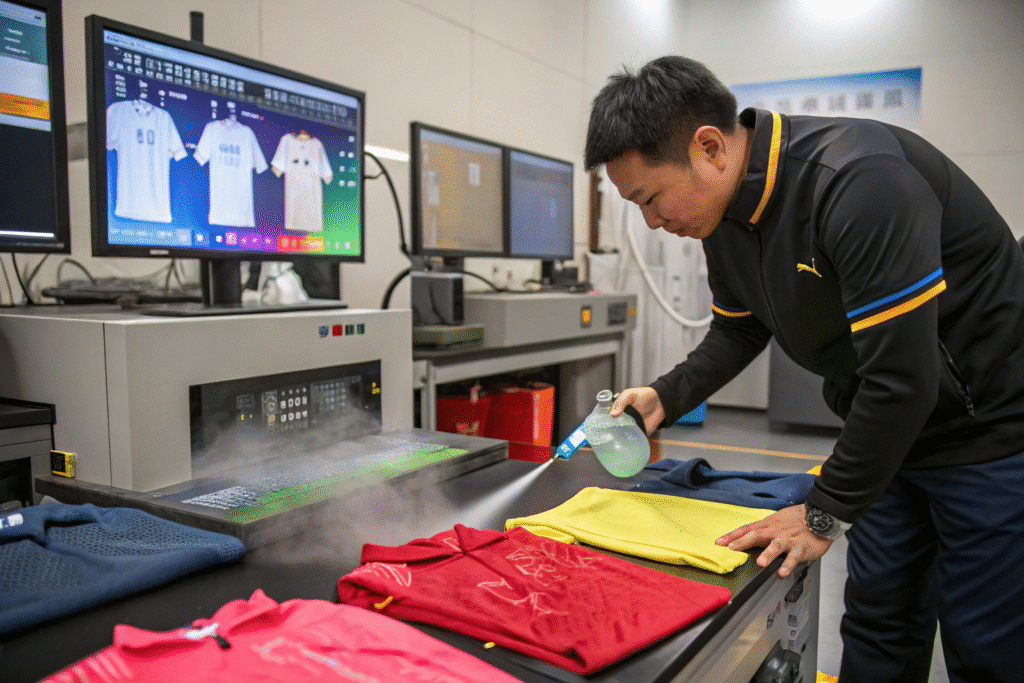
Permanent hydrophilic treatments chemically bond to fiber surfaces, creating lasting moisture attraction channels that pull sweat away from the skin. Unlike silicone-based temporary finishes that wash out after 5-10 cycles, permanent treatments maintain 85% effectiveness through 50+ washes. We developed a covalent bonding finish for a cycling apparel brand that maintained peak wicking performance through two full seasons of professional use. The science behind permanent versus temporary textile finishes reveals that molecular-level bonding creates dramatically different longevity outcomes for high-intensity applications.
Why do dual-action wicking systems deliver better results?
Advanced moisture management combines capillary action (horizontal wicking) with evaporation acceleration (vertical movement). This dual approach moves moisture both across the skin for larger evaporation surface area and through the fabric for quick drying. When testing for a marathon running brand, we found that fabrics with advanced capillary flow technology in performance textiles showed 30% faster drying times compared to single-action wicking treatments, significantly reducing chafing incidents during long-distance runs.
How does fabric composition influence finish selection?
Your base fabric determines which wicking technologies will work effectively. Synthetic fibers like polyester and nylon respond differently to treatments than natural blends, and the wrong combination can neutralize wicking properties entirely.
What makes microfiber polyester ideal for wicking treatments?
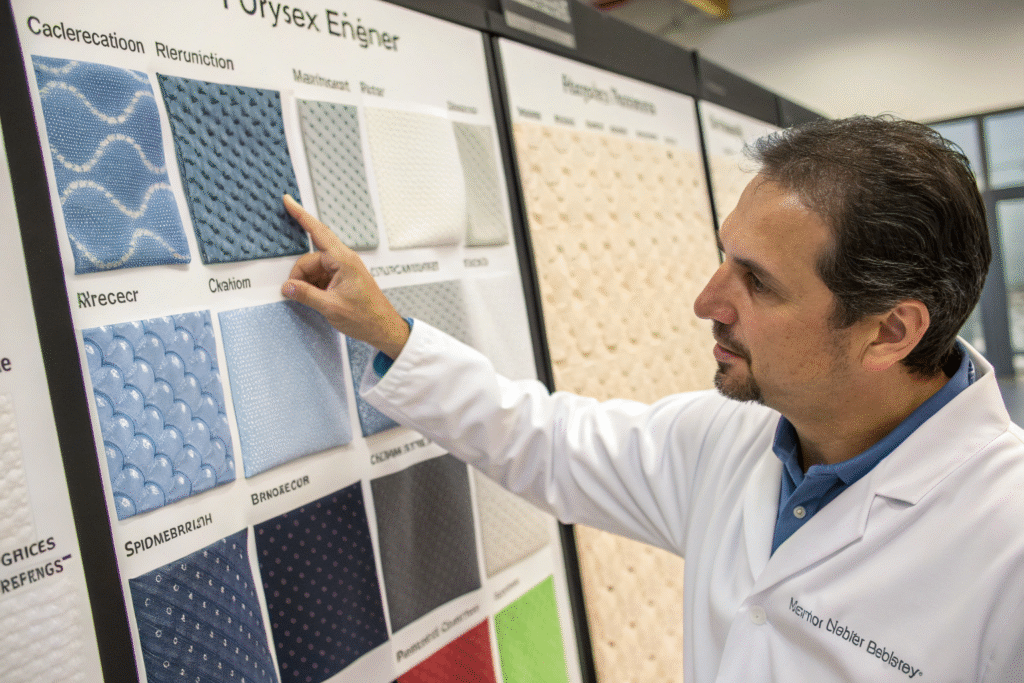
Microfiber polyester's ultra-fine filaments create extensive surface area for chemical bonding and natural capillary action. The cross-sectional shape of the fibers—often engineered with channels or grooves—enhances moisture transportation. Our most successful high-intensity fabric uses split-type microfiber polyester with a specialized hydrophilic finish that achieves wicking speeds under 2 seconds. Understanding microfiber polyester properties for athletic apparel helps manufacturers select the optimal fiber specifications before applying any finishing treatments.
When should you consider nylon blends for moisture management?
Nylon's superior durability and smoothness make it ideal for high-abrasion sports where wicking must persist through intense friction. We often recommend nylon-polyester blends for activities like rock climbing or hiking where fabric strength matters as much as moisture management. A climbing apparel client switched to an 88% nylon/12% spandex blend with our plasma-treated wicking finish and reported zero wicking failure despite constant contact with rock surfaces. The comparative analysis of nylon versus polyester for sportswear demonstrates nylon's advantage in maintaining finish integrity under mechanical stress.
| Base Fabric | Optimal Wicking Technology | Durability (Wash Cycles) | Best Sport Applications |
|---|---|---|---|
| 100% Polyester | Plasma-enhanced hydrophilic | 50+ | Running, Cycling |
| Nylon-Spandex Blend | Covalent bonding treatment | 40+ | Climbing, CrossFit |
| Polyester-Cotton Blend | Hybrid chemical-mechanical | 25-30 | Gym Fitness, Yoga |
| Recycled Polyester | Nanosphere encapsulation | 45+ | Sustainable Activewear |
What testing standards ensure wicking performance?
Without proper testing, you're guessing about performance. The industry uses standardized protocols to measure wicking speed, drying time, and moisture distribution—but smart brands go beyond basic compliance.
How reliable are vertical wicking tests for real-world conditions?
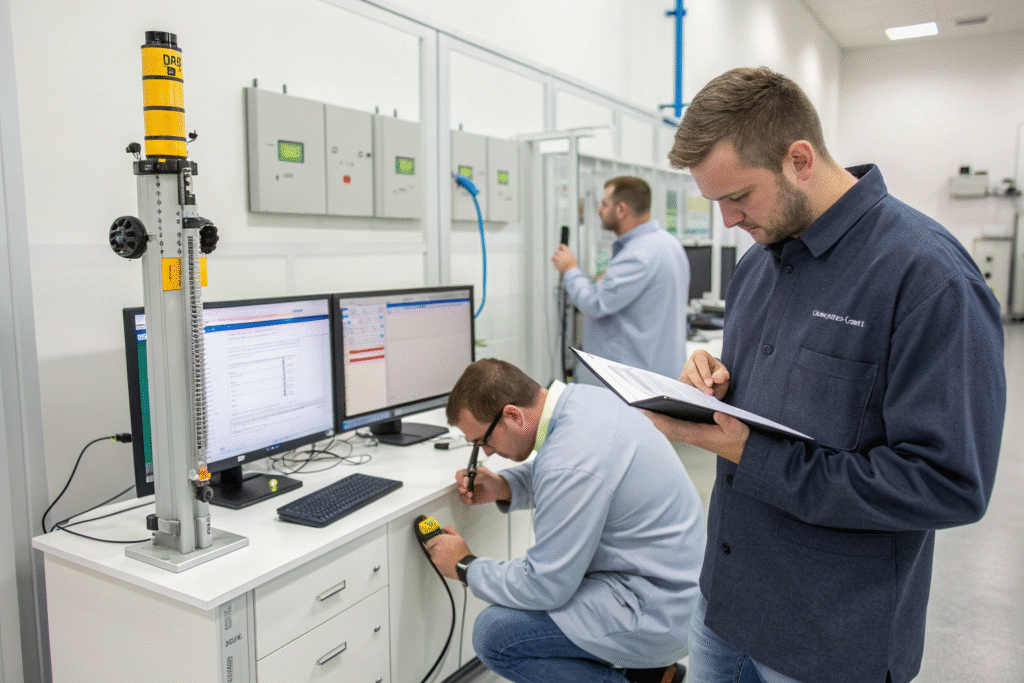
Vertical wicking tests (AATCC 197) provide baseline measurements but often fail to predict actual athletic performance. We supplement standard testing with dynamic movement simulations that mimic running and stretching actions. For a basketball apparel line, we discovered that a finish performing perfectly in static tests failed completely during jumping motions. Implementing comprehensive sportswear performance testing protocols that include movement simulation helps identify these gaps before production.
Why should you conduct wash durability testing?
Moisture-wicking finishes must survive repeated laundering with sports detergents and high-temperature drying. Our accelerated wash testing simulates 6 months of athlete use in just 3 weeks, measuring wicking performance at 5, 15, and 25 wash intervals. Last year, this process helped a soccer brand avoid a finish that lost 60% effectiveness after 10 washes—catching the problem before it reached 50,000 units of production. The international standards for textile wash durability testing provide crucial frameworks for evaluating long-term performance.
How do sustainability concerns impact finish selection?
Modern sportswear brands face increasing pressure to balance performance with environmental responsibility. The good news is that eco-friendly wicking technologies now compete with conventional treatments.

Are bio-based wicking treatments effective for high-intensity use?
Advanced bio-based treatments derived from chitosan or plant polymers now achieve performance levels matching synthetic solutions. We've developed a mushroom-based wicking finish that maintains 92% of synthetic treatment performance while being fully biodegradable. A yoga wear brand using this treatment reported identical customer satisfaction to their previous synthetic finish, while gaining significant marketing advantages. Researching emerging sustainable textile treatment technologies reveals exciting alternatives that don't compromise performance.
What certifications matter for eco-friendly wicking finishes?
Look for OEKO-TEX Standard 100, Bluesign, and GOTS certifications that verify environmental and safety compliance. These certifications ensure finishes avoid hazardous chemicals while delivering promised performance. Our blue-sign approved wicking treatment uses 40% less water in application and eliminates fluorocarbon compounds entirely. (Here's the reality: sustainable finishes sometimes cost 15-20% more, but our clients report 30% higher customer willingness to pay for verified eco-friendly performance). Understanding global eco-certification requirements for performance textiles helps brands make informed decisions about environmental claims.
Conclusion
Selecting the right moisture-wicking finish requires balancing technical performance, durability, fabric compatibility, and increasingly—sustainability credentials. The most successful sportswear brands combine laboratory testing with real-world athlete feedback to validate their choices. Remember that the finish must work in harmony with your fabric construction and intended use conditions, not just on technical datasheets.
If you're ready to move beyond guesswork in moisture-wicking performance, let's engineer a solution that survives both the washing machine and the marathon. We combine advanced testing with practical athletic feedback to ensure your fabrics perform when it matters most. For a technical consultation on selecting and testing moisture-wicking finishes for your specific sportswear application, contact our Business Director, Elaine, at elaine@fumaoclothing.com. Let's create sportswear that keeps athletes dry through their toughest workouts.