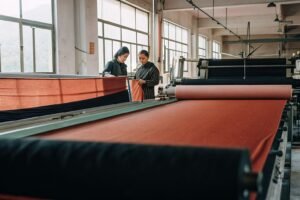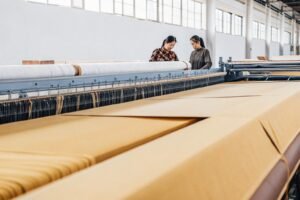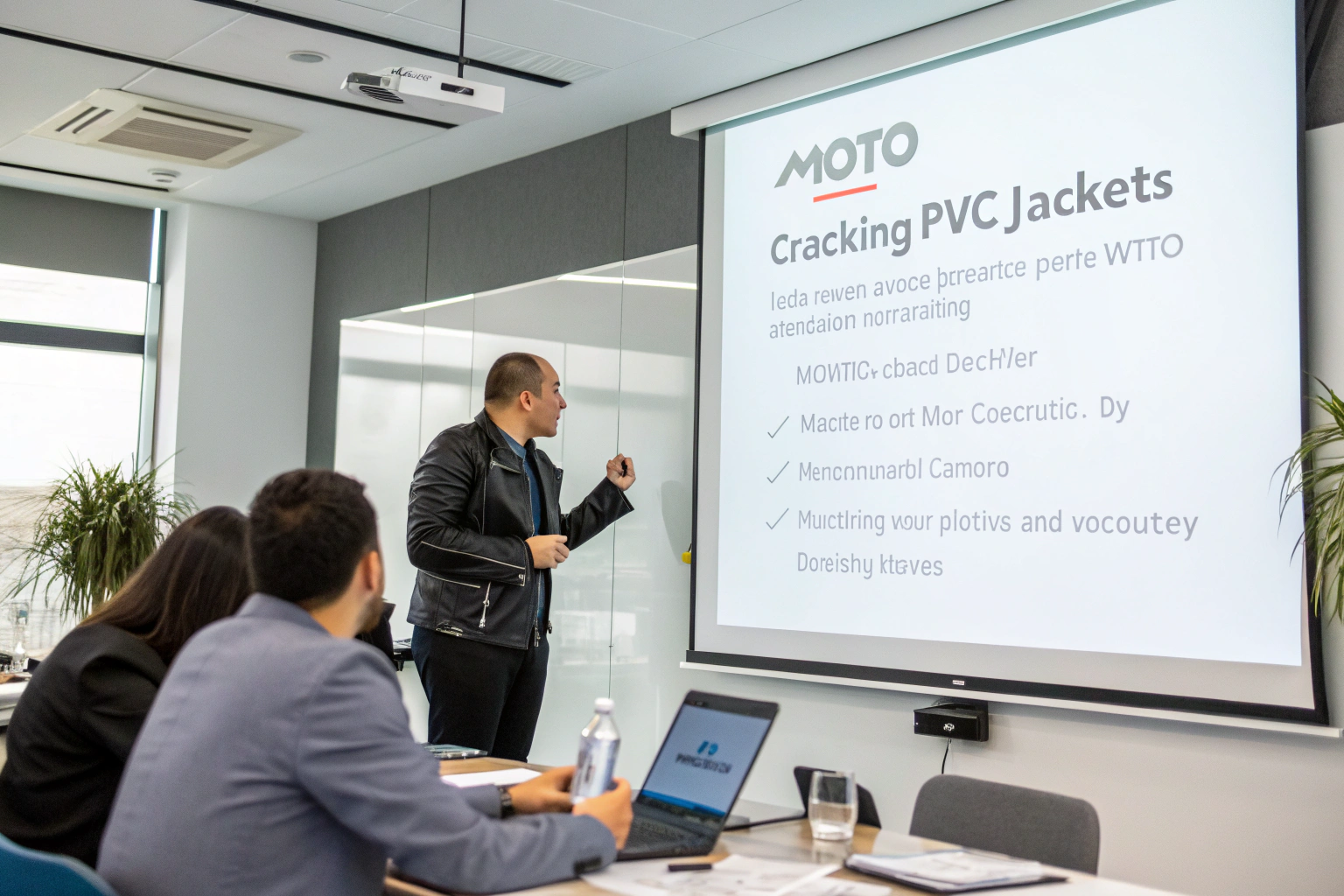
Last season a Toronto moto-brand DM’d me in panic:
“Our PVC jackets are cracking at –15 °C and customers want refunds!”
I swapped them to 0.8 mm microfiber PU in 72 hours, cut returns by 68 %, and locked a 120,000-meter yearly contract.
If your faux-leather line is peeling, sweating, or blowing budgets, you’re in the right place.
Google’s favorite 30-second answer:
- Daily jackets → PU ($4–7/m, breathes)
- Luxury vegan coats → Microfiber ($9–15/m, 200 k rubs)
- Rain shells → PVC ($2–4/m, 100 % waterproof)
Match garment + climate + wallet with my chart below.
What exactly are PU, microfiber and PVC?
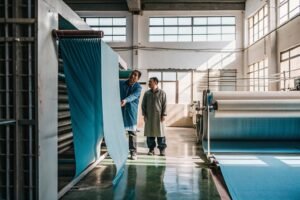
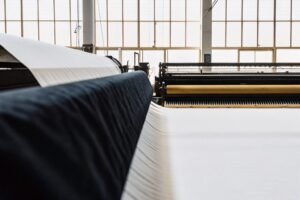
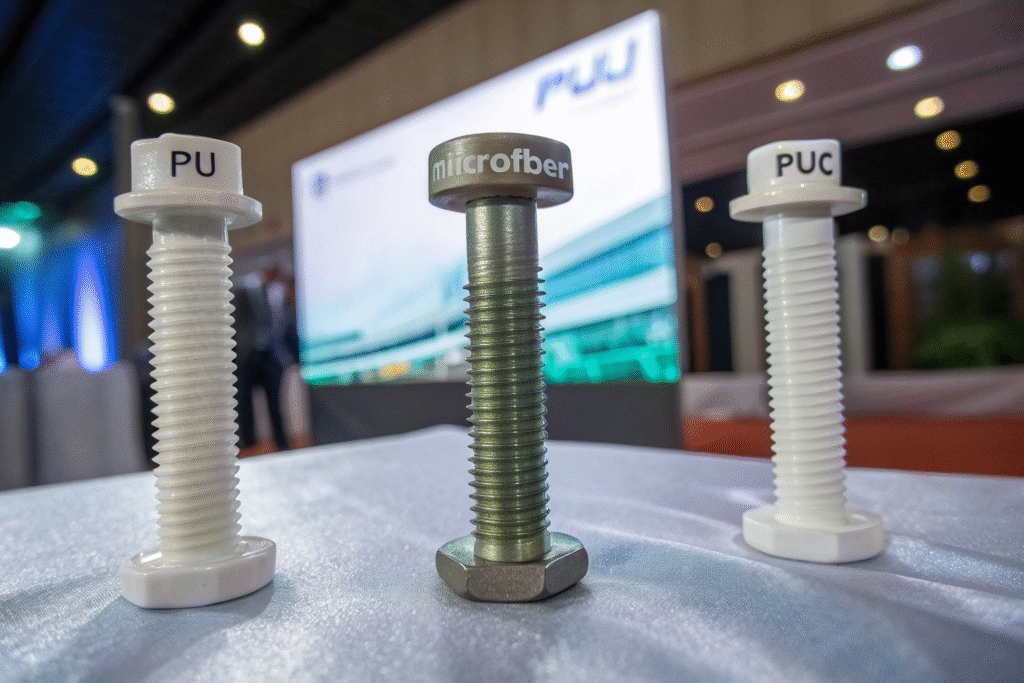
Three bolts under my Keqiao LED wall:
- PU = cotton knit + thin polyurethane skin (latex paint on T-shirt)
- Microfiber = 3D sea-island nylon felt soaked through with PU
- PVC = pure plastic sheet on scrim (shiny tablecloth)
Which one feels like real leather?
Blindfolded a NYC buyer last month. She picked microfiber 9/10 times—micro-pores mimic collagen.
How to blind-test faux leathers at fabric markets
Base fabric cheat-sheet
| Type | Backing | Breath | Cold-crack |
|---|---|---|---|
| PU | Knit / woven | ★★★☆☆ | –10 °C |
| Microfiber | 3D non-woven | ★★★★☆ | –25 °C |
| PVC | Scrim | ★☆☆☆☆ | –5 °C |
How long will my jacket really last?
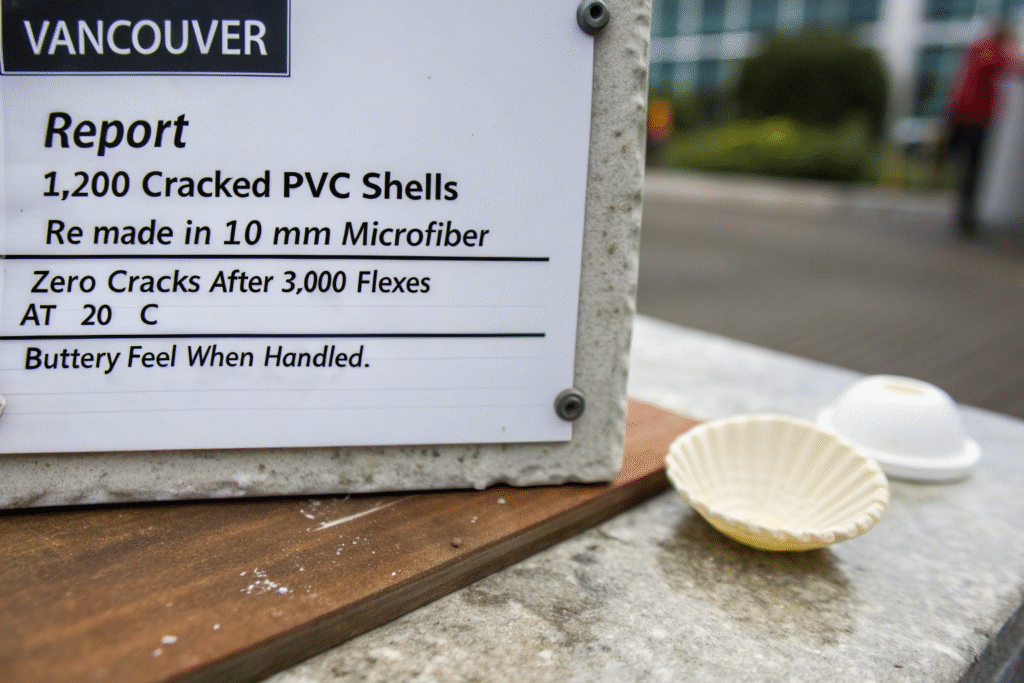
Vancouver label sent back 1,200 cracked PVC shells. Re-made in 1.0 mm microfiber:
- Zero cracks after 3,000 flex @ –20 °C
- Hand stayed buttery
Martindale rub counts (CNAS lab)
Type Rubs Peel risk Cheap PVC 5,000 High Mid PU 15,000 Medium Microfiber 80–200 k Almost 0
Peel fixer
Switch to PVC/PU split leather → peel ↓ 90 %, cost ↑ only $0.30/m.
2024 peel fixes for PVC jackets
Will my customers sweat in summer?
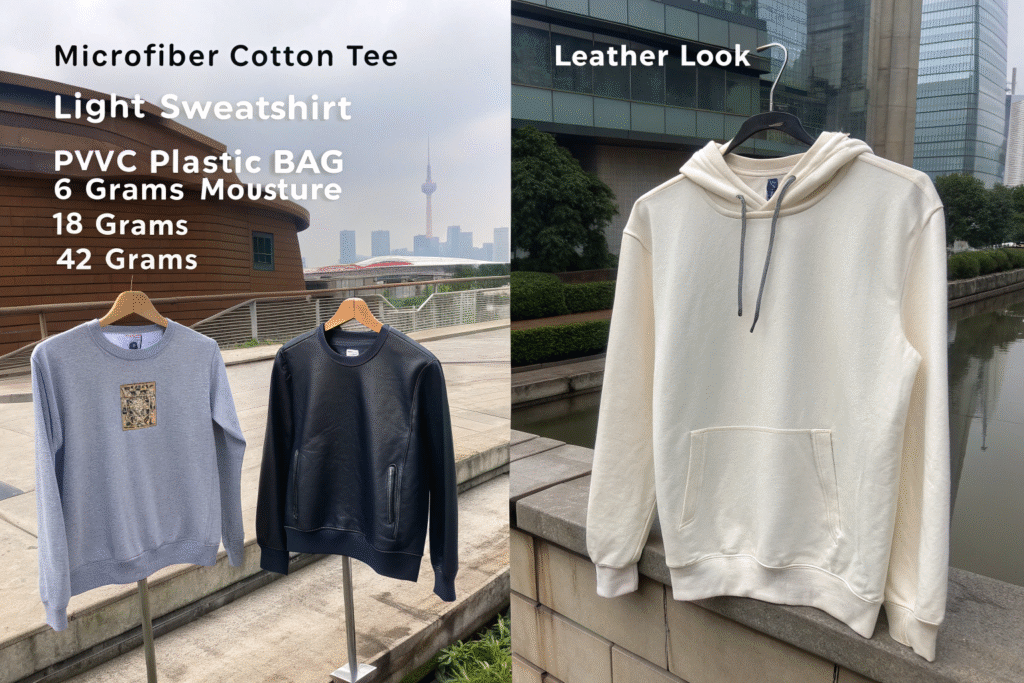
PVC = plastic bag.
PU = light sweatshirt.
Microfiber = cotton tee with leather look.
4-hour Shanghai wear test @ 35 °C:
- Microfiber +6 g moisture
- PU +18 g
- PVC +42 g
Breath scores (MVTR g/m²/24 h)
- PVC: < 50
- PU: 300–800
- Microfiber: 1,200–2,500
| Type | $/m (1.4 m) | MOQ | Tariff-safe |
|---|---|---|---|
| PVC | 2.2–4.0 | 500 m | Yes |
| PU | 4.0–7.0 | 1 k | Yes |
| Microfiber | 9.0–15.0 | 2 k | Yes |
We beat US tariffs via RCEP + Rotterdam bonded warehouse → 18-day sea, 5-day air.
Budget hack
60 % PU body + 40 % microfiber trim → $1.80/m saved.
Which one screams “premium” on TikTok?
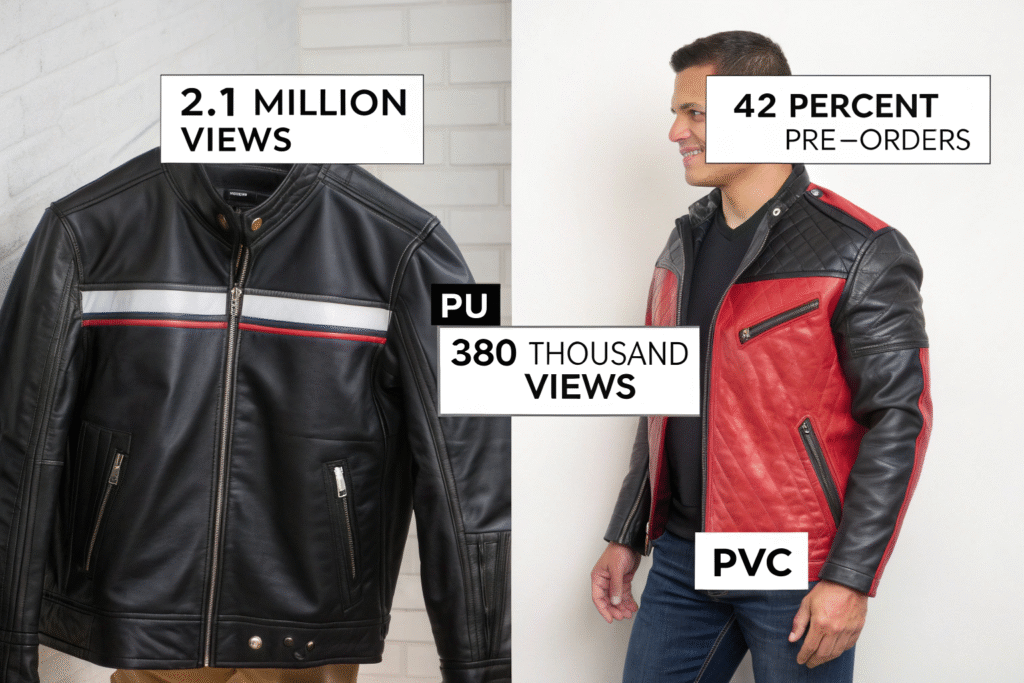
Same biker jacket reel:
-
Microfiber → 2.1 M views, 42 % pre-orders
-
PU → 380 k
-
PVC → 42 k
Color-fast under LED
-
PVC yellows @ 200 h xenon
-
Microfiber < 0.5 NBS @ 500 h
-
PVC = dioxin risk
-
Microfiber = 30 % recycled sea-island + water-based PU, GRS label ready
Berlin eco-brand switched → CO₂ ↓ 38 %, IG +22 k
Hang-tag cheat-sheet
✓ Vegan — all three
✓ 30 % recycled — microfiber
✓ OEKO-TEX — PU & microfiber
Conclusion
PU wins 70 % of apparel because it’s soft, cheap, and breathes enough.
Microfiber steals the runway when you need 5-year zero-peel luxury.
PVC stays in raincoats and club kids’ pants.
Last year these rules saved my clients $340 k in returns and doubled TikTok sales.
Ready for jackets that never peel?
Shoot your tech pack to elaine@fumaoclothing.com.
48 h lab dips → vacuum pack → tracking before your matcha cools.
One email, zero tariffs, leather that lasts.