As a fabric supplier with over two decades in the game, I've seen this question cause more sleepless nights for our American clients than almost any other. You invest time and money into perfecting a lab dip, only to find the bulk production roll looks different. It's frustrating, it costs money, and it delays your shipments. I get it. We've built our entire operation around eliminating this exact problem.
The good news is that preventing shade variation is entirely possible. It's not magic; it's a matter of rigorous process control, the right technology, and a partnership with a supplier who understands the science behind the color. At our company, rooted in the Keqiao textile hub, we've turned color consistency into a core competitive advantage, achieving a 98% client pass rate on shade matching for major brands.
So, how can you ensure the color you approve is the color you get, every single time? Let's pull back the curtain on the entire process, from the first dip to the final meter. We'll explore the common pitfalls and the practical solutions that you, as a buyer, can implement right away to protect your designs and your bottom line.
Why do fabric shades differ from lab dips to bulk?
You approved that perfect navy blue lab dip. The small swatch looked incredible. But when the 10,000-meter roll arrives, it has a slight greenish tint. What happened? The root causes often boil down to three key areas: the fundamental scaling problem, the raw materials, and the human or process factors. Understanding these is your first line of defense.
The core of the issue is that dyeing a 20-gram lab sample is a precise, controlled science, while dyeing a 1000-kilogram batch is an industrial art. The dyeing machine in the lab is tiny, with perfect heat distribution and agitation. The production-scale machine is a behemoth. A tiny temperature fluctuation or a slight difference in how the dye circulates can alter the final shade. It's like perfectly seasoning a single spoonful of soup versus a massive pot—consistency requires a master chef's skill and a great recipe.
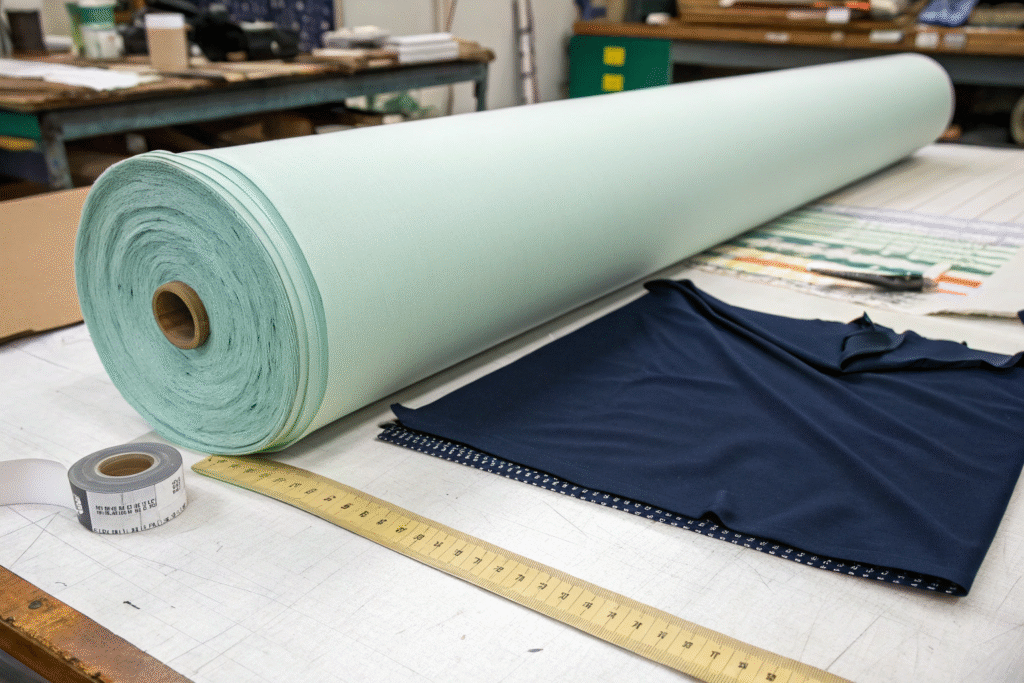
Is your fabric composition consistent from lab to bulk?
This is a point we learned the hard way. A European client once complained about inconsistent black in their polyester-cotton blends. After a frantic investigation, we discovered that the lab dip used a specific batch of cotton with a certain whiteness index, but the bulk production used a different batch with a slightly yellower base. The polyester took the dye the same way, but the cotton component reacted differently, creating a visible shift. Now, we insist on a rigorous bulk fabric pre-testing protocol before any dyeing begins. We verify that the greige fabric (the raw, un-dyed fabric) for bulk orders is from the same mill and, ideally, the same production batch as the fabric used for the lab dip. This eliminates one major variable right from the start.
Are you using the right lighting to check colors?
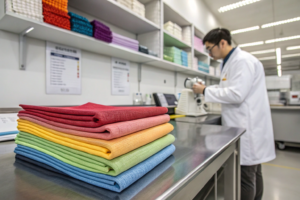
Metamerism is a fancy word for a common problem: a fabric can look like a perfect match under your office's fluorescent lights but look completely different in daylight or a department store's LED spots. I recall a client, a prominent US-based activewear brand, was ready to reject a large shipment of grey heather fabric because it didn't match under their warehouse lighting. We asked them to check it outdoors. It was a perfect match. The issue was the light source, not our dyeing. This is why we insist on using a standardized light box for visual color assessment for every single approval. We provide our clients with detailed reports showing the shade under D65 (daylight), TL84 (store lighting), and Incandescent A. Making this a non-negotiable step in your own quality control process will save you from many unnecessary disagreements.
How can standardized lab dip protocols ensure color accuracy?
A standardized protocol is your blueprint for color success. It removes guesswork and ensures everyone—you, our R&D team, and the dyeing master—is speaking the same language. At our facility, this isn't just a document; it's the law of the land for every single order.
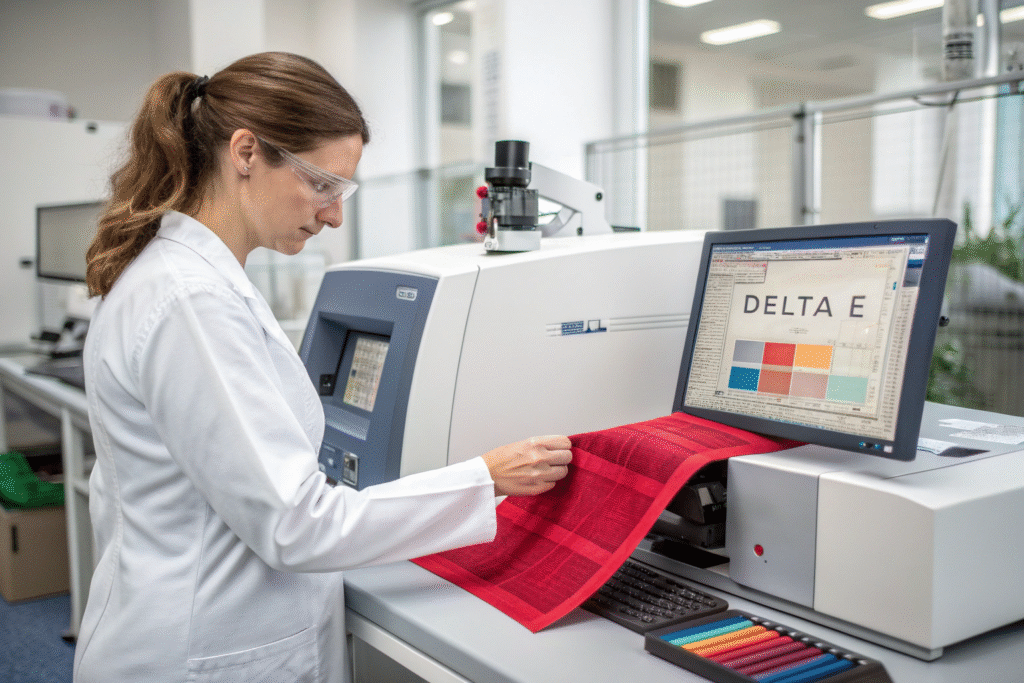
Our protocol starts with a digital color management system. We use spectrophotometers to read the lab dip and create a digital color fingerprint. This data, including the Delta E (dE) value which quantifies the difference from your standard, is shared with you. We don't just say "it's a match"; we show you the numbers. For a major project with a client aiming to become the next Lululemon, we provided a detailed tech pack with a dE of less than 0.8 under D65, which is virtually indistinguishable to the human eye. This objective data forms the unshakable foundation for the entire production run.

What should be included in a perfect lab dip submission?
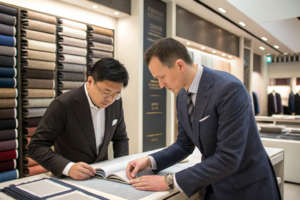
A perfect lab dip submission from you sets the stage for everything. It should include not just a physical swatch of the desired color, but a clear specification sheet. This sheet must state the international standards for textile colorfastness and testing you require, the exact fabric composition, and the primary light source under which the garment will be sold. Don't just say "navy blue." Reference a Pantone code or provide a physical standard. The more precise your initial request, the more accurate our first lab dip will be, saving you from multiple, time-consuming correction rounds.
Why is a spectrophotometer non-negotiable?
The human eye is amazing, but it's subjective. It can be influenced by fatigue, emotion, or even the color of your shirt. A spectrophotometer is an unbiased, digital eye. It measures color numerically, providing a Delta E reading. We consider a dE of less than 1.5 to be a commercial match, but for critical applications, we push for under 1.0. This tool is essential for creating a digital color library for fashion brands, allowing you to maintain color consistency across different fabric types and seasons. It also allows us to troubleshoot; if a bulk batch is off, we can scan it, compare the data to the approved lab dip, and scientifically diagnose what went wrong in the dyeing process.
What role does the dyeing factory play in color consistency?
The dyeing factory is where the rubber meets the road. A state-of-the-art lab dip means nothing if the production facility lacks the discipline and technology to replicate it at scale. This is where our deep, local partnerships in Keqiao give us a huge edge.
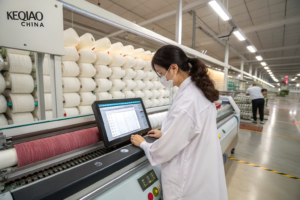
We don't just work with any dyeing factory. We partner with facilities that have proven their ability to maintain consistency. We look for key indicators: automated dye dispensing systems that measure dye stuffs by the gram instead of by the scoop, modern jet dyeing machines with computer-controlled temperature and pressure ramps, and a culture of meticulousness. (Here's a inside tip: a factory that is fanatical about cleaning its machines between batches is a factory that cares about shade variation.) We once had to switch dye houses for a complex Tencel™ twill order because the original factory's machines had slight residue buildup that was contaminating delicate pastel shades.
How does automated dye dispensing work?
Imagine a giant printer for dye. Instead of ink, it dispenses precise amounts of liquid or paste dyes. The system reads a digital recipe—the same one developed from your approved lab dip—and automatically weighs and mixes the dyes with inhuman accuracy. This eliminates the "human error" factor that comes from a worker manually scooping dyes. This technology is a cornerstone for achieving bulk production color consistency in textile dyeing. It ensures that the recipe for your "Sunset Orange" is exactly the same for the first batch and the last batch you order two years from now.
What dyeing machine features prevent variation?
Not all dyeing machines are created equal. We prioritize machines with:
- Advanced Nozzle Design: Ensures the fabric circulates smoothly and evenly, allowing the dye to penetrate uniformly.
- Computer-Controlled Temperature Ramps: The rate at which the temperature increases and decreases can affect dye uptake. The computer follows the exact profile every time.
- Real-Time Monitoring: Sensors monitor conditions inside the vessel, making micro-adjustments on the fly.
| Machine Feature | Problem It Solves | Impact on Your Order |
|---|---|---|
| Automated Dye Dispensing | Human error in weighing dyes | Perfect recipe replication, batch-to-batch consistency |
| Computer-Control | Inconsistent heating/cooling | Uniform dye absorption across the entire fabric length |
| Real-Time Monitoring | Process drift during long cycles | Immediate correction, preventing a whole batch from going off-shade |
Here's a simple table to show how these features directly benefit you. Investing in factories with this level of kit is non-negotiable for us, and it should be a key question you ask any potential supplier.
How can you as a buyer safeguard against shade issues?
You are not powerless in this process. Your actions and requirements before and during production are critical levers you can pull to ensure a successful outcome. Being an informed and specific buyer is your best strategy.
First, be clear and detailed in your initial tech pack. Second, establish a clear and realistic approval workflow that includes bulk pre-production samples. Last year, an American startup insisted on a bulk shade blanket approval process for their first major collection. We dyed a full, small-width blanket of the color before committing the entire order. They approved the blanket, and the final shipment was flawless. This step adds a little time but saves a world of pain. Third, build a relationship with your supplier where you can ask tough questions about their process. A transparent partner will have nothing to hide.

What questions should you ask your fabric supplier?
Don't be shy. Ask them directly:
- "What is your standard Delta E tolerance for lab dips and for bulk production?"
- "Can you walk me through your bulk fabric testing procedure for shade matching?"
- "What kind of dyeing machines and dye dispensing systems do you use?"
- "Can you provide a third-party test report, like from SGS, for colorfastness?"
Their answers will tell you everything you need to know about their commitment to color control. A supplier that can't answer these clearly is a major red flag.
Why is a pre-production sample (PP sample) vital?
The PP sample is your final checkpoint. It's a sample made from the actual bulk fabric, dyed in the actual production machine. It's the most accurate representation of your final goods you will see before shipment. You must check this sample under your standard light source! I've seen clients skip this to save a week, only to face massive losses later. Treat the PP sample as a contractual requirement. Its approval is your green light for the supplier to proceed with the full order. This simple step is the single most effective way for you to manage global textile sourcing and supply chain risks related to color.
Conclusion
Preventing shade variation is a collaborative journey, not a mystery. It hinges on a foundation of scientific measurement, controlled and advanced manufacturing processes, and crystal-clear communication between you and your supplier. From the precise digital reading of a lab dip to the roaring efficiency of a computerized dyeing machine, every step must be managed with a focus on consistency. Remember the key tools: the spectrophotometer for objectivity, the light box for realism, and the pre-production sample for final validation.
By understanding the process and partnering with a supplier who has invested in the right technology and disciplines, you can finally put your shade variation worries to rest. You can focus on what you do best—designing and selling amazing clothing—with the confidence that the colors you envision are the colors that will arrive at your door.
If you're tired of the color guesswork and are looking for a partner who treats your brand's colors with the same seriousness you do, let's talk. We have the infrastructure, the expertise, and the proven track record to deliver consistent, vibrant, and accurate color, order after order. For a direct conversation on how we can help you produce your next clothing line, please reach out to our Business Director, Elaine. She will connect you with our technical team to ensure your colors are perfect from the start. You can email her at: elaine@fumaoclothing.com.