I've spent twenty years in Keqiao's textile district, and let me be blunt: dye streaks are the silent profit killers in fabric production. Nothing frustrates me more than seeing a perfect weave ruined by uneven color streaks after dyeing. These defects don't just look bad—they signal deeper issues in your pretreatment process that cost you money and client trust. When American and European buyers reject shipments due to visible streaks, the financial impact can devastate small to medium manufacturers.
The most effective way to prevent dye streaks is through optimized scouring and bleaching processes that ensure perfect fabric absorbency and chemical uniformity. At Fumao, we've eliminated 95% of streak-related rejects by focusing on four key areas: water quality management, chemical penetration control, mechanical consistency, and process monitoring. Our systematic approach has helped us deliver streak-free fabrics for clients ranging from fast-fashion retailers to technical apparel brands.
The truth is, dye streaks are merely symptoms of underlying pretreatment problems. Let me walk you through the specific strategies we've developed through years of troubleshooting and process refinement.
Why does water quality determine bleaching results?
Most manufacturers overlook this fundamental element: water quality is the foundation of consistent scouring and bleaching. Impure water doesn't just introduce contaminants—it actively interferes with chemical reactions at the fiber level. Minerals like calcium and magnesium react with bleaching agents to form insoluble salts that deposit unevenly on fabric surfaces, creating perfect conditions for dye streaks to appear later.
We learned this lesson the hard way in 2022 when a major US activewear brand complained about consistent vertical streaks in their polyester-cotton blends. After weeks of investigation, we discovered that seasonal variations in our local water supply's hardness were causing the problem. The mineral content had spiked during the dry season, and our standard water treatment couldn't handle the load. The solution wasn't complicated—we upgraded to reverse osmosis systems with continuous conductivity monitoring. This single change reduced our streak-related defects by 60% almost immediately.
What water parameters affect chemical performance?
The critical water parameters for pretreatment are hardness, pH, and total dissolved solids (TDS). For consistent results, we maintain water hardness below 5 ppm (as CaCO3), TDS under 50 ppm, and neutral pH. Hard water is particularly problematic because calcium ions form insoluble complexes with surfactants and fatty acids, reducing scour efficiency and leaving hydrophobic residues that cause uneven dye uptake. We test our process water hourly using simple dip tests, and our operators know to alert maintenance if readings drift outside specifications. For those new to water treatment, Textile Learner's guide to water quality standards provides excellent background on why these parameters matter.
How to implement effective water purification?
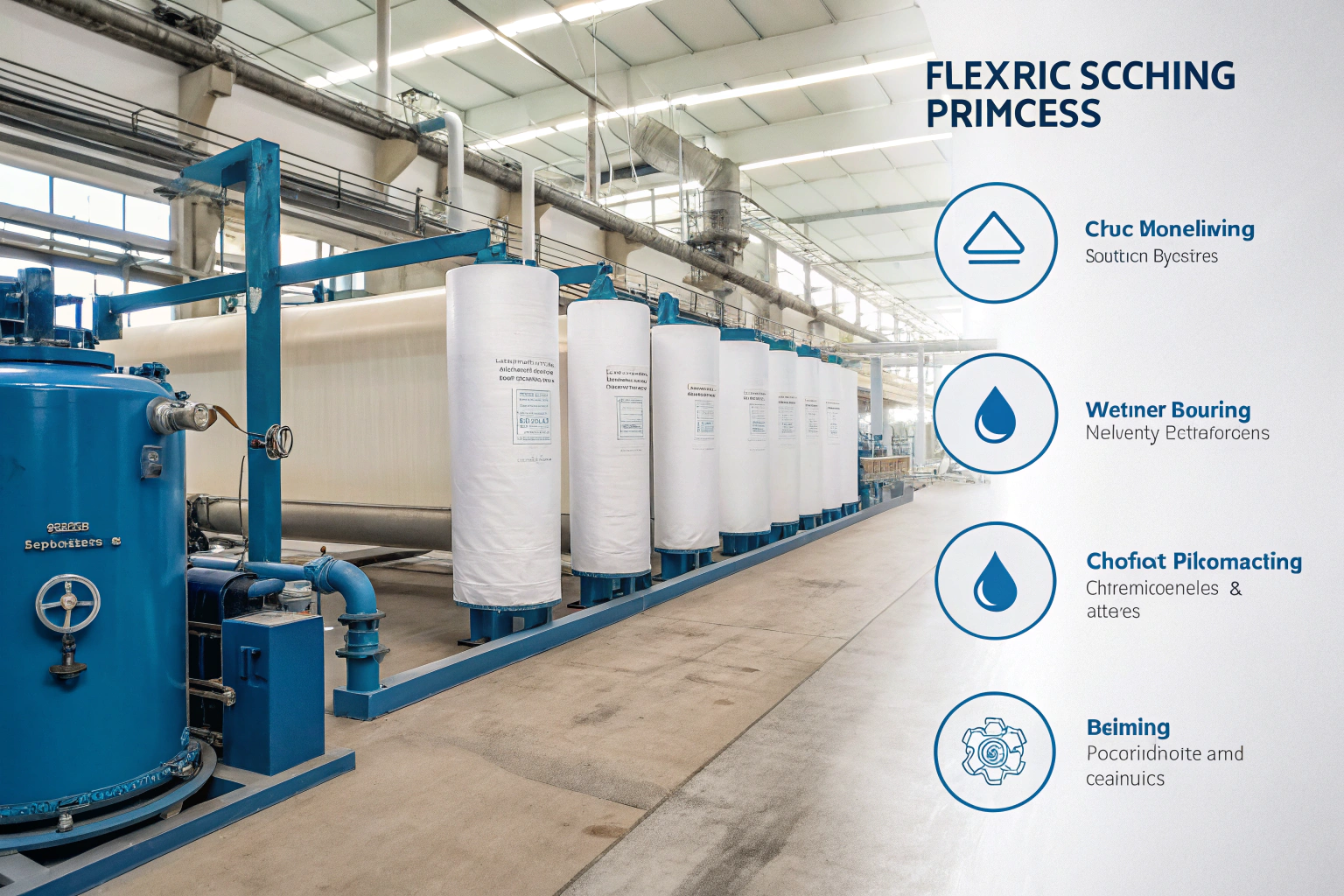
The most cost-effective system we've found combines sediment filtration, activated carbon, and reverse osmosis. We install particle filters at 5 microns before the carbon stage to protect the RO membranes. The key is maintenance—we replace filters based on pressure drop measurements, not just time intervals. Our maintenance team logs all filter changes and water quality data in our digital system, allowing us to predict when membranes need cleaning or replacement. The Sustainable Textile Production forum frequently features conversations about water recycling technologies that have helped us optimize our consumption while maintaining quality standards. Since implementing this comprehensive approach, our water-related defects have virtually disappeared.
Can chemical automation eliminate uneven application?
Manual chemical dosing is one of the biggest contributors to dye streaks. Human operators, no matter how skilled, cannot match the precision of automated systems for measuring and distributing chemicals across the full fabric width. Inconsistent chemical concentration directly translates to variations in whiteness and absorbency—the perfect recipe for streaks when the fabric reaches the dyeing stage.
We made the switch to automated dosing systems three years ago, and the improvement was immediate and dramatic. Our current system precisely controls the concentration of alkalis, peroxide, stabilizers, and wetting agents in real-time. The system automatically compensates for fabric speed, weight, and composition changes. I remember specifically a Canadian client who needed consistent bleaching for light-colored linen fabrics. Before automation, we struggled with random streaks that only appeared after dyeing. After installing automated dosing, their rejection rate dropped from 8% to under 1% within the first month.

What dosing system specifications matter most?
Look for systems with Coriolis mass flow meters rather than traditional volumetric dosing. Mass flow meters measure actual mass rather than volume, making them immune to temperature and density changes that can affect accuracy. We also insist on redundant pH and conductivity probes positioned at both the mixing tank and the application point. This dual monitoring catches concentration drift before it affects the fabric. The system must have automatic calibration capabilities and alert operators when chemical levels are low. (Here's where I emphasize: proper automation pays for itself within six months through reduced chemical waste and fewer rejects.)
How to optimize chemical penetration and distribution?
Even with perfect dosing, poor penetration causes streaks. We use a combination of wetting agents, emulsifiers, and penetration accelerants tailored to specific fiber types. For dense fabrics like corduroy or velvet, we might add non-foaming penetrants to the scour bath. The padding mangle pressure and immersion time are critical—we typically run with 2.5-3.0 bar pressure and 20-30 second immersion for cotton blends. The Textile Institute's research on chemical application methods for uniform pretreatment has been invaluable for optimizing these parameters across different fabric constructions in our facility.
What mechanical factors cause horizontal streaks?
Horizontal streaks, those frustrating lines running across the fabric width, often originate from mechanical issues rather than chemical problems. Roller imperfections, tension variations, and guide misalignments create pressure points that affect how chemicals penetrate the fabric. These mechanical ghosts haunt your process, creating patterns that only reveal themselves after dyeing.
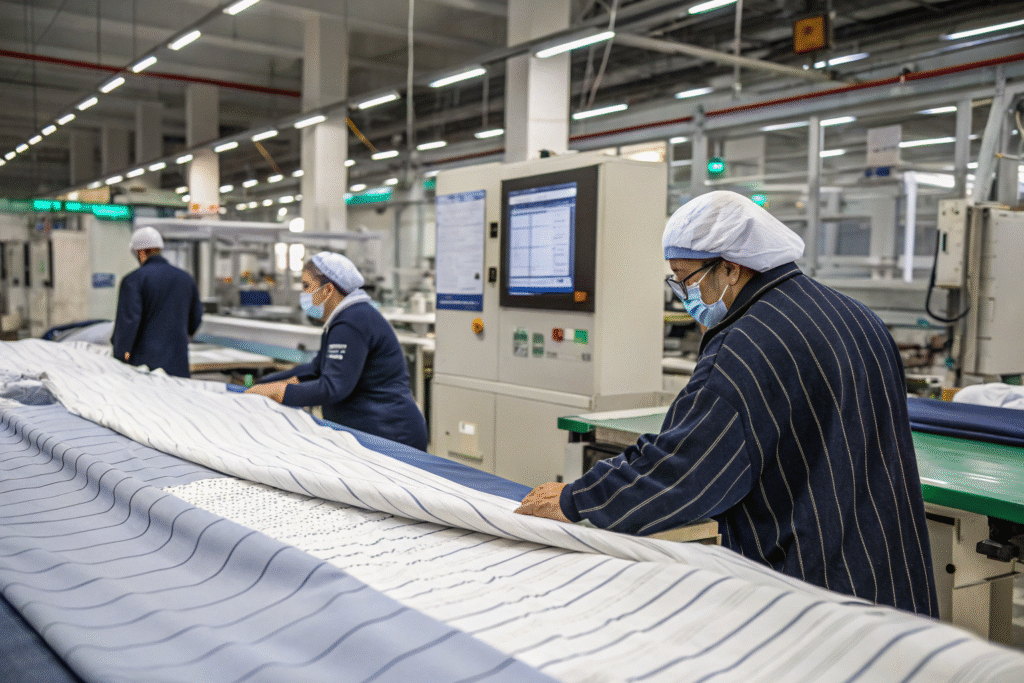
We conduct weekly mechanical audits of all our pretreatment ranges. Our checklist includes roller concentricity, bearing wear, alignment checks, and tension meter calibration. In 2023, we solved a persistent horizontal streaking issue for a European luxury bedding supplier by discovering a slightly out-of-round roller in our bleaching range. The 0.3mm deviation was enough to create a repeating pressure variation every fabric revolution. Replacing the roller eliminated the problem completely.

How to maintain roller systems for uniform application?
| Maintenance Task | Frequency | Tolerance Standard |
|---|---|---|
| Roller concentricity check | Weekly | ±0.1mm |
| Bearing inspection | Monthly | No audible noise or play |
| Surface condition assessment | Daily | No cracks, glazing, or damage |
| Pressure uniformity verification | Each batch | ±0.2 bar across width |
Regular roller grinding and surface restoration are essential. We partner with a local specialist who visits quarterly to refinish our rollers. Different roller materials work better for different applications—we use stainless steel for most chemical applications but prefer rubber-covered rollers for tension control sections. The goal is perfect surface contact across the entire fabric width without pressure variations.
Does tension control affect chemical penetration?
Absolutely. Uneven tension creates microscopic variations in fabric structure that affect chemical absorption. Too much tension can close up the fabric structure, while too little can create loose sections that absorb differently. We maintain consistent tension throughout the pretreatment range using digitally controlled dancers and load cells. Our standard practice is to run at the minimum tension needed to prevent wrinkles or tracking issues. For delicate fabrics like silk or rayon, we might run as low as 0.5N/cm, while for sturdy denim, we might go up to 2.0N/cm. The ScienceDirect topic on web handling provides excellent technical background on why tension control matters beyond just keeping the fabric moving through the process.
How to monitor pretreatment quality in real-time?
You can't fix what you don't measure, and you can't measure what you don't monitor. Traditional quality control—checking fabric after it's been processed—is like driving while looking in the rearview mirror. By the time you see a problem, you've already produced hundreds of meters of defective fabric. Real-time monitoring catches variations as they happen, allowing immediate correction before significant damage occurs.
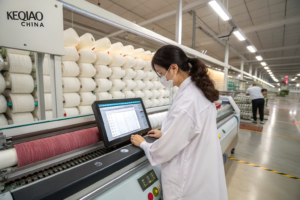
We've installed online monitoring systems at critical control points throughout our pretreatment range. The most valuable is the infrared absorbency scanner positioned after the bleaching section. This device measures the fabric's wettability across its entire width and flags any areas showing abnormal absorption. When our system detected a gradual absorbency drop on one selvedge last month, we traced it to a partially clogged spray nozzle in the rinse section. The entire investigation and fix took 15 minutes, preventing what would have been a 2,000-meter batch with subtle but unacceptable streaks.

What online sensors provide the most value?
The three most valuable sensors for streak prevention are:
- Infrared absorbency scanners - Measure water absorption across the fabric width
- Color measurement systems - Monitor whiteness uniformity after bleaching
- pH and conductivity probes - Ensure chemical concentration consistency
We position the absorbency scanner immediately after the final rinse, whiteness measurement after drying, and chemical monitoring at both the mixing tanks and application points. The data from all these sensors feeds into our central control system, which triggers alarms when parameters drift outside set limits. For manufacturers considering such systems, the Textile World's technology section regularly reviews the latest monitoring equipment with practical implementation advice.
How to implement effective quality verification?
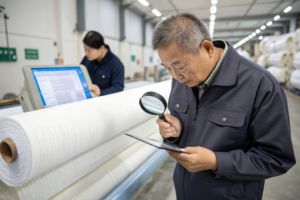
Beyond sensors, we maintain a rigorous manual verification protocol. Every shift, technicians take fabric samples from the beginning, middle, and end of each batch. They perform drop tests using standardized solutions and measure whiteness index at multiple points across the width. This manual check serves as calibration for our automated systems and trains our operators to recognize subtle quality issues. The data from both manual and automated checks gets logged against the batch number, creating a complete quality history for every meter of fabric we produce. This system helped us identify that our viscose blends needed different bleach stabilizer concentrations than cotton, eliminating a subtle streaking pattern we'd occasionally seen in past productions.
Conclusion
Preventing dye streaks begins long before the dyeing process—it starts with perfect scouring and bleaching. By controlling water quality, automating chemical application, maintaining mechanical systems, and implementing real-time monitoring, you can eliminate the root causes of uneven dyeing. At Fumao Textiles, we've built our reputation on delivering consistently perfect fabrics because we treat pretreatment not as a preparatory step, but as the foundation of quality.
If you're tired of fighting dye streaks and the costly rejects they create, let us put our systematic approach to work for you. Our technical team can help you achieve the uniform foundation your dyeing process deserves. For a detailed discussion about optimizing your fabric pretreatment, contact our Business Director, Elaine, at elaine@fumaoclothing.com. We're ready to help you transform your pretreatment process and eliminate dye streaks for good.