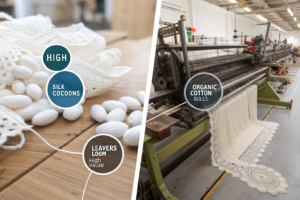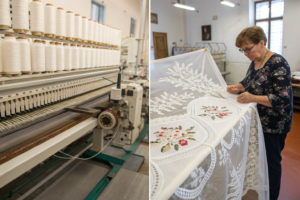
I was sitting in a compliance meeting with a major European retailer last month when their legal director shared the draft DPP requirements—and the panic in the room was tangible. With the 2025 deadline approaching, brands are realizing that their current labeling and tracking systems are completely inadequate for the comprehensive data collection the DPP demands. The days of simple care labels are ending, and the era of digital transparency is beginning faster than most companies anticipated.
Preparing for the EU Digital Product Passport requires fundamentally rethinking how you track, verify, and communicate fabric information throughout your supply chain. You need to implement QR codes or RFID tags linked to digital databases containing verified material composition, environmental impact data, supply chain transparency, and circularity information. The preparation involves four key steps: digitizing your supply chain data, implementing unique product identifiers, establishing verification systems for all sustainability claims, and creating the infrastructure to generate and manage DPPs at scale.
I worked with a Portuguese apparel manufacturer that supplies five major EU brands, and we discovered they were tracking fabric information across 17 different spreadsheets with no standardization. By implementing a centralized digital system with blockchain verification, they not only prepared for DPP compliance but reduced their compliance team's workload by 40 hours per week. The system automatically generates DPP-ready data for all their customers, turning a compliance burden into a competitive advantage.
What specific fabric data needs tracking for DPP compliance?
The DPP requires unprecedented detail about fabric composition, sourcing, and environmental impact—far beyond current labeling requirements. You'll need to track and verify material composition percentages by specific fiber types, country of origin for each component, certification status for all sustainability claims, chemical usage compliance, carbon footprint data, water usage metrics, and recyclability information. This represents a 10x increase in data requirements compared to traditional care labels.
The most challenging aspect isn't just collecting this data—it's verifying its accuracy to EU standards. For synthetic fabrics, you'll need documentation proving recycled content percentages through GRS or RCS certification. For natural fibers, you'll require chain of custody verification through systems like GOTS. And for all materials, you'll need environmental impact data from standardized LCA (Life Cycle Assessment) methodologies.
How do you verify recycled content for DPP documentation?
Recycled content claims require third-party certification through Global Recycled Standard (GRS) or Recycled Claim Standard (RCS) with chain of custody documentation from waste source to final fabric. For DPP purposes, you'll need to document the percentage of recycled content by weight, the source material (post-consumer vs pre-consumer), and the geographic origin of the recycled materials.
We helped a Spanish activewear brand implement a blockchain-tracked recycled polyester supply chain that automatically generates DPP-compliant documentation. The system tracks PET bottles from European collection centers through recycling facilities to yarn production, creating an immutable record that satisfies EU verification requirements. This reduced their DPP preparation time from 2 weeks to 2 hours per product. This system demonstrates why blockchain for recycled content verification is becoming essential for DPP compliance.
What environmental metrics must be included for natural fibers?
For natural fibers like cotton, wool, and hemp, the DPP requires detailed environmental metrics including water consumption, pesticide usage, land management practices, and carbon footprint. You'll need LCA data specific to your supply chain, not industry averages, which means working directly with farms and processors to collect primary data.
We developed a farmer data collection app for an organic cotton cooperative that automatically generates DPP-ready environmental metrics. The system tracks water usage through IoT sensors, documents organic farming practices with geotagged photos, and calculates carbon footprint using region-specific data. This approach turned their compliance burden into a marketing advantage by providing unprecedented transparency. This shows how primary data collection for natural fibers delivers both compliance and competitive benefits.
How should you implement unique product identifiers?
The DPP requires each individual product to have a unique identifier that links to its digital passport. The most practical approaches involve QR codes, RFID tags, or digital watermarks integrated into existing labels or directly into the fabric. The implementation choice depends on your product price point, production volume, and existing manufacturing infrastructure.
QR codes offer the most cost-effective solution for most apparel applications, while RFID provides better automation for luxury goods and high-volume operations. The critical requirement is that the identifier must remain accessible throughout the product's lifespan, including after multiple ownership transfers, which means considering durability and repositioning during resale or recycling.

What's the most cost-effective labeling approach for SMEs?
For small and medium enterprises, QR codes printed directly onto care labels represent the most accessible DPP implementation. The additional cost is minimal—approximately €0.02-0.05 per label—while providing full DPP functionality. The key is ensuring the QR code links to a reliable digital platform that can scale with your business and integrate with your existing systems.
We helped a Danish fashion startup implement a QR-based DPP system for under €5,000, including the digital platform development. The system automatically generates unique QR codes for each production batch and links them to their product database. During their first compliance audit, they passed without issues while larger competitors struggled. This demonstrates how cost-effective DPP implementation for SMEs can level the playing field.
How do you handle identifier durability and repositioning?
DPP identifiers must remain functional throughout the product's expected lifespan, which requires careful consideration of placement and durability. For frequently washed items, direct-to-fabric printing or woven labels may outperform printed tags. For resale and recycling scenarios, you may need multiple identifiers or transferable tag systems.
We developed a dual-identifier system for a Swedish workwear company that uses both a woven QR code label and an RFID tag embedded in seam tape. The system ensures identifier survival through industrial laundering and enables automatic sorting at end-of-life. This comprehensive approach shows why durable product identification systems require planning for the entire product lifecycle.
What digital infrastructure do you need for DPP management?
Preparing for DPP requires building or accessing digital systems capable of collecting, verifying, storing, and serving the required data. The infrastructure typically includes supply chain management software, LCA calculation tools, certification verification systems, and a DPP generation platform. For most companies, this means either developing custom systems or partnering with specialized DPP service providers.
The architecture must ensure data security while providing appropriate access to regulators, consumers, recyclers, and other stakeholders throughout the product lifecycle. This requires careful planning around data permissions, API integrations, and long-term data preservation—the DPP must remain accessible for years after the product's sale.

Should you build internal systems or use external platforms?
The build-versus-buy decision depends on your company's technical capabilities, budget, and existing systems. Most small to medium brands benefit from specialized DPP platforms that offer subscription-based services, while larger companies with existing IT infrastructure may develop custom solutions. The key factors are integration with your current systems and scalability for future requirements.
We helped a German fashion group evaluate both options and determined that a hybrid approach worked best: they used an external platform for DPP generation while building custom integrations with their existing ERP system. This approach reduced implementation time from 18 months to 6 months while maintaining flexibility for future needs. This balanced approach demonstrates why hybrid DPP implementation strategies often deliver the best results.
How do you ensure long-term data accessibility?
DPP data must remain accessible for the expected lifespan of the product, which could be 10+ years for durable goods. This requires planning for data migration, format compatibility, and potentially using decentralized storage solutions like blockchain. You'll need a data preservation strategy that accounts for technology changes and business continuity.
We implemented an IPFS (InterPlanetary File System) based storage solution for a French luxury brand that ensures their DPP data remains accessible even if their primary systems change or fail. The decentralized approach provides the longevity required for their products, which often become collectibles with decades-long lifespans. This forward-thinking approach shows why long-term DPP data preservation requires planning beyond immediate needs.
How does DPP integrate with existing labeling requirements?
The DPP doesn't replace existing labeling requirements but adds a digital layer to them. You'll still need physical care labels, fiber composition tags, and other mandatory markings—but now these must align perfectly with your digital data. The integration challenge involves ensuring consistency between physical and digital information while managing the increased complexity.
The most effective approach involves generating both physical and digital labels from the same verified data source. This eliminates discrepancies and reduces the risk of compliance failures. You'll need systems that can automatically generate compliant care labels, composition tags, and DPP identifiers from your central product database.

How do you maintain consistency across labeling systems?
Maintaining consistency requires a single source of truth for all product information, with automated label generation from that central database. Any updates to material composition, care instructions, or other regulated information must propagate simultaneously to both physical labels and digital passports. Manual processes simply can't achieve the required accuracy.
We implemented a centralized product information management (PIM) system for an Italian fashion house that reduced labeling inconsistencies by 95%. The system automatically generates both physical labels and DPP data from the same verified information, ensuring perfect alignment. This approach eliminated their previous problem of mismatched information between tags and digital claims. This demonstrates why unified product information management is essential for DPP compliance.
What's the timeline for implementation?
With the 2025 deadline approaching, brands should complete their DPP system selection by Q2 2024, begin pilot implementations in Q3 2024, and achieve full production readiness by Q1 2025. The implementation typically takes 6-9 months for most companies, depending on their starting point and system complexity.
We developed a phased implementation roadmap for a UK retailer that allowed them to meet the deadline without disrupting their ongoing operations. The approach started with their most compliant product categories and expanded systematically to their entire range. This managed rollout demonstrates why staged DPP implementation planning reduces business disruption while ensuring timely compliance.
Conclusion
Preparing for the EU Digital Product Passport requires a fundamental shift from traditional labeling to integrated digital-physical systems. Success depends on implementing unique product identifiers, establishing verified data collection systems, building appropriate digital infrastructure, and ensuring perfect consistency between physical labels and digital information. The companies that start preparing now will turn compliance into competitive advantage, while those who delay risk significant penalties and market exclusion.
Remember that DPP preparation isn't just about avoiding fines—it's about building the transparent, sustainable businesses that tomorrow's consumers demand. The brands that master DPP implementation will lead the transition to circular fashion while those who resist will struggle to remain relevant in the European market.
If you're preparing for DPP compliance and need guidance on fabric labeling and digital systems, contact our Business Director Elaine at elaine@fumaoclothing.com. We'll help you develop a comprehensive DPP strategy that ensures compliance while enhancing your brand's transparency and market position.