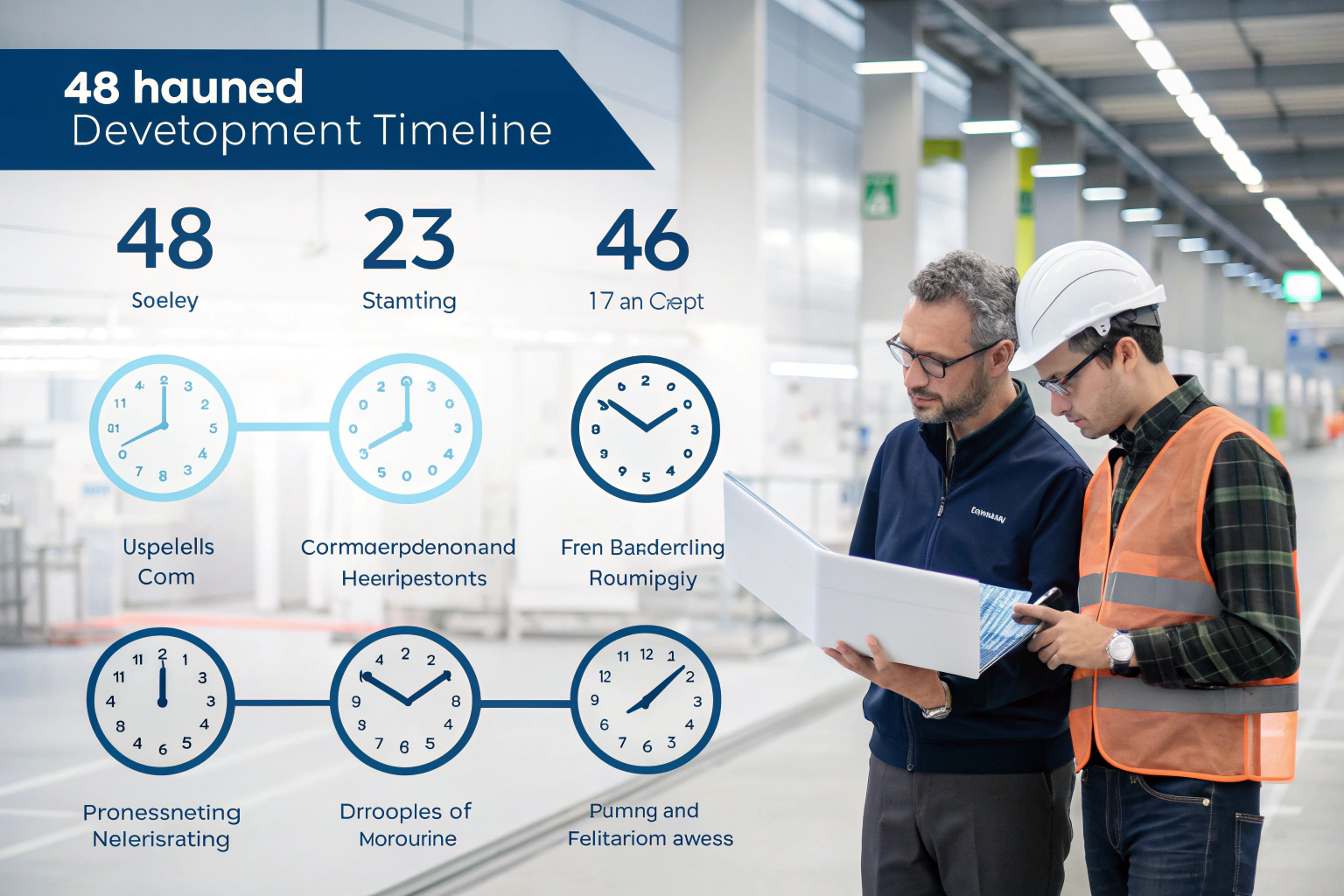
As someone who's operated within China's textile ecosystem for over twenty years, I can tell you that a 48-hour sample turnaround isn't just possible—it's become our standard for urgent projects. Last month, when a Seattle-based activewear brand faced a sudden production window opportunity, we delivered three separate performance fabric samples within 46 hours, enabling them to secure a crucial retail partnership. The secret isn't magic; it's military-grade planning and deep mill relationships.
Achieving a 48-hour fabric sample cycle requires reengineering every step of the traditional development process. It demands perfect information upfront, strategic resource allocation, and seamless communication across time zones. This accelerated timeline transforms from an impossible request to a repeatable process when you understand the critical path and eliminate all friction points before they occur.
The transition from weeks to days hinges on parallel processing rather than sequential steps. Where conventional sampling might take 2-3 weeks by moving through design, technical review, material sourcing, and production in sequence, the 48-hour model executes these stages simultaneously. This approach requires absolute clarity and commitment from both brand and mill, but when executed properly, it provides an undeniable competitive advantage.
What pre-planning ensures 48-hour success?
The foundation for a successful 48-hour sample cycle is laid days or weeks before the clock starts ticking. What happens during those 48 hours is merely execution of what was prepared beforehand. I've seen countless projects fail because brands focused only on the two-day window while neglecting the crucial preparatory work. Our internal data shows that projects with comprehensive pre-planning achieve 92% on-time delivery versus 35% for rushed requests without proper foundation.
Pre-planning encompasses technical specification finalization, material availability confirmation, and team readiness. The most successful accelerated projects treat the pre-production phase with equal importance to the production window itself. This involves creating digital twins of physical samples wherever possible and ensuring all decision-makers are briefed and available for rapid reviews.

How do you prepare technical packs for speed?
A mill-ready technical pack for 48-hour sampling differs significantly from standard documentation. It must be so comprehensive that zero clarification questions arise during production. We developed a digital technical pack template specifically for accelerated projects that includes pre-approved alternate material options, explicit tolerance ranges, and embedded reference samples. When a Denver-based outdoor brand used this system, they reduced sampling revisions from typically 3-4 cycles to first-time approval.
The optimized technical pack eliminates all ambiguity through:
- Reference Physical Samples: Coupons of similar fabrics attached digitally
- Approved Alternate Fibers: Backup options for unavailable materials
- Explicit Testing Parameters: Pre-defined pass/fail criteria
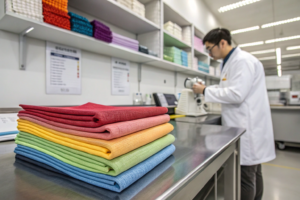
- Digital Color Standards: Spectrophotometer values with Delta E tolerance
- Approval Workflow: Pre-designated decision-makers with contact details
- Payment Pre-authorization: Eliminating financial processing delays
What materials must be pre-positioned?
Strategic material positioning is the physical counterpart to digital preparation. For 48-hour cycles, base yarns, common fibers, and standard dyestuffs must be within immediate reach of the production facility. We maintain a rapid sample development inventory of over 200 base fabrics and 500 yarn types at our partner mills specifically for these urgent projects. This pre-investment eliminates the 3-5 day raw material sourcing that derails most accelerated timelines.
The critical materials to pre-position include:
- Base Greige Goods: Common constructions and weights
- Standard Yarn Inventory: Regular cotton, polyester, and blend yarns
- Core Color Dyestuffs: Basic color palette chemicals
- Common Finish Chemicals: Standard softeners, water repellents
- Packaging Materials: Sample bags, labels, and documentation
- Express Shipping Supplies: Pre-printed air waybills and customs forms
How do you manage communication across time zones?
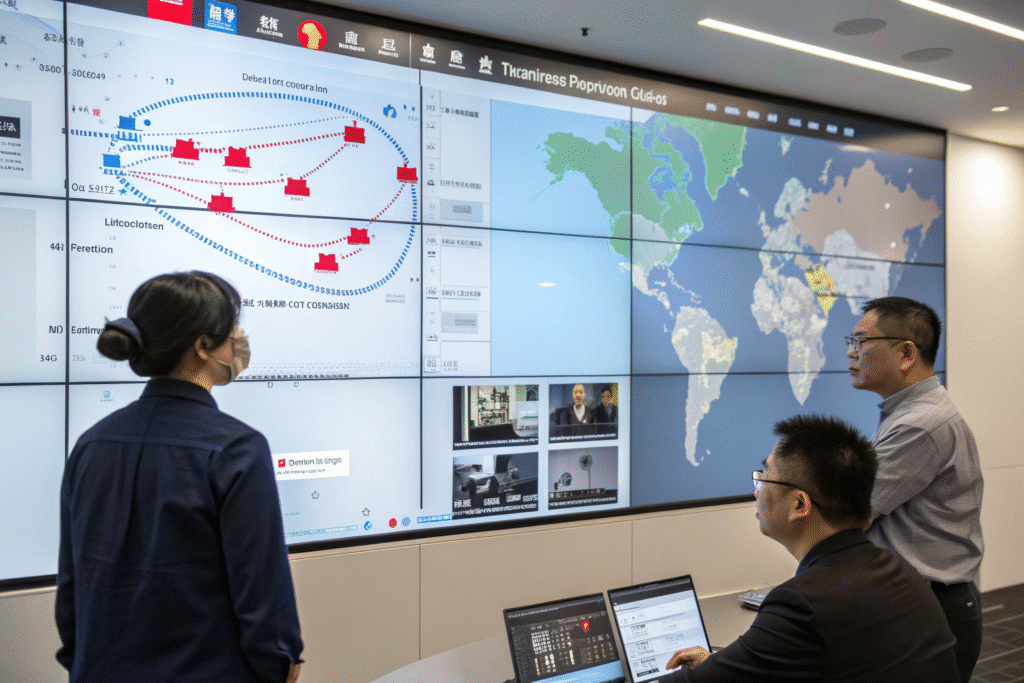
Time zone management transforms from a challenge to an advantage when properly structured. The 12-15 hour difference between North America and China creates a natural 24-hour work cycle when teams coordinate handoffs. We implement a "follow-the-sun" protocol where our US-based project managers brief China teams at the end of their day, enabling production to continue through China's working day, with updates waiting for US teams each morning.
The communication infrastructure for 48-hour cycles must be purpose-built for urgency. Standard email exchanges are replaced with dedicated chat channels, visual update platforms, and scheduled video checkpoints. The most effective systems provide real-time visibility without requiring active management, allowing both sides to focus on execution rather than status updates.
What digital tools enable real-time collaboration?
The tool selection for accelerated sampling prioritizes speed over comprehensiveness. We've standardized on a combination of WeChat for urgent textile communication for instant messaging, Trello for visual progress tracking, and shared cloud folders for document access. This triad provides the immediacy of conversation with the organization of project management. A Chicago-based fashion startup using this system successfully coordinated 12 samples across 3 mills simultaneously within 48 hours.
Essential digital tools include:
- Instant Messaging: For quick questions and photo updates
- Visual Project Boards: Showing stage completion at a glance
- Cloud Storage: Centralized access to all technical files
- Video Conferencing: Scheduled daily checkpoints
- Mobile Documentation: Scanning and sharing capability
- Digital Approval Systems: Electronic sign-off without printing
How do you establish emergency escalation paths?
Clear escalation protocols prevent small issues from becoming project-breaking delays. The 48-hour model requires pre-defined decision hierarchies with backup contacts at every level. We implement a "two-up" escalation rule where any blockage unresolved within two hours automatically escalates to the next management level. This sounds intense, but in practice, it ensures problems reach someone with solution authority quickly.
Effective escalation requires:
- Primary Contacts: Day-to-day project coordinators
- Technical Authorities: Mill production managers
- Management Escalation: Department heads with override authority
- Client Decision-Makers: Brand representatives with approval power
- After-hours Contacts: For time-sensitive issues
- Alternative Channels: Phone backup when digital fails
What production adaptations enable 48-hour turnaround?
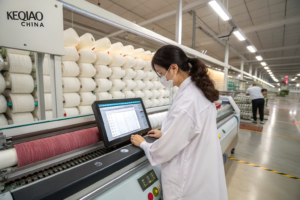
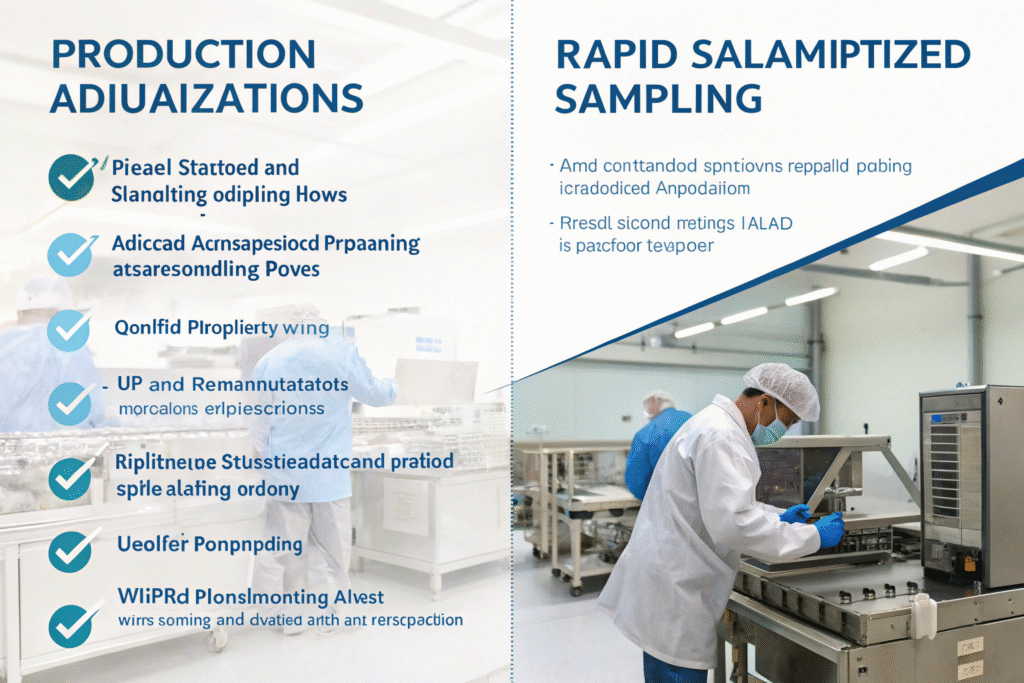
The physical production process requires significant adaptation to achieve 48-hour samples. Standard sampling typically queues behind production runs, but accelerated samples need dedicated mini-lines with prioritized access to equipment and personnel. Our partner mills reserve specific sampling looms, dyeing machines, and finishing equipment that can be activated immediately for urgent projects, creating a "sample express lane" within their facilities.
The manufacturing adaptations extend beyond scheduling to technical processes. Where conventional sampling might use standard dyeing curves and finishing recipes, accelerated samples often employ modified parameters that sacrifice some optimization for speed. The goal is representative samples rather than perfect commercial replication.
How do mills prioritize sample production?
Sample prioritization requires both strategic planning and tactical execution. Mills typically allocate specific capacity blocks for urgent samples, often during equipment changeovers or between major production runs. The most successful implementations create a separate operational track for samples that operates parallel to main production rather than being subordinate to it. This involves dedicated teams working exclusively on sample development during their shifts.
Key prioritization strategies include:
- Dedicated Equipment: Specific machines for samples only
- Specialized Teams: Technicians focused solely on sampling
- Pre-scheduled Windows: Regular time blocks for urgent projects
- Material Kitting: Pre-prepared component packages
- Express Quality Control: Streamlined inspection processes
- Direct Logistics Integration: Courier pickup from production floor
What technical compromises accelerate processing?
Accelerated sampling inevitably involves technical trade-offs that must be understood and accepted. These aren't quality reductions but rather process adaptations that maintain representativeness while saving time. For example, a Miami swimwear brand accepted slightly different sheen on their recycled nylon sample to achieve 48-hour delivery, with the understanding that production fabric would match their exact specifications.
Common technical adaptations include:
- Alternative Dyeing Methods: Faster cycles with similar color results
- Simplified Finishing: Reduced number of processing steps
- Standardized Constructions: Using available base fabrics
- Approximation of Hand-Feel: Close rather than identical texture
- Limited Color Ways: One base color instead of full range
- Abbreviated Testing: Basic verification only
How do you handle logistics and documentation?
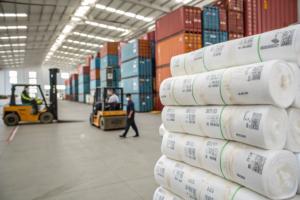
The final hours of a 48-hour cycle demand equally accelerated logistics and documentation processes. Even perfect samples lose their value if they're stuck in customs or lack proper documentation for import. We've integrated express courier services directly into our sampling workflow, with pre-completed commercial invoices, harmonized tariff codes, and established broker relationships that clear samples within hours rather than days.
Documentation for accelerated samples follows a "minimal but sufficient" principle—including only what's necessary for legal compliance and technical understanding. The paperwork is prepared concurrently with sample production rather than afterward, with digital versions sent ahead of physical shipments to prepare recipients for arrival.

What shipping methods guarantee 48-hour delivery?
True 48-hour cycles typically require premium express services rather than standard shipping options. We maintain corporate accounts with major international couriers that guarantee 24-48 hour delivery from our mill doors to major US cities. The cost is significant—often $100-$300 per shipment—but justified by the opportunity value of rapid decision-making. For a Texas-based retailer facing a tight buying meeting, this investment enabled them to present physical samples that competitors could only show as digital renders.
Effective shipping approaches include:
- Priority Express Services: DHL, FedEx International Priority
- Pre-cleared Shipments: Using courier's customs expertise
- Consolidated Pickups: Multiple samples in single shipment
- Advanced Tracking: Real-time visibility with exception alerts
- Destination Preparation: Notifying recipients of imminent arrival
- Contingency Routing: Backup options for weather or capacity issues
How do you streamline customs and compliance?
Customs clearance represents the most unpredictable element in international sample shipping. Our approach involves treating samples as commercial goods with proper valuation rather than as "no commercial value" items that often attract scrutiny. We include detailed descriptions, material compositions, and accurate values on all documentation, which actually speeds processing by reducing customs questions.
Streamlined compliance involves:
- Complete Documentation: Commercial invoices with full details
- Accurate HS Codes: Specific textile classifications
- Prepared Certificates: Origin documents when required
- Consistent Declarations: Matching all paperwork
- Broker Relationships: Preferred treatment through known partners
- Contingency Planning: Alternative routing if delays occur
Conclusion
A 48-hour fabric sample cycle with China mills represents the pinnacle of textile supply chain optimization, blending meticulous preparation with flawless execution. While demanding significant upfront investment in relationships, systems, and processes, this capability delivers extraordinary competitive advantage through dramatically compressed development timelines. The approach transforms sampling from a bottleneck into a strategic weapon, enabling brands to respond to opportunities with unprecedented speed.
The successful implementation requires brands to embrace new ways of working—providing perfect information upfront, accepting appropriate technical compromises, and investing in premium logistics. For mills, it demands creating dedicated capacity and developing specialized processes for urgent projects. When both parties align around shared objectives, the 48-hour sample becomes not just possible, but reliably repeatable.
If you're preparing for a time-sensitive development project, our 48-hour sample system can provide the acceleration you need. We've helped numerous brands transform their product development calendars through strategic sampling acceleration. Contact our Business Director, Elaine, at elaine@fumaoclothing.com to discuss how we can implement this approach for your next collection.