Earlier this year, I was reviewing customer feedback from a major US luggage brand when I noticed a troubling pattern: nearly 30% of their returns were due to fabric wear within the first six months. Just last week, while preparing for the upcoming Canton Fair, this insight prompted me to completely restructure our abrasion-resistant fabric recommendations.
As a luggage and bag manufacturer, you know that fabric durability is everything. Your customers expect their bags to survive the rigors of travel, daily commutes, and everything in between. When fabric fails, it's not just a product return—it's a blow to your brand's reputation. The constant scraping against airport floors, being stuffed in overhead compartments, and rubbing against other surfaces demands fabric that can take a beating without showing it.
Choosing the right abrasion-resistant fabric is the difference between a product that lasts for years and one that fails prematurely. The key lies in understanding fabric construction, material science, and performance testing standards. At Fumao Textiles, we've supplied durable fabrics for luggage and bags to global brands for over 20 years, helping them navigate these exact challenges to create products that endure.
The most abrasion-resistant fabrics for luggage and bags are typically high-density nylons like Cordura, or robust polyesters, chosen for their high rub count as verified by standardized tests like the Martindale or Wyzenbeek methods. The best choice ultimately depends on balancing durability with other factors like weight, cost, and aesthetic appeal for your specific product line.
Let's break down this complex decision into manageable parts. We will guide you through the essential fabric types, the critical role of testing, how to match fabric to your specific product, and the importance of your supplier's expertise. This will empower you to make an informed choice that enhances your product's quality and market appeal.
What are the best abrasion-resistant fabric types?
Recently, I was walking through our Keqiao factory floor when I noticed something interesting: our production lines were running three different nylon blends for the same client. This reminded me that there's no one-size-fits-all solution for abrasion resistance.
If you're sourcing fabrics for luggage, you need to know which materials will stand up to real-world use. The wrong choice can lead to premature wear, customer complaints, and costly returns. You need a fabric that balances toughness with practicality.
Nylon is often the top choice for high-end, abrasion-resistant luggage. Specifically, nylon 6,6 is renowned for its exceptional strength and ability to withstand repeated scraping and rubbing. Fabrics like Cordura are famous for this. They are made from high-tenacity nylon yarns in a tight weave, creating a surface that is very difficult to tear or puncture. For heavy-duty travel bags and backpacks that face harsh conditions, nylon-based fabrics are frequently the gold standard.
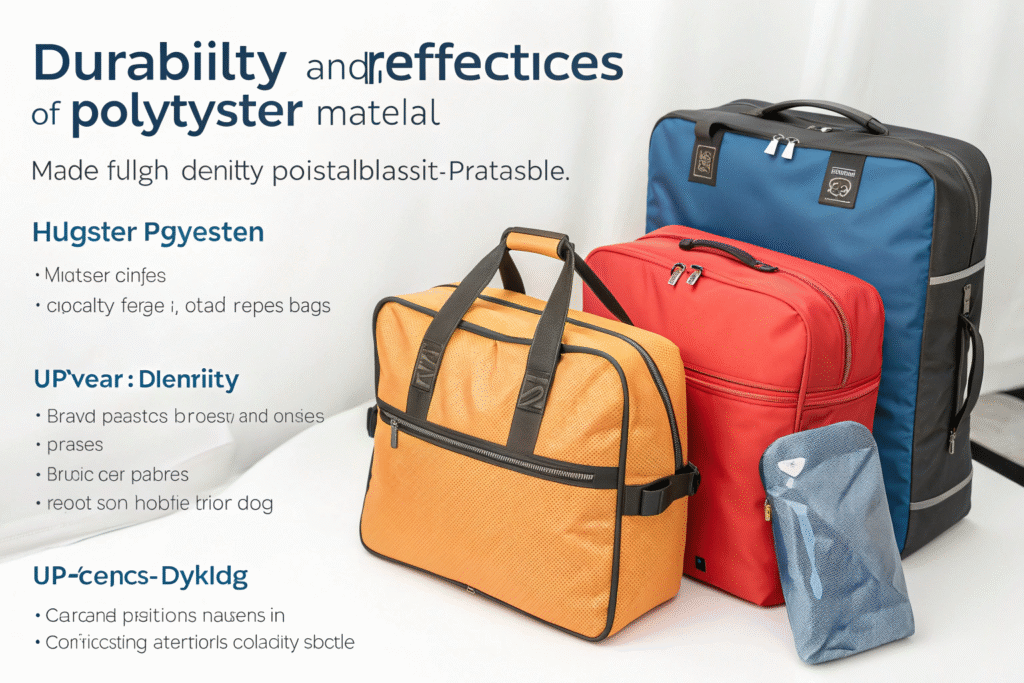
Polyester is another excellent and highly cost-effective option. While generally slightly less abrasion-resistant than nylon in pure terms, it boasts superior resistance to UV degradation and moisture. Polyester is also less prone to fading, meaning your bags look new for longer. Modern high-density polyester weaves can achieve remarkably high rub counts, making them a durable and budget-friendly choice for a wide range of luggage products.
How does fabric denier impact durability?
Just yesterday, I was reviewing specifications for a new outdoor brand when I realized how often denier is misunderstood. Denier refers to the thickness of the individual threads used in the fabric. A higher denier number means thicker, heavier threads, which generally results in a more durable and abrasion-resistant fabric. For example, a 1000D fabric will typically be much tougher than a 400D fabric. However, it's not the only factor. The weave density is equally important. A tight weave with high thread count will prevent the threads from shifting and breaking under stress, enhancing the fabric's overall resilience against abrasion.
Why is fabric construction critical?
The way a fabric is constructed—whether woven or knit—plays a huge role in its abrasion resistance. For luggage, woven fabrics are almost always used because they provide a stable, non-stretchy, and strong structure. Within wovens, a plain weave is common, but tight twill weaves often offer better durability as the diagonal pattern allows for tighter packing of yarns. The construction must be engineered to lock the fibers in place, preventing them from being easily plucked or broken during abrasive contact.
How to verify fabric abrasion resistance?
Last month, I attended a textile innovation conference in Shanghai where we discussed the new EU sustainability regulations that will affect luggage imports starting next year. This reinforced how crucial verified testing has become.
You wouldn't buy a car without a test drive, so you shouldn't source fabric without verifying its test reports. Relying on a supplier's vague promise of "durability" is a recipe for failure. Independent, standardized testing is your only guarantee of performance.
The Martindale test is the most common global standard for assessing abrasion resistance. It involves rubbing a fabric sample in a figure-eight motion against a standard abrasive material until a break in the yarns occurs. The result is a "rub count"—the higher the number, the more abrasion-resistant the fabric. For luggage, you should look for fabrics with a high Martindale count, typically in the tens of thousands of rubs, to ensure long-term durability.
The Wyzenbeek test is another standard, particularly in the U.S. It uses a backward-and-forward motion on two separate pieces of the same fabric. While historically common for upholstery, its principles are directly applicable to the rigid surfaces of hard-sided luggage or reinforced bag panels. Understanding both tests allows you to compare fabrics on a like-for-like basis and provides a robust defense against supplier claims that can't be backed up with data.
What do lab test reports tell you?
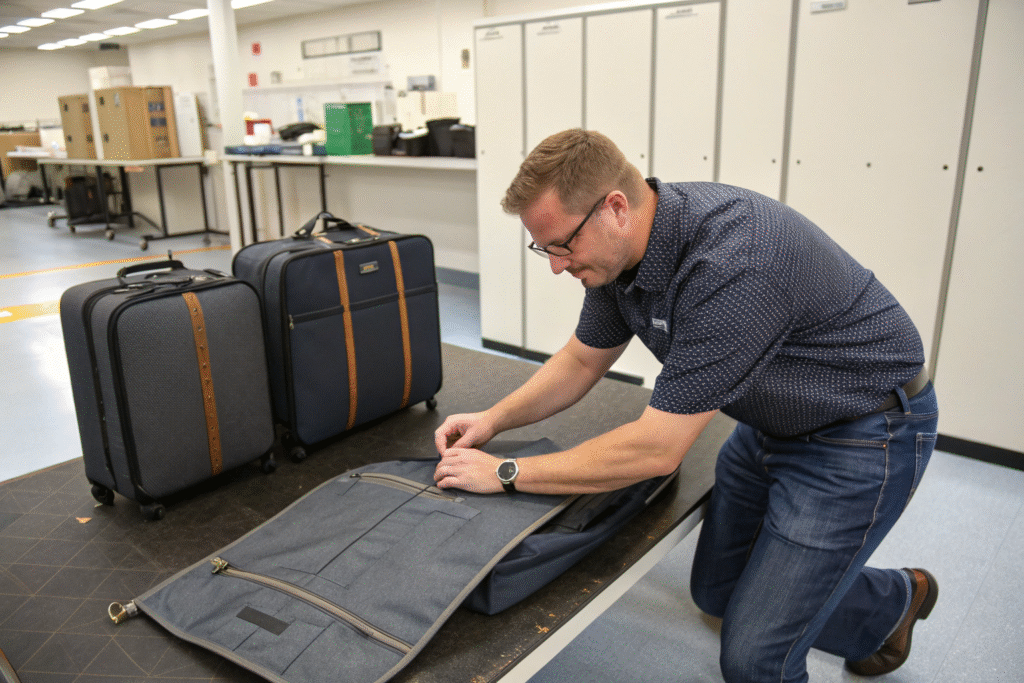
A reputable supplier will provide test reports from accredited laboratories, such as those certified by CNAS. These reports are more than just a pass/fail; they give you the hard data. Look for the specific test method used (e.g., ASTM D4966 for Martindale) and the exact rub count achieved. This data allows you to set a minimum quality threshold for your products and ensures every batch of fabric you receive meets your precise specifications for durability.
Why is pilling resistance related to abrasion?
While drafting this section, I received a customer photo showing pilling on a six-month-old backpack. Pilling—the formation of small balls of fiber on the fabric surface—is a form of surface abrasion. While not a structural failure, it makes a bag look old and worn quickly. A fabric that performs well on a Martindale test will generally also have good pilling resistance. This is because the tight construction and strong fibers that resist breaking under abrasion are also less likely to break and form pills. Checking a fabric's pilling rating, often tested using the Random Tumble Pilling Test method, gives you insight into its long-term aesthetic durability.
Which fabric fits your luggage style?
Recently, I consulted with a startup that wanted to use the same fabric for their premium business luggage as their rugged outdoor line. During our meeting, I had to explain why this approach would fail in both markets.
A fabric's technical performance is useless if it doesn't align with your product's design and target market. A mountaineering backpack and a business traveler's carry-on have vastly different durability, weight, and aesthetic needs.
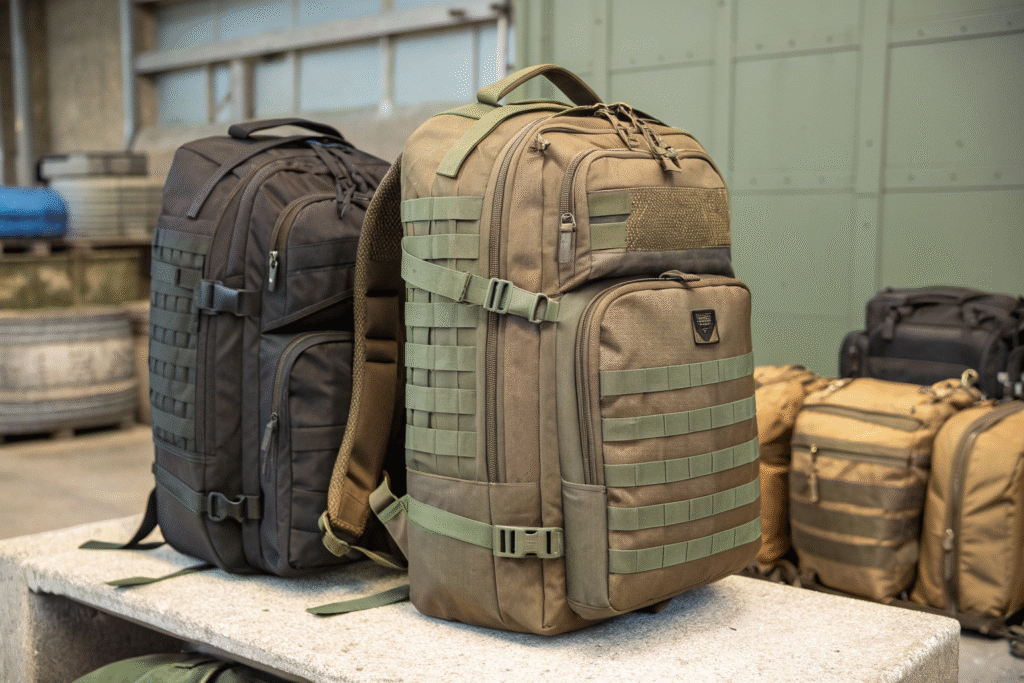
For heavy-duty backpacks and checked luggage, you need the toughest materials. This is where high-denier nylons (e.g., 1000D) and polyesters shine. These fabrics are designed to withstand being dragged across rough surfaces, thrown onto conveyor belts, and exposed to the elements. Their robust nature often comes with a slightly heavier weight and a more tactical or rugged appearance, which is perfectly suited for these applications.
For business and fashion-centric luggage, the priorities shift. You still need excellent abrasion resistance, but the fabric must also be sleek, lightweight, and have a premium hand-feel. In this case, a lower-denier but high-density polyester or a blended fabric often works best. These materials can be finished with coatings or laminates to achieve a sophisticated look without sacrificing the durability needed for airport and urban use. The choice here is about projecting an image of professionalism and style that remains intact trip after trip.
How to choose fabric for hard vs. soft luggage?
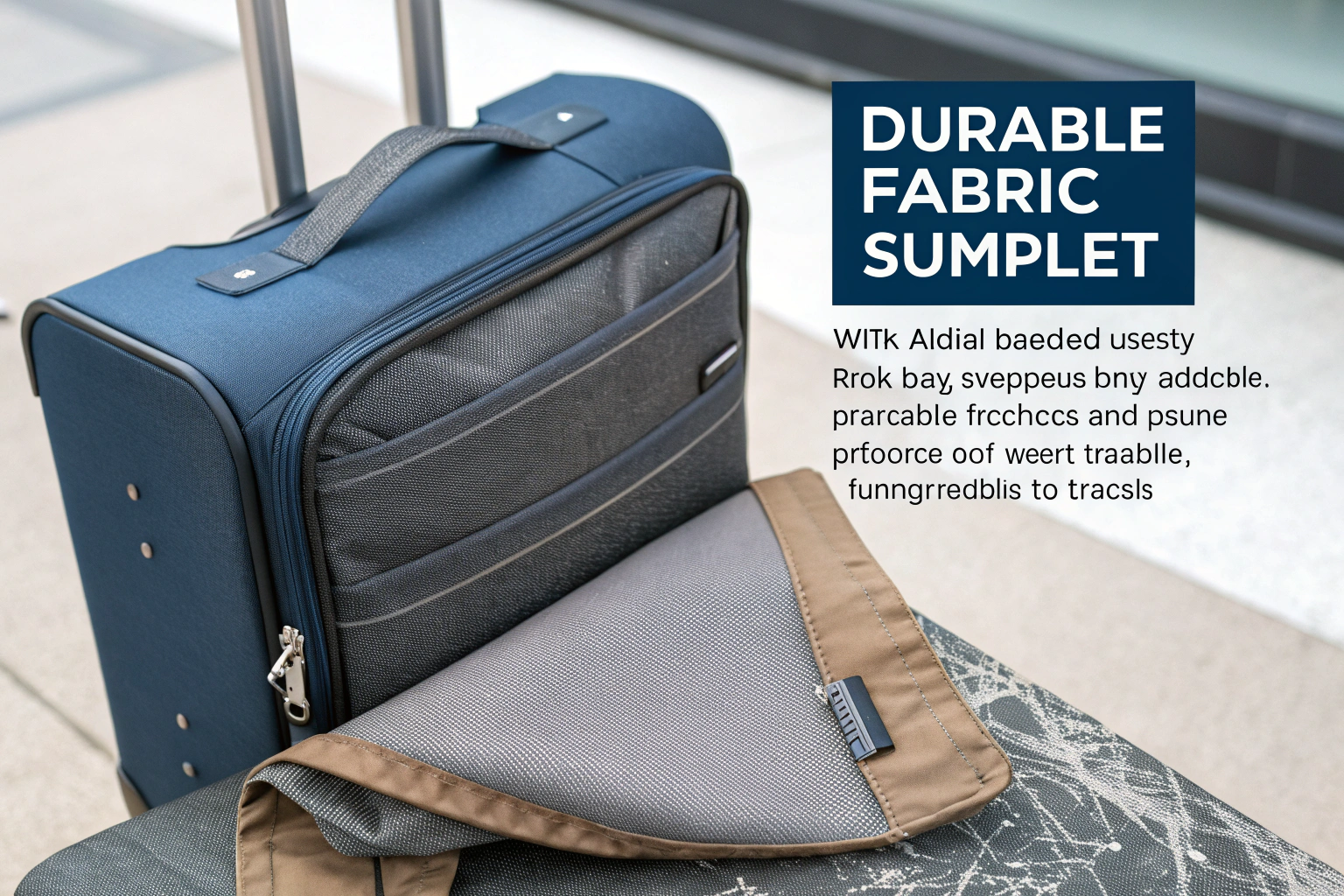
The construction of the bag itself dictates fabric needs. For soft-sided luggage, the fabric is the primary structural component. It must be highly abrasion-resistant and often incorporates a PU or PVC coating for water resistance and added durability. For hard-sided luggage, made from materials like polycarbonate, the outer shell's abrasion resistance is less critical. However, the fabric used for interior linings, handles, and pockets still needs to be durable to resist wear from packed items and frequent use.
What about cost and lead time considerations?
Your budget and production schedule are real-world constraints. While a 1000D Cordura nylon might be the toughest option, it is also more expensive. A high-quality 600D polyester might offer the perfect balance of durability and cost for your mid-range product line. Furthermore, a supplier's ability to deliver bulk quantities quickly is crucial. At Fumao, our integrated supply chain allows for fast bulk delivery, ensuring you get the right fabric at the right price without compromising your production timeline.
Why does your fabric supplier matter?
Earlier this quarter, we had to help a client navigate the new US tariff regulations that took effect in January. This experience highlighted how supplier expertise extends far beyond just fabric production.
The technical specs of a fabric are only as reliable as the company that produces it. A supplier without proper quality control can send you a batch that fails in the field, even if the initial sample was perfect. Your supplier is your partner in quality.
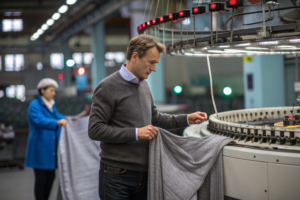
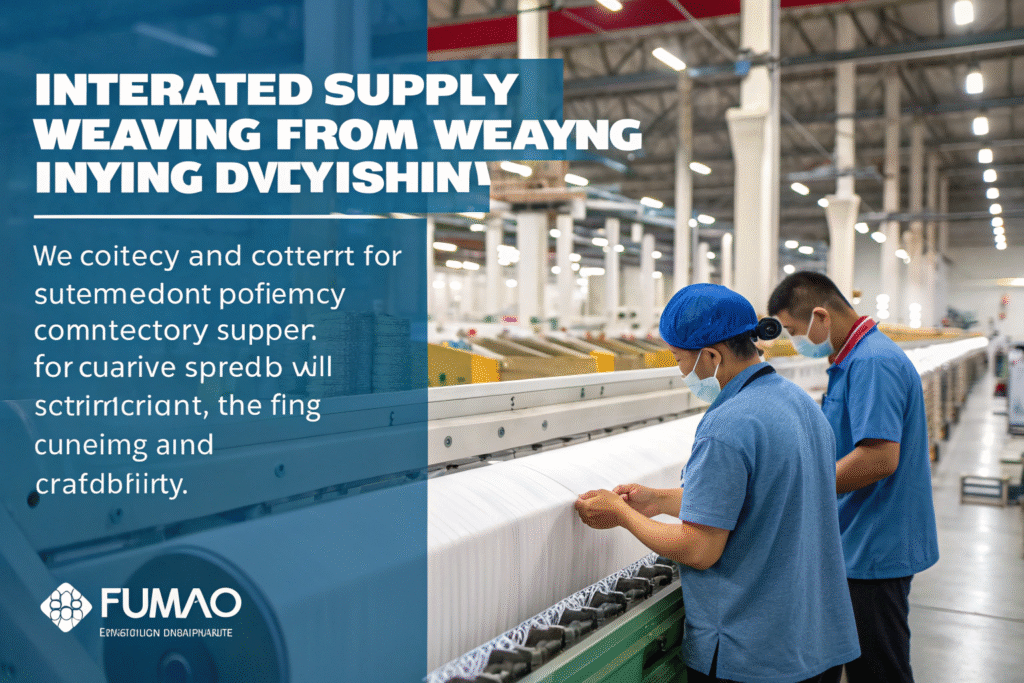
An integrated supply chain is a massive advantage. At Fumao, we control the process from weaving to dyeing and finishing. This vertical integration means we can enforce strict quality standards at every stage. For abrasion resistance, this control is vital. The dyeing process, for example, must not weaken the fibers, and any finishing coatings must be applied evenly to avoid creating weak spots. A supplier who relies on numerous external subcontractors has far less control over the final product's consistent quality.
Technical expertise and sourcing flexibility are what set a true partner apart from a simple vendor. Can your supplier explain the science behind the abrasion resistance? Do they have an R&D team that can develop custom blends or finishes for your unique needs? For instance, we often work with clients to create fabrics that combine the abrasion resistance of polyester with the luxurious look of a jacquard weave, proving that durability and design are not mutually exclusive.
How does QC prevent abrasion failures?
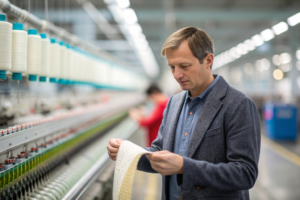
During my factory walkthrough this morning, I watched our QC team reject a batch that passed initial inspection but failed the secondary abrasion test. A professional Quality Control team is your last line of defense. They should conduct inspections throughout production, not just on the final product. This includes checking raw yarn denier, weave density, and, most importantly, performing on-site abrasion tests using calibrated machines. This proactive approach catches inconsistencies early, preventing a faulty batch from ever leaving the factory and reaching your production line. This level of diligence ensures a 98% client pass rate for quality, saving you from costly recalls and reputational damage.
What value does a one-stop supplier add?
Partnering with a one-stop supplier like Fumao simplifies your entire process. Instead of coordinating with multiple vendors for weaving, dyeing, and coating, you have a single point of contact. We manage the entire production, from yarn sourcing to final inspection and packaging. This not only saves you time and administrative hassle but also ensures that the fabric's abrasion-resistant properties are preserved and enhanced at every step of the manufacturing process, guaranteeing you receive a consistently high-performing product.
Conclusion
While proofreading this article, I realized how much the luggage fabric landscape has changed since last year's textile expo. The demand for both sustainability and extreme durability has never been higher.
Selecting the right abrasion-resistant fabric is a multi-faceted decision that goes beyond just picking the toughest material. It requires a careful balance of fiber type (like nylon or polyester), denier, construction, and verified test performance. Crucially, you must align these technical aspects with your product's specific style, use-case, and budget. Remember, the goal is to deliver a bag that not only survives the journey but also upholds your brand's promise of quality and reliability over time.
Ultimately, your success hinges on the expertise and reliability of your fabric supplier. A partner with a fully integrated supply chain, rigorous QC, and agile R&D can transform this complex challenge into a straightforward, successful sourcing experience. They ensure the fabric you choose performs consistently in production and in the hands of your customers. If you're ready to source high-performance, abrasion-resistant fabrics that will make your luggage and bags stand out in the global market, we should talk.
For a reliable partnership that guarantees quality, speed, and value, contact our Business Director, Elaine, to discuss your specific needs and how we can help you produce your next successful clothing or luggage line. Reach out at elaine@fumaoclothing.com. Let's build something durable together.