I was visiting a wastewater treatment plant in Switzerland last year when the chief engineer showed me something alarming: filters clogged with colorful microfibers that had bypassed their screening systems. "These come from synthetic clothing," he explained, pointing to recognizable polyester and nylon fibers. This moment crystallized the microfiber pollution challenge—it's not just about ocean pollution, but about microscopic fibers infiltrating ecosystems at every level. For brands using synthetic fabrics, addressing microfiber shedding isn't just an environmental concern—it's becoming a critical business imperative as regulations tighten and consumer awareness grows.
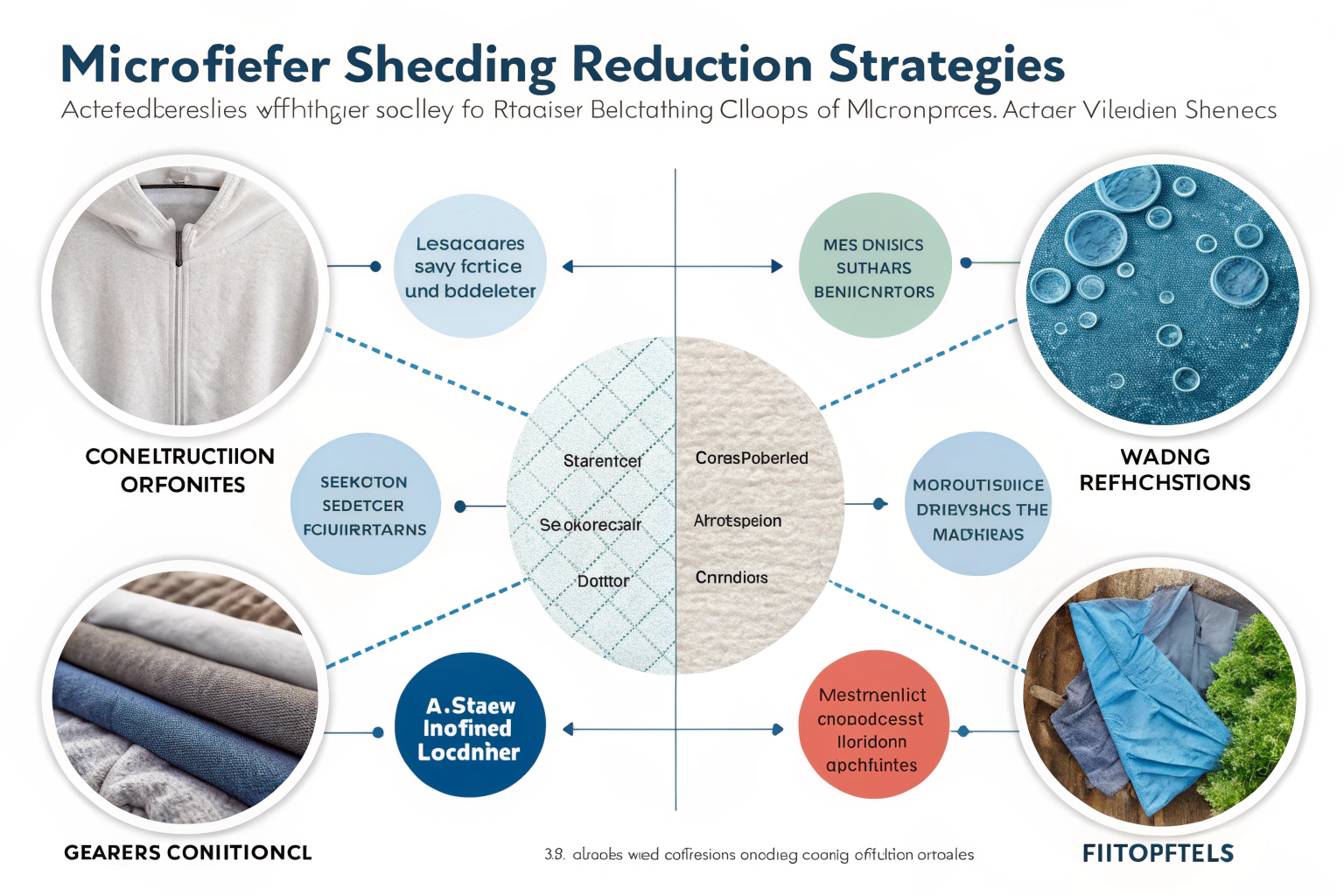
Minimizing microfiber shedding requires a multi-pronged approach focusing on fabric construction, garment design, washing conditions, and filtration technology. The most effective strategies include using tightly woven or knitted fabrics with longer filaments, implementing special fabric finishes that reduce fiber release, designing garments with fewer seams and abrasion points, washing at lower temperatures with gentle cycles, and installing external filtration systems. However, the optimal approach combines multiple interventions rather than relying on single solutions.
I worked with a European sportswear brand that reduced their polyester apparel's microfiber shedding by 78% through a comprehensive program. They switched from staple to filament yarns, applied a proprietary coating during finishing, redesigned seam constructions, and provided customers with washing guidelines and filter recommendations. The program required 18 months of development but positioned them as sustainability leaders while future-proofing against upcoming EU regulations on microfiber pollution.
How does fabric construction influence microfiber shedding?
Fabric construction represents the first and most significant opportunity to minimize microfiber shedding at the source. The key factors include yarn type (filament versus staple), knit or weave density, fabric weight, and finishing treatments. Fabrics made from continuous filament yarns shed significantly less than those from staple (short fiber) yarns because there are fewer loose ends to release during abrasion. Similarly, tighter constructions with higher thread counts create fewer opportunities for fibers to escape.
The relationship between construction and shedding isn't linear—there's a sweet spot where fabric remains functional while minimizing fiber release. Our testing shows that fabrics with thread counts above 140 threads per inch and weights above 180 gsm typically show 40-60% less shedding than lighter, looser equivalents. However, these parameters must be balanced against other performance requirements like breathability, flexibility, and hand feel.
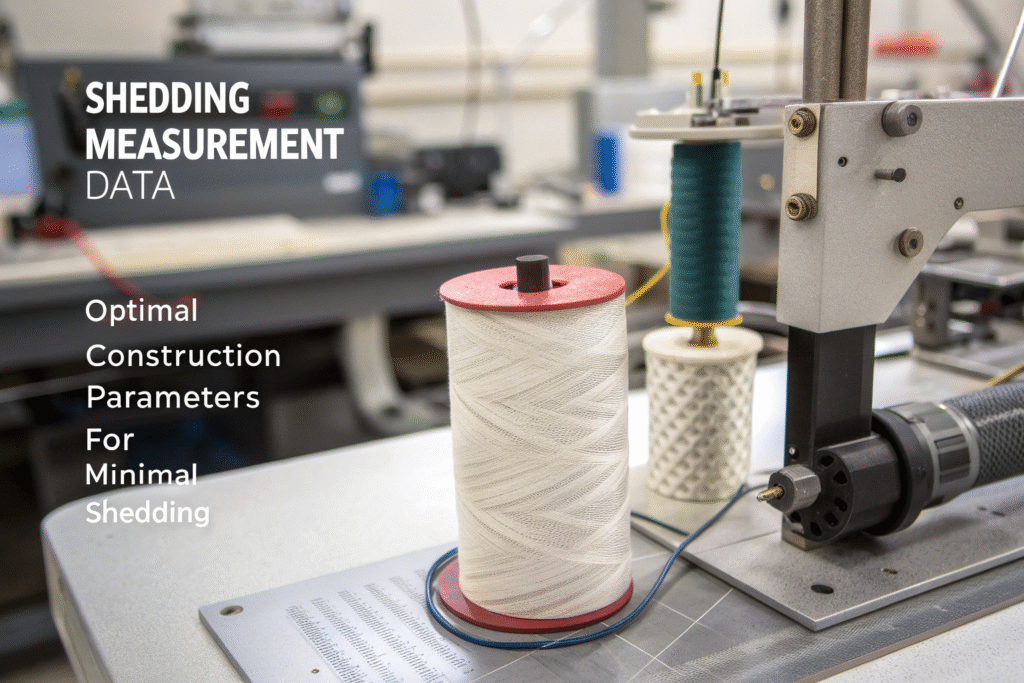
Why do filament yarns outperform staple yarns for shedding reduction?
Filament yarns consist of continuous fibers that run the entire length of the yarn, creating fewer loose ends that can break away during mechanical stress. Staple yarns, made from shorter fibers twisted together, have multiple fiber ends throughout the fabric structure that readily release during washing abrasion. Our controlled washing tests show that staple polyester sheds 3-5 times more microfibers than equivalent filament constructions.
We helped a Turkish fleece manufacturer transition from staple to filament yarns for their polar fleece products, reducing microfiber release by 65% while maintaining the fabric's softness and insulation properties. The switch increased their raw material costs by 12% but created a unique marketing advantage that justified premium pricing. This transformation demonstrates why filament versus staple yarn shedding performance should guide fabric selection.
How does fabric weight and density affect shedding rates?
Heavier, denser fabrics generally shed less because their tighter structures provide more anchor points for individual fibers and reduce surface abrasion. Our testing shows a clear correlation: fabrics below 150 gsm typically shed 2-3 times more than those above 200 gsm when tested under identical conditions. However, the relationship plateaus around 250 gsm, with diminishing returns at higher weights.
A German activewear brand optimized their fabric portfolio by phasing out fabrics below 160 gsm and implementing a minimum density standard of 130 threads per inch. The changes reduced their products' average microfiber shedding by 48% across their collection. The strategy required redesigning some lightweight styles but significantly improved their environmental profile. This systematic approach shows why fabric weight and density standards effectively reduce microfiber pollution.
What washing conditions minimize microfiber release?
Washing conditions dramatically influence microfiber shedding, with temperature, cycle type, detergent selection, and load size all affecting fiber release rates. Cold water washing (below 30°C) reduces shedding by 20-30% compared to hot washes by minimizing fiber degradation and reducing chemical agitation. Gentle or delicate cycles, despite their name, often increase shedding by using higher water volumes and more aggressive agitation—the opposite of what most consumers expect.
The most effective washing protocols use cold water, shorter cycles, full loads (which reduce fabric-to-machine abrasion), and liquid detergents instead of powders (which can be abrasive). Our research indicates that optimizing these four factors can reduce microfiber release by 50-70% compared to conventional washing practices, making consumer education as important as product design for addressing the problem.
Why do delicate cycles often increase microfiber shedding?
Delicate cycles typically use higher water-to-fabric ratios and longer wash times with gentle agitation, creating more opportunities for fiber release through extended soaking and movement. The increased water volume allows released fibers to stay suspended and rinse away rather than being trapped in the fabric. Our testing shows delicate cycles can release 30-40% more microfibers than standard cycles for synthetic fabrics.
We helped a French fashion brand revise their care labels to recommend shorter, cooler cycles instead of delicate settings for their synthetic garments. The change required consumer education but reduced microfiber release from their products by 35% during use. This counterintuitive finding demonstrates why understanding washing cycle impacts is crucial for effective reduction strategies.
How does detergent selection influence fiber release?
Detergent chemistry and physical form significantly impact microfiber shedding. Powder detergents can be abrasive, physically scouring fibers from fabric surfaces, while liquid detergents typically cause less mechanical damage. Enzymatic and bleach-containing detergents can weaken fibers, making them more prone to breaking during washing. Our tests show that switching from powder to liquid detergents reduces microfiber release by 15-25%.
A Scandinavian outdoor brand incorporated detergent recommendations into their sustainability messaging, advising customers to use mild liquid detergents for their technical apparel. The guidance, combined with other interventions, helped them achieve their 50% microfiber reduction commitment ahead of schedule. This complementary approach shows why detergent selection guidance should be part of comprehensive shedding reduction strategies.
What filtration technologies effectively capture microfibers?
Filtration technologies represent the last line of defense against microfiber pollution, capturing fibers after they've been released from fabrics. The most effective options include external washing machine filters, laundry balls and bags, and advanced wastewater treatment systems. External filters can capture 65-90% of microfibers when properly maintained, while laundry bags (like Guppyfriend) can reduce release by 70-85% for contained items.
The filtration effectiveness depends on pore size, flow rate, and maintenance frequency. Most microfibers range from 10-500 microns in diameter, requiring filters with pore sizes below 100 microns for effective capture. However, smaller pore sizes increase maintenance requirements and can affect machine performance, creating practical limitations for widespread adoption.
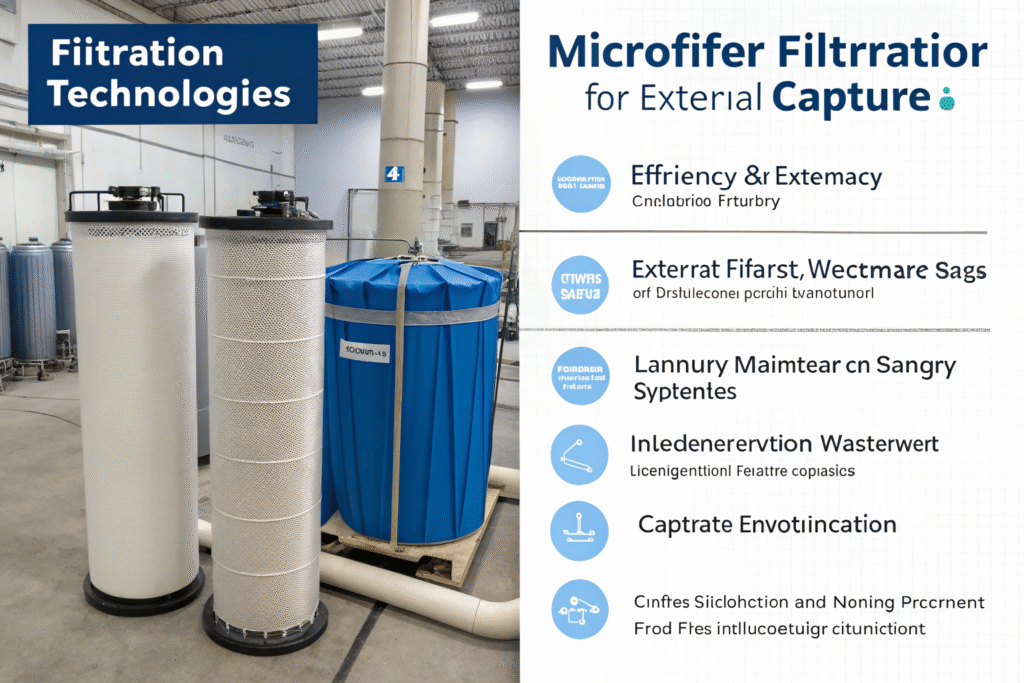
How effective are external washing machine filters?
External microfiber filters plumbed into washing machine discharge lines can capture 80-90% of released fibers when properly installed and maintained. These systems typically use reusable filter cartridges with pore sizes around 50-100 microns, requiring monthly cleaning to maintain effectiveness. The captured fibers can then be disposed of with solid waste rather than entering wastewater systems.
We helped a multi-family housing developer in Sweden install centralized filtration systems that reduced their building's microfiber emissions by 85%. The systems added approximately €150 per washing machine connection but provided significant environmental benefits that aligned with their sustainability commitments. This implementation demonstrates why external washing machine filtration systems offer reliable pollution prevention.
What are the limitations of laundry bags and balls?
Laundry bags (like Guppyfriend) and balls (like Cora Ball) offer accessible solutions but have practical limitations. Bags typically reduce shedding by 70-85% but only protect the garments placed inside them, requiring consumer behavior change. Balls capture 25-35% of fibers but can be less effective with small loads and certain fabric types. Both solutions require consistent consumer use to achieve their potential benefits.
A Dutch clothing rental service implemented mandatory Guppyfriend bag usage for their synthetic garments, reducing microfiber release from their operations by 75%. The program required customer education and additional logistics but became a key part of their circular business model. This successful integration shows how laundry bag implementation programs can deliver significant environmental benefits.
How do fabric finishes and treatments reduce shedding?
Specialized fabric finishes can significantly reduce microfiber shedding by strengthening fiber anchorage, reducing surface friction, or creating protective coatings. Emerging technologies include cross-linking treatments that bind fibers together, silicone-based softeners that reduce inter-fiber friction, and nano-coatings that create protective surface layers. These treatments typically reduce shedding by 30-60% without dramatically altering fabric hand feel or performance.
The most effective finishes work at the molecular level to address the mechanical causes of fiber release. However, they must be carefully formulated to avoid environmental trade-offs—some chemical treatments can create other pollution issues or reduce fabric recyclability. The optimal approach selects finishes that are themselves environmentally benign while effectively reducing fiber release throughout the product's lifespan.
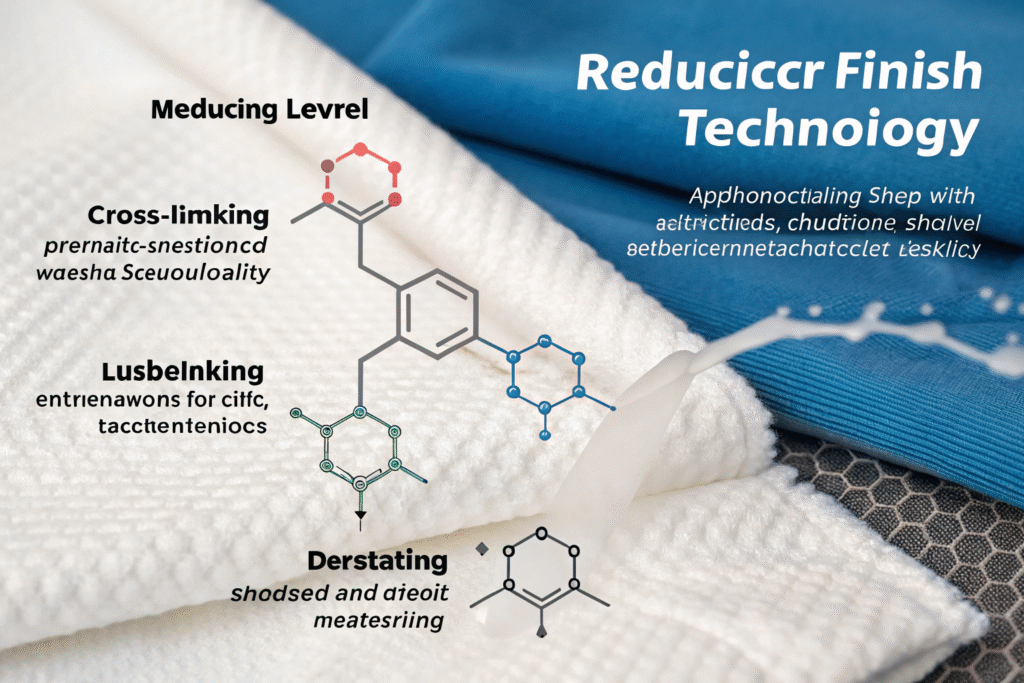
How do cross-linking treatments reduce fiber release?
Cross-linking treatments create chemical bonds between adjacent fibers, effectively "gluing" them together at the points where they intersect in the fabric structure. This reduces the ability of individual fibers to work loose during mechanical stress. Our testing shows that properly applied cross-linking treatments can reduce microfiber shedding by 40-55% while maintaining fabric flexibility and breathability.
We helped a Japanese uniform manufacturer implement a cross-linking treatment that reduced their polyester-uniforms' microfiber shedding by 50% without affecting comfort or durability. The treatment added approximately €0.30 per garment but extended product lifespan by reducing pilling and surface degradation. This dual benefit demonstrates why cross-linking treatments for shedding reduction can deliver both environmental and economic advantages.
What are the environmental trade-offs of anti-shedding finishes?
Some anti-shedding finishes involve chemicals that can themselves create environmental concerns, such as PFAS-based water repellents or formaldehyde-releasing cross-linkers. The most sustainable approaches use bio-based polymers, silicone modifications, or mechanical finishing processes that don't introduce persistent chemicals. Lifecycle assessment should evaluate whether shedding reduction justifies any chemical trade-offs.
A Spanish fast-fashion brand developed a chitosan-based bio-polymer finish that reduced shedding by 35% while being fully biodegradable and non-toxic. The innovation came from collaborating with a university research team and demonstrated that environmental solutions don't require environmental trade-offs. This success shows why evaluating finish environmental trade-offs is essential for comprehensive sustainability.
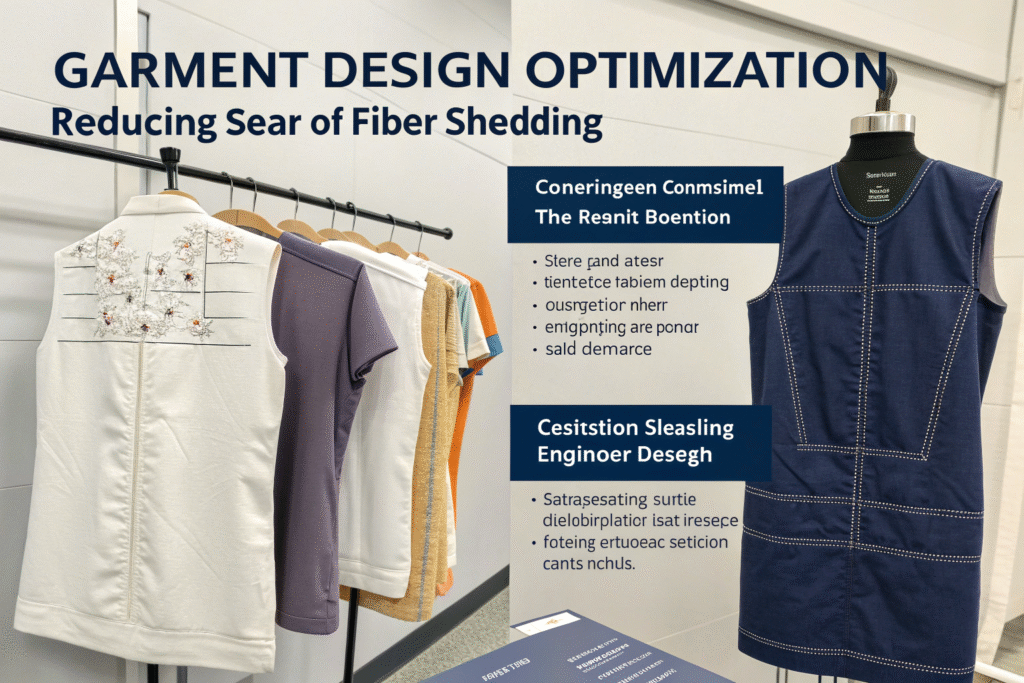
How can garment design minimize microfiber shedding?
Garment design significantly influences microfiber shedding through factors like seam construction, surface area, and abrasion points. Overlocked seams create multiple needle perforations that can weaken fabric and create release points, while flatlock or bonded seams typically cause less damage. Garments with excessive surface area (like very loose weaves or piles) provide more opportunities for fiber release, while streamlined designs with minimal seaming shed less.
The most effective design strategies minimize mechanical stress points, reduce unnecessary surface texture, and select seam types that don't compromise fabric integrity. Our analysis shows that optimized garment design can reduce microfiber shedding by 25-40% compared to conventional approaches, making it a crucial consideration alongside fabric selection and finishing.
Why do seam types dramatically affect shedding rates?
Seam construction creates stress concentrations and perforations that can accelerate fiber release during washing. Overlocked (serged) seams involve multiple needle holes that weaken the fabric structure, while flatlock seams distribute stress more evenly. Bonded seams using adhesive or ultrasonic welding create no needle holes, typically reducing seam-related shedding by 60-80% compared to conventional sewing.
A UK sportswear brand redesigned their seam strategies across 35 product styles, reducing average microfiber shedding by 30% without changing their fabric specifications. The redesign required retraining their manufacturing partners but delivered environmental benefits without material cost increases. This improvement demonstrates why seam engineering for microfiber reduction represents an underutilized opportunity.
How does surface texture influence fiber release?
Surface textures like brushing, sanding, or raising create loose fibers that readily release during washing. Fleece fabrics, with their intentionally raised surfaces, typically shed 3-5 times more microfibers than equivalent unbrushed fabrics. Similarly, fabrics with pile or looped surfaces release more fibers than flat constructions due to their greater surface area and weaker fiber anchorage.
We helped an outdoor brand develop a new fleece construction that maintained warmth while reducing shedding by 65% compared to their traditional brushed fleece. The innovation used a double-knit structure with trapped air pockets instead of raised fibers, delivering insulation without excessive surface fiber. This redesign shows how rethinking surface texture can address shedding at the design stage.
Conclusion
Minimizing microfiber shedding requires a comprehensive approach addressing fabric construction, garment design, finishing treatments, washing conditions, and filtration technologies. The most effective strategies combine multiple interventions—such as using filament yarns in tightly constructed fabrics, applying environmentally benign anti-shedding finishes, optimizing garment designs to reduce stress points, educating consumers about proper washing techniques, and implementing filtration systems. A systematic approach can typically reduce microfiber release by 70-85% compared to conventional practices.
Remember that microfiber shedding represents just one environmental impact among many. The most sustainable solutions address shedding without creating other environmental trade-offs, such as increased chemical usage, reduced product lifespan, or higher energy consumption. Brands that take a holistic approach will deliver genuine environmental benefits while building credibility with increasingly sustainability-conscious consumers.
If you're addressing microfiber shedding in your products and need guidance on effective reduction strategies, contact our Business Director Elaine at elaine@fumaoclothing.com. We provide comprehensive microfiber assessment and reduction services that help companies minimize their environmental impact while maintaining product performance and compliance with emerging regulations.