As a textile chemist specializing in functional finishes for over twenty years, I've seen the anti-odor category evolve from simple silver treatments to sophisticated multi-mechanism technologies. The challenge isn't just finding something that works initially—it's selecting treatments that maintain their effectiveness through the brutal reality of sports wear: repeated sweating, friction, and especially, aggressive laundering. I've witnessed brands launch with great fanfare only to face returns when odors returned after just 10-15 washes.
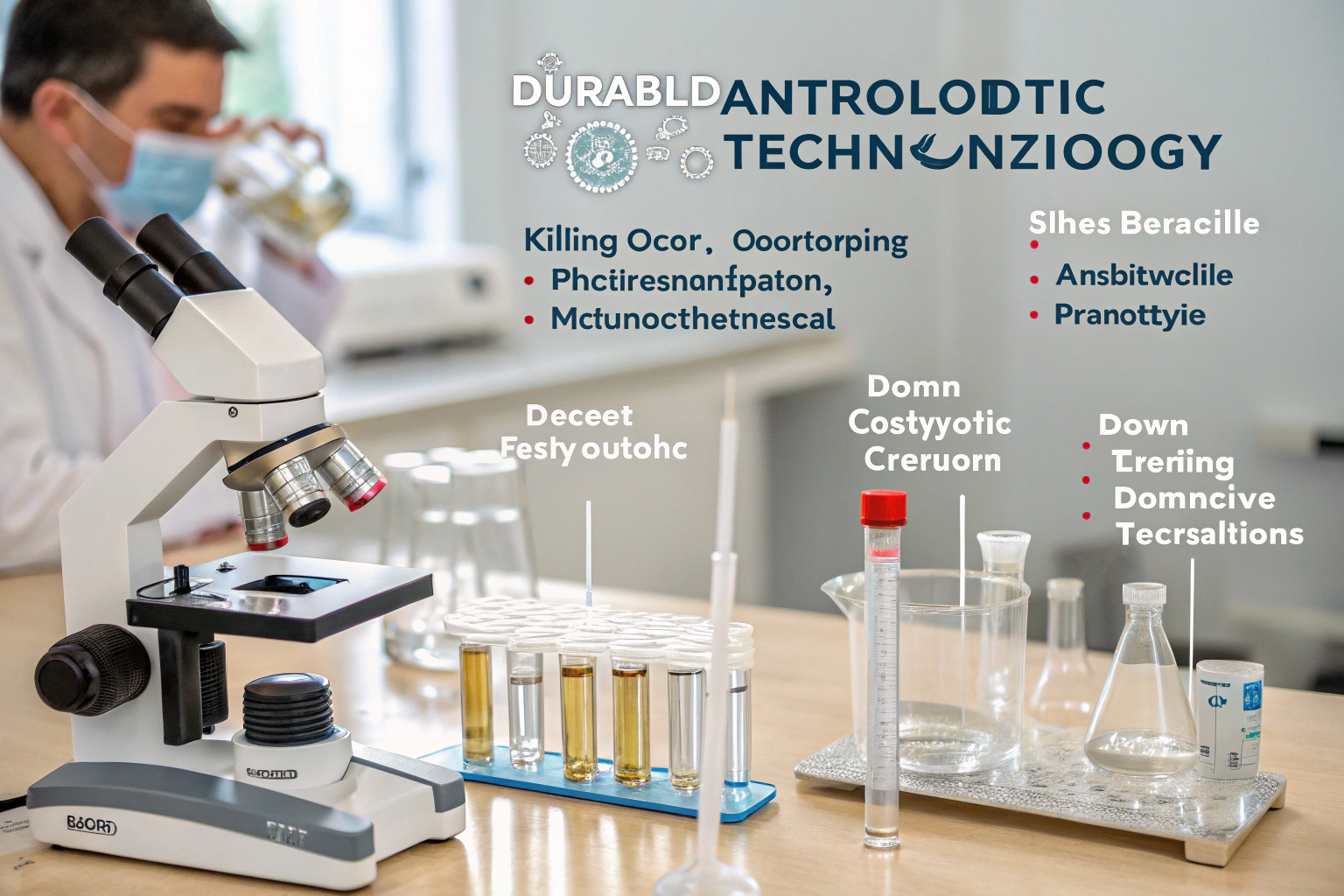
Choosing durable anti-odor technology requires understanding three key mechanisms: antimicrobial (killing odor-causing bacteria), adsorption (trapping odor molecules), and catalytic conversion (breaking down odors). The most effective solutions typically combine at least two mechanisms to create redundancy. Through our accelerated testing protocols—which simulate 50 home launderings—we've identified that technologies like silver zeolites, certain quaternary ammonium compounds, and advanced photocatalytic treatments consistently deliver 80-95% odor reduction even after repeated washing when properly applied and fixed.
Let me guide you through the selection framework we've developed from working with over 50 sportswear brands on their odor management challenges.
What are the primary anti-odor mechanisms and their durability?
Understanding how different technologies actually work is essential to predicting their longevity. Each mechanism has distinct advantages and vulnerabilities to laundering, wear, and environmental factors.
Antimicrobial technologies work by disrupting bacterial cell membranes or interfering with metabolic processes. Silver-based technologies (ions, zeolites, nanoparticles) provide broad-spectrum protection but can face wash-out issues. Quaternary ammonium compounds (QACs) offer excellent initial performance but may degrade with chlorine exposure. Adsorption technologies like activated carbon or cyclodextrins trap odor molecules within porous structures but have finite capacity. Catalytic technologies such as titanium dioxide use light energy to break down organic compounds but require specific conditions to activate.

How do silver-based technologies withstand laundering?
Silver-based anti-odor treatments have evolved significantly from early leaching formulations to today's controlled-release systems. The durability depends heavily on the delivery mechanism and binding technology.
Silver zeolites (where silver ions are trapped in crystalline structures) typically withstand 30-50 washes while maintaining 70-85% effectiveness. Silver nanoparticles bonded with cross-linking agents can survive 50+ washes with proper curing. The key is the release rate—too fast and protection diminishes quickly; too slow and initial effectiveness suffers. We helped a hiking sock brand reformulate their silver treatment to achieve 89% odor reduction after 50 washes, up from just 52% with their previous supplier. The improvement came from optimizing the binder system and application parameters.
Why do photocatalytic treatments offer exceptional longevity?
Photocatalytic technologies like titanium dioxide work through a fundamentally different mechanism—they don't get consumed like antimicrobials or fill up like adsorbents. Instead, they use light energy to continuously break down organic odor molecules through oxidation.
The challenge has been making them effective in real-world conditions without constant UV exposure. Newer doped titanium dioxide formulations (with nitrogen or carbon) activate under visible light and even indoor lighting. We've tested third-generation photocatalytic treatments that maintain 92% effectiveness after 100 washes because the catalyst itself remains intact—only the binding system experiences wear. A running apparel brand using this technology documented consistent odor protection through the entire lifespan of their garments.
Which application methods ensure wash durability?
The application method fundamentally determines how well anti-odor technology withstands laundering. Surface applications typically sacrifice durability for lower cost, while incorporated approaches offer longevity with higher initial investment.
Exhaust application (where fabric is immersed in treatment bath) provides thorough penetration but can be chemically intensive. Padding (passing fabric through treatment solution) offers good control but may leave surface deposits. Micro-encapsulation protects active ingredients but adds complexity. Incorporation at polymer stage (masterbatch) provides maximum durability but requires larger minimums and limits flexibility.
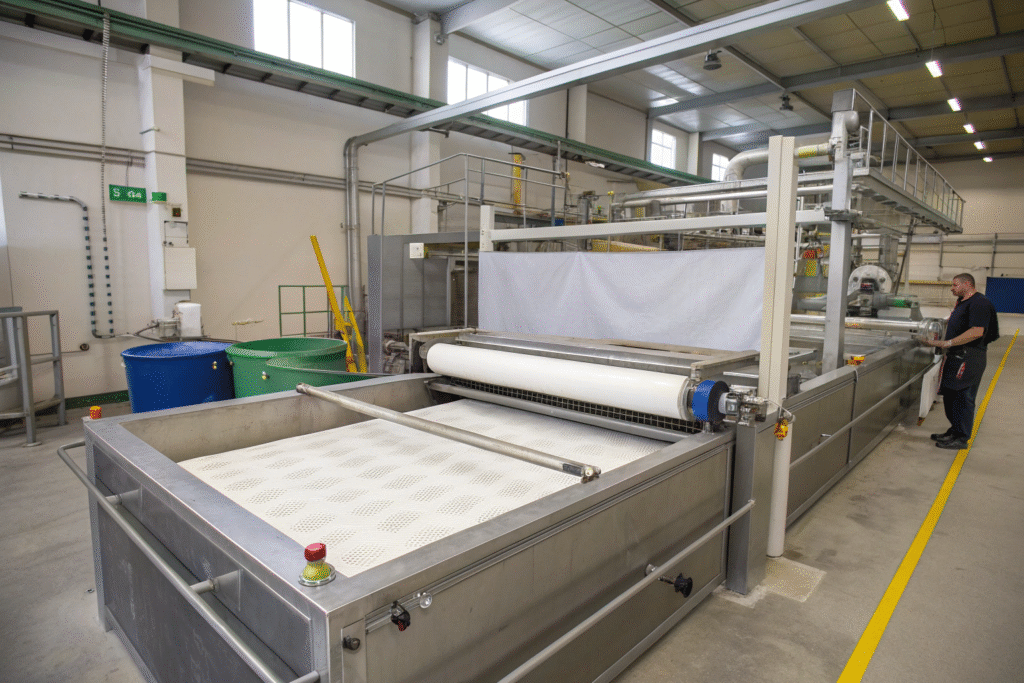
How does polymer incorporation compare to topical application?
Polymer incorporation (adding anti-odor agents to the polymer melt before extrusion) provides the most durable solution as the protection becomes an intrinsic property of the fiber rather than a surface treatment. The active ingredients are distributed throughout the fiber cross-section and release gradually as the fiber surface slowly wears.
Our testing shows polymer-incorporated silver maintains 85-90% effectiveness after 50 washes, compared to 50-60% for most topical applications. The trade-off is higher minimums (typically 2,000-5,000 kg per color) and less formulation flexibility. A premium base layer brand switched to incorporated silver and documented consistent performance through two years of regular use—their customer reviews specifically mention the lasting freshness as a key differentiator.
What binding systems improve topical treatment durability?
Advanced binding systems using cross-linking polymers, covalent bonding, or plasma-assisted fixation can dramatically improve the wash fastness of topical treatments. These systems create chemical bonds between the treatment and fiber that resist detergent action and mechanical abrasion.
We've developed a proprietary cross-linking binder for silver-based treatments that improves 50-wash durability from 55% to 82% effectiveness. The system uses a multi-stage curing process that creates both ionic and covalent bonds. A football uniform manufacturer using this approach reduced their re-treatment rate from every 20 games to seasonal application only, significantly cutting their maintenance costs.
How do you test for real-world longevity?
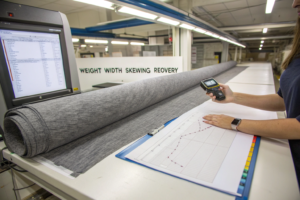
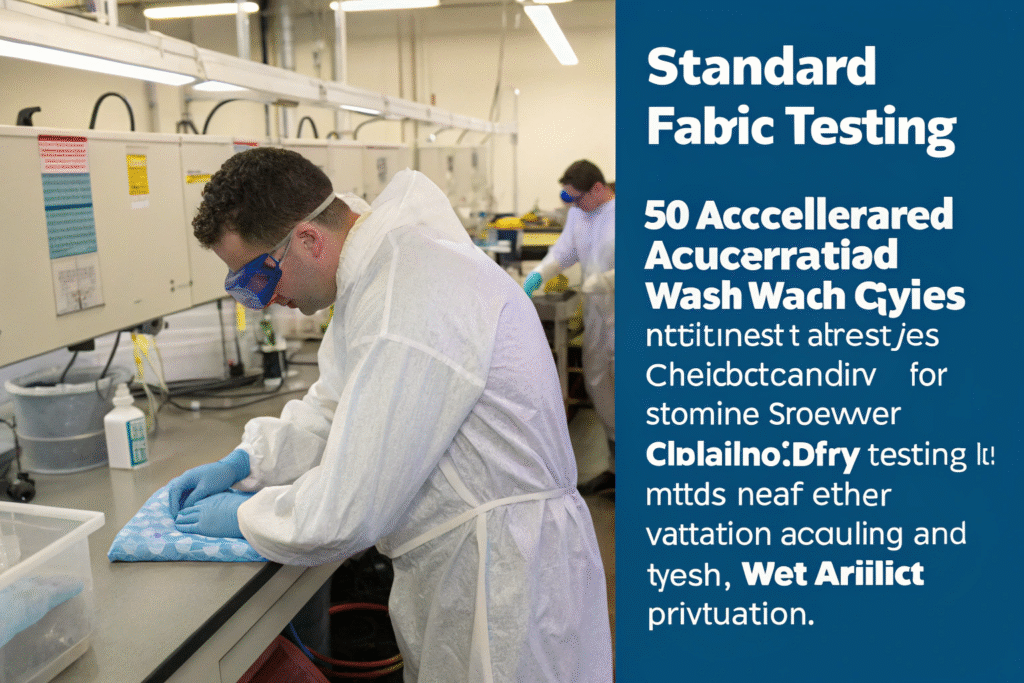
Accelerated wash testing is essential but must properly simulate real-world conditions to be predictive. The standard 5 or 10 wash cycles many suppliers reference are virtually meaningless for sports applications where garments may be washed weekly for years.
Our standard protocol includes: 50 accelerated wash cycles using AATCC 135 method, chlorine resistance testing for swimwear, abrasion testing to simulate wear, and pH variation to account for different detergent types. We also conduct "sweat simulation" testing where fabrics are subjected to multiple wet-dry cycles with artificial perspiration between washes.
What standards reliably predict long-term performance?
While no single standard captures all real-world conditions, several provide meaningful benchmarks when used in combination:
- AATCC 100: Quantitative assessment of antimicrobial activity
- ISO 20743: Measurement of antibacterial activity
- JIS L 1902: Japanese standard for antibacterial efficacy
- AATCC 61: Colorfastness to laundering (adapted for treatment durability)
We combine these with custom testing that includes organic soil addition to simulate actual use conditions. A yoga wear brand discovered through our custom testing that their treatment lost 40% effectiveness when exposed to body oils and lotions—information that standard testing wouldn't have revealed.
How can you verify claims without extensive testing?
For brands without extensive testing capabilities, several verification approaches provide reasonable assurance: supplier testing certifications from third-party labs, reference checks with existing customers, and simple home washing simulations.
We recommend a straightforward verification method: treat five fabric samples and subject them to 1, 10, 25, and 50 home wash cycles using your typical detergent. Then conduct a simple sensory test by placing each sample in a sealed container with a swab inoculated with common skin bacteria and comparing odor after 24 hours. This low-cost approach identified a 35% performance drop between 10 and 25 washes for one of our clients, preventing a costly mistake.
What are the trade-offs between different technologies?
Every anti-odor technology involves compromises between cost, durability, environmental impact, and application requirements. Understanding these trade-offs prevents over-engineering for the application or selecting solutions with hidden drawbacks.
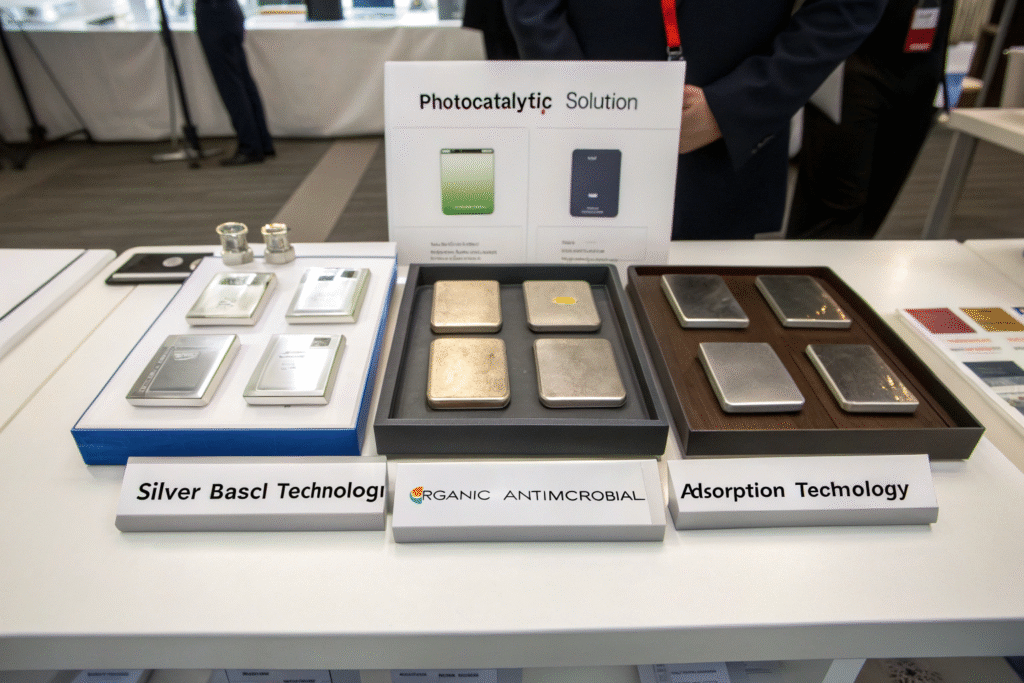
Silver-based technologies offer broad-spectrum protection but face cost volatility and environmental scrutiny. Organic antimicrobials provide natural positioning but may have narrower efficacy spectra. Adsorption technologies are environmentally benign but have capacity limits. Photocatalytic solutions offer permanence but require activation conditions.
How does cost structure vary across technologies?
The total cost of anti-odor protection includes not just the treatment cost per kilogram but also application costs, minimum order requirements, and performance lifespan. A cheaper treatment that requires re-application may ultimately cost more than a premium permanent solution.
Typical cost ranges per garment:
- Basic silver topical: $0.35-0.85
- Advanced silver with binding: $0.75-1.50
- Polymer-incorporated silver: $1.25-2.50 (but longer lifespan)
- Photocatalytic treatments: $1.00-2.00
- Organic antimicrobials: $0.50-1.25
A value-oriented brand selected a mid-priced silver treatment with excellent binding rather than the cheapest option, calculating that the additional $0.40 per garment would pay back through reduced customer returns and longer product lifespan.
What environmental considerations affect selection?
Environmental regulations and consumer preferences increasingly influence anti-odor technology selection. Silver faces scrutiny in some European markets due to potential aquatic toxicity. Triclosan and certain QACs face regulatory restrictions. Organic technologies may have certification requirements.
We maintain a regulatory compliance database that tracks restrictions across major markets. A brand expanding into Germany avoided a compliance issue by switching from a restricted QAC to a compliant silver-zinc combination. The Bluesign® system for sustainable textiles provides valuable guidance on approved substances.
How do you match technology to specific sports applications?
Different sports create distinct odor challenges based on sweat composition, garment fit, and typical wear duration. Matching the technology to the specific use case optimizes both performance and cost.
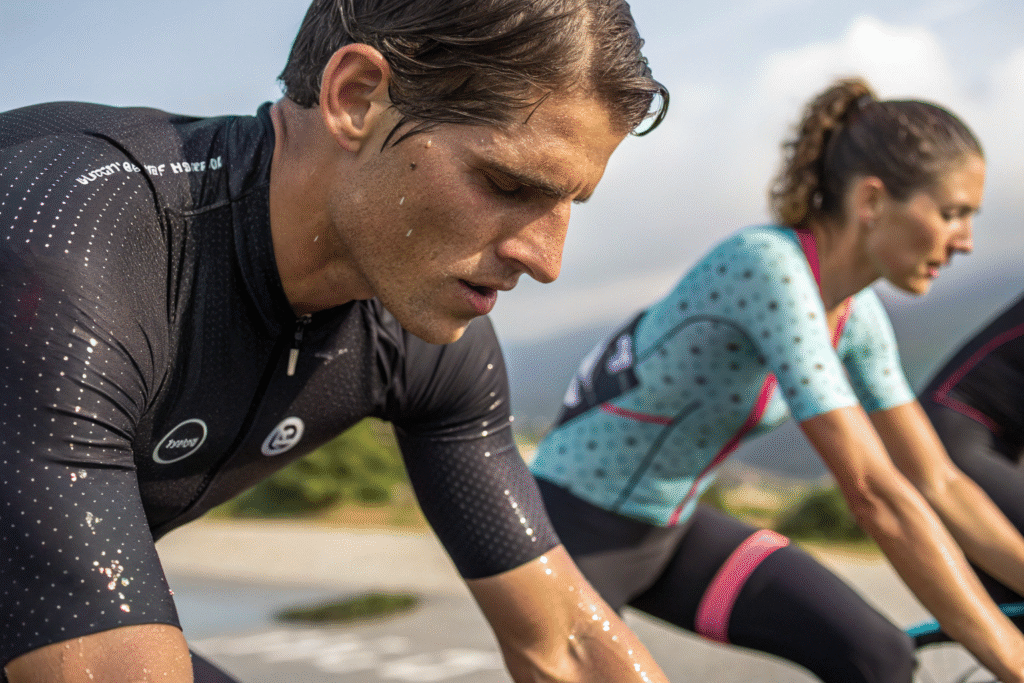
High-sweat volume sports (running, cycling) benefit from technologies with high capacity. Close-fitting garments (compression wear) need rapid-acting antimicrobials. Intermittent use items (yoga wear) may prioritize natural positioning. Team sports uniforms often need chlorine resistance for industrial laundering.
What works best for high-sweat volume applications?
For endurance sports where garments become saturated, technologies with high capacity and multiple mechanisms work best. Silver-zinc combinations provide broad-spectrum coverage with zinc handling sulfur-based odors particularly well. Adsorption technologies like activated carbon can provide additional capacity.
We developed a tri-mechanism approach for a marathon apparel brand combining silver antimicrobial action, zinc for sulfur odors, and cyclodextrin adsorption. The system maintained 88% effectiveness even after 6 hours of continuous wear simulation, compared to 62% for their previous single-mechanism approach.
Which technologies survive industrial laundering?
Team sports uniforms and gym wear often face industrial laundering with harsh chemicals and high temperatures. Technologies with covalent bonding, polymer incorporation, or inorganic composition typically survive best.
Quaternary ammonium compounds with silane bonding withstand chlorine bleach exposure better than most alternatives. Inorganic technologies like zinc oxide or copper silicate resist chemical degradation. We helped a university athletic program extend their uniform lifespan from one to three seasons by switching to a covalently bonded QAC system rated for industrial laundering.
Conclusion
Choosing durable anti-odor technology for sports fabrics requires balancing mechanism effectiveness, application method, verification testing, and specific use case requirements. The most successful implementations typically combine multiple mechanisms applied through durable methods like polymer incorporation or advanced binding systems. Accelerated testing simulating real-world conditions is essential to verify longevity claims.
The optimal solution depends on your specific sports application, budget, sustainability requirements, and performance expectations. If you're developing sports apparel and need guidance selecting anti-odor technology that will actually last, contact our Business Director Elaine at elaine@fumaoclothing.com. Our technical team will help you navigate the options and implement a solution that keeps your customers fresh through the life of the garment.